Australia’s Cockatoos
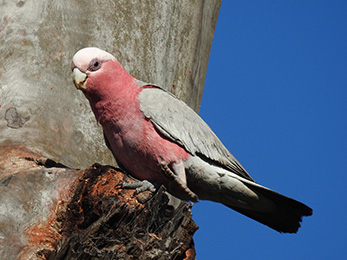
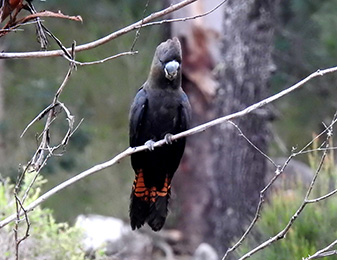
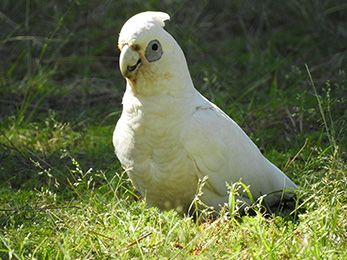
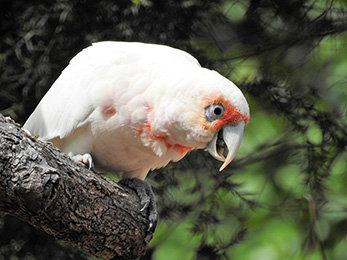
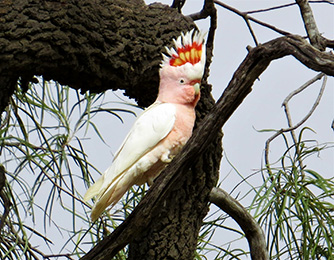
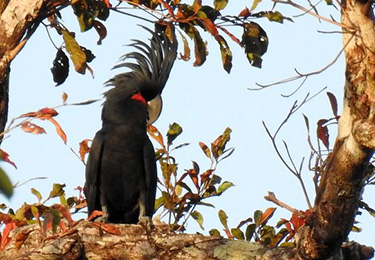
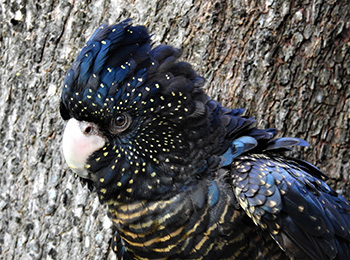
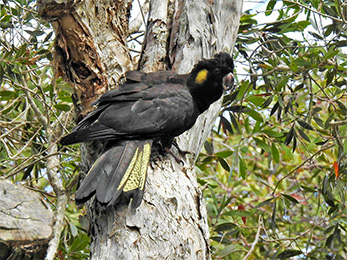
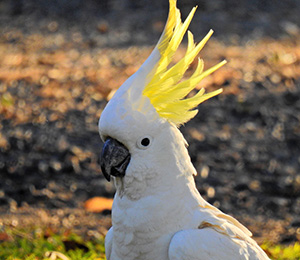
Australia’s cockatoos are among the country’s most recognisable and loved native birds. With their strong curved bills, expressive crests and loud, echoing calls, they bring colour, movement and character to forests, woodlands, farmland and city parks. From the brilliant white sulphur-crested cockatoo to the soft pink galah and the striking black cockatoos, these intelligent parrots are a captivating part of Australia’s wildlife heritage.
Cockatoos are highly social birds. They are often seen in flocks or family groups, calling to one another as they feed, fly and rest. Their crests lift when they are excited, curious or alarmed, and their voices can range from sharp screeches to harsh cackling calls that carry across the landscape. Many species form strong pair bonds and are long-lived birds, with some surviving for decades.
What Makes Australia’s Cockatoos Special?
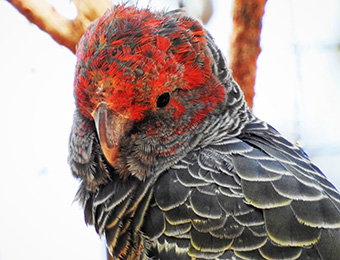
Australia’s cockatoos belong to a remarkable group of native parrots that includes corellas, galahs, black cockatoos, the Gang-gang Cockatoo, the Palm Cockatoo and the Cockatiel. Each species has its own appearance, call, habitat and behaviour, which makes them fascinating to study and easy to search for by name. Some are common and adaptable, while others are rare and threatened, depending on the condition of their habitat and food supply.
Their diet varies with the seasons and the species. Cockatoos may feed on seeds, nuts, fruits, blossoms, roots, bulbs and insects. Many rely on old native trees with large hollows for nesting, which means mature forests and woodland habitats are especially important for their survival. Without these old trees, breeding can become difficult.
Where Do Australia’s Cockatoos Live?
Cockatoos can be found in a wide range of habitats across Australia, from tropical forests and coastal scrub to dry inland woodlands and urban areas. Some species adapt well to towns and suburbs, where they search for food in parks, gardens and open spaces. Others need more specialised habitats and are closely linked to specific forest types and native food trees.
Because cockatoos are such adaptable birds, many people encounter them in everyday life. Their presence is often a sign of the living landscape around us, but it is also a reminder that they still depend on healthy native vegetation, safe nesting sites and protected old trees.
Conservation and Why It Matters
Several Australian cockatoo species face serious pressure from habitat loss, drought, fire, urban development, competition for nesting hollows and the decline of mature trees. Some species are common, but others are vulnerable, endangered or at risk in parts of their range. Protecting cockatoos means protecting the forests, woodlands and hollow-bearing trees they need to survive.
By learning about each species, we can better understand how to support them. Planting native trees, protecting old habitat trees, reducing disturbance, supporting conservation groups and keeping cats away from wildlife all help to make a difference.
Explore the Species
Use the links on this page to discover more about each species of Australia’s cockatoos. You will find details on their looks, calls, habitat, diet, breeding, longevity, conservation status and the threats they face.