LITTLE PIED CORMORANT
Little Pied Cormorant
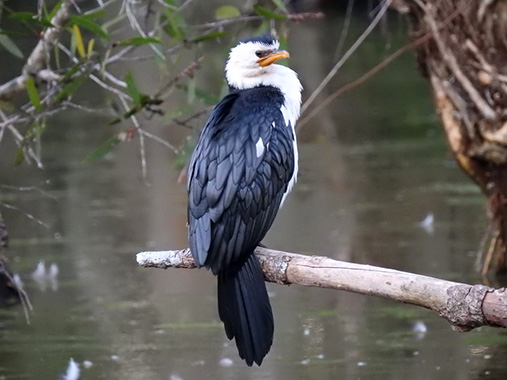
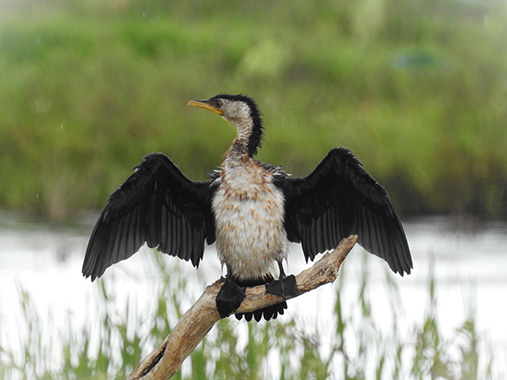
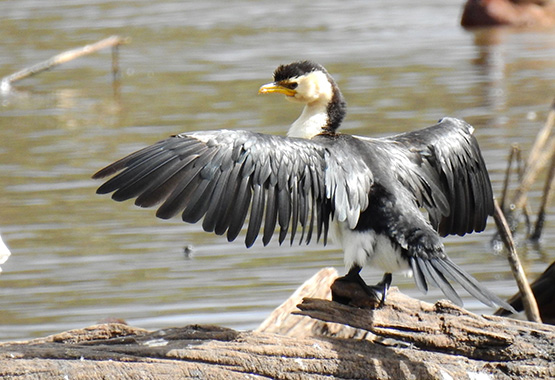
Along Australia’s rivers, lakes, and sheltered coastal waters, a small black‑and‑white bird can often be seen perched silently on a branch just above the water. With its wings stretched wide to the sun after a dive, the Little Pied Cormorant (Microcarbo melanoleucos) is one of the most familiar waterbirds in the country.
Although it shares the waterways with ducks, swans, and pelicans, the Little Pied Cormorant is a specialised underwater hunter. Smaller and more delicate than many of its relatives, it is perfectly adapted for diving beneath the surface to chase fish through the shallows.
What Does the Little Pied Cormorant Look Like?
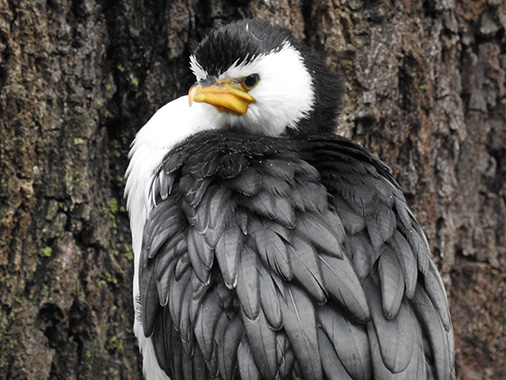
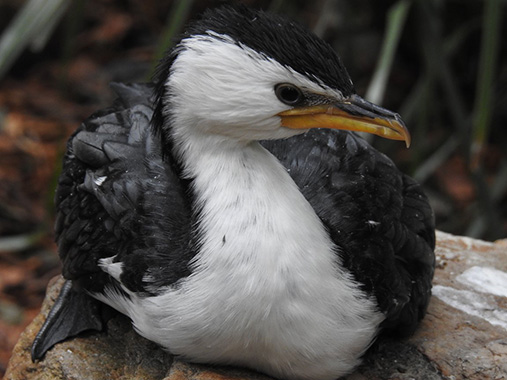
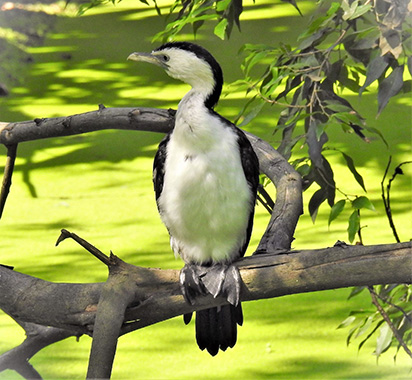
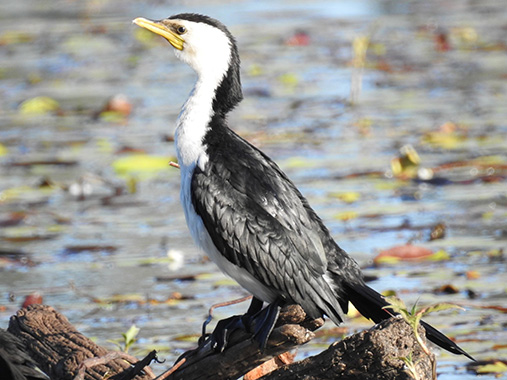
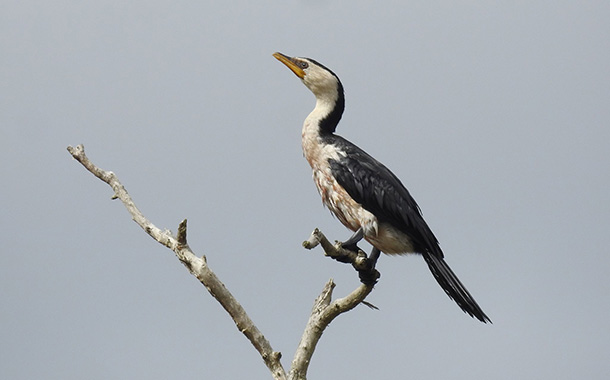
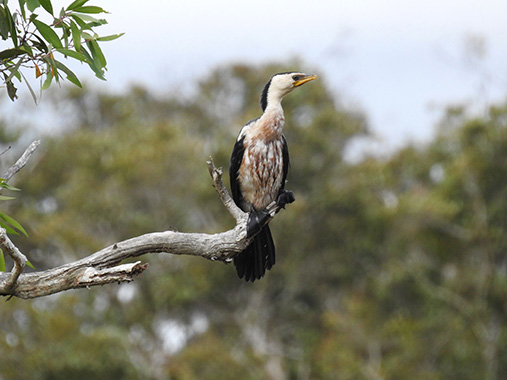
The Little Pied Cormorant is the smallest cormorant species found in Australia.
- Size: About 55–65 centimetres long with a wingspan around one metre.
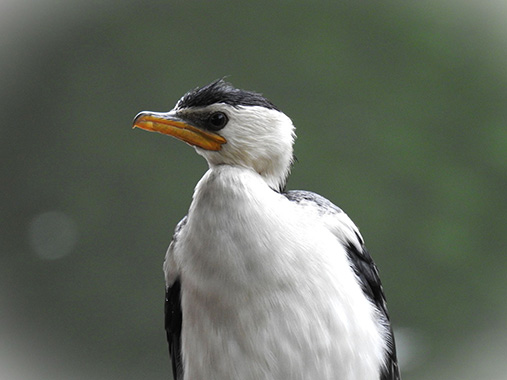
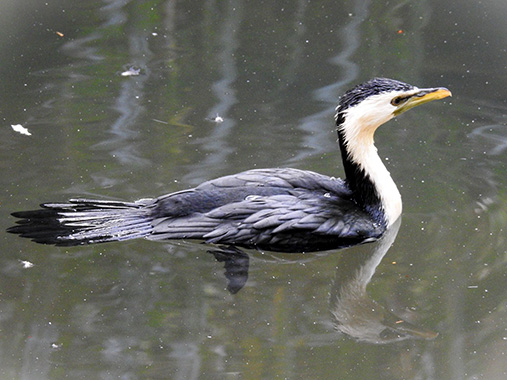
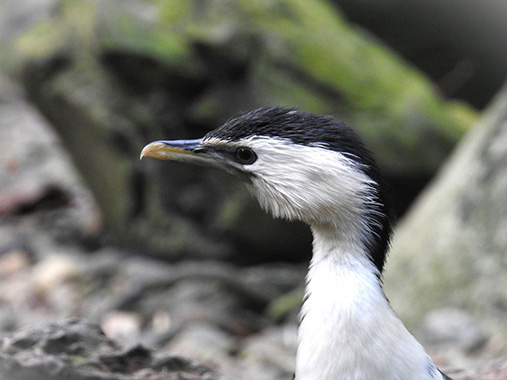
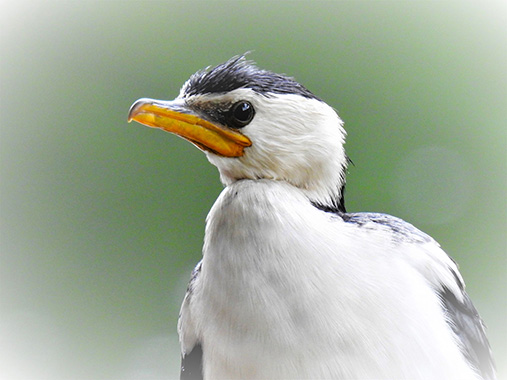
- Colour pattern: Their plumage forms a striking contrast — glossy black upperparts with bright white underparts and throat.
- Face and bill: The face is bare and yellowish, surrounding a slender grey bill that curves slightly at the tip.
- Eyes: The eyes are often a pale blue or green, standing out sharply against the darker feathers.
At a distance they can look similar to the larger Pied Cormorant, but the Little Pied is noticeably smaller and more compact, with a shorter neck and a more delicate bill.
Habitat and Distribution
Little Pied Cormorants are extremely adaptable and can be found throughout most of Australia and New Zealand. They occur in a wide range of aquatic environments, including:
- freshwater lakes and reservoirs
- rivers and billabongs
- wetlands and marshes
- coastal lagoons and estuaries
- farm dams and urban waterways
Unlike the strictly marine Black‑faced Cormorant, this species is equally comfortable in freshwater and coastal habitats.
Feeding Habits
The Little Pied Cormorant is a highly skilled diver. Rather than waiting motionless like a heron, it actively hunts underwater.
Its diet mainly consists of:
- small fish
- aquatic insects
- crustaceans
- tadpoles and small amphibians
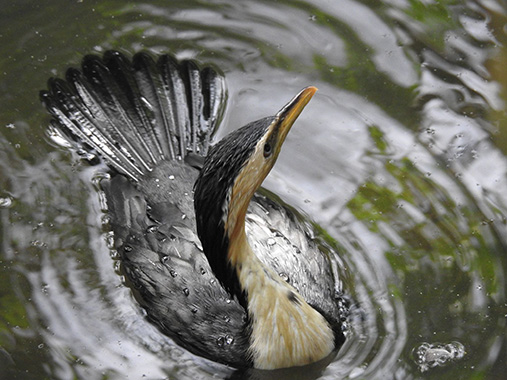
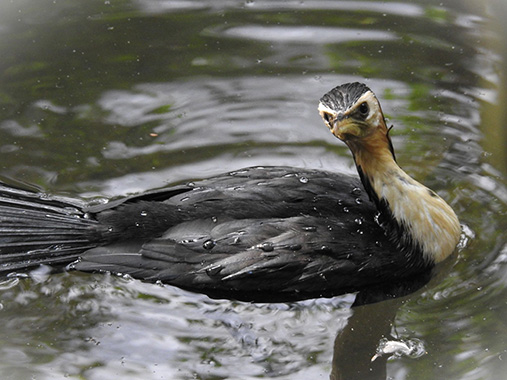
They dive beneath the surface using powerful strokes of their fully webbed feet, pursuing prey underwater before bringing it back to the surface to swallow whole. These dives are usually short but frequent, giving the impression of a bird constantly disappearing and reappearing across the water.
Because their feathers are not completely waterproof, they often perch after feeding with their wings spread open to dry in the sun.
Breeding and Nesting
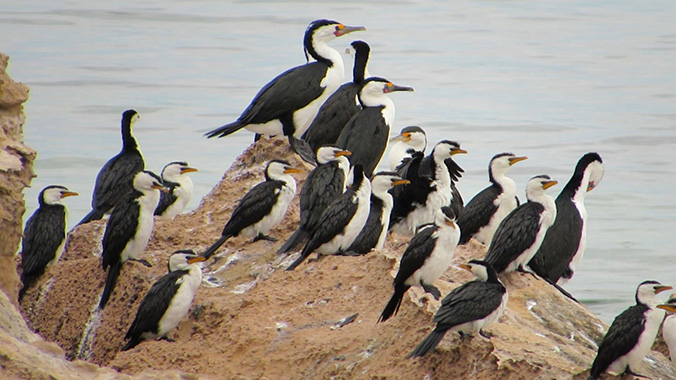
Little Pied Cormorants usually breed in colonies, often sharing nesting areas with other waterbirds such as herons, ibises, and other cormorants.
- Nesting sites: trees standing in water, reedbeds, mangroves, or islands
- Nest structure: a platform of sticks lined with leaves and aquatic plants
- Eggs: typically 3–5 pale blue eggs
- Incubation: about three weeks
- Parental care: both parents feed the chicks by regurgitating fish
Young birds remain in the nest until they are strong enough to fly, after which they begin learning to dive and hunt for themselves.
Longevity
Little Pied Cormorants typically live around 8 to 12 years in the wild, although some banded birds have been recorded living more than 15 years. Their survival depends heavily on healthy wetlands, safe nesting areas, and abundant fish populations.
Indigenous Connections
Cormorants have long been recognised by First Nations peoples as expert fish hunters and indicators of thriving waterways. In many parts of Australia, birds that dive and fish so effectively are closely observed as part of traditional ecological knowledge.
Healthy populations of cormorants often signal that a wetland or river system is productive and balanced. Their behaviour and seasonal movements have historically helped communities understand fish activity, water conditions, and changes in the landscape.
Because Australia contains hundreds of Indigenous languages, traditional names for this bird vary across regions and are not always widely documented in public sources. When discussing wildlife, recognising their connection to Country and the knowledge systems of Traditional Owners helps acknowledge the deep history of observation and stewardship of Australia’s ecosystems.
Conservation Status and Threats
The Little Pied Cormorant is currently considered a species of Least Concern, and its population remains stable across much of its range.
However, like many waterbirds, it faces local pressures including:
- wetland drainage and habitat loss
- pollution and declining water quality
- entanglement in fishing line or nets
- disturbance at nesting colonies
Protecting healthy waterways ensures these birds can continue to thrive.
How You Can Help
Simple actions can make a big difference for waterbirds:
- Dispose of fishing line and tackle properly.
- Support the protection of wetlands and riverbanks.
- Keep waterways free from litter and chemical runoff.
- Avoid disturbing nesting colonies.
Why the Little Pied Cormorant Matters
The Little Pied Cormorant is a reminder that even the quietest birds play an important role in our ecosystems. Its graceful dives, patient fishing, and colony life are part of the living rhythm of Australia’s waterways.
Where the Little Pied Cormorant thrives, it usually means the water beneath it is alive with fish and the wetland around it is healthy.
Scientific References
- Australian Museum – Little Pied Cormorant species profile
- BirdLife Australia – Little Pied Cormorant information
- Pizzey, G. & Knight, F. The Field Guide to the Birds of Australia
- Department of Climate Change, Energy, the Environment and Water – Australian waterbirds
- Wikipedia – Microcarbo melanoleucos (Little Pied Cormorant)
Photo Gallery