RODENTS FAMILY MURIDAE
Discover Australia’s Native Rodents: The Family Muridae
When we think of Australian wildlife, marsupials like kangaroos and koalas usually steal the spotlight. However, the family Muridae—commonly known as the Murid rodents—is a deeply fascinating group of native animals that have made their home across almost every corner of Australia.
Arriving on the continent millions of years before European settlement, these incredibly diverse native rats and mice are some of the most adaptable creatures on the planet. From the arid red deserts to lush tropical rainforests and even our urban waterways, this section explores the hidden, vibrant world of Australia’s native Murids.
Deep Time Connections: First Nations Peoples and Native Rodents
For tens of thousands of years, First Nations peoples have lived alongside and deeply understood the ecological role of Australia’s native rodents. Unlike early European settlers who often viewed these creatures through the negative lens of European pest rats, Indigenous Australians recognized them as vital parts of the food web, reliable seasonal indicators, and respected inhabitants of Country.
Today, there is a powerful and necessary movement in Australian conservation to replace “ugly” or stigmatised European names with traditional Aboriginal names. This simple act of decolonising their names is transforming how the public views and protects them:
- The Rakali: Formerly known as the “Water Rat”, this magnificent aquatic mammal was officially rebranded in the 1990s using its Ngarrindjeri name from the lower Murray River and Coorong regions.
- The Mayaroo: Known to scientists as the Long-haired Rat, the Diyari people of the Lake Eyre region have long known this species as the Majaru or Mayaroo. Its sudden, massive population booms were a clear indicator of shifting weather patterns and the arrival of heavy outback rains.
- The Palyoora: Once called the Plains Mouse/Rat, ecologists are now working to champion this endangered desert rodent by using its Wangkangurru name, Palyoora, hoping to inspire the same public affection we hold for the bilby or kangaroo.
Furthermore, traditional Indigenous fire management (cultural burning) plays a critical role in maintaining the diverse, healthy ground cover and spinifex grasslands that our native arid-zone rodents rely on for food and shelter.
A World of Diversity: What Do Native Murids Look Like?
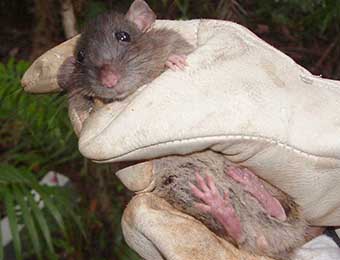
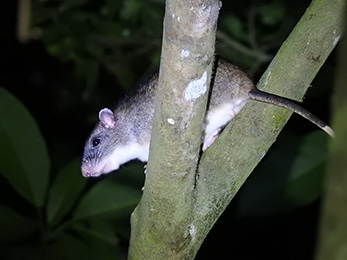
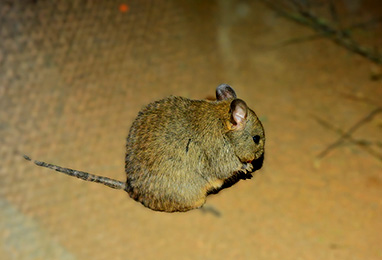
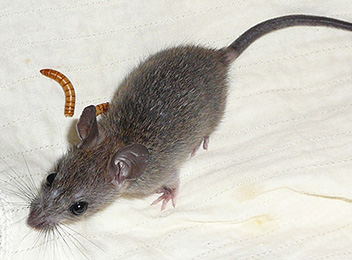
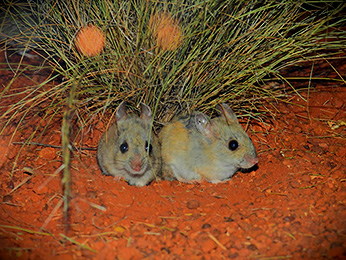
Because the Muridae family is so vast, there is no single “look” for an Australian rodent. Their appearance is wonderfully diverse, ranging from tiny, delicate creatures to robust, water-dwelling mammals.
- The Tiny Foragers: Species like the Delicate Mouse (Pseudomys delicatulus) that weigh just 10 grams and feature soft, sandy-coloured fur.
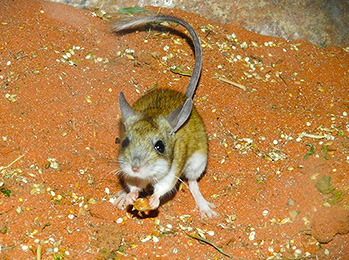
- The Desert Leapers: The Spinifex Hopping-mouse (Notomys alexis), which looks almost like a miniature kangaroo with long, tufted tails and oversized ears.
- The Water Swimmers: The spectacular Rakali (Hydromys chrysogaster), which boasts thick, waterproof fur, webbed feet, and a distinctive white-tipped tail.
Masters of Survival: Diet and Ecosystem Engineers
As you look across the Australian landscape, the adaptability of Murid rodents is perhaps their greatest strength. Depending on the species, they may forage for seeds, native fruits, fungi, insects, and small invertebrates.
One of the most remarkable aspects of these rodents is their vital role as ecosystem engineers. They are nature’s gardeners. By foraging for seeds and sometimes forgetting where they have stashed them underground, they inadvertently plant new vegetation. Furthermore, they are a crucial food source for native predators like owls, eagles, snakes, and carnivorous marsupials, supporting a healthy and balanced food web.
The Circle of Life: Breeding and Longevity
The breeding strategies of Australian Murids are inextricably linked to our unpredictable climate.
- Boom and Bust Breeding: Many arid-zone rodents are famous for their “boom and bust” cycles. During long droughts, numbers remain low. But following heavy outback rains, they breed prolifically with gestation periods of just 3 to 4 weeks, allowing populations to explode rapidly alongside the sudden abundance of food.
- A Fleeting Life: In the wild, the lifespan of a small native rodent is relatively short—often living just 1 to 2 years due to natural predation. However, larger species like the Rakali can live for 3 to 4 years, or even longer in protected environments.
Conservation Status and Environmental Threats
While some native rodents remain common, Australia tragically holds the highest rate of mammal extinction in the world, and our native Murids have suffered heavily. Several species are now completely extinct, while others are listed as vulnerable or endangered.
Their biggest threats are human-led. The introduction of feral predators—specifically cats and European foxes—has devastated ground-dwelling populations. Habitat clearing for agriculture and urban development continues to strip away their homes, alongside the devastating impact of modern rodent poisons.
What Can We Do to Help?
Protecting our native rodents is essential for the health of the broader Australian environment. Here are three impactful ways we can all help:
- Rethink Rodenticides: Avoid Second-Generation Anticoagulant Rodenticides (SGARs). These poisons travel up the food chain, killing not only native rats but the owls and eagles that eat them. Look for safe, wildlife-friendly alternatives.
- Keep Cats Indoors: Domestic and feral cats easily wipe out small native mammals. Keeping pet cats securely indoors or in an outdoor enclosure protects our native rodents.
- Preserve Native Habitat: Leaving fallen logs, dense native grasses, and ground cover in your garden provides vital shelter for all small wildlife.
Scientific & Cultural References
- Australian Museum. Rodents in Australia: The Family Muridae.
- Bonyhady, T. (2019). The Enchantment of the Long-Haired Rat. (Details on the Diyari people and the Mayaroo).
- Bush Heritage Australia. Native Mice and Rats.
- CSIRO Publishing. Australian Mammalogy: Ecology and Conservation of Native Rodents.
- Department of Climate Change, Energy, the Environment and Water (DCCEEW). Threatened Species Profiles: Native Rodents.
- National Geographic. (2024). Is it a plains rat—or a palyoora? Why Australia is turning to Aboriginal animal names.
- Platypus Conservancy. Rakali names and origin. (Ngarrindjeri language origins).