Australian Huntsman spiders
Australian Huntsman Spiders
Gentle giants of the Australian night
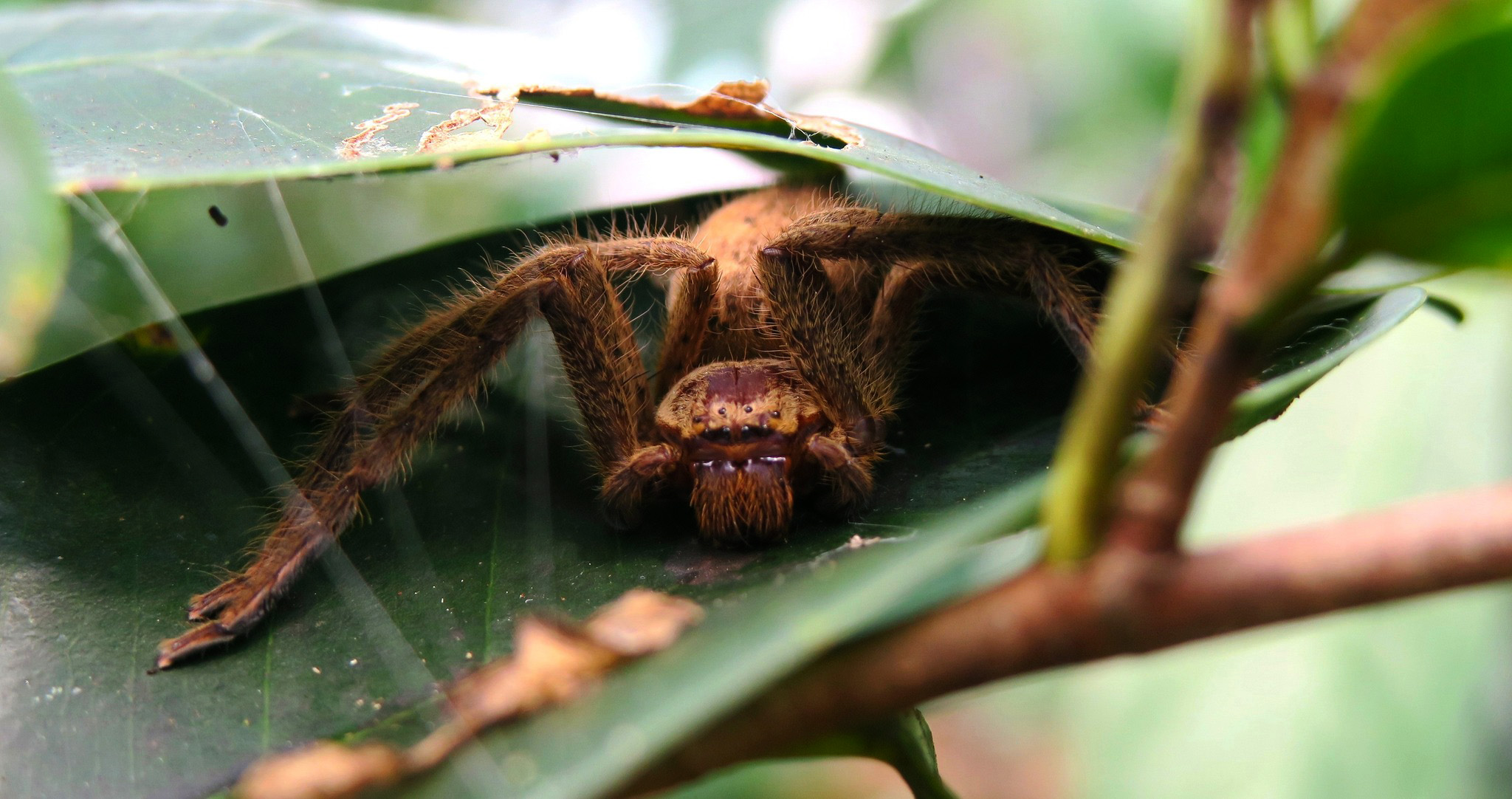
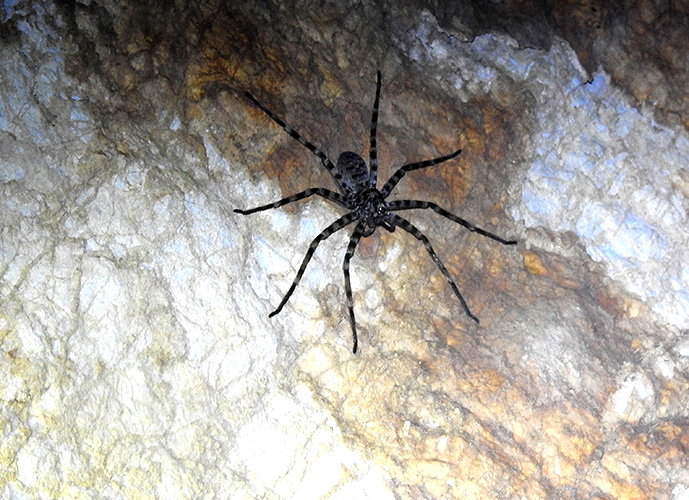
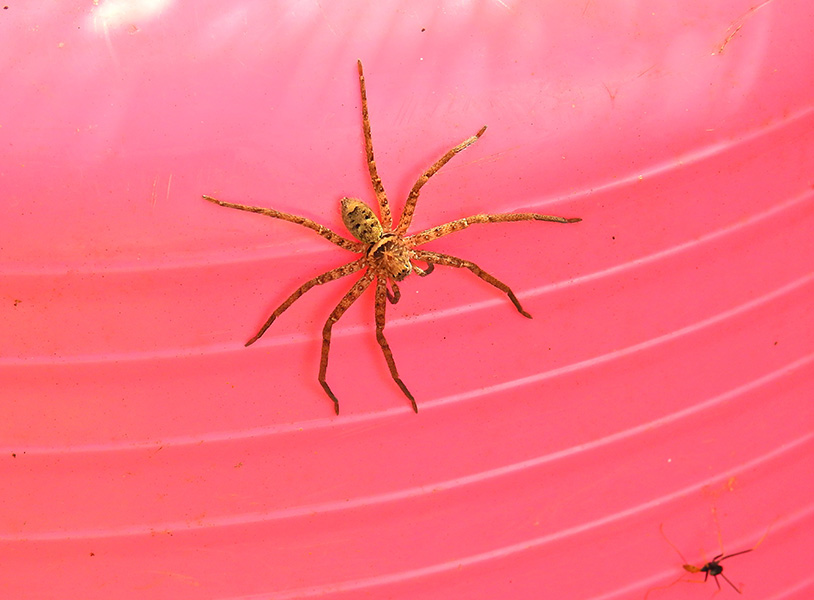
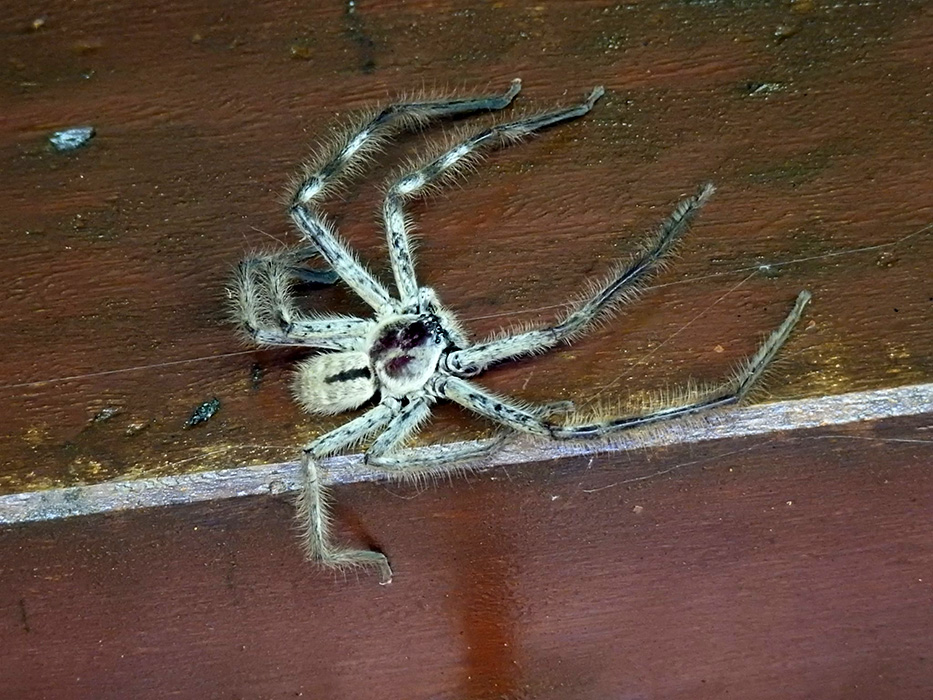
As the sun sinks and the heat of the day softens, a quiet hunter begins to move. It glides across tree bark, rock faces and sometimes the pale walls of our homes. The Australian huntsman spider is one of our most recognisable arachnids — large, fast and often misunderstood. Despite their impressive size, huntsman spiders are gentle, fascinating animals and an important part of Australia’s natural story.
Where Huntsman Spiders Are Found
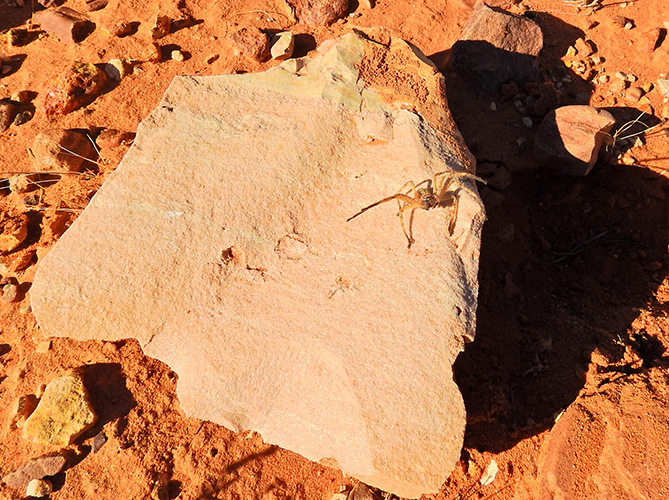
Huntsman spiders are found across Australia, from coastal forests and rainforests to inland woodlands and even arid regions.
They commonly shelter:
- Under loose bark and rocks
- Inside tree hollows
- Beneath fallen logs
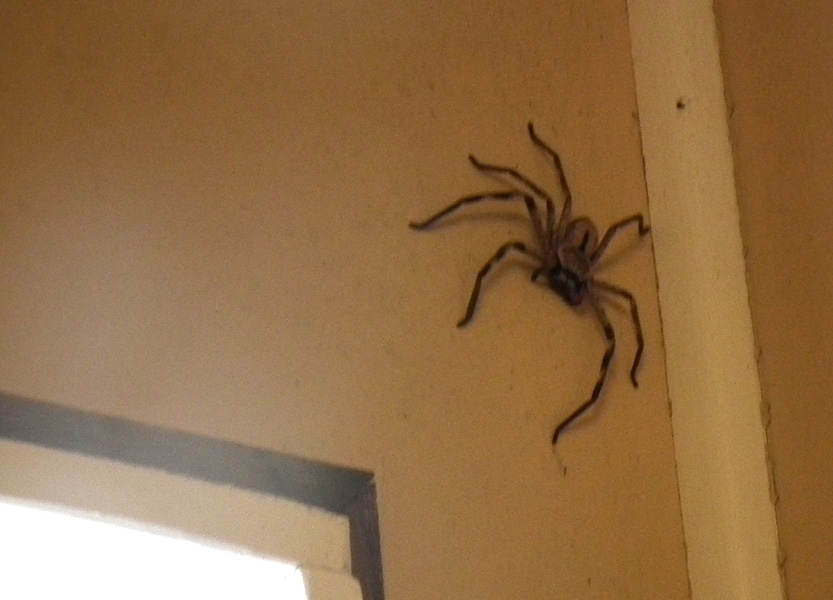
- Around homes, especially behind curtains, in sheds or under eaves
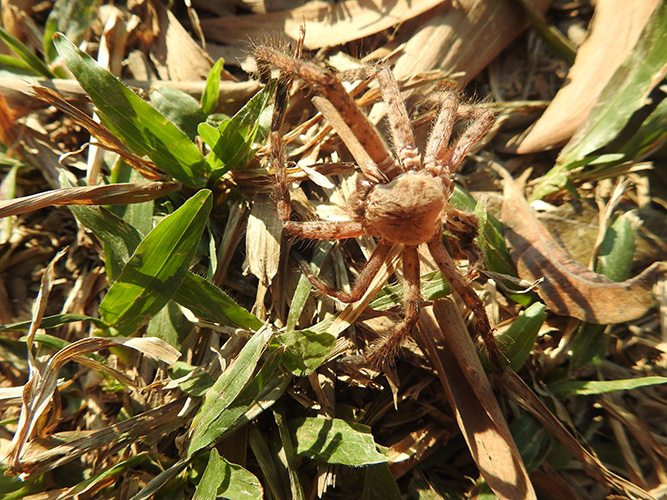
Their bodies are flattened like living leaves, allowing them to slip into narrow crevices and vanish from sight with ease.
Species of Australian Huntsman Spiders
Australia is home to more than 90 species of huntsman spiders, all belonging to the family Sparassidae.
| Common Name | Scientific Name | Notes |
|---|---|---|
| Badge Huntsman | Neosparassus spp. | Often marked with bold patterns |
| Brown Huntsman | Heteropoda jugulans | Found mainly in northern Australia |
| Social Huntsman | Delena cancerides | Lives in cooperative family groups |
| Cane Spider | Heteropoda venatoria | Introduced spider found in Australian homes and tropical areas |
Longevity
For spiders, huntsmen live relatively long lives:
- Average lifespan: 2–3 years
- Females often live longer than males
- Males may die soon after mating
Their slower life cycle reflects their size, patience and active hunting style.
Breeding and Life Cycle
Breeding usually occurs during the warmer months.
The male approaches the female carefully, tapping her legs in a delicate rhythm to avoid being mistaken for prey. After mating, the female produces a flat silk egg sac, containing up to 200 eggs. She guards it fiercely, often refusing to eat.
When the spiderlings hatch, they remain briefly with their mother before dispersing after their first moult — a moment when the forest gains dozens of tiny hunters.
What Huntsman Spiders Eat
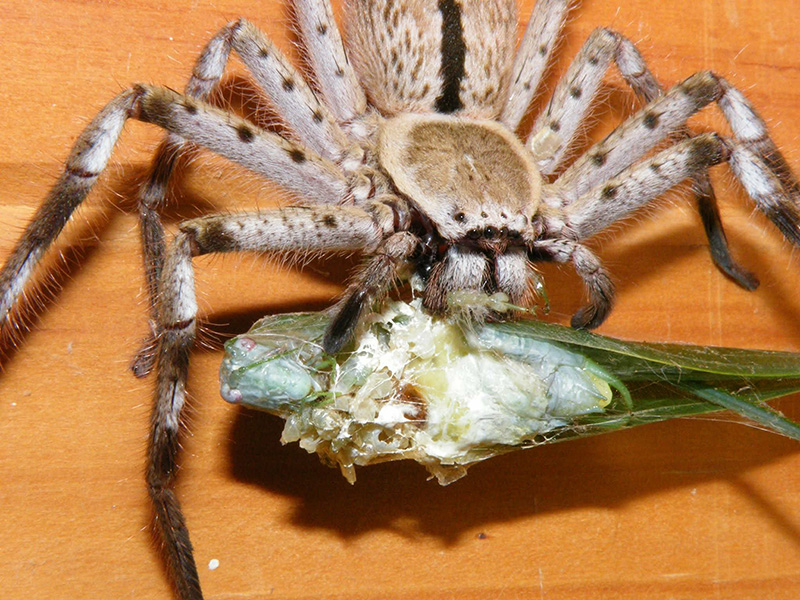
Huntsman spiders are active predators, not web builders.
Their diet includes:
- Cockroaches
- Moths
- Crickets
- Beetles
- Other spiders
In and around homes, they act as quiet, natural pest controllers.
How They Hunt
Rather than waiting in webs, huntsman spiders:
- Ambush or chase their prey
- Rely on speed and excellent eyesight
- Use powerful legs to pin prey before delivering a bite
Their sudden movements can be startling, but they are the result of a finely tuned hunting strategy shaped by millions of years of evolution.
Venom and Safety
Huntsman spiders are venomous, but:
- Their venom is not dangerous to humans
- Bites are rare and usually defensive
- Symptoms may include:
- Localised pain
- Mild swelling
- Redness
Serious reactions are extremely uncommon.
Indigenous Knowledge and Cultural Connections
In many Aboriginal cultures, spiders are respected as teachers and creators.
They appear in storytelling and songlines as symbols of:
- Patience
- Creativity
- The weaving of life
While specific huntsman stories vary between Nations, large ground-dwelling spiders were carefully observed as part of seasonal knowledge, reflecting a deep understanding of their role in maintaining balance on Country.
Interesting Facts About Huntsman Spiders
- They do not build capture webs
- They can turn their bodies without moving their legs
- They sometimes enter homes to escape heat or storms
- The social huntsman lives in cooperative family groups — rare among spiders
- Some huntsman spiders grow to astonishing sizes
The Record Huntsman Spider — Fact and Perspective
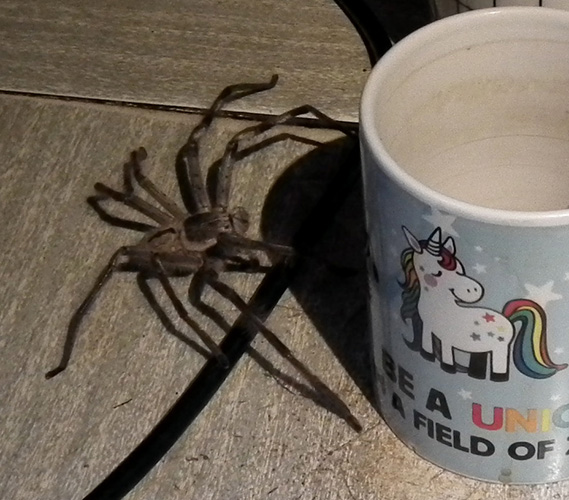
Stories of enormous huntsman spiders are common in Queensland, where people frequently encounter very large individuals. The widest spider ever scientifically measured belongs to the huntsman species Heteropoda maxima.
Record Size
- Leg span: up to 30 centimetres
- Body length: approximately 4.6 centimetres
With legs stretching wider than a dinner plate, it holds the record for the largest leg span of any spider.
Scientific Context
- Species: Heteropoda maxima
- Family:
Sparassidae - Described: 2001
Although this species was formally described from Laos, huntsman spiders found in Queensland can reach comparable sizes, making Australia home to some of the largest spiders most people will ever encounter.
Important clarification:
Australia does not hold the official measurement record, but Queensland huntsman spiders are among the largest commonly seen anywhere in the world.
Why Size Matters in Nature
The huntsman’s broad leg span allows it to:
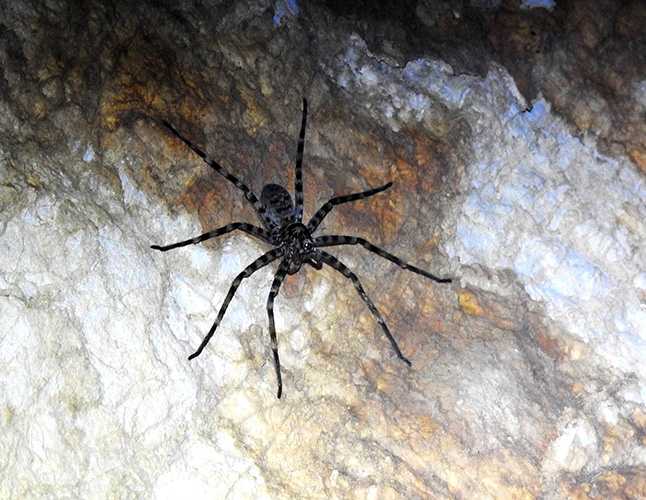
- Move effortlessly across tree trunks and rock faces
- Grip prey with speed and precision
- Navigate complex forest and woodland surfaces
Despite their size, huntsman spiders are shy and non-aggressive, far more likely to flee than fight.
Why Huntsman Spiders Matter
Huntsman spiders are quiet guardians of Australia’s ecosystems:
- They help control insect populations
- They indicate healthy environments
- They remind us that fear often fades with understanding
By learning to coexist with these gentle giants, we take a small but meaningful step towards respecting and protecting Australia’s extraordinary wildlife.
Photo Gallery