"Cross spiders"
Cross Spiders of Australia
(Garden Orb-Weavers – Family Araneidae)
As evening cools the air in Australian gardens, a fine shimmer often appears between fence posts or shrubs. By morning, the web may be gone—but the builder, a cross spider, is likely resting nearby. These spiders are among Australia’s most familiar and quietly impressive web architects.
What Are “Cross Spiders”?
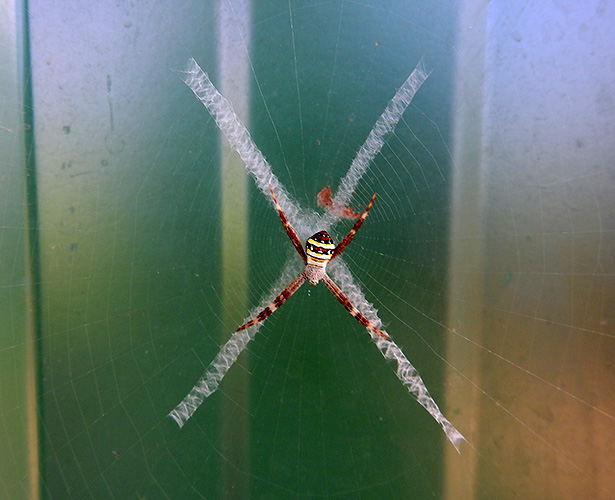
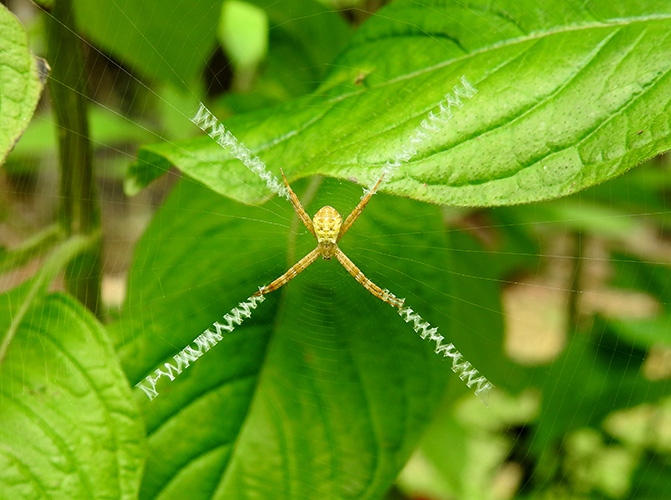
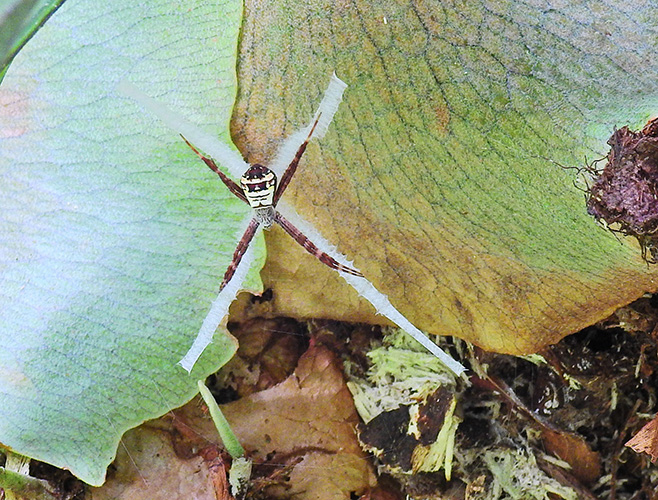
In Australia, cross spide rare named for their bright, cross-shaped web decorations. They belong to the family Araneidae, a large group of spiders known for their circular, wheel‑shaped webs.
Where They Are Found
Cross spiders occur throughout Australia, particularly in:
- Suburban gardens and parks
- Bushland edges and open forests
- Around lights, where flying insects gather
- Fences, shrubs, vegetable patches, and eaves
They thrive where there is:
- Open space for web building
- A steady supply of flying insects
- Vegetation or structures for anchoring silk
Common Australian “Cross Spider” Species & Groups
Several native species are commonly called cross spiders:
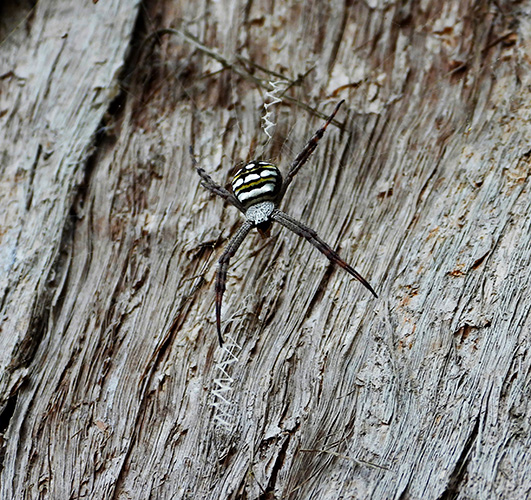
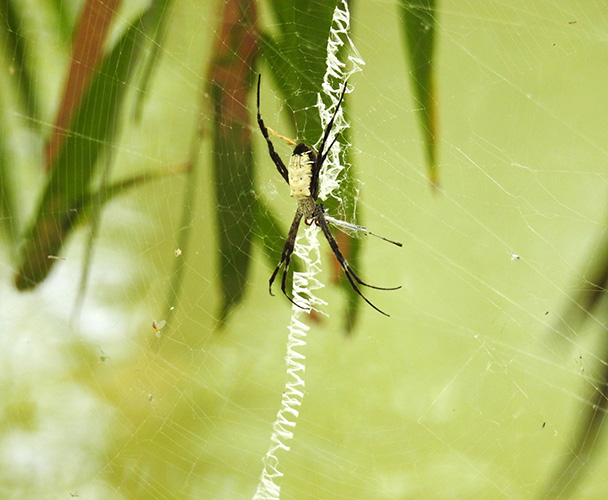
St Andrew’s Cross Spiders — Argiope spp.
- Named for the X‑shaped posture they adopt in the centre of their web
- Often boldly coloured (silver, yellow, black)
- Common in gardens and grassy areas
Garden Orb‑Weavers — Eriophora spp.
- Large, robust spiders
- Often hide during the day and build webs at dusk
- Some species show pale cross‑like abdominal markings
*Hortophoraspp.** *(recently separated fromEriophora`)
- Includes many of Australia’s classic night‑web builders
- Variable patterns, sometimes interpreted as a “cross”
Educational note: “Cross spider” is a common name, not a scientific category. Multiple species may be labelled this way depending on region and appearance.
Longevity (Life Span)
- Most cross spiders live about 1 year
- Females usually live longer than males
- Many complete their life cycle within a single season, maturing in warmer months
Breeding & Life Cycle
Courtship
- Males approach carefully, plucking web threads in a rhythmic pattern
- This reduces the risk of being mistaken for prey
Egg laying
- Females produce one or more silken egg sacs
- Egg sacs are hidden in rolled leaves, bark crevices, or sheltered corners
- The female often dies weeks after laying eggs
Spiderlings
- Hatch weeks or months later, depending on temperature
- Disperse using ballooning—releasing silk threads to catch the wind
What They Eat
Cross spiders feed almost entirely on flying insects, including:
- Flies
- Mosquitoes
- Moths
- Beetles
- Wasps and bees
They are important natural pest controllers, especially in gardens and agricultural areas.
How They Hunt
Cross spiders are web‑based ambush predators.
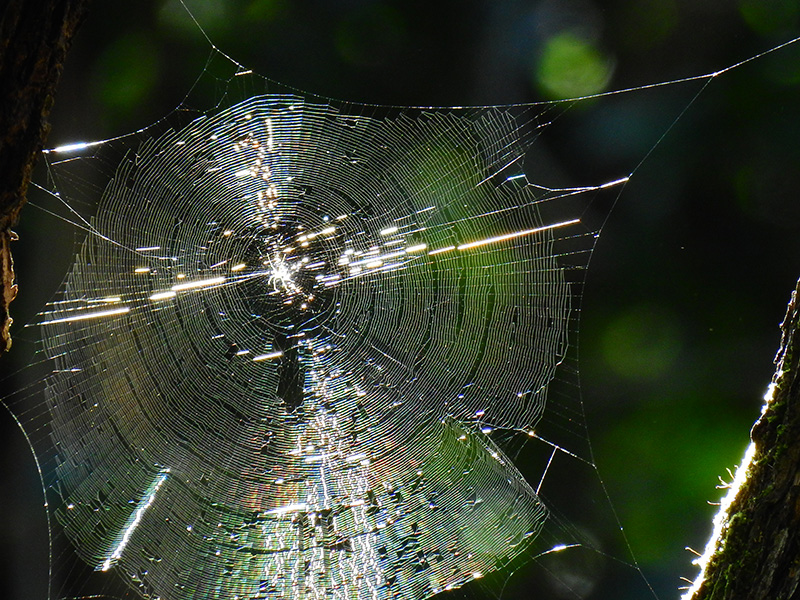
- They spin a circular orb web using different types of silk
- Sticky spiral threads trap flying insects
- Vibrations alert the spider instantly
- The spider rushes out, bites the prey, and wraps it in silk
Many species:
- Rebuild their webs nightly
- Eat the old web to recycle protein
Venom & Safety
Are cross spiders dangerous to humans?
No. Their venom is designed for insects.
- Bites are rare
- Usually result in mild, localised pain or redness, if felt at all
- Most people are bitten only if a spider is trapped against skin
Cross spiders are non‑aggressive and will retreat if disturbed.
Interesting Facts
- Their silk is among the strongest natural fibres by weight
- Some species adjust web tension depending on wind conditions
- St Andrew’s Cross spiders add thicker silk decorations (
stabilimenta) which may:- Deter birds
- Attract insects
- Warn large animals to avoid the web
- Males are often tiny compared to females, sometimes living on the edge of her web.
Conservation & Coexistence
Cross spiders are beneficial garden residents. Leaving webs intact—even briefly—supports insect balance and local biodiversity.
Photo Gallery