Australian Centipedes
Australian Centipedes
Fast‑moving hunters of the forest floor
Beneath fallen leaves and within the cool darkness of rotting logs, Australian centipedes move silently through a hidden world. Often glimpsed only for a moment before disappearing into the soil, these ancient invertebrates are skilled hunters and an important part of Australia’s natural ecosystems.
Though they may appear unsettling to some, centipedes are not aggressive animals. Their speed, secrecy and venom are tools for survival — not for attacking people.
What Is a Centipede?
Centipedes are invertebrates belonging to the class Chilopoda. They are easily recognised by their long, flattened bodies and quick, flowing movement.
Key Features
- One pair of legs on each body segment
- A flexible, segmented body built for speed
- Highly sensitive antennae
- Modified front legs called
forcipules(also known as toxicognaths)
These forcipules are used to inject venom into prey.
Venom and Human Safety
All centipedes are venomous predators. They use venom to subdue insects, spiders and other small animals they hunt at night.
Centipedes deliver venom through their forcipules, which are modified legs, not fangs. This is an important distinction and a fascinating example of how invertebrates evolve specialised body parts.
For humans:
- Bites (often described as stings) can be painful
- Pain is usually local and short‑lived
- Swelling and redness are common
- Serious medical reactions are rare
Bites typically occur only when a centipede is handled, trapped, or accidentally pressed against skin. In natural settings, centipedes prefer to flee rather than defend themselves.
Breeding and Life Cycle
Centipede breeding takes place in moist, sheltered environments where eggs are protected from drying out.
Mating and Egg Care
- Males deposit a packet of sperm called a
spermatophore - Females collect this to fertilise their eggs
- Eggs are laid in small clusters in soil or rotting wood
In many Australian species, the female coils her body around the eggs, guarding them carefully. This behaviour helps prevent moisture loss and protects the eggs from predators and fungi.
Growing Up
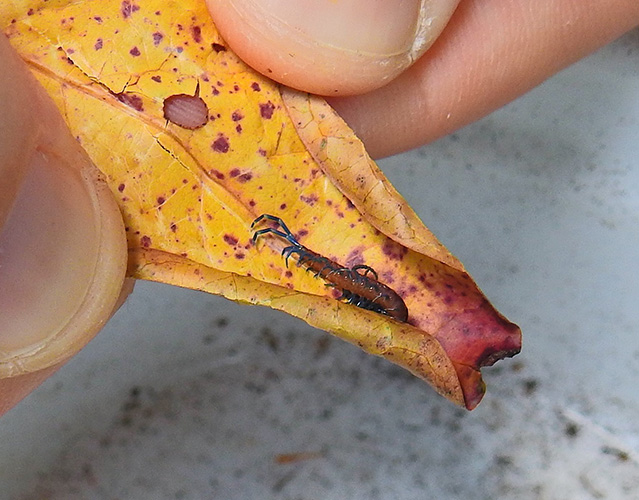
- Young centipedes hatch with fewer legs than adults
- They resemble small, pale versions of their parents
- With each moult, they gain more body segments and legs
Full maturity may take several years, depending on the species and environmental conditions.
Australian Centipede Species
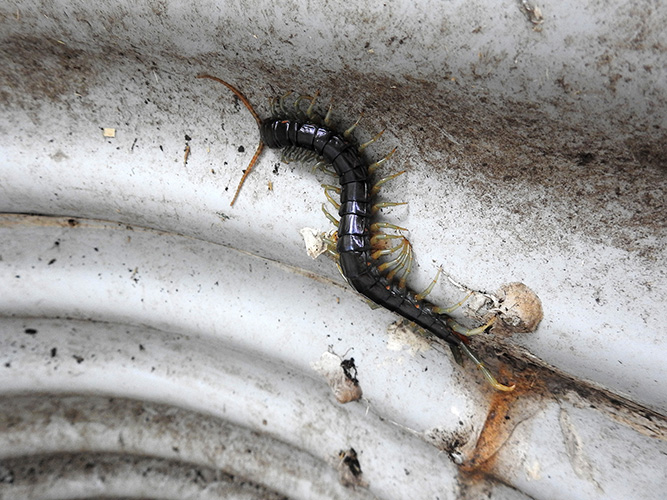
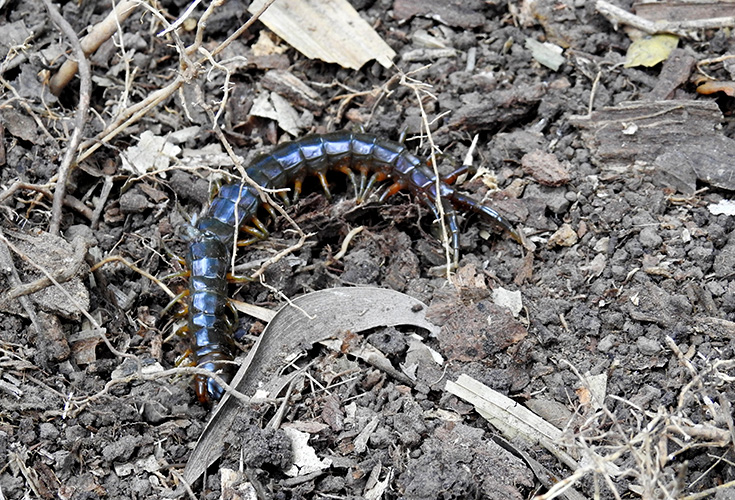
Australian Giant Centipede (Ethmostigmus rubripes)
- One of the largest centipedes in Australia
- Can grow over 15 centimetres long
- Reddish‑brown body with yellow legs
- Females are known for strong egg‑guarding behaviour
🌱 Soil and Leaf‑Litter Centipedes
- Smaller, less visible species
- Live beneath the surface in damp soil
- Rarely seen, but extremely common
Habitat and Behaviour
Australian centipedes are found in:
- Forests and woodlands
- Bushland and grasslands
- Gardens with leaf litter and mulch
They are:
- Mostly nocturnal
- Solitary
- Highly sensitive to drying out
During the day, they shelter beneath logs, rocks and soil.
What Do Centipedes Eat?
Centipedes are carnivores that feed on:
- Insects
- Spiders
- Worms
- Small reptiles or amphibians (large species only)
By controlling invertebrate populations, they help maintain ecological balance.
Why Australian Centipedes Matter
Centipedes are part of the natural recycling and control systems that keep ecosystems healthy. Their presence indicates:
- Healthy soil
- Stable moisture levels
- Diverse invertebrate communities
Though rarely noticed, they are an essential link in Australia’s food webs.
Conservation Note
Centipedes rely on undisturbed soil, leaf litter and fallen logs for shelter and breeding. Leaving natural debris in gardens and bushland helps protect not only centipedes, but countless other invertebrates that share the same hidden world.
Quick Facts
- All centipedes are venomous
- Venom is delivered through modified legs called forcipules
- Bites are painful but rarely dangerous to humans
- Females may guard eggs for weeks
- Centipedes have existed for over 400 million years.
Photo Gallery