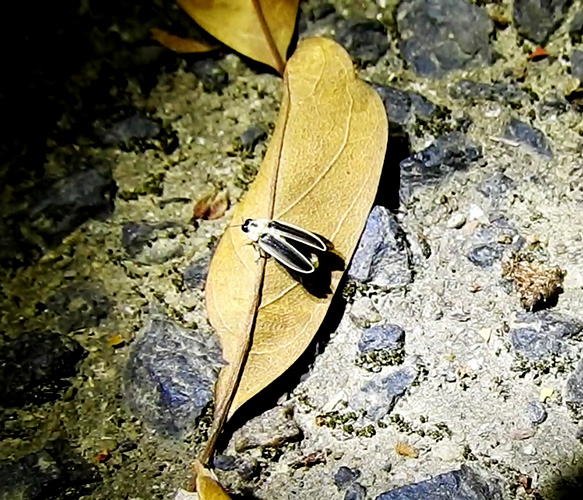
Firefly
Fireflies of Australia
Living Lights of the Night – and How We Can Protect Them
As the sun sinks below the horizon and the bush grows quiet, tiny pulses of greenish light begin to flicker among grasses and along creek banks. These gentle flashes belong to Australian fireflies, small beetles whose glow tells a much bigger story—one about healthy ecosystems, dark skies, and our responsibility to care for the natural world.
What Is a Firefly?
Fireflies are bioluminescent beetles, not flies. They belong to the beetle family Lampyridae and are famous for their ability to produce light using a natural chemical reaction inside their bodies.
Key Facts
- Order: Coleoptera
- Family:
Lampyridae - Size: 5–25 mm
- Activity: Nocturnal
- Glow colour: Yellow-green (most Australian species)
Fireflies in Australia
Australia has at least 25 described firefly species, with more likely awaiting discovery. They are far less common than in parts of Asia or the Americas, making sightings especially special.
Distribution & Habitat
Fireflies rely on moist, undisturbed environments and are found mainly along Australia’s east and north.
Typical habitats include:
- Subtropical and tropical forests
- Wetlands and mangroves
- Creek lines and riverbanks
- Damp grasslands and forest margins
States with known populations:
- Queensland
- New South Wales
- Victoria
- Parts of Western Australia
How Fireflies Produce Light
Fireflies glow using bioluminescence, a highly efficient chemical reaction.
The Bioluminescent Process
The light is produced when:
luciferinreacts with oxygen- The enzyme
luciferaseis present - Energy from ATP is used
This creates light without heat, making it one of the most efficient natural light sources known.
Why Do Fireflies Flash?
Firefly light is a form of visual communication.
Reasons for Flashing
- Mating Signals
- Each species has its own flash pattern.
- Males flash while flying; females respond from vegetation or the ground.
- Predator Warning
- The glow signals that fireflies taste unpleasant and may be toxic.
- Species Recognition
- Prevents cross‑breeding between species.
Life Cycle of an Australian Firefly
Fireflies undergo complete metamorphosis, with four life stages.
Egg
- Laid in damp soil or leaf litter
- Some eggs glow faintly
Larva (Glow-worm Stage)
- Predatory, feeding on snails, slugs and worms
- Can glow continuously
- This stage may last months to over a year
Pupa
- Found in soil or under bark
- May still emit a soft glow
Adult
- Lives for only a few weeks
- Focused on reproduction
- Some adults do not feed at all
Fireflies and Australian Glow-worms
Fireflies are often confused with glow-worms, but they are different insects.
| Feature | Firefly | Glow-worm |
|---|---|---|
| Adult form | Beetle | Fly (non-glowing adult) |
| Larval glow | Yes | Yes |
| Habitat | Wet forests, grasslands | Caves, rainforest banks |
| Famous sites | Bushland, wetlands | Blue Mountains glow-worm caves |
Why Fireflies Need Our Help
Fireflies are highly sensitive to environmental change, making them powerful indicators of ecosystem health.
Major Threats
- Loss of wetland and forest habitats
- Drainage of creeks and swamps
- Light pollution disrupting mating signals
- Pesticides and insecticides
- Climate change altering rainfall patterns
When fireflies disappear, it often signals deeper ecological damage.
Conservation Call to Action: How You Can Help Fireflies
1. Protect the Night Sky
Artificial light can confuse or prevent fireflies from finding mates.
What you can do:
- Use outdoor lighting only when necessary
- Install motion sensors and warm, low‑intensity lights
- Turn lights off near creeks, wetlands and bushland
A darker night is essential for firefly survival.
2. Care for Wet Habitats
Fireflies depend on moisture throughout their life cycle.
Actions to take:
- Protect natural waterways and wetlands
- Avoid draining or filling damp areas
- Leave leaf litter and fallen logs undisturbed
3. Avoid Chemicals
Firefly larvae live in soil and are vulnerable to toxins.
Choose safer options:
- Avoid pesticides and herbicides in gardens
- Use natural pest control methods
- Support organic and wildlife‑friendly land practices
4. Create Firefly‑Friendly Gardens
Even small spaces can help.
Firefly‑friendly features include:
- Native plants
- Mulch and leaf litter
- Shaded, damp corners
- Access to water without chemicals
5. Observe, Don’t Disturb
Fireflies are delicate and easily stressed.
Responsible viewing tips:
- Never capture fireflies
- Avoid using camera flashes
- Watch quietly and allow them to continue their natural behaviour
6. Support Conservation & join Citizen Science
Knowledge helps protect what we love.
Get involved by:
- Supporting local conservation groups
- Reporting firefly sightings to citizen science projects
- Sharing accurate information with others
Fascinating Firefly Facts
- Fireflies have existed for over 100 million years.
- Their light is almost 100% energy efficient.
- Some species can synchronise their flashes.
- The enzyme
luciferaseis used in modern medical research. - Fireflies often indicate clean water and healthy ecosystems.
A Shared Responsibility
Fireflies do not ask for much—clean water, dark nights, and healthy land. By protecting these gentle conditions, we preserve not only their soft glow, but the intricate web of life that surrounds them.
Their light is a reminder that conservation does not always begin with grand gestures—sometimes, it starts by simply turning off a light and letting the night breathe.
Photo Gallery