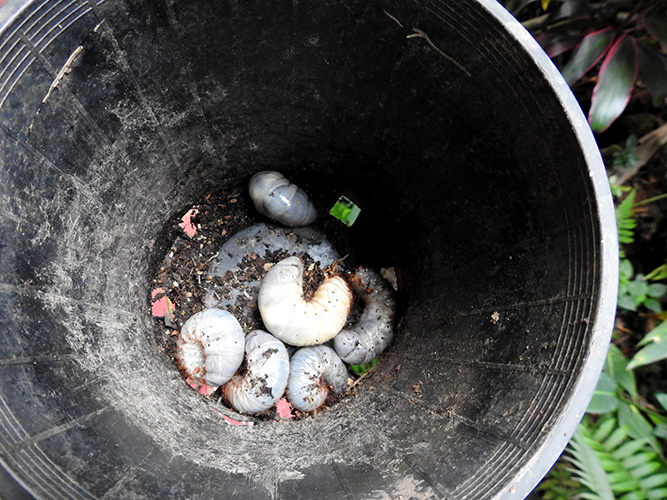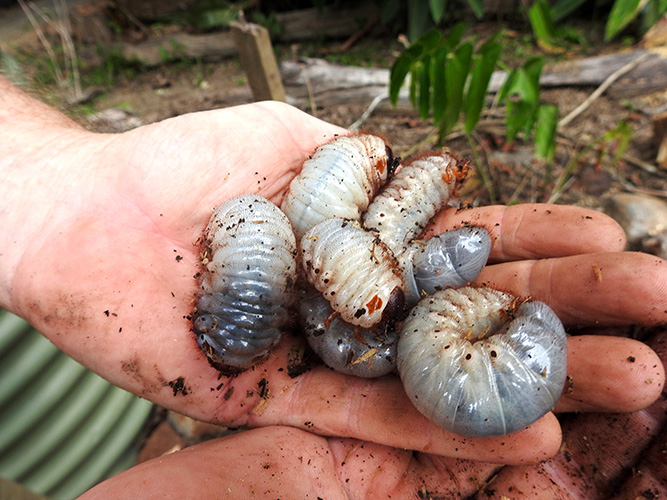
Witchety grub
Witchetty Grub: Hidden Life Beneath Australian Soil
Long before roads crossed the interior of Australia, and long before written science tried to name and classify every creature, people knew to look beneath the roots.
If you watched closely — at the base of a wattle, along a river red gum, or where the soil gently cracked after rain — you might find one of Australia’s most important and misunderstood creatures: the witchetty grub.
What Is a Witchetty Grub?
The witchetty grub (also spelled witchety or witjuti grub) is not a single species. It is a term used in Australia for the large, white, wood‑eating larvae of several insects, especially when they are considered as food.
Most commonly, the name refers to the larva of the cossid moth Endoxyla leucomochla, but it can also include the larvae of:
This broad usage is important: “witchetty grub” is a cultural and ecological term, not a strict scientific category (en.wikipedia.org).
Where Witchetty Grubs Are Found
Witchetty grubs are most abundant in arid and semi‑arid Australia, but they are not restricted to deserts.
Their true distribution follows host plants, not climate alone.
They occur wherever suitable trees and shrubs grow, including:
- Arid and semi‑arid regions of the Northern Territory, South Australia and inland Western Australia
- Open woodlands dominated by Acacia (wattle) species
- Riparian zones along rivers, especially where river red gums grow
- Other parts of mainland Australia, where related wood‑boring larvae are also known and traditionally eaten
Scientific records and museum collections confirm that larvae commonly called “witchetty grubs” occur across all mainland states, depending on host species (lochmantransparencies.com).
The Plants They Depend On
The best‑known association is with the witchetty bush (Acacia kempeana), from which the grub takes its English name. However, witchetty grubs may also feed on:
- Other Acacia species, such as Acacia ligulata
- Eucalyptus species, including river red gum (Eucalyptus camaldulensis)
Because these plants grow in many habitats, the grubs do too (en.wikipedia.org).
A Life Spent Underground
The life of a witchetty grub is slow and hidden.
- Eggs are laid near the base of host plants
- The larva burrows into roots or lower trunks, feeding on wood and sap
- This larval stage can last many months, sometimes years
- Pupation occurs underground or inside the plant
- The adult moth emerges briefly, living only long enough to reproduce
Adult Endoxyla moths do not feed at all, relying entirely on energy stored during their grub stage (en.wikipedia.org).
A Staple Food — Especially in the Desert
Witchetty grubs are described as the most important insect food of the desert, not because they only live there, but because they were most vital to survival in arid environments.
For Aboriginal Australians, they have been a reliable, nutrient‑dense food source for tens of thousands of years.
They are rich in:
- Protein
- Healthy fats
- Iron and zinc
- Essential vitamins and minerals
In desert regions, where other fats and proteins were scarce, witchetty grubs were especially valuable (pubmed.ncbi.nlm.nih.gov).
How Witchetty Grubs Are Eaten
Traditionally, witchetty grubs are eaten:
- Raw — soft, with a mild, nutty flavour
- Lightly cooked in ashes or on coals — the skin crisps while the inside becomes fluffy
Cooking improves flavour and digestibility and is still preferred by many people today.
Names, Language and Knowledge
Different Aboriginal language groups have their own names, reflecting deep ecological understanding:
- Arabana: mako witjuti
mako = grub, witjuti = the shrub - Ngalea: mako wardaruka (grubs of Acacia ligulata)
- Pitjantjatjara: maku
These names often refer to the host plant, not the insect alone — a reminder that witchetty grubs are understood as part of a living system, not an isolated species (pubmed.ncbi.nlm.nih.gov).
More Than a Grub
Witchetty grubs appear in stories, songlines and art, and harvesting them requires careful observation, respect for Country and sustainable practice. Knowledge of where and when to find them reflects generations of land stewardship.
Why Witchetty Grubs Matter Today
The witchetty grub teaches a powerful lesson:
- Food comes from relationships, not just places
- Cultural importance does not always match scientific labels
- Healthy ecosystems begin below the surface, where roots, insects and soil quietly support life above
Hidden in the earth, the witchetty grub connects ecology, culture and survival — a small creature with an enduring story.
Photo Gallery