BAILLON'S CRAKE
The Tiny Wetland Ghost: Baillon’s Crake
Hidden deep within the tangled reeds and marsh grasses of Australia’s wetlands lives one of the smallest and most secretive birds in the country — Baillon’s Crake (Zapornia pusilla). Rarely seen and easily overlooked, this tiny rail moves quietly through dense vegetation, appearing only briefly before slipping back into cover.
Because of its shy nature and preference for thick wetland habitats, many people may never notice this bird, even if it lives in the marsh just metres away. For patient birdwatchers, however, spotting Baillon’s Crake is a special reward.
What Does Baillon’s Crake Look Like?
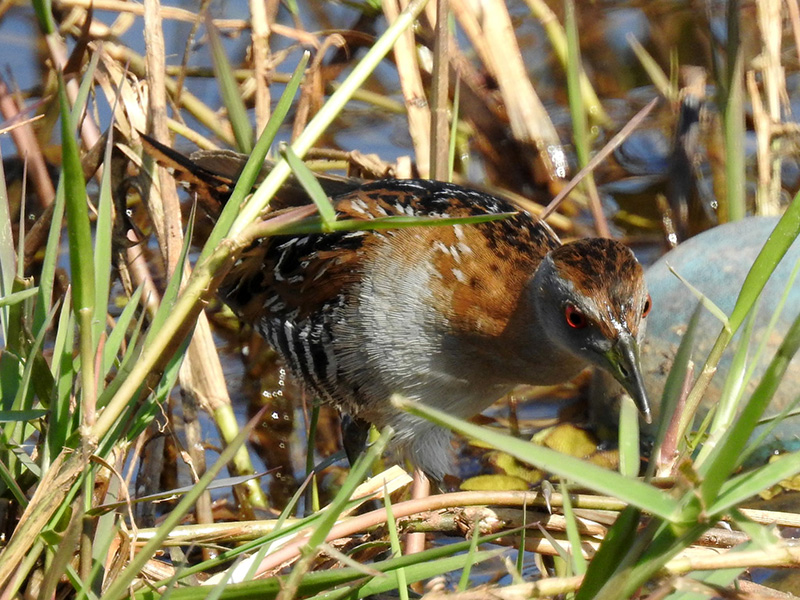
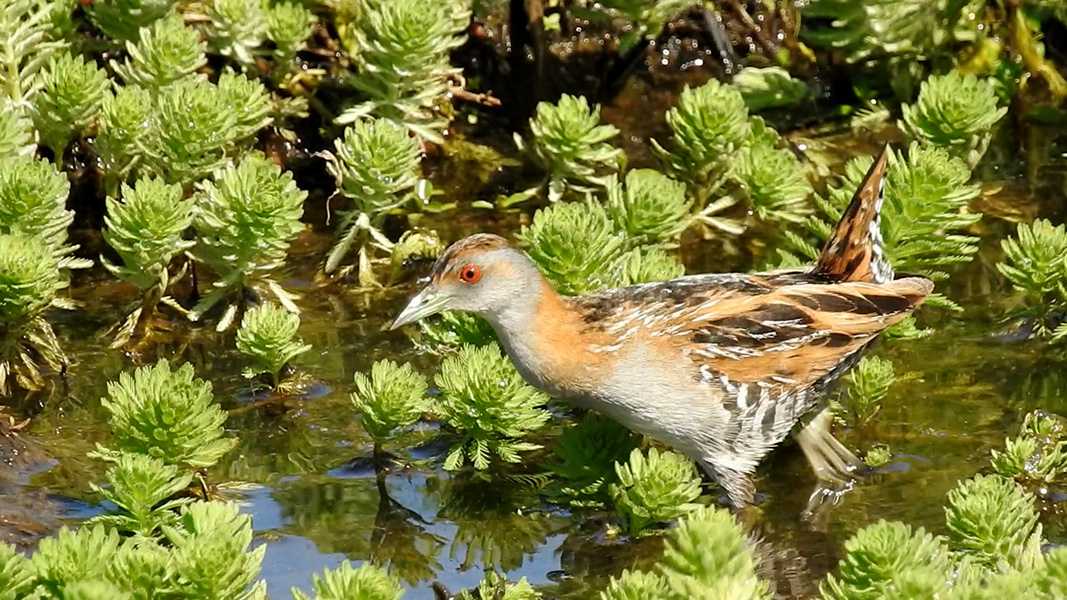
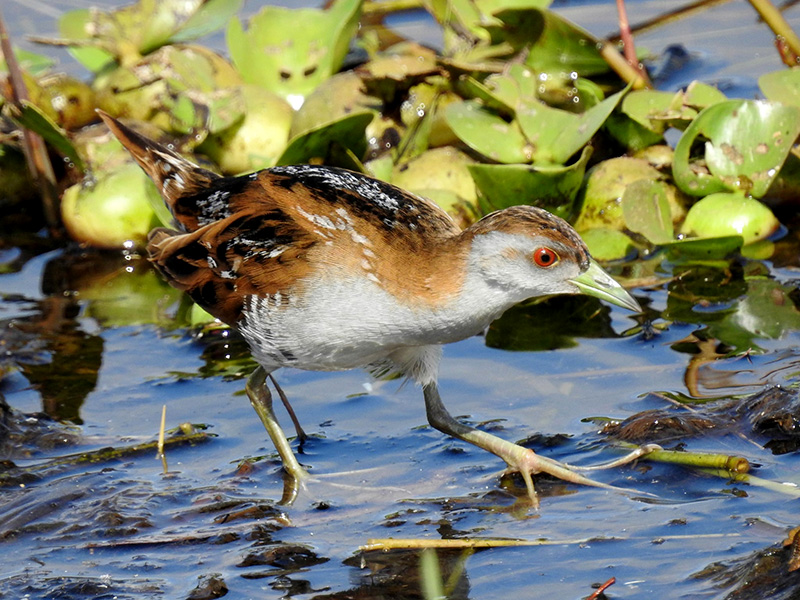
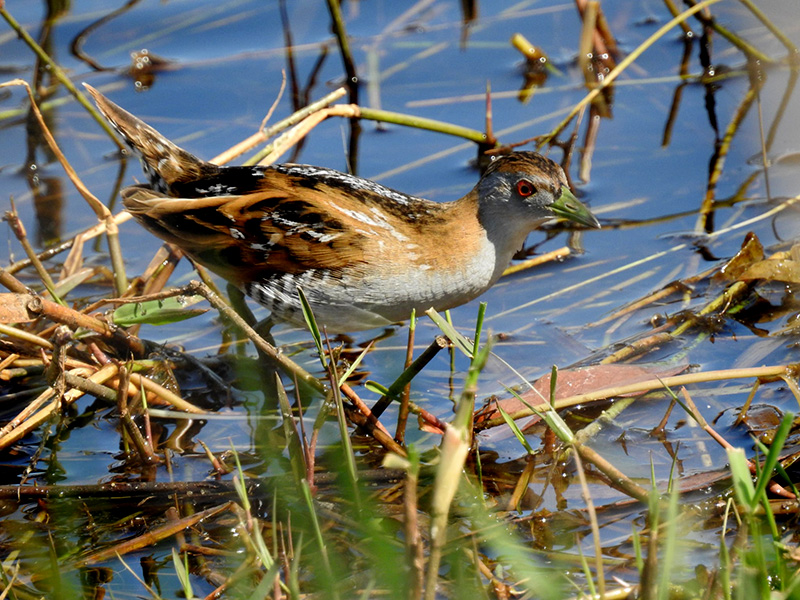
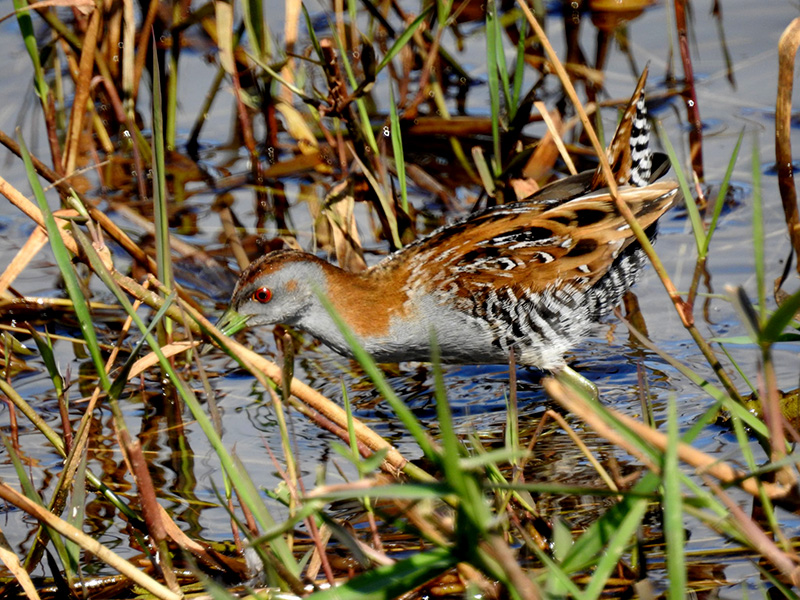
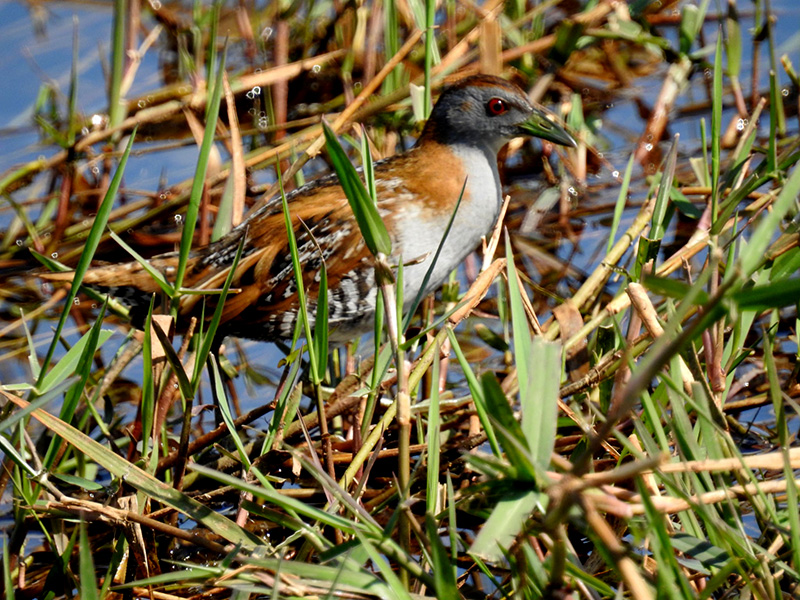
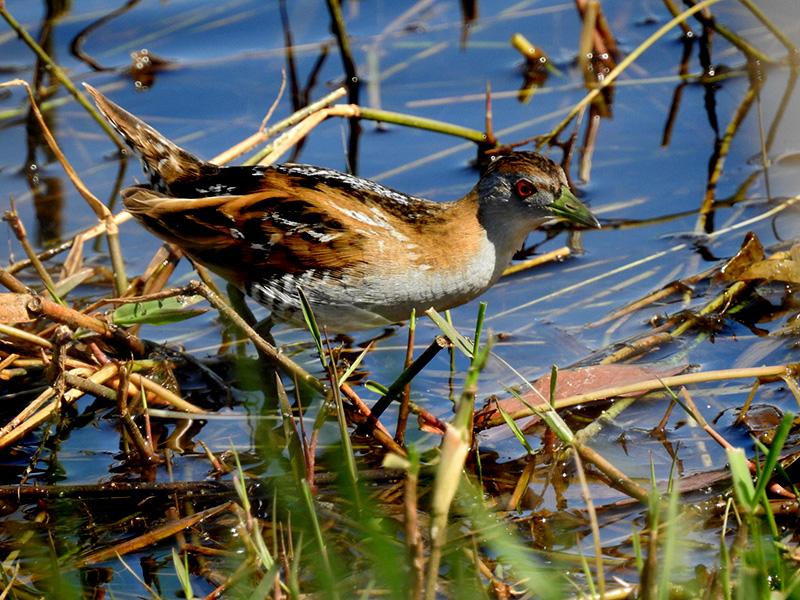
Baillon’s Crake is one of the smallest rails in Australia, measuring only 16–18 centimetres long.
Despite its small size, it has beautiful and distinctive markings:
- Upper body: Olive‑brown to dark brown with small white spots scattered across the back and wings.
- Face and throat: Greyish with subtle mottling.
- Underparts: Grey to bluish‑grey with fine white barring along the flanks.
- Bill: Short and greenish‑yellow.
- Legs: Long and greenish, perfect for moving through reeds and shallow water.
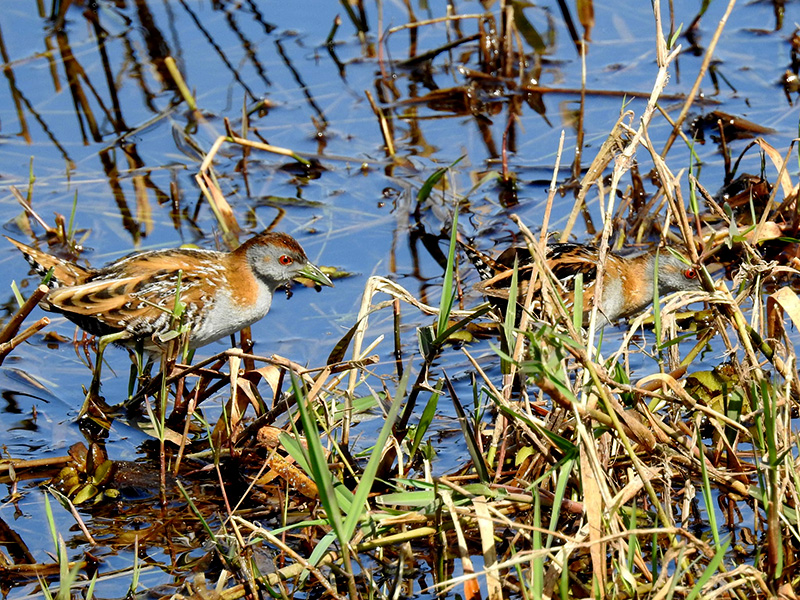
Their small body and cryptic colouring help them blend into their wetland surroundings.
Habitat and Distribution
Baillon’s Crake occurs across a wide geographic range that includes parts of Europe, Africa, Asia, and Australia. Within Australia it appears in suitable wetland habitats across much of the continent, although it is never abundant and often difficult to detect.
Preferred habitats include:
- shallow freshwater wetlands
- reedbeds and sedge marshes
- flooded grasslands
- swamps and billabongs
- edges of lakes with dense vegetation
These birds rely heavily on thick cover to remain safe from predators.
Feeding Habits
Baillon’s Crake is an opportunistic omnivore that feeds mainly on small invertebrates.
Typical foods include:
- insects and insect larvae
- small crustaceans
- worms
- snails
- seeds and aquatic plant material
They forage quietly along muddy edges or among floating plants, picking prey from the water surface or probing into the mud. Their long toes allow them to walk across floating vegetation without sinking.
The birds are most active during early morning, evening, and nighttime, which further contributes to how rarely they are seen.
Breeding and Nesting
Baillon’s Crakes usually breed when wetlands contain plenty of water and food.
- Nest location: hidden in thick reeds or grass close to the water
- Nest structure: a small cup made from grasses and plant stems
- Eggs: typically 5–7 small eggs marked with brown speckles
- Incubation: about three weeks
- Parental care: both parents incubate the eggs and protect the chicks
The chicks hatch covered in black down and quickly begin following their parents through the vegetation.
Longevity
Due to their secretive lifestyle, the exact lifespan of Baillon’s Crake in the wild is not fully known. However, like many small rail species, they are believed to live around 5 to 8 years when conditions are favourable.
Indigenous Connections
Wetland birds such as crakes have long been part of the ecosystems managed and understood by First Nations peoples throughout Australia. Their presence in reedbeds and marshlands reflects the health and productivity of these important environments.
Traditional ecological knowledge recognises the behaviour and seasonal movements of waterbirds as indicators of rainfall patterns, water levels, and the condition of wetlands. While specific traditional names for Baillon’s Crake vary among language groups and are not widely recorded in publicly available sources, the bird forms part of the broader wetland communities that have been observed and respected for thousands of years.
Conservation Status and Threats
Baillon’s Crake is currently classified globally as a species of Least Concern, but its populations depend heavily on healthy wetlands.
Major threats include:
- loss of wetlands through drainage or development
- pollution and poor water quality
- habitat disturbance
- introduced predators such as cats and foxes
Because they rely on dense vegetation and shallow water, even small changes in wetland conditions can affect their survival.
How You Can Help
Protecting wetland ecosystems benefits Baillon’s Crake and many other species.
You can help by:
- supporting wetland conservation efforts
- protecting natural vegetation around waterways
- reducing pollution entering rivers and lakes
- keeping pets away from sensitive wetland habitats
Why Baillon’s Crake Matters
Though tiny and seldom seen, Baillon’s Crake is an important part of wetland ecosystems. By feeding on insects and other small animals, it helps maintain the natural balance within marsh habitats.
Its quiet presence reminds us that some of Australia’s most fascinating wildlife lives hidden in the reeds, thriving in the delicate environments that wetlands provide.
Scientific References
- BirdLife Australia – Baillon’s Crake species profile
- Australian Museum – Baillon’s Crake information
- Pizzey, G. & Knight, F. The Field Guide to the Birds of Australia
- Department of Climate Change, Energy, the Environment and Water – Wetland bird information
- Wikipedia – Zapornia pusilla (Baillon’s Crake)
Photo Gallery