Orange Lacewing Butterfly
Cethosia penthesilea
The Forest Drifter: Orange Lacewing
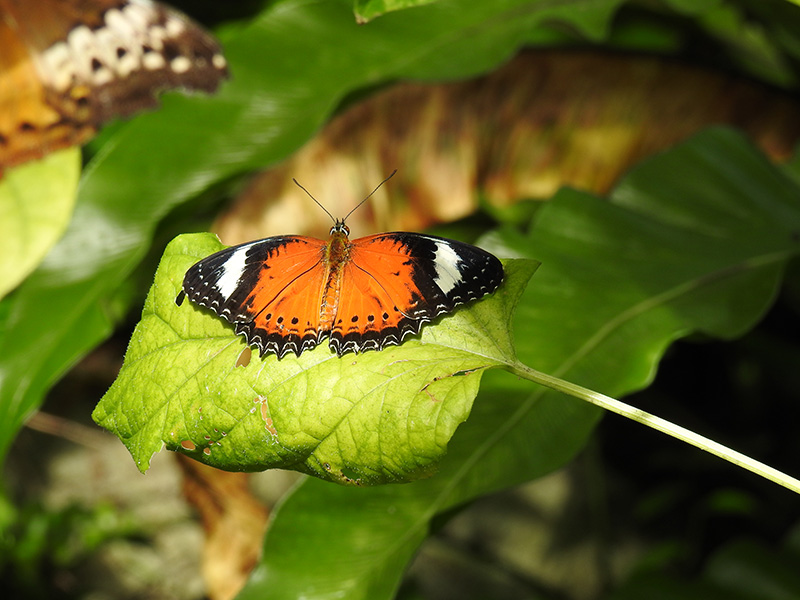
Among the tropical forests of northern Australia lives one of the most striking butterflies in the region — the Orange Lacewing (Cethosia penthesilea). With its vivid orange wings, bold black patterns, and beautifully scalloped edges, this butterfly is often considered one of the most decorative species in the Australian tropics.
Although it may appear delicate, the Orange Lacewing is a hardy forest species that thrives in warm rainforest environments. Its bright colours and distinctive wing patterns make it a favourite among butterfly watchers and photographers exploring northern Australia’s rainforests.
What Does the Orange Lacewing Look Like?
The Orange Lacewing is a medium‑sized butterfly with a wingspan of around 70–80 millimetres.
It is instantly recognisable because of its dramatic wing pattern:
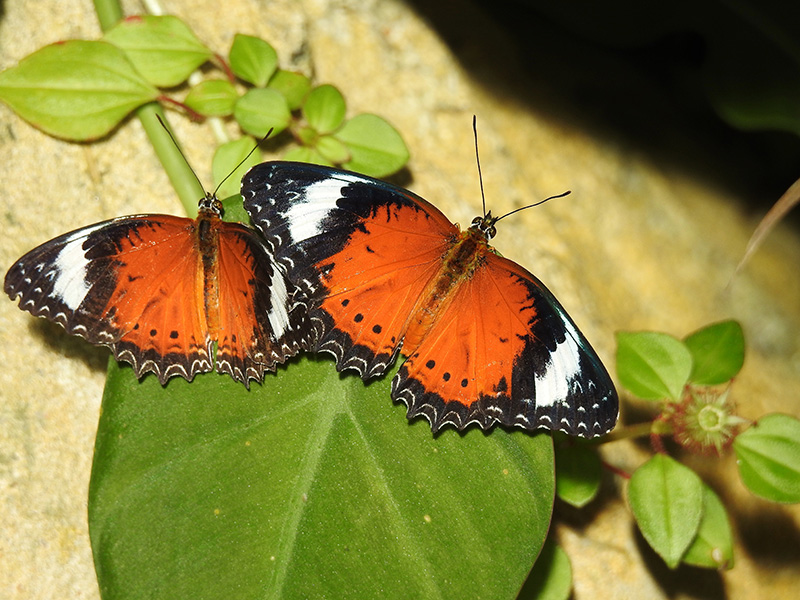
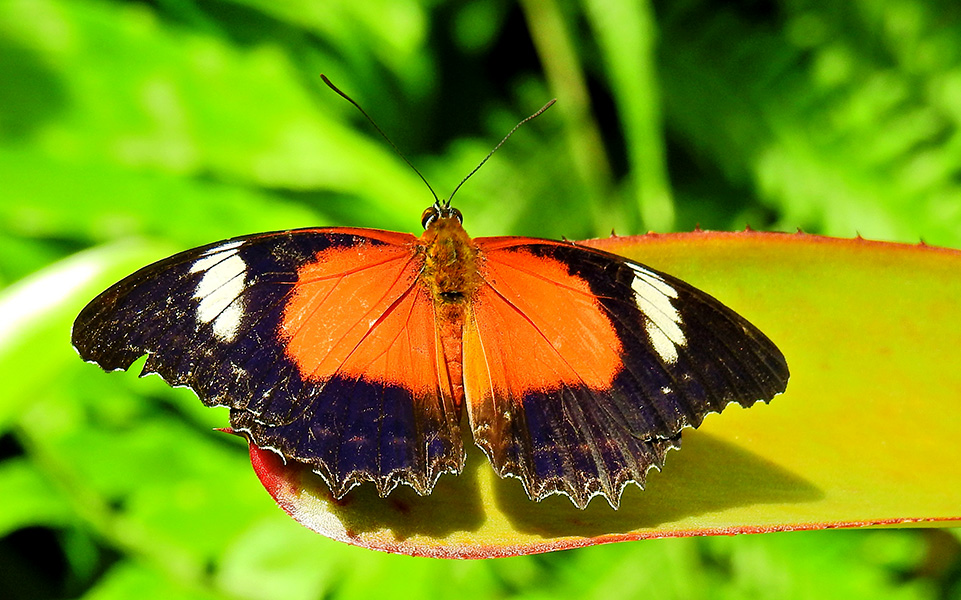
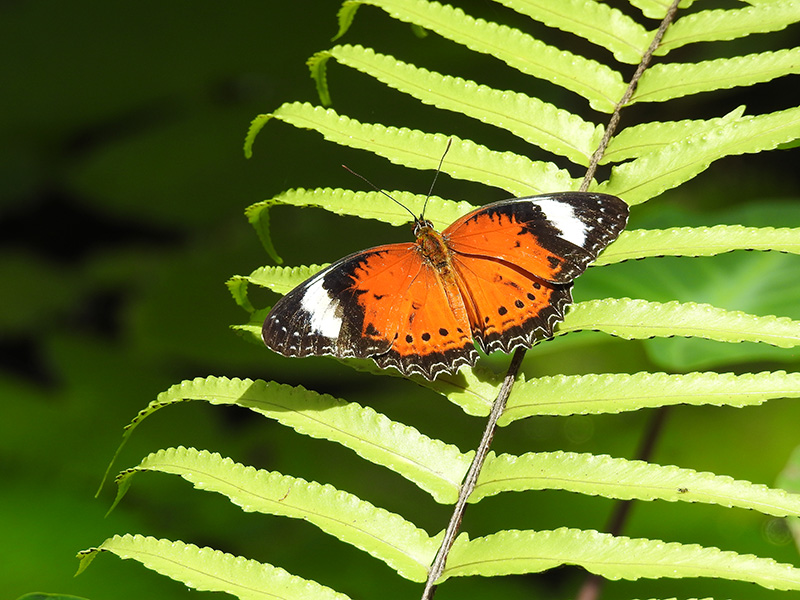
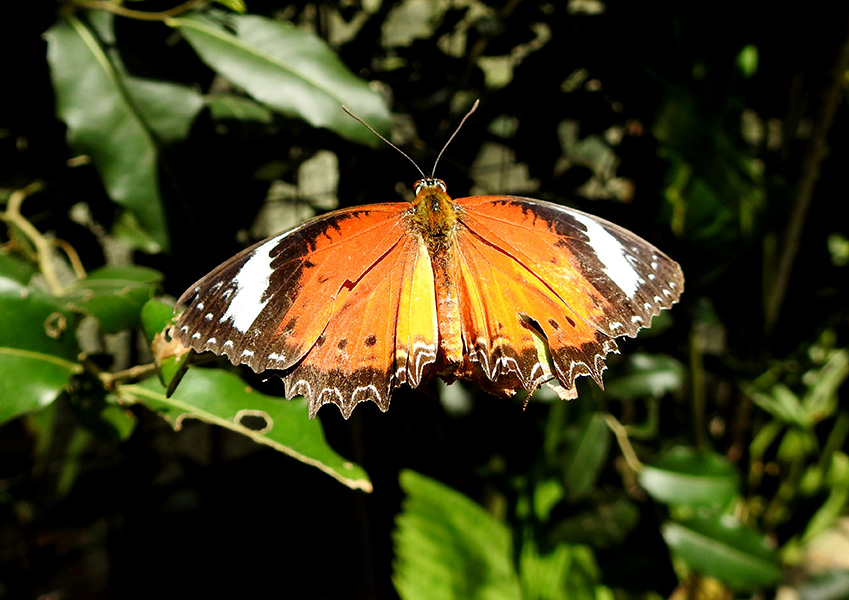
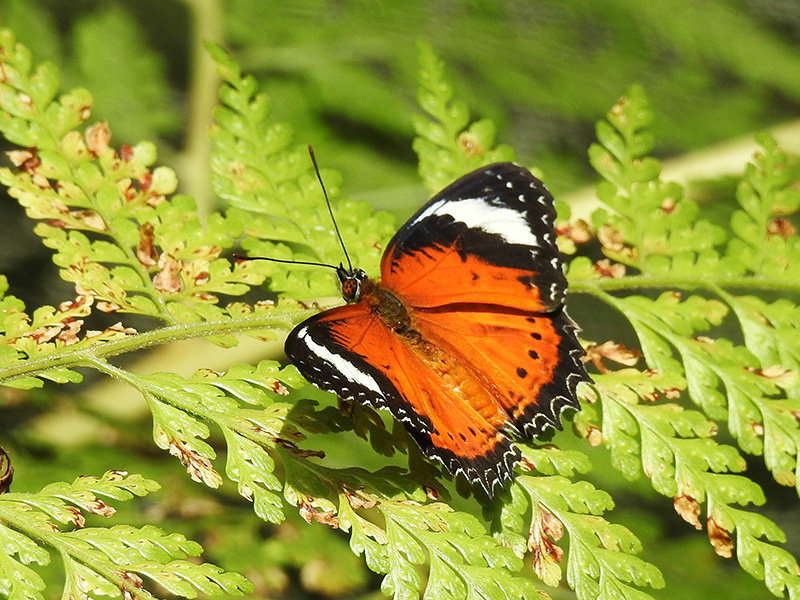
- Upper wings: Bright orange with bold black bands and spots.
- Wing edges: Deeply scalloped and edged with small black points.
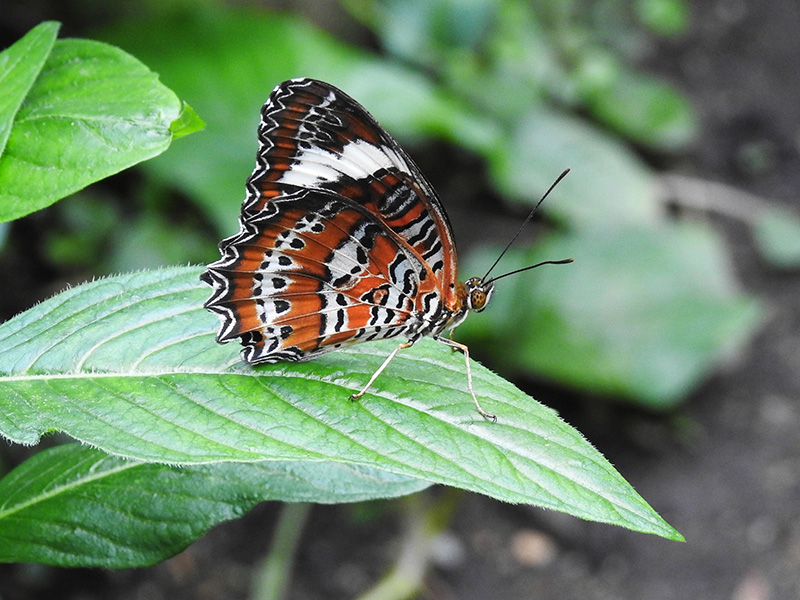
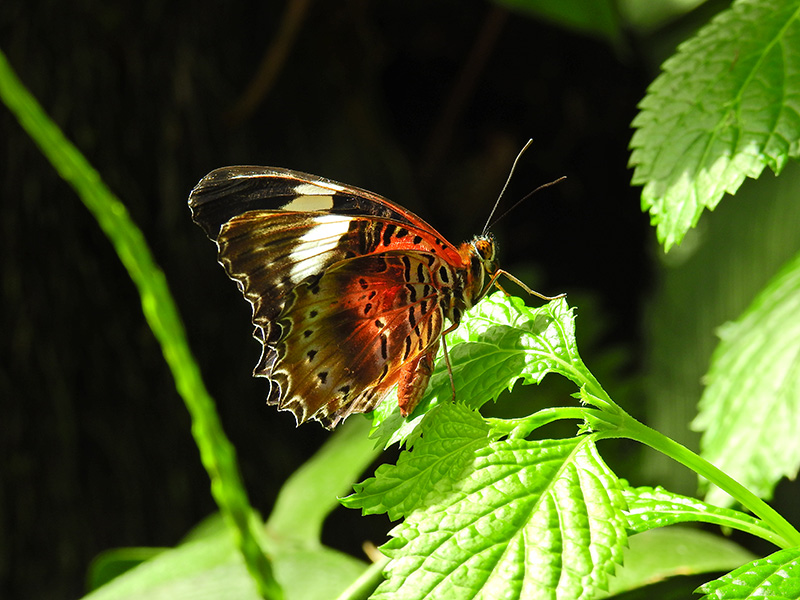
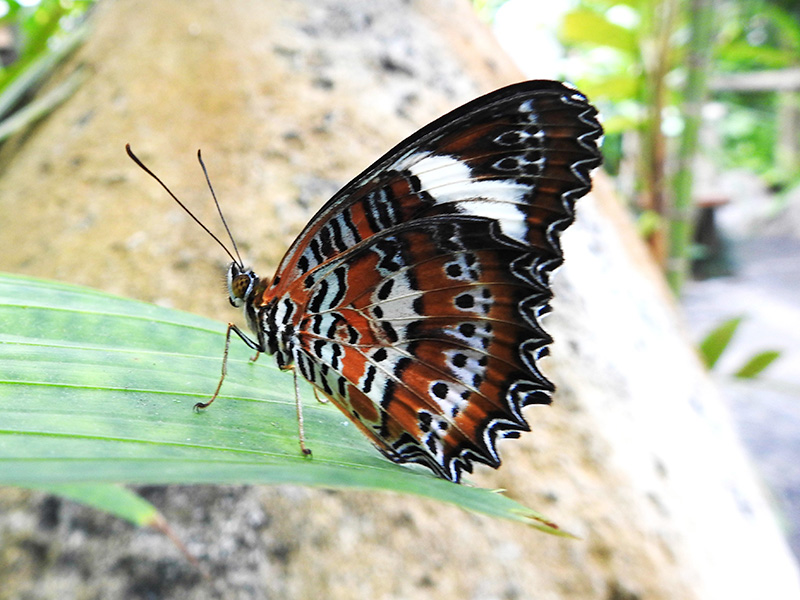
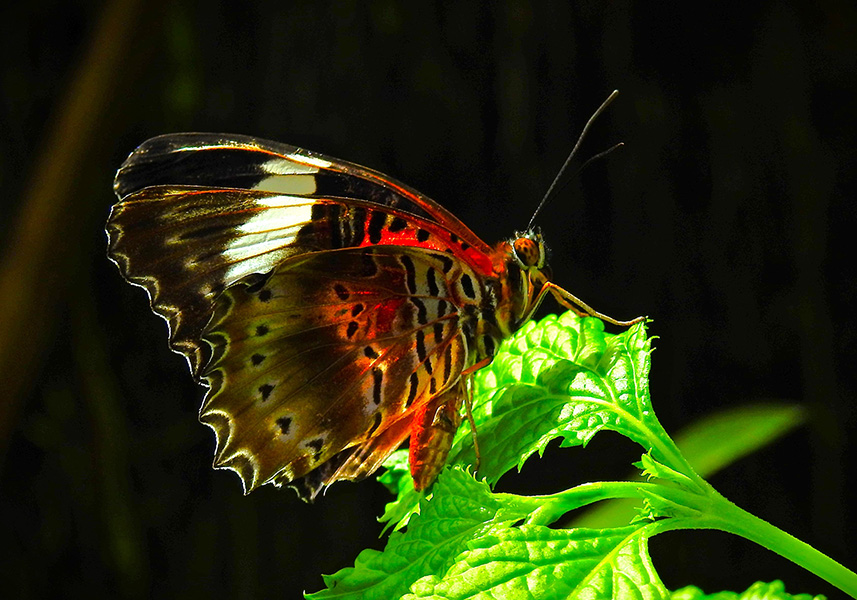
- Underside: An intricate pattern of orange, white, and black markings that resemble lace — giving the species its common name.
- Body: Dark with small pale markings.
When the butterfly rests with wings closed, the delicate lace‑like pattern underneath is particularly striking.
Habitat and Distribution
In Australia the Orange Lacewing is found mainly in tropical northern Queensland, especially in rainforest environments and along forest edges.
Typical habitats include:
- tropical rainforests
- forest clearings
- shaded riverbanks
- gardens near rainforest areas
Outside Australia, the species occurs across parts of Southeast Asia and nearby islands, where similar warm forest habitats exist.
Feeding Habits
Adult Orange Lacewing butterflies feed primarily on flower nectar. They visit a wide variety of tropical flowers and flowering shrubs where nectar is abundant.
Unlike some butterflies that remain close to the ground, Orange Lacewings often glide through the forest canopy or along sunny clearings in search of food.
They are known for their slow, drifting flight, making them easy to observe as they move through rainforest paths.
Breeding and Host Plants
The life cycle of the Orange Lacewing is closely tied to particular rainforest plants.
- Eggs: Laid on leaves of host plants belonging to the Passiflora (passion vine) family.
- Caterpillars: Dark in colour with small spines along their bodies.
- Pupa: The chrysalis is usually suspended from vegetation and camouflaged among leaves.
Like many butterflies that feed on passion vines, the caterpillars absorb chemicals from their host plants that make them unpalatable to predators.
Longevity
The complete life cycle from egg to adult typically takes four to six weeks, depending on temperature and food availability.
Adult butterflies usually live two to four weeks, during which they spend their time feeding, mating, and searching for suitable host plants to lay eggs.
Indigenous Connections
Butterflies are part of the rich biodiversity of northern Australia’s rainforests and have long been observed within the natural cycles of the land by First Nations peoples.
In many Indigenous knowledge systems, insects such as butterflies are linked to seasonal changes, flowering plants, and the health of forest ecosystems. Their presence often signals periods of growth and abundance within rainforest environments.
Because traditional names for butterflies vary widely across language groups and are not always recorded in public sources, recognising their role within rainforest ecosystems helps acknowledge the deep understanding and stewardship of Country practiced by Traditional Owners.
Conservation Status and Threats
The Orange Lacewing is currently considered not threatened, but it relies heavily on intact rainforest habitat.
Potential threats include:
- rainforest clearing
- habitat fragmentation
- loss of host plants
- climate change affecting tropical ecosystems
Protecting rainforest habitats helps ensure this beautiful butterfly continues to thrive.
Why the Orange Lacewing Matters
The Orange Lacewing is one of the jewels of Australia’s tropical forests. Its intricate wing patterns and graceful flight highlight the incredible diversity of insects found in rainforest ecosystems.
By preserving native vegetation and protecting rainforest environments, we help ensure that these colourful butterflies remain part of Australia’s natural heritage.
Scientific References
Braby, M. F. Butterflies of Australia: Their Identification, Biology and Distribution
Australian Butterfly Conservation resources
Atlas of Living Australia – Cethosia penthesilea records
Queensland Museum – Tropical butterfly information
Wikipedia – Orange Lacewing (Cethosia penthesilea)
Photo Gallery