Red Lacewing Butterfly
Red Lacewing Butterfly
The Red Lacewing (Cethosia cydippe) is one of the most striking butterflies found in northern Australia. With its brilliant crimson wings, bold black markings, and beautifully patterned underside, this butterfly is a true jewel of the tropical rainforest.
Belonging to the brush‑footed butterfly family (Nymphalidae), the Red Lacewing is closely related to other lacewing butterflies found across Southeast Asia and the Pacific. In Australia it occurs mainly in the tropical north, where it inhabits warm rainforests and coastal woodland habitats.
Graceful in flight and vividly coloured, the Red Lacewing is both an important pollinator and a fascinating example of tropical butterfly adaptation.
What Does the Red Lacewing Look Like?
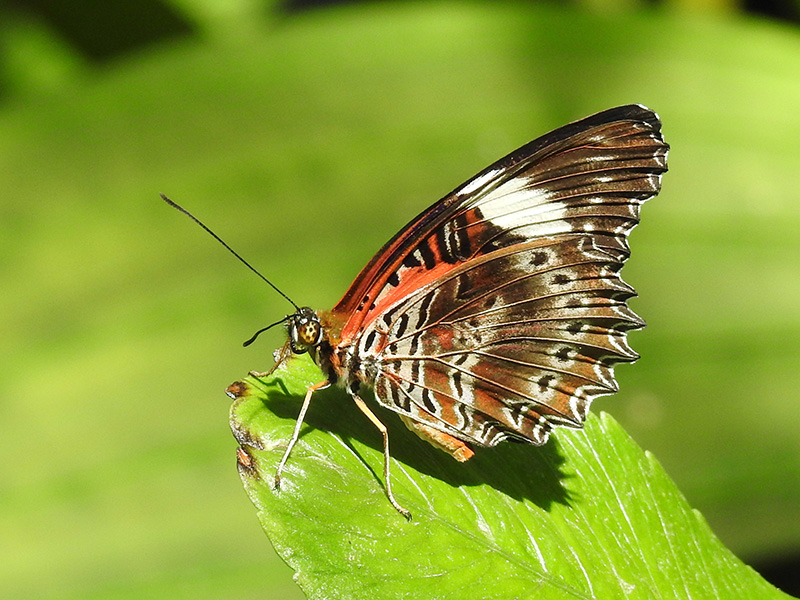
The Red Lacewing is a medium‑sized butterfly with a wingspan of about 70–80 millimetres.
Its appearance is unmistakable:
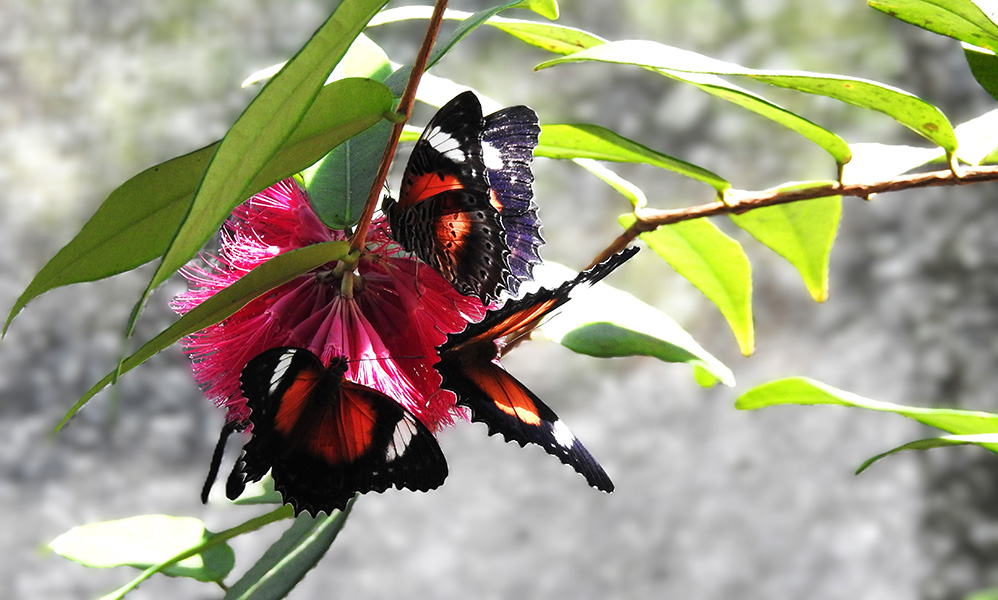
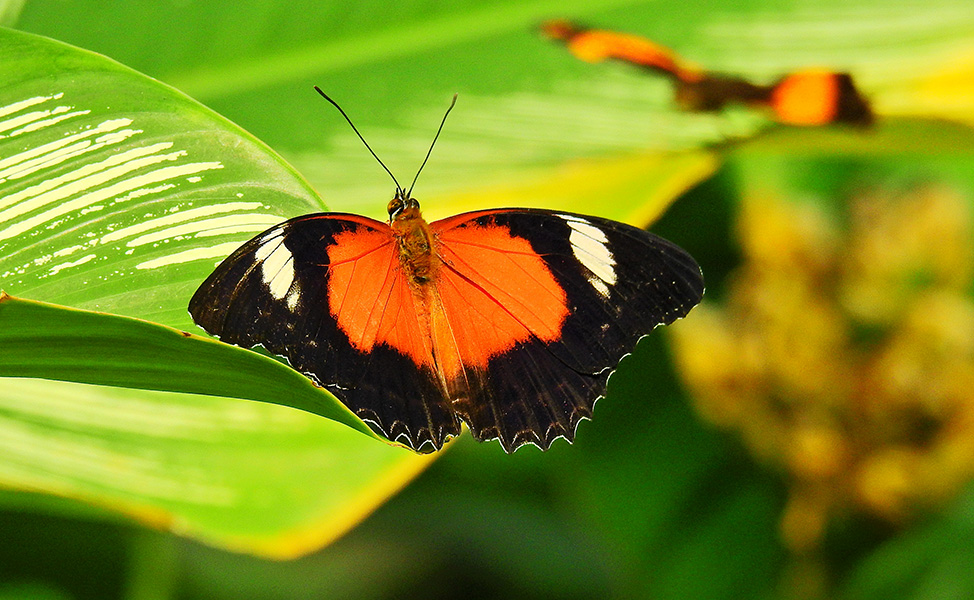
- Upper wings: Bright crimson‑red with bold black patches and borders.
- Wing edges: Deeply scalloped and slightly pointed, giving the wings a decorative shape.
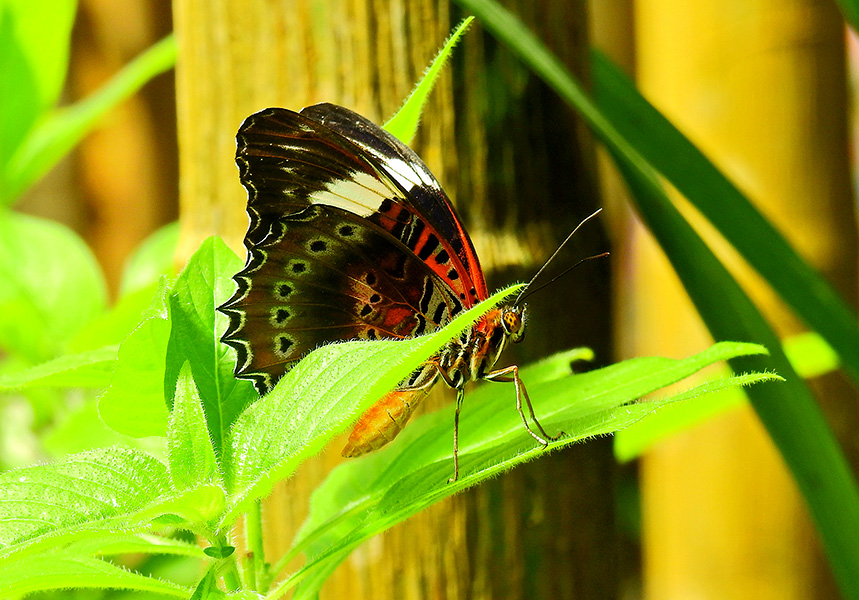
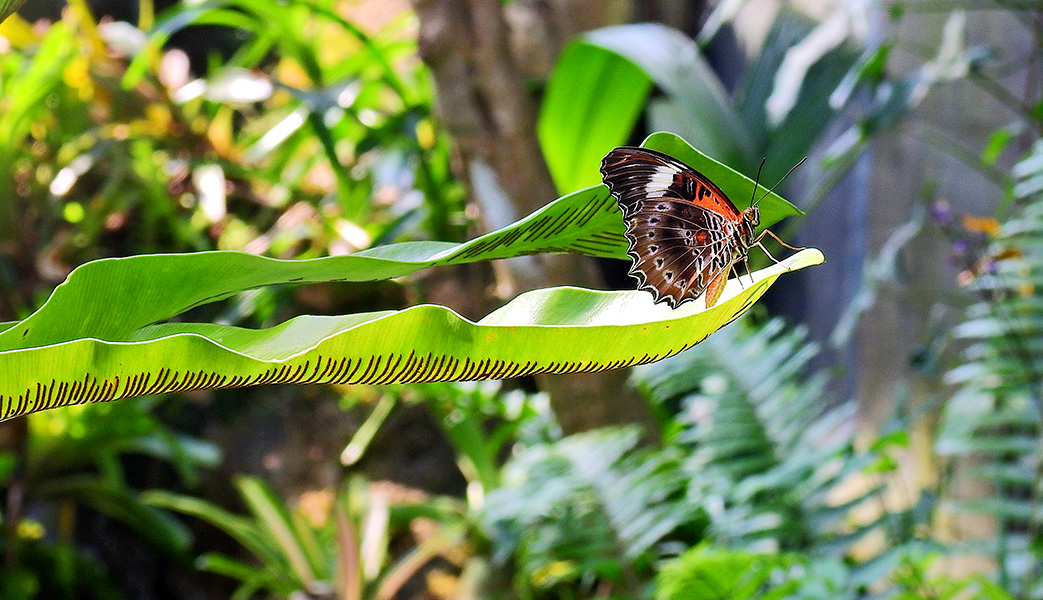
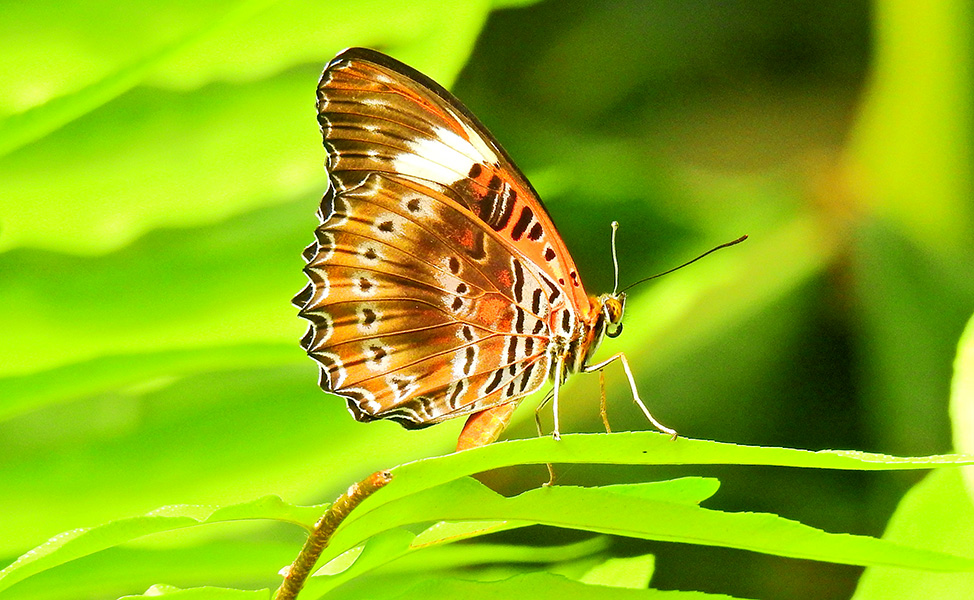
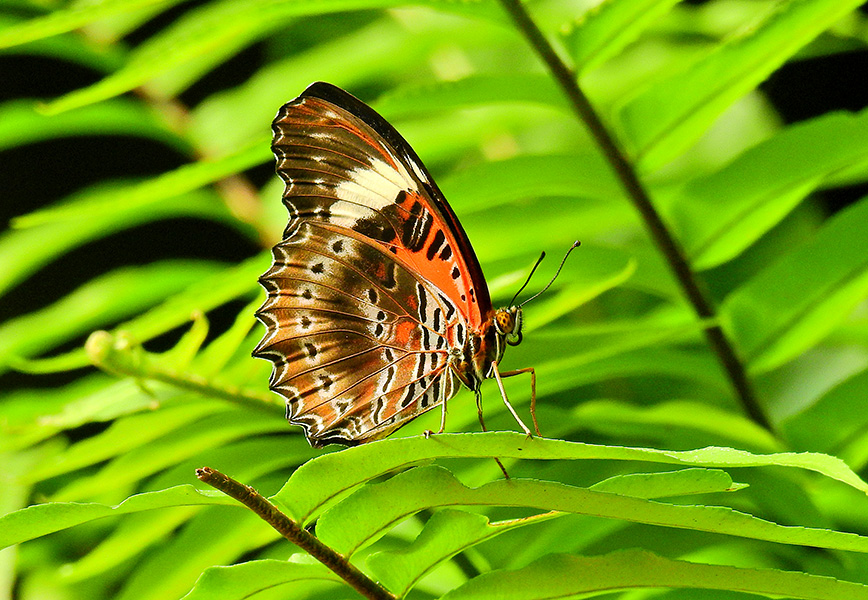
- Underside: Cream, orange, and black markings arranged in intricate patterns that resemble delicate lace.
- Body: Dark with pale markings.
The lace‑like pattern on the underside helps camouflage the butterfly when it rests among leaves and vegetation.
Habitat and Distribution
In Australia the Red Lacewing is found mainly in tropical northern Queensland, especially in rainforest regions.
It prefers warm environments such as:
- tropical rainforests
- forest margins and clearings
- coastal woodland
- shaded creek lines
- gardens near rainforest areas
Outside Australia the species also occurs across parts of Indonesia and Papua New Guinea.
Because it relies on specific host plants, the butterfly is usually found where those plants grow naturally.
Feeding Habits
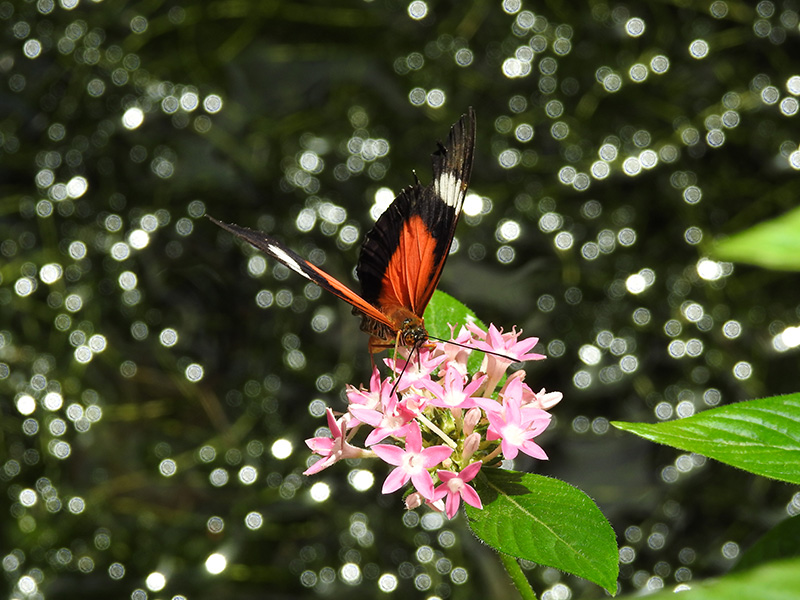
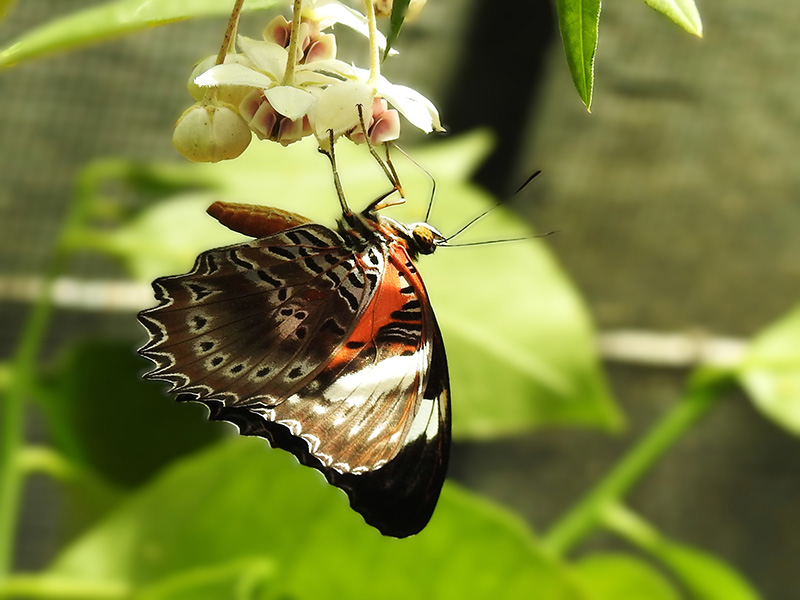
Adult Red Lacewing butterflies feed primarily on flower nectar.
Common feeding sources include:
- rainforest flowering shrubs
- vines and forest-edge flowers
- garden plants near rainforest habitats
They have a slow, drifting flight style, often gliding through clearings or along forest paths while searching for nectar.
In addition to nectar, adults may sometimes obtain minerals from damp soil or rotting fruit
Breeding and Host Plants
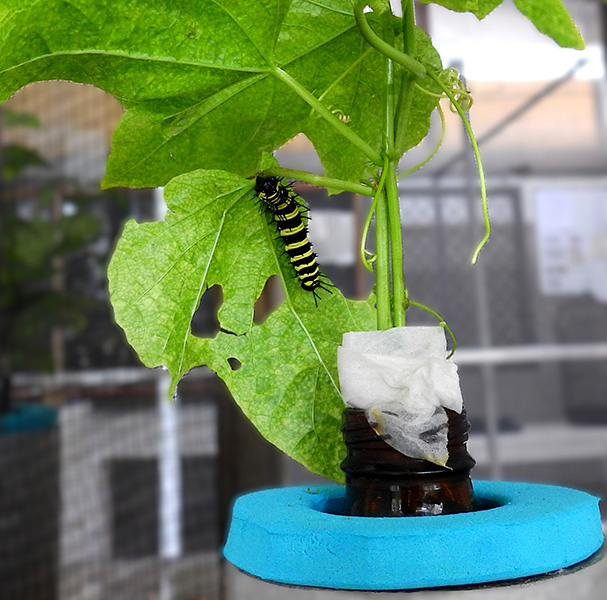
The life cycle of the Red Lacewing depends on plants in the Passiflora (passion vine) family.
- Eggs: Usually laid on the leaves of host vines.
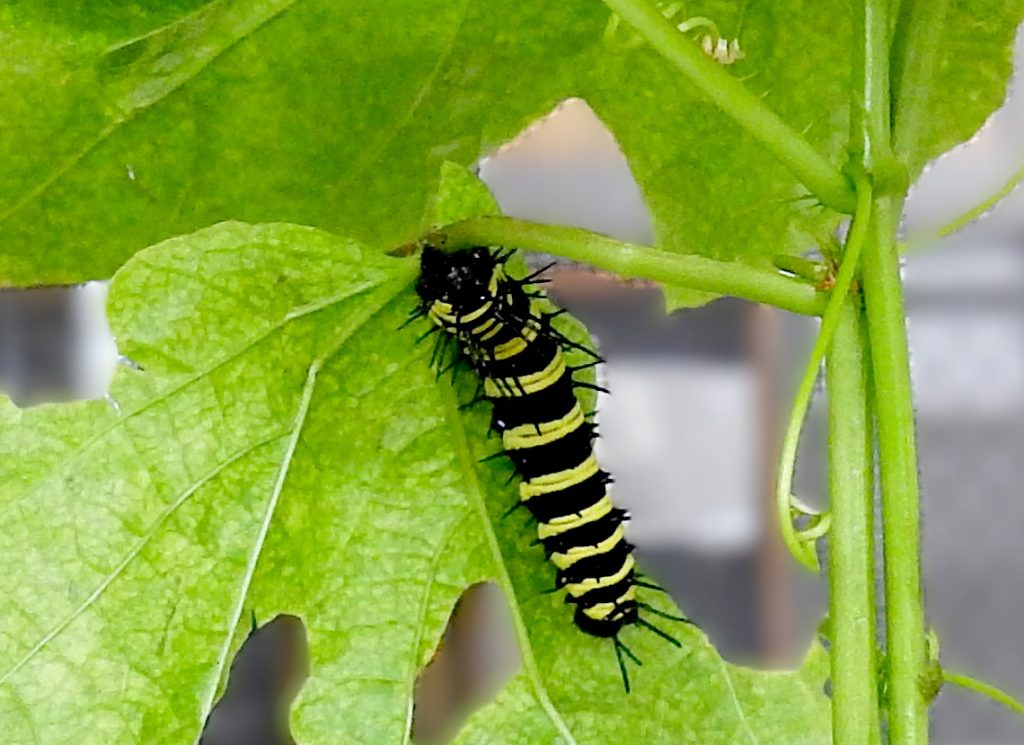
- Caterpillars: Dark with rows of small spines along the body.
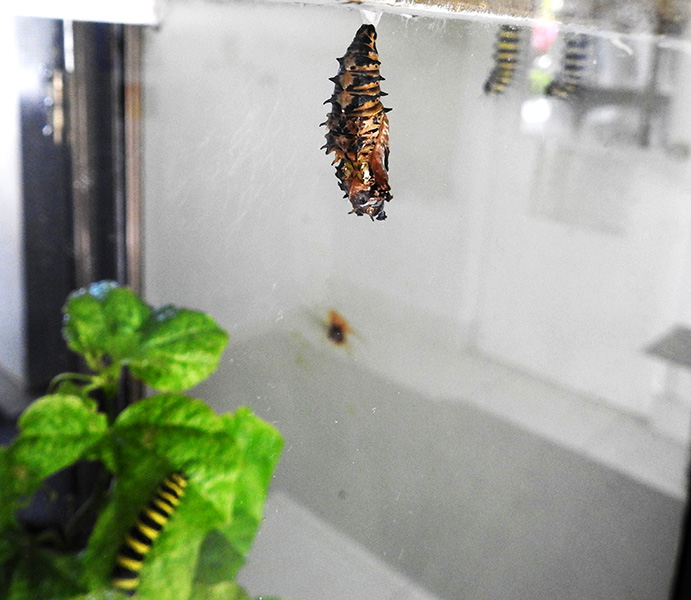
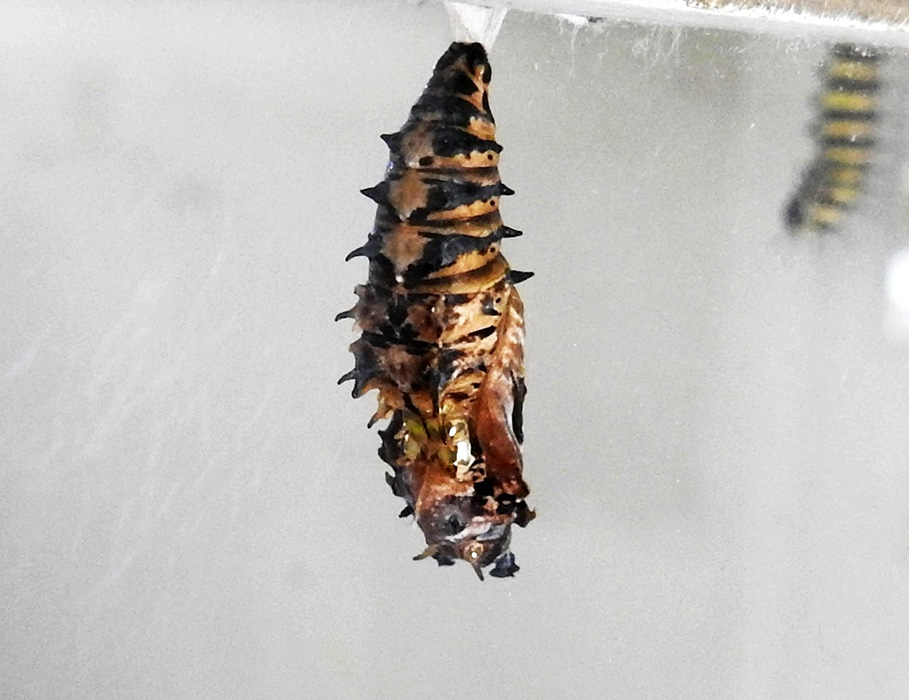
- Pupa: The chrysalis hangs from vegetation and resembles dried plant material.
The caterpillars absorb chemical compounds from their host plants that make them toxic to predators. These chemicals remain in the adult butterfly, which is why the species displays such bright warning colours.
Longevity
The full life cycle from egg to adult usually takes around four to six weeks, depending on temperature and food availability.
Adult Red Lacewing butterflies generally live two to four weeks, during which time they feed, mate, and lay eggs.
Indigenous Connections
Butterflies are part of the rich biodiversity of northern Australia’s rainforest ecosystems and have long been observed within the seasonal rhythms of Country by First Nations peoples.
In many Indigenous knowledge systems, insects such as butterflies signal changes in vegetation, flowering cycles, and the arrival of certain seasons. Their presence reflects healthy forest environments where host plants and food sources are abundant.
Because Australia contains many Indigenous language groups, traditional names for butterflies vary between regions and are not always widely recorded in public sources. Recognising butterflies as part of rainforest ecosystems acknowledges the deep ecological knowledge held by Traditional Owners.
Conservation Status and Threats
The Red Lacewing is currently considered not threatened, but its survival depends on intact rainforest habitats.
Potential threats include:
- rainforest clearing
- habitat fragmentation
- loss of host plants
- climate change affecting tropical ecosystems
Protecting rainforest environments helps maintain healthy populations of this species and many other insects and animals that depend on these habitats.
Why the Red Lacewing Matters
The Red Lacewing is a vivid reminder of the incredible biodiversity found within Australia’s tropical forests. Its brilliant colours, delicate wing patterns, and graceful flight make it one of the most beautiful butterflies in northern Australia.
By protecting rainforest habitats and planting suitable host plants, we help ensure that this spectacular butterfly continues to thrive.
Scientific References
Braby, M. F. Butterflies of Australia: Their Identification, Biology and Distribution
Atlas of Living Australia – Cethosia cydippe records
Australian Butterfly Conservation resources
Queensland Museum – Tropical butterfly information
Wikipedia – Cethosia cydippe (Red Lacewing
Photo Gallery