Hercules Moth
The Giant of the Rainforest: Hercules Moth
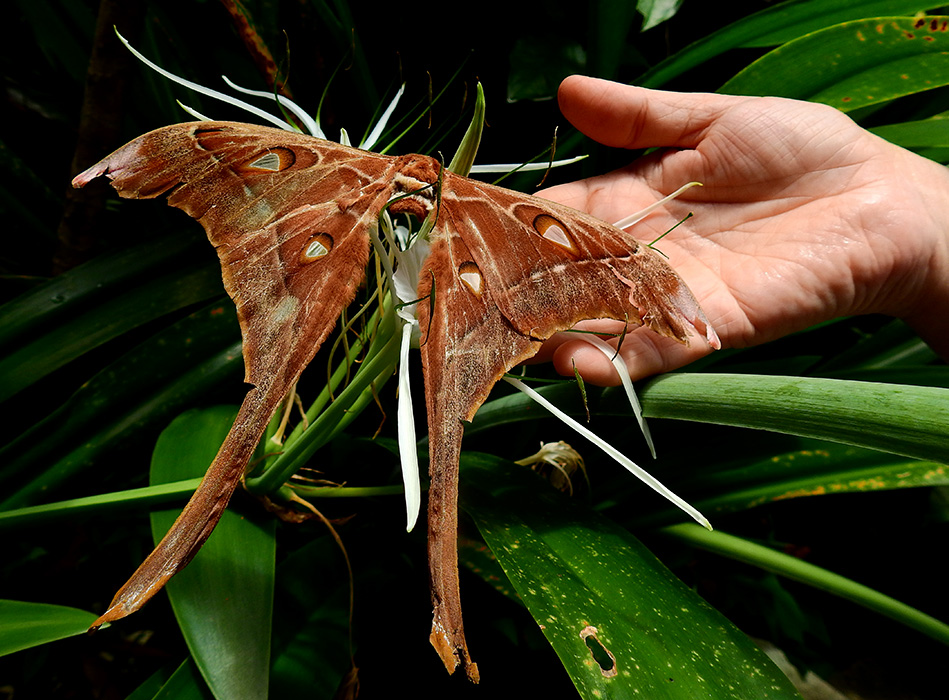
The Hercules moth (Coscinocera hercules) is one of the most spectacular insects found in Australia. Famous for its enormous wingspan and elegant tail‑like extensions, it is considered the largest moth in Australia and one of the largest moths in the world.
Found mainly in the tropical rainforests of northern Queensland and New Guinea, the Hercules moth is rarely seen despite its impressive size. Because adult moths live for only a short time and fly mainly at night, spotting one in the wild is a memorable experience.
What Does the Hercules Moth Look Like?
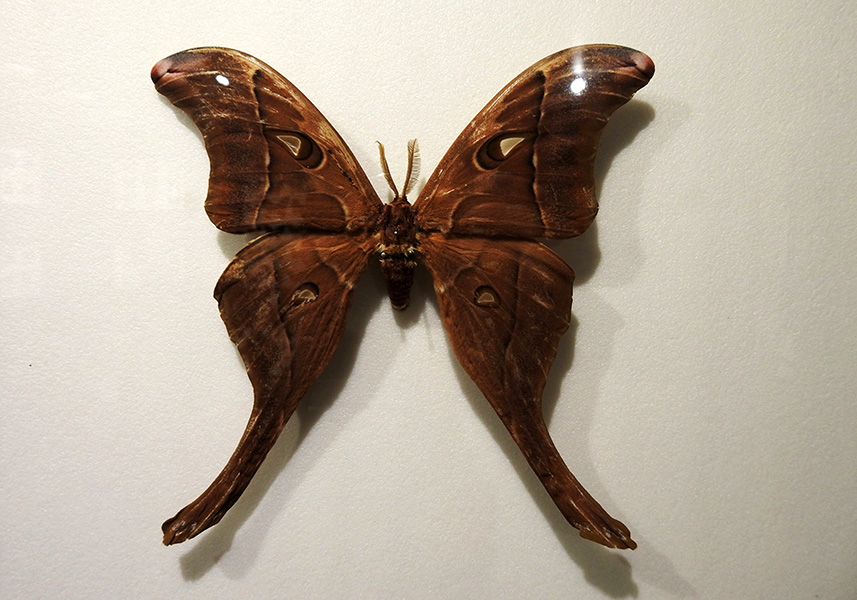
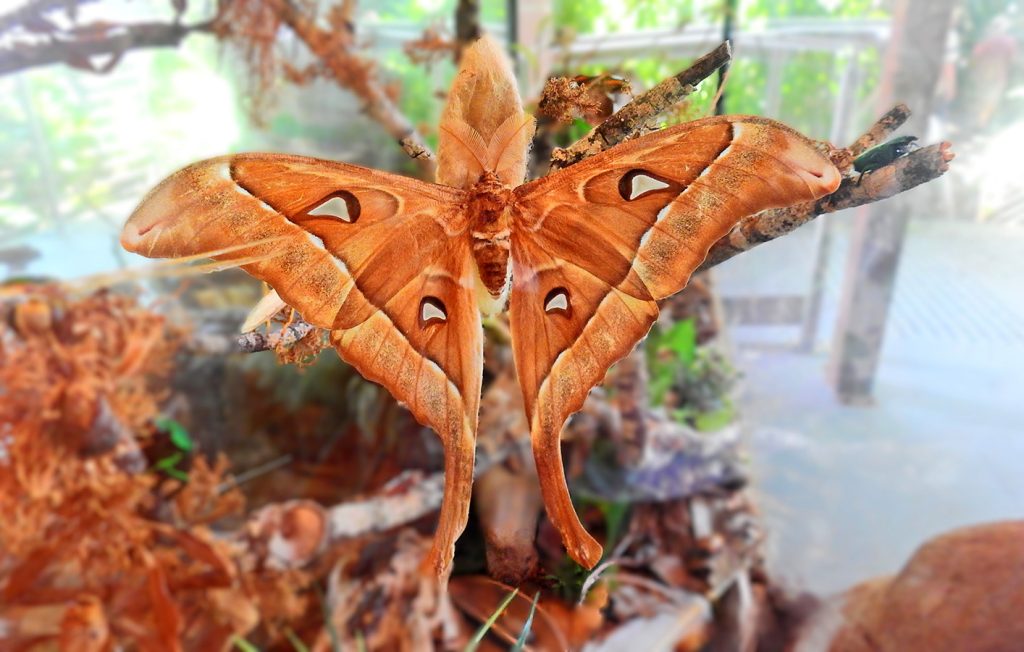
The Hercules moth is truly remarkable in size and appearance.
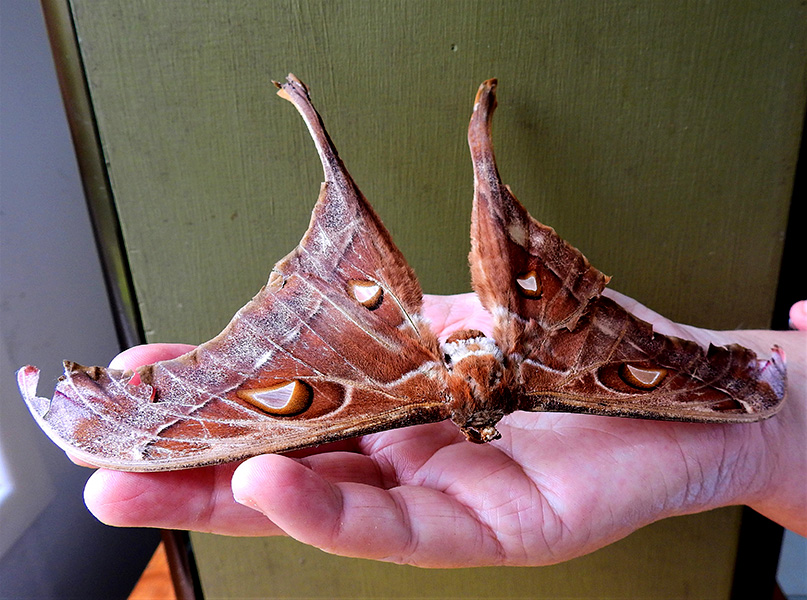
- Wingspan: Females can reach up to 27 centimetres, making them the largest moths in Australia.
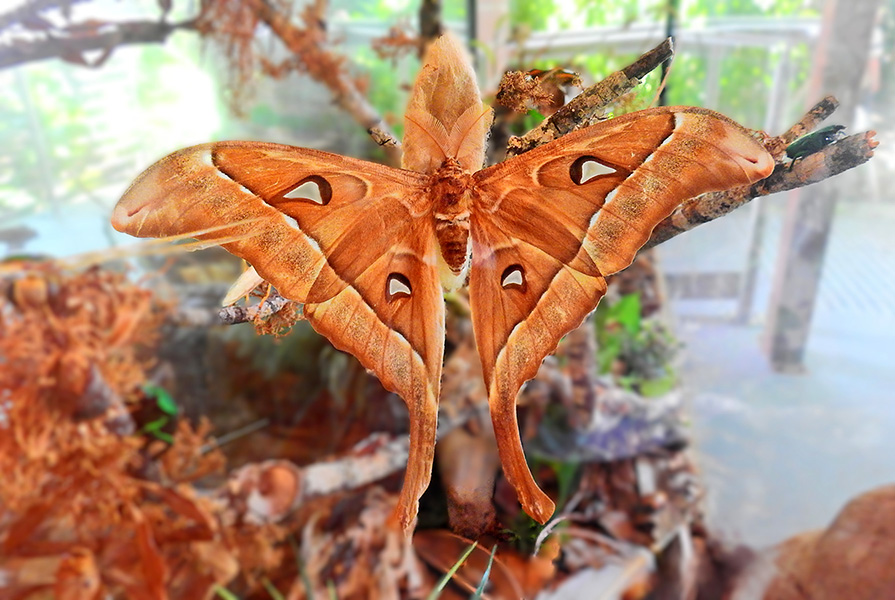
- Wing shape: Large triangular wings with long tail‑like extensions on the hindwings.
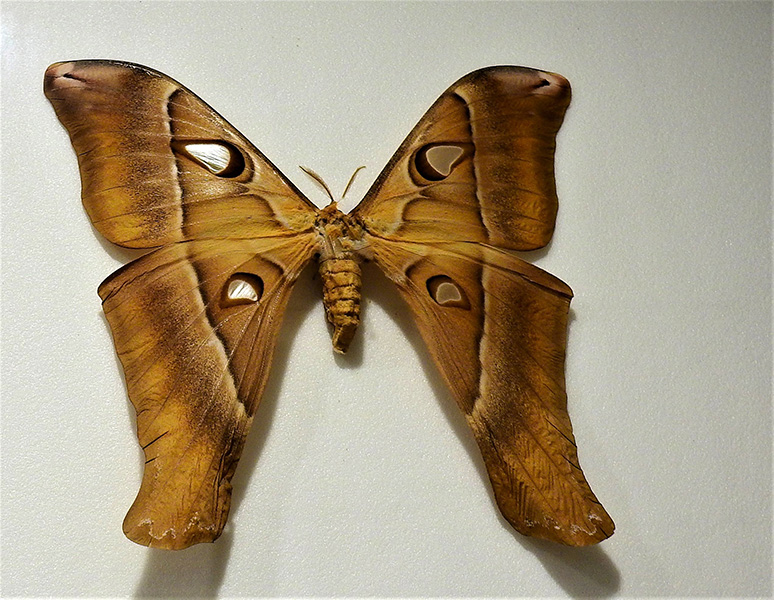
- Colour: Soft shades of brown, cream, and reddish tones with translucent “windows” in the wings.
- Body: Thick and furry, typical of giant silk moths.
Differences Between Males and Females
The sexes differ slightly in appearance:
- Females are generally larger with broader wings.
- Males are slightly smaller but have large feathery antennae, which they use to detect pheromones released by females from great distances.
Habitat and Distribution
The Hercules moth occurs mainly in tropical rainforest environments.
In Australia it is found primarily in:
- northern Queensland rainforests
- tropical forest edges
- areas with abundant host plants
Outside Australia the species also occurs in New Guinea and nearby islands.
Because the moth spends much of its life as a caterpillar hidden among foliage, adult moths are only occasionally encountered.
Feeding Habits
Unlike butterflies, adult Hercules moths do not feed at all.
Their mouthparts are greatly reduced and they cannot eat. Instead, they rely entirely on energy stored during the caterpillar stage.
As a result, adult moths spend their short lives focused on finding a mate and reproducing.
The Caterpillar Stage
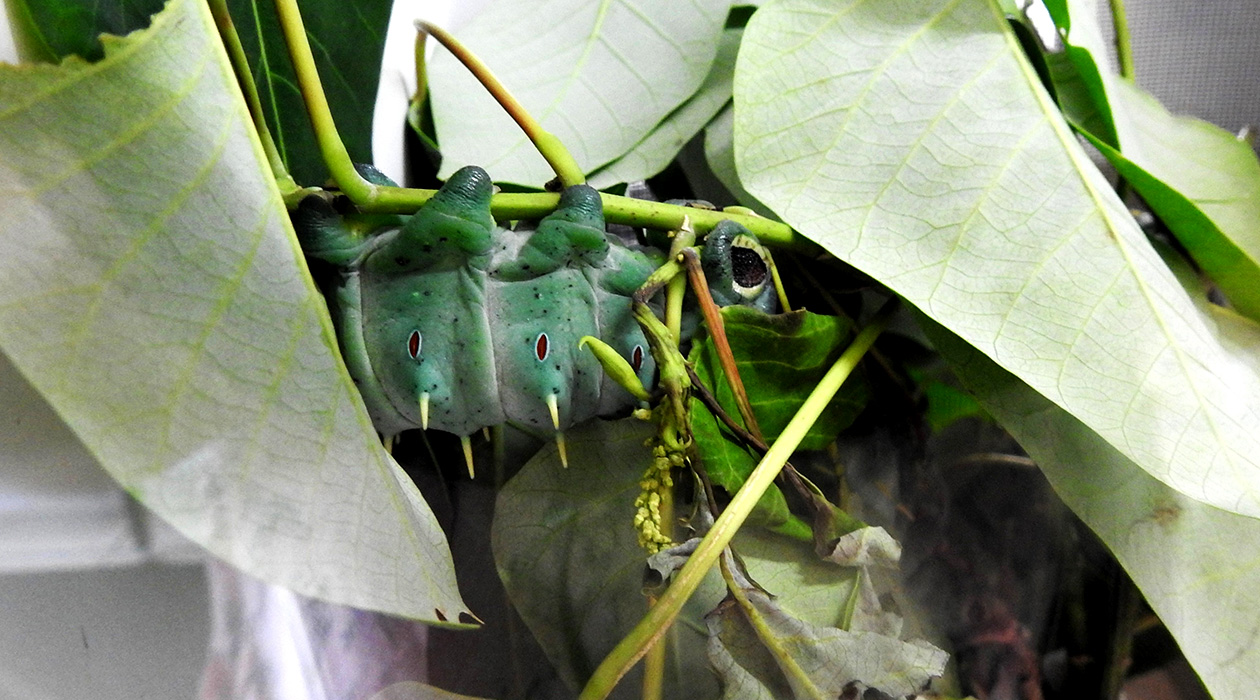
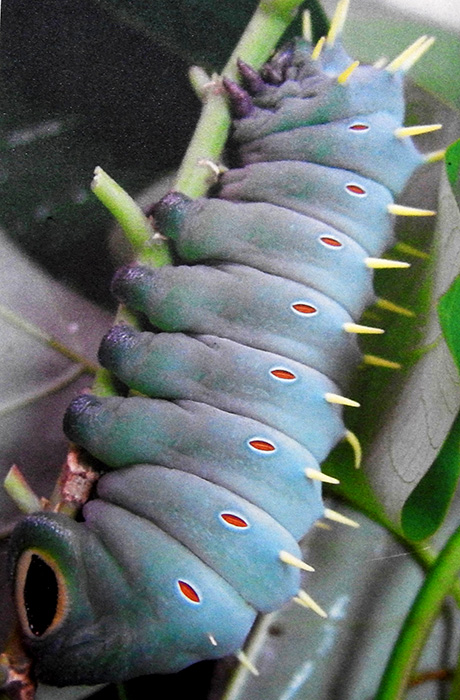
The Hercules moth caterpillar is large and striking.
- Size: Can grow up to 10 centimetres long.
- Colour: Bright green with rows of blue or yellow bumps along the body.
- Diet: Feeds on a variety of rainforest plants.
Host plants may include species such as:
- bleeding heart trees
- flame trees
- other rainforest vegetation
During this stage the caterpillar consumes large amounts of leaves, storing energy that will later sustain the adult moth.
Life Cycle
Like all moths, the Hercules moth undergoes complete metamorphosis:
- Egg: Laid on host plant leaves.
- Caterpillar: Feeds and grows rapidly.
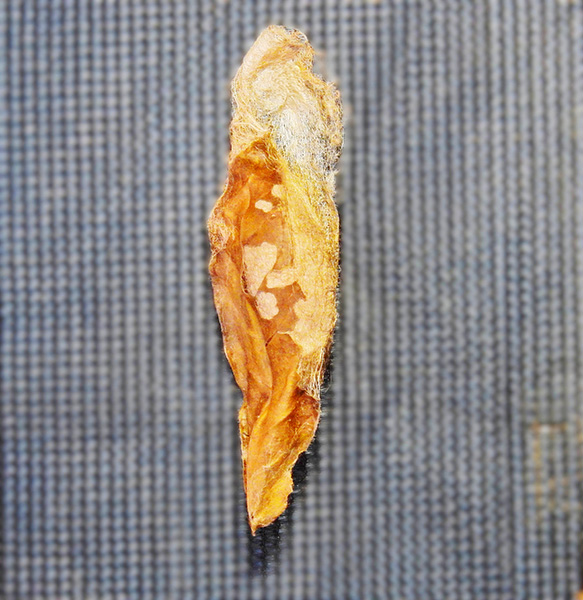
Cocoon: Spins a large silk cocoon among leaves or branches. The cocoon stage protects the developing moth while it transforms inside.
Adult moth: Emerges to reproduce
Longevity
The caterpillar stage lasts several weeks while the insect feeds and grows. The cocoon stage may last several weeks to months depending on conditions.
Once the adult moth emerges, it typically lives only about one to two weeks, just long enough to mate and lay eggs.
Indigenous Connections
Large moths such as the Hercules moth are part of the rich insect diversity of Australia’s tropical rainforests. First Nations peoples living in these regions have long observed insects as part of the seasonal rhythms of the forest.
The appearance of certain insects often coincides with changes in weather, flowering plants, and fruiting trees. While specific traditional names for the Hercules moth vary across language groups and are not always widely recorded in public sources, insects form an important part of the ecological knowledge of rainforest environments.
Conservation Status and Threats
The Hercules moth is not currently considered threatened, but it depends heavily on healthy rainforest habitats.
Potential threats include:
- clearing of tropical rainforest
- habitat fragmentation
- loss of host plants
- climate change affecting rainforest ecosystems
Protecting rainforest environments helps ensure that this remarkable species continues to survive.
Why the Hercules Moth Matters
The Hercules moth is a powerful reminder of the incredible biodiversity found in Australia’s tropical forests. Its enormous wings, delicate patterns, and short but dramatic adult life make it one of the most fascinating insects on the continent.
Although rarely seen, this giant moth remains one of the most extraordinary creatures of the rainforest canopy.
Scientific References
Braby, M. F. Butterflies of Australia: Their Identification, Biology and Distribution
Atlas of Living Australia – Coscinocera hercules records
Australian Museum – Hercules moth information
Queensland Museum – Tropical moth species
Wikipedia – Coscinocera hercules (Hercules Moth)
Photo Gallery