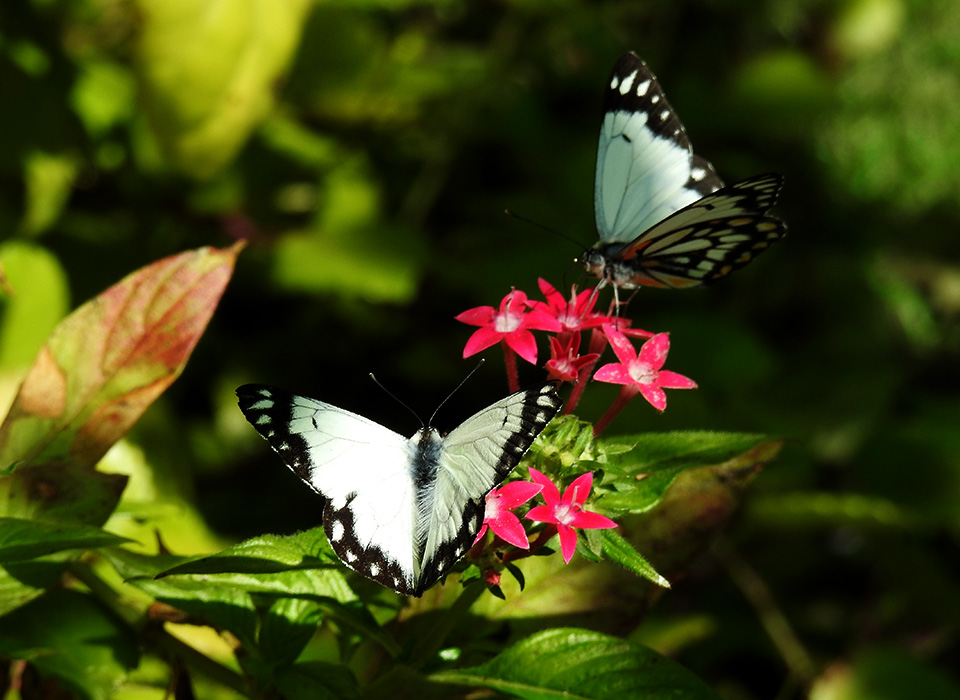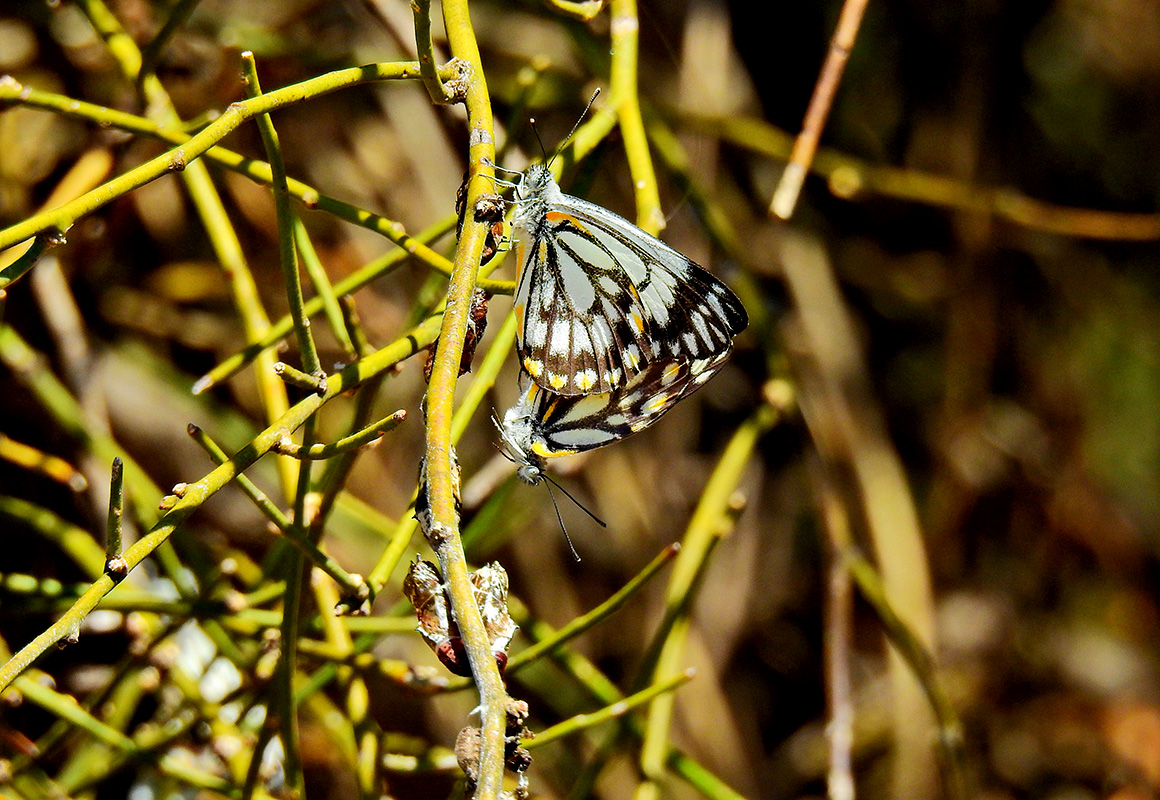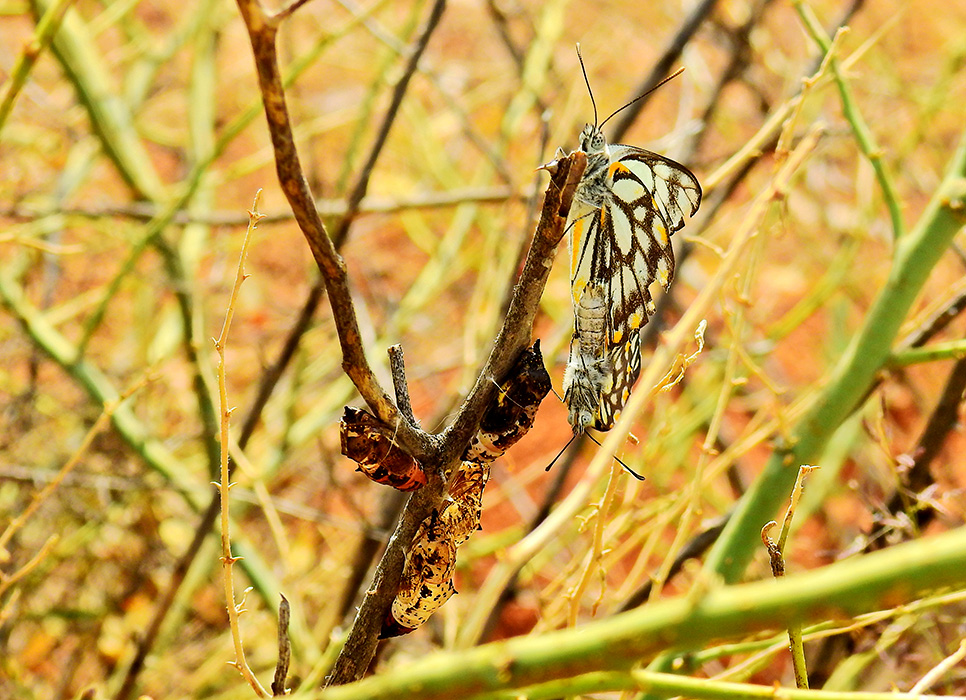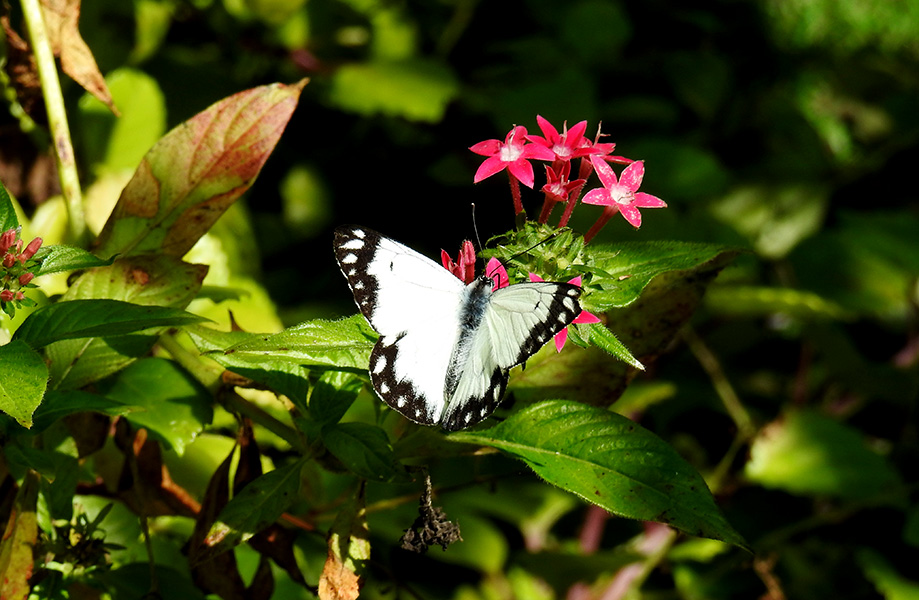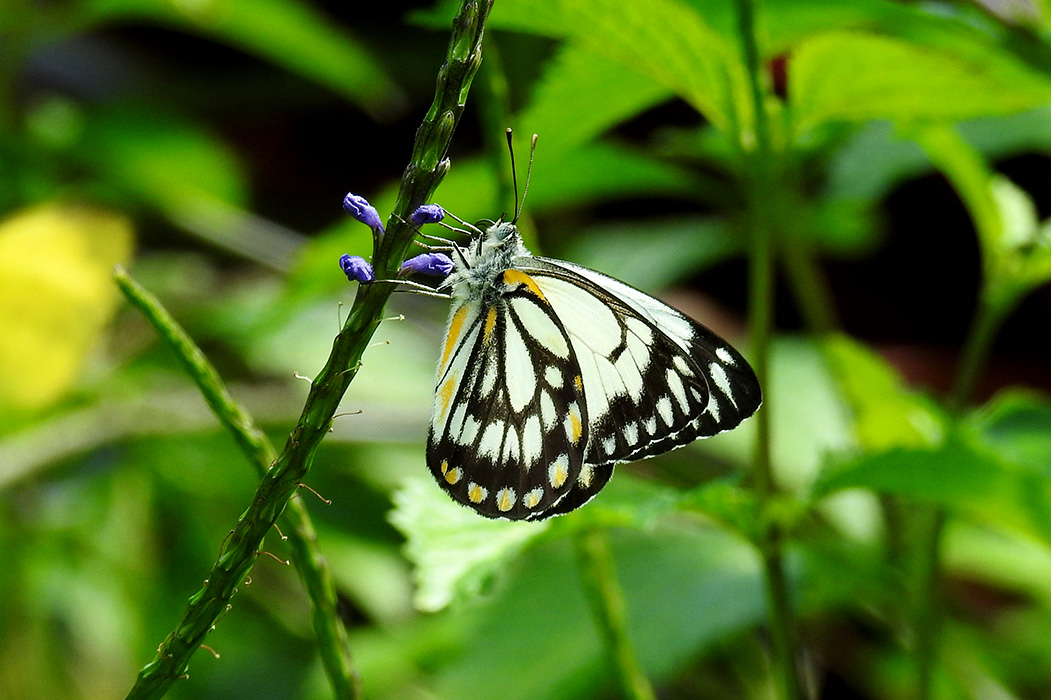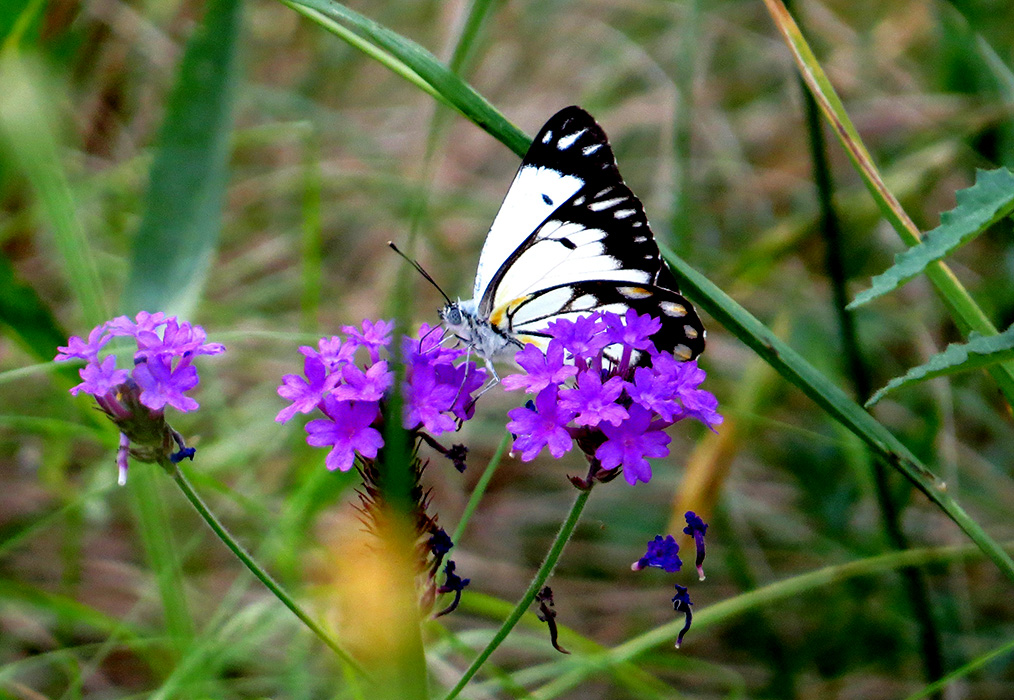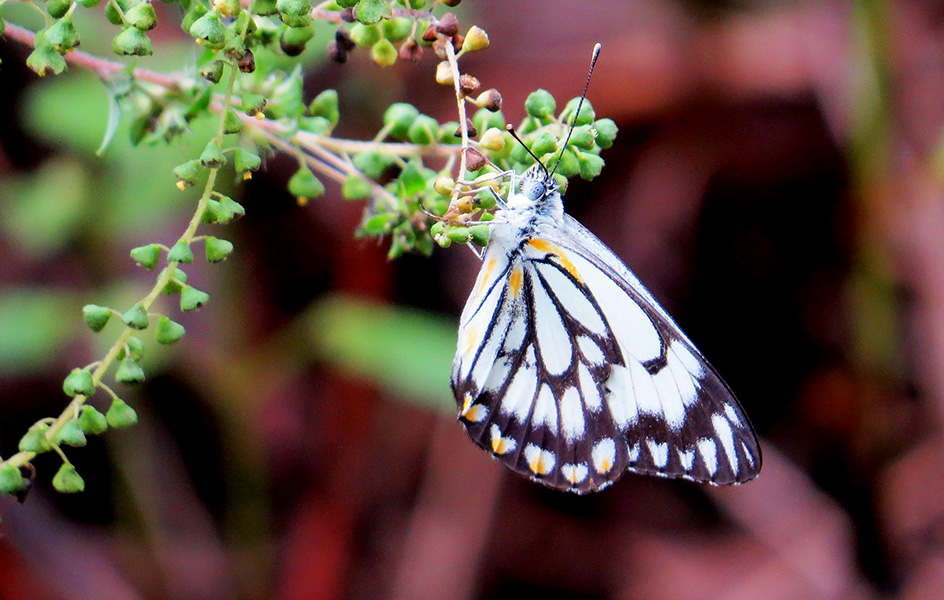
Caper White Butterfly
The Migratory Pale Wanderer: Caper White Butterfly
The Caper White Butterfly (Belenois java teutonia) is one of Australia’s most familiar white butterflies, especially in the warmer parts of the country. In some seasons, huge numbers can appear almost overnight, drifting through the air in pale clouds as they move in search of suitable breeding plants and fresh growth.
Elegant, lightly built, and often seen in groups, the Caper White is a butterfly many people recognise even if they do not know its name. It is a true seasonal traveller, and its appearances can be dramatic enough to turn a quiet landscape into a fluttering spectacle.
What Does the Caper White Butterfly Look Like?
The Caper White is a medium-sized butterfly with a wingspan of about 45–60 millimetres.
It has a clean, delicate appearance:
- Upper wings: mostly white
- Tips of forewings: black with a dusting of grey
- Underside: pale white to creamy white, sometimes with faint grey markings
- Body: slender and lightly marked
- Flight style: weak, fluttering, and often drifting on the breeze
In flight, it may look almost paper-thin, which is part of its airy charm. When many are present together, they can appear like a soft snowfall crossing a sunny paddock or roadside.
Habitat and Distribution
The Caper White is found across much of northern and eastern Australia, and it is especially noticeable after seasonal rains or during migration.
It may occur in:
- open woodland
- dry scrub
- farmland
- roadside vegetation
- coastal areas
- suburban gardens
- inland regions after rain
It is also widely distributed through Southeast Asia and nearby regions, which is why the species is so adaptable across different climates.
Feeding Habits
Adult Caper Whites feed on flower nectar, often visiting a range of native and introduced flowering plants.
They are commonly seen on:
- small shrubs
- herbs and wildflowers
- garden blossoms
- flowering roadside plants
Their flight is often erratic and fluttery, and they may move quickly from one patch of flowers to another.
Breeding and Host Plants
The Caper White butterfly gets its name from the plants its caterpillars feed on.
Host Plants
The caterpillars primarily feed on plants in the caper family (Capparis species), including native caper shrubs and trees.
Life Cycle
- Eggs: laid singly on host plant leaves
- Caterpillars: green and well camouflaged against foliage
- Pupa: suspended from vegetation, usually discreet and twig-like
- Adult butterfly: emerges to feed and reproduce
The caterpillars are often difficult to spot because their green bodies blend so well with the leaves of their host plants.
Longevity
The Caper White’s life cycle from egg to adult usually takes around four to six weeks, depending on temperature, rainfall, and food availability.
Adult butterflies typically live two to four weeks, which is long enough to mate and continue the next generation.
In good seasons, several generations may appear in Australia.
Interesting Facts About the Caper White
- The Caper White is famous for sudden mass movements, where large numbers can be seen migrating through a region together.
- Its pale colouring helps it stand out visually against green vegetation, especially when many are flying at once.
- The butterfly’s presence can often follow rain, when host plants respond with fresh new growth.
- It is sometimes mistaken for other white butterflies, but its movement and seasonality help with identification.
One of the most captivating things about this species is how it seems to arrive almost from nowhere, turning the air alive with white wings.
Indigenous Connections
Butterflies have long been observed as part of the seasonal rhythms of Australia’s landscapes by First Nations peoples. Their appearance often coincides with rainfall, flowering, and the growth of host plants.
In traditional ecological knowledge, butterflies can be indicators of changes in the environment and the health of plant communities. Because Australia contains many Indigenous language groups, traditional names for butterflies vary across regions and are not always widely recorded in public sources.
Recognising butterflies like the Caper White as part of these broader seasonal cycles reflects the deep knowledge held by Traditional Owners about Country and its living rhythms.
Conservation Status and Threats
The Caper White is currently considered common and not threatened across much of its range.
However, local populations may be affected by:
- habitat clearing
- loss of native caper host plants
- pesticide use
- climate shifts affecting rainfall and plant growth
Although the species is not in immediate danger, maintaining native vegetation supports healthy butterfly populations.
What Can We Do to Help the Species?
You can support Caper Whites by:
Planting native host plants
Native caper species help support caterpillars where they naturally occur.Growing nectar-rich flowers
Adults need access to flowering plants for food.Reducing pesticide use
Chemical sprays can harm caterpillars and adult butterflies alike.Allowing native vegetation to regenerate
Roadside and bushland caper plants can be important breeding sites.
Why the Caper White Matters
The Caper White Butterfly is a beautiful reminder of how butterflies can respond to seasonal change and rainfall. Its pale wings and sudden, drifting movements make it a familiar and welcome sight in many Australian landscapes.
By protecting native plants and keeping gardens butterfly-friendly, we can help ensure that these gentle white travellers remain part of Australia’s natural heritage.
Scientific References
- Braby, M. F. Butterflies of Australia: Their Identification, Biology and Distribution
- Atlas of Living Australia – Belenois java teutonia records
- Australian Butterfly Conservation resources
- Queensland Museum – Australian butterfly information
- Wikipedia – Belenois java / Caper White Butterfly
Photo Gallery