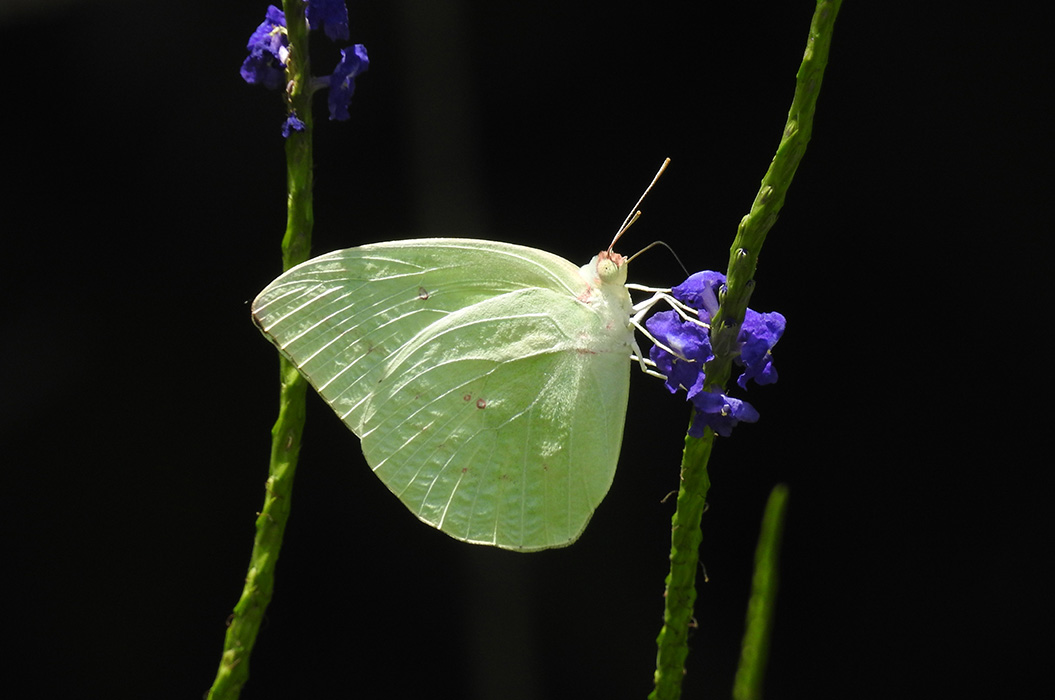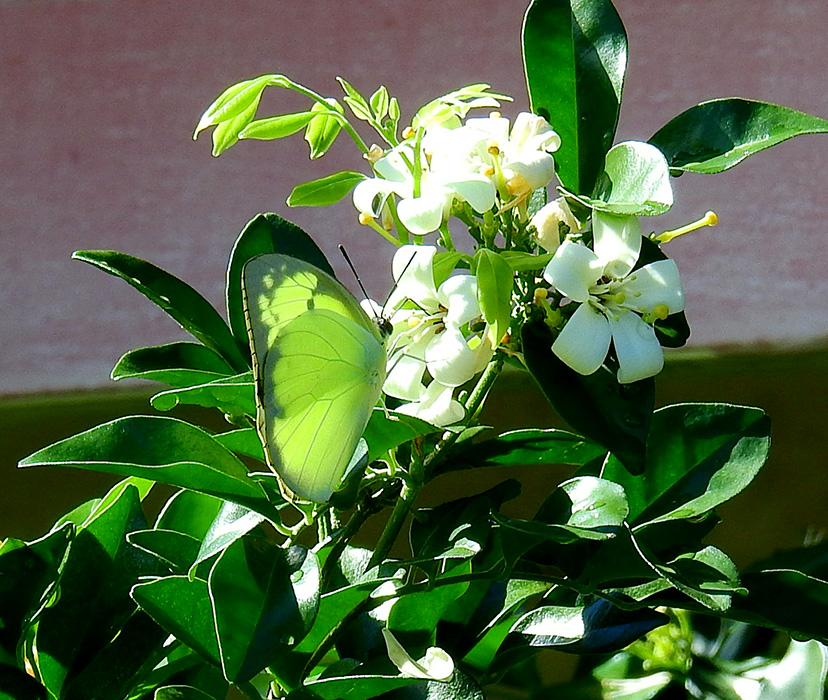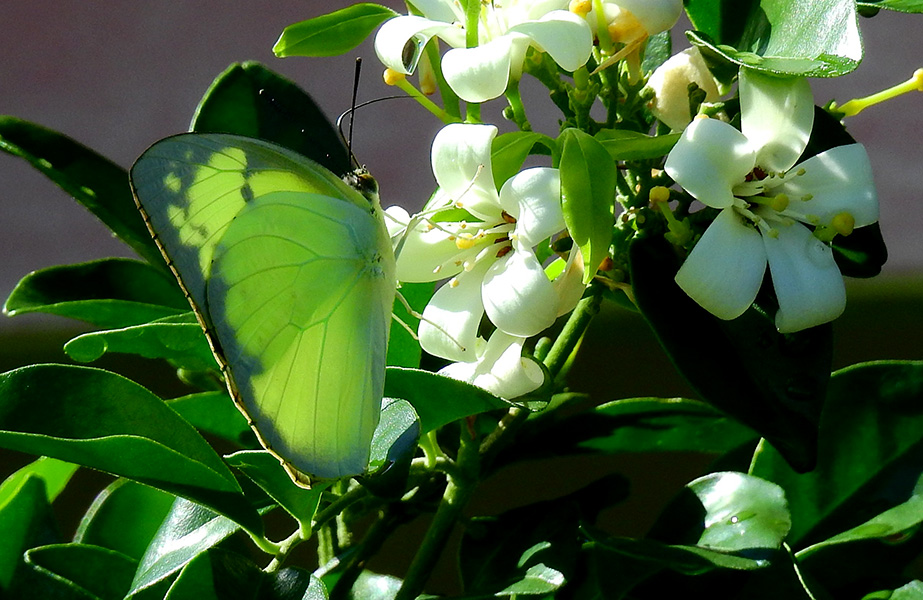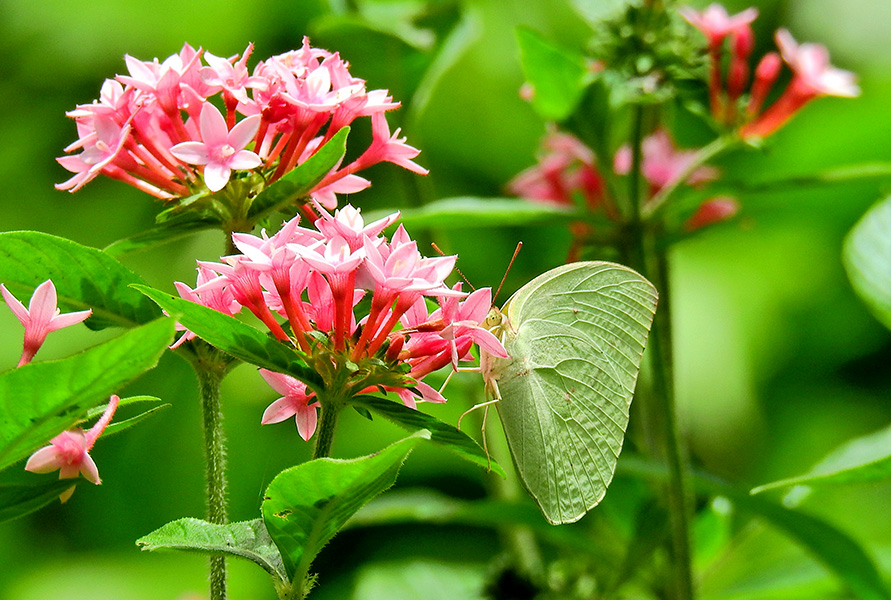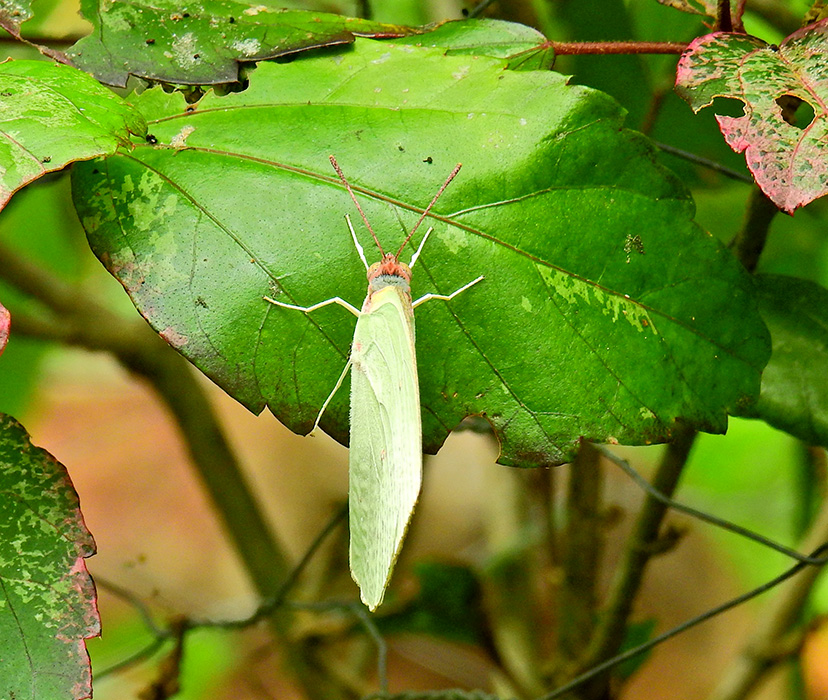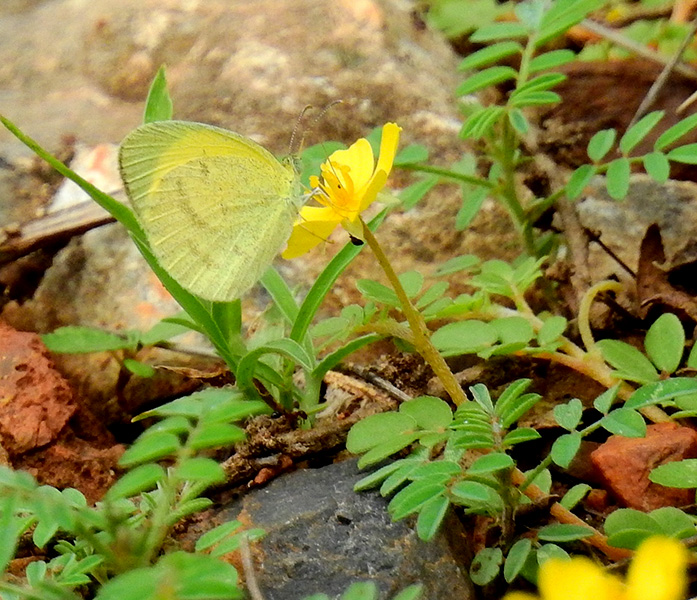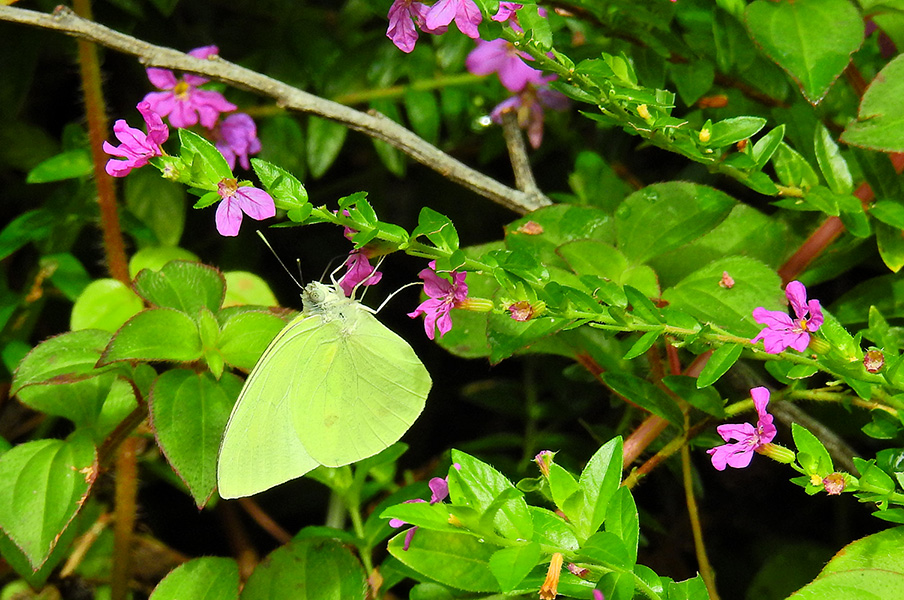
Lemon Migrant Butterfly
The Wandering Citrus Butterly: Lemon Migrant
The Lemon Migrant (Catopsilia pomona) is one of Australia’s most recognisable yellow butterflies. Often seen fluttering in warm weather over gardens, open woodland, roadsides, and creek lines, this butterfly is a graceful traveller that seems to appear and disappear with the seasons.
In Australia, the Lemon Migrant is usually the species people mean when they talk about a yellow migrant butterfly. It belongs to the Pieridae family, the group that includes many of Australia’s white and yellow butterflies. Its pale lemon colouring, strong flight, and occasional mass movements make it a familiar and welcome sight in many parts of the country.
What Does the Lemon Migrant Look Like?
The Lemon Migrant is a medium-sized butterfly with a wingspan of about 50–65 millimetres.
Its appearance is simple but elegant:
- Upper wings: pale lemon-yellow to greenish-yellow
- Wing tips: often marked with a small dark patch
- Underside: paler yellow or creamy, often with a subtle green tinge
- Body: slender and lightly coloured
- Flight style: quick, fluttering, and purposeful
Males are usually brighter yellow, while females may appear slightly paler or greener. Their clean colouring helps them blend with sunlit leaves and flowering vegetation.
Habitat and Distribution
The Lemon Migrant is found across much of Australia, especially in warmer regions such as:
- Queensland
- the Northern Territory
- northern New South Wales
- parts of Western Australia
- coastal and inland districts after seasonal rain
It also occurs through much of Southeast Asia and nearby regions.
This butterfly is highly adaptable and can be seen in:
- open woodland
- roadsides
- gardens
- parklands
- forest edges
- creek lines and disturbed areas with host plants
Because it responds quickly to plant growth and weather conditions, its numbers can change quite dramatically from place to place and season to season.
Feeding Habits
Adult Lemon Migrants feed on flower nectar.
They commonly visit:
- native flowering shrubs
- garden flowers
- roadside blossoms
- weeds and wildflowers
Males are often seen puddling on damp soil, where they absorb minerals needed for reproduction. This behaviour is common in many migrant butterflies and can be very noticeable after rain.
Breeding and Host Plants
The Lemon Migrant’s life cycle is closely linked to plants in the senna and cassia group.
Host Plants
Caterpillars feed mainly on plants in the Fabaceae family, especially:
- native Senna species
- some Cassia species
- related legumes growing in warm, open habitats
Life Cycle
- Egg: laid singly on host plant leaves
- Caterpillar: green and slender, blending well with foliage
- Pupa: attached to stems or leaves in a simple chrysalis
- Adult butterfly: emerges to feed and reproduce
The caterpillars are usually leaf-green, which helps them remain hidden while feeding.
Longevity
The full life cycle from egg to adult usually takes around four to six weeks, depending on temperature and food supply.
Adult Lemon Migrants generally live two to four weeks, though successive generations may appear throughout the warmer months. In favourable conditions, they can breed repeatedly through the year.
Interesting Facts About the Lemon Migrant
- The Lemon Migrant is known for seasonal movement, sometimes appearing in large numbers after rain or during warm weather.
- It is one of Australia’s more familiar yellow butterflies and is often seen in suburban areas.
- The species can be highly variable in abundance, with some years producing many sightings and other years very few.
- Its caterpillars feed on legumes, helping tie the butterfly closely to the growth of native shrubs and woodland edges.
There is something especially uplifting about seeing a Lemon Migrant drift through a garden — a soft flash of yellow that hints at warm weather and healthy plant growth.
Indigenous Connections
Butterflies have long been part of the seasonal cycles observed by First Nations peoples across Australia. Their arrival often coincides with flowering plants, rainfall, and bursts of new growth.
In traditional ecological knowledge, butterflies are part of the broader relationship between insects, plants, and Country. Their presence can reflect the condition of vegetation and the rhythms of the seasons.
Because Australia contains many Indigenous language groups, traditional names for butterflies vary across regions and are not always widely recorded in public sources. Recognising butterflies like the Lemon Migrant as part of these living seasonal systems helps acknowledge the deep ecological knowledge of Traditional Owners.
Conservation Status and Threats
The Lemon Migrant is currently considered common and not threatened across much of its range.
However, local populations may still be affected by:
- habitat clearing
- loss of host plants
- pesticide use
- drought and climate variation
Because it depends on native and weedy host plants in warm habitats, maintaining diverse vegetation helps support healthy populations.
What Can We Do to Help the Species?
You can help Lemon Migrants by:
Planting native senna species
These provide important host plants for the caterpillars.Growing nectar-rich flowers
Adults need flowering plants for food.Reducing pesticide use
Chemicals can harm caterpillars and adult butterflies.Leaving some wild edges in gardens
A little untidiness can be very butterfly-friendly.
Why the Lemon Migrant Matters
The Lemon Migrant is one of those butterflies that quietly brightens Australia’s landscapes. It may not be as dramatic as some tropical species, but its cheerful colour, graceful movement, and seasonal wanderings make it an important and attractive part of our insect life.
By protecting native vegetation and planting butterfly-friendly gardens, we help ensure that these yellow travellers continue to move through Australia’s warm country.
Scientific References
- Braby, M. F. Butterflies of Australia: Their Identification, Biology and Distribution
- Atlas of Living Australia – Catopsilia pomona records
- Australian Butterfly Conservation resources
- Australian Museum – Butterfly species profiles
- Wikipedia – Catopsilia pomona (Lemon Migrant)
Photo Gallery