BLACK BUTCHERBIRD
Black Butcherbird
The Black Butcherbird is one of northern Australia’s most striking songbirds. Known for its glossy black feathers and rich, flute‑like calls, this species is a member of the butcherbird family, a group of intelligent predatory songbirds related to Australian magpies and currawongs. Despite its bold appearance, the Black Butcherbird often stays hidden in dense vegetation, where its powerful voice echoes through forests and coastal woodlands.
(Some modern classifications place the species in the genus Melloria, as Melloria quoyi.)
This species is well known for its beautiful musical calls, which can carry long distances through tropical forests. Early morning in northern Australia often begins with the deep, melodious notes of Black Butcherbirds calling from the treetops.
Quick Facts
Scientific name: Melloria quoyi
Length: 25–28 cm
Wingspan: about 40 cm
Lifespan: estimated 10–15 years in the wild
Habitat: Tropical forests, mangroves and coastal woodlands
Diet: Insects, small animals and occasionally fruit
Conservation status: Least Concern (IUCN)
What Does the Black Butcherbird Look Like?
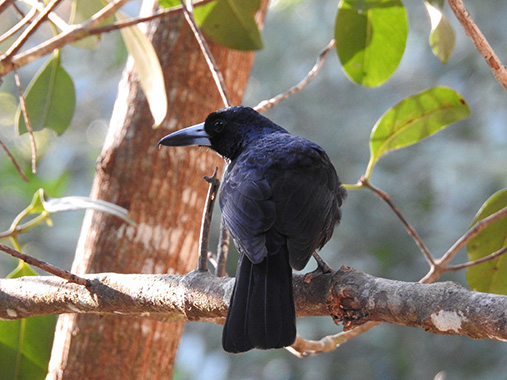
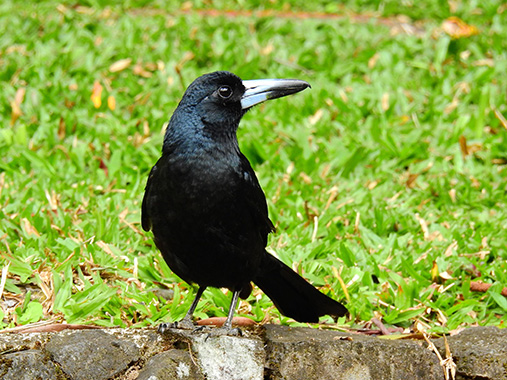
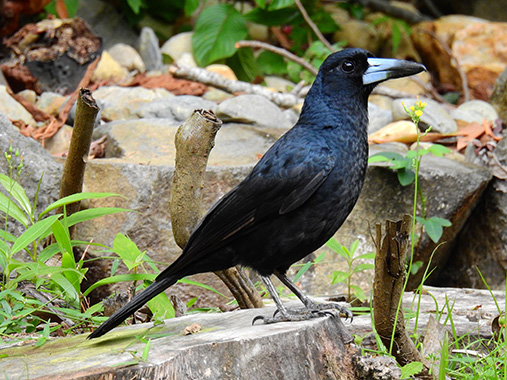
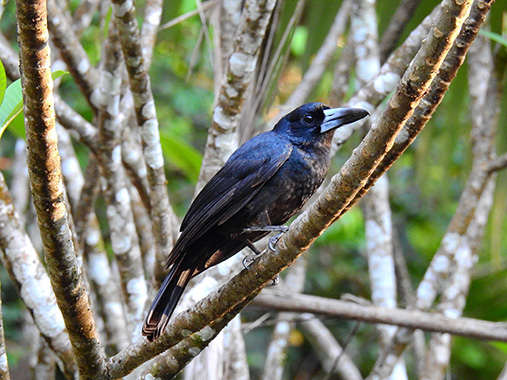
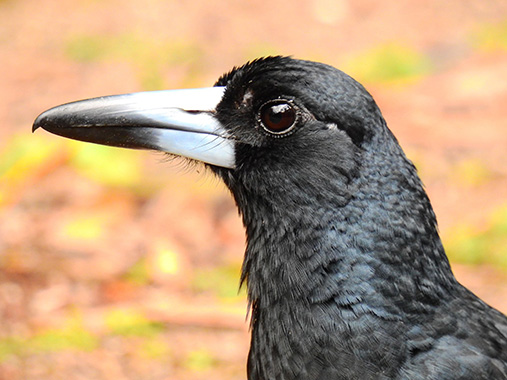
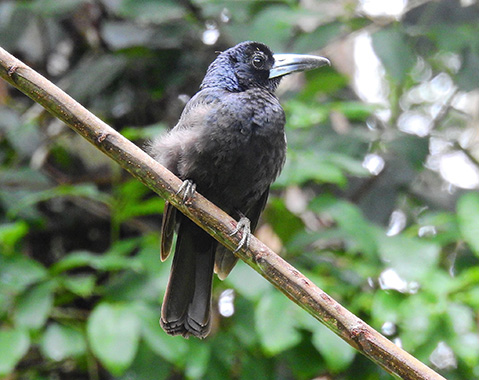
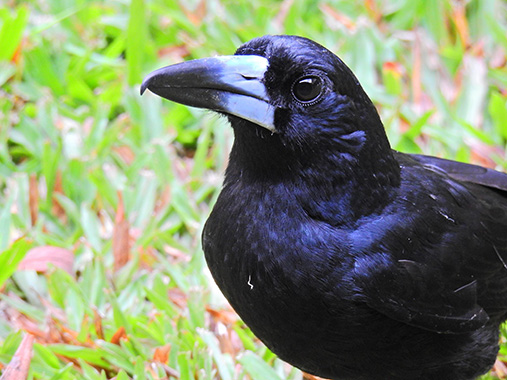
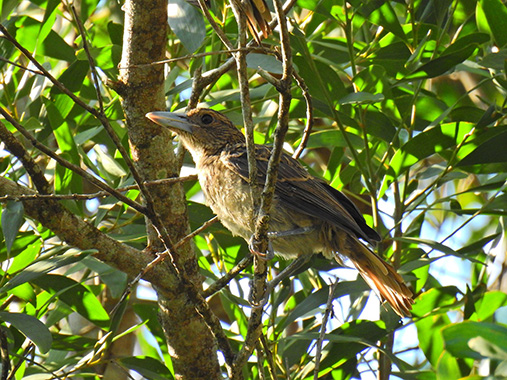
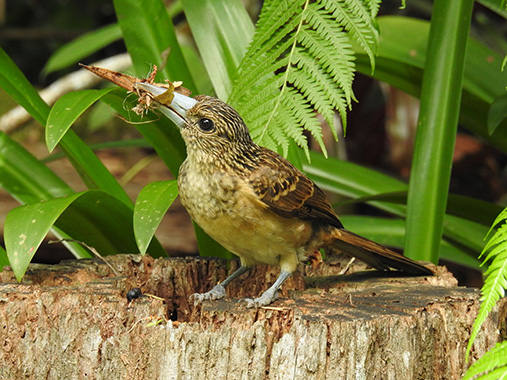
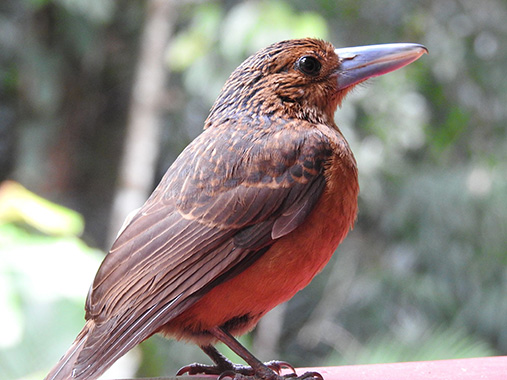
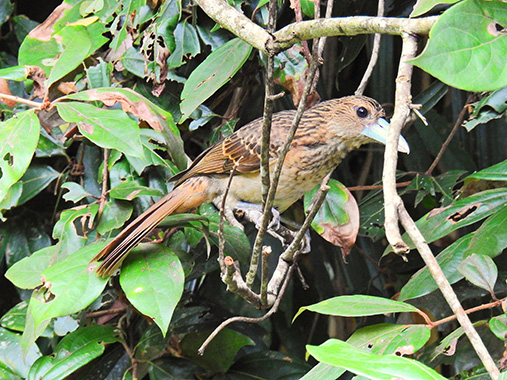
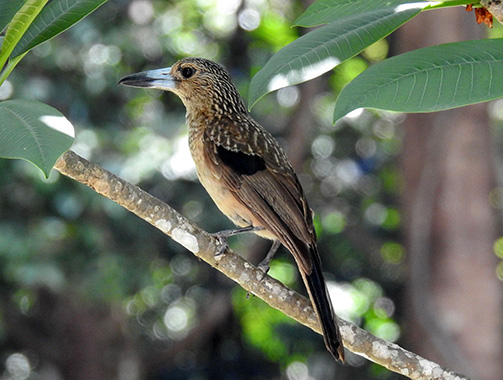
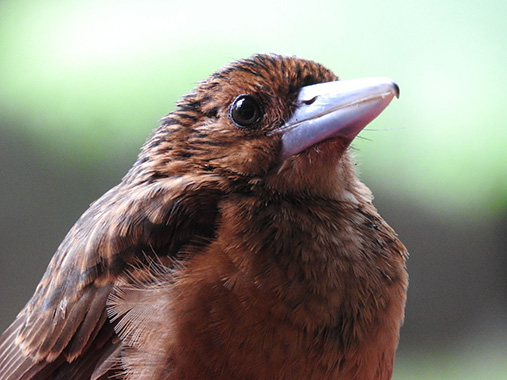
The Black Butcherbird is a medium-sized bird with a powerful build and strong hooked bill, typical of the butcherbird family.
Key features include
- Glossy black plumage covering most of the body
- Small white patch on the wing visible in flight
- Strong hooked bill used to capture prey
- Dark eyes and sturdy legs suited to perching and hunting
- Short, slightly rounded tail
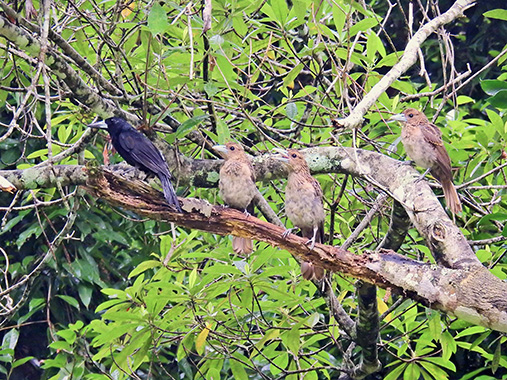
Males and females look very similar, although males are sometimes slightly larger.
What Does the Black Butcherbird Sound Like?
The Black Butcherbird is famous for its clear, rich and melodious calls, often described as flute‑like.
Common sounds include
- Deep musical whistles
- Clear ringing notes
- Short contact calls between birds
- Alarm calls when disturbed
The song is often delivered from high perches in tall trees, particularly at dawn and dusk. Many birdwatchers consider it one of the most beautiful bird calls in northern Australia.
Habitat and Distribution
The Black Butcherbird is found across northern Australia and parts of New Guinea.
In Australia it occurs mainly in
- Northern Western Australia
- Northern Territory
- Northern Queensland
Preferred habitats include
- Tropical rainforests
- Monsoon forests
- Mangrove forests
- Coastal woodlands
- Riverine forests
These environments provide dense vegetation for nesting and abundant prey.
Where Can You See Black Butcherbirds?
Birdwatchers are most likely to see Black Butcherbirds in northern tropical regions of Australia.
They are often spotted
- Perched quietly in tall trees
- Hunting from high branches
- Calling from forest edges or mangroves
- In coastal forests and woodland habitats
Because they can remain still for long periods, they are often heard before they are seen.
Diet and Feeding Behaviour
Black Butcherbirds are skilled hunters.
Their diet includes
- Large insects
- Beetles and grasshoppers
- Spiders
- Small reptiles such as lizards
- Small birds and mammals
- Occasionally fruit
Like other butcherbirds, they sometimes impale prey on sharp branches or forks in trees, which helps them hold and tear food apart.
Lifespan and Longevity
The Black Butcherbird is believed to live around 10–15 years in the wild, although exact lifespan data is limited.
Like many predatory songbirds, individuals may hold the same territory for many years.
Breeding and Nesting
The breeding season generally occurs during the warmer months, often between September and February, depending on local rainfall.
Nest
The nest is typically
- A cup-shaped structure
- Made from twigs, grass and plant fibres
- Built in the fork of a tree branch
Eggs and chicks
Typical breeding details include
- Clutch size: usually 2–3 eggs
- Egg colour: pale with darker markings
- Incubation period: around 16–18 days
Both parents may help feed and protect the chicks until they are ready to leave the nest.
Interesting Facts
- The Black Butcherbird belongs to the Artamidae family, which also includes Australian magpies and woodswallows.
- Its scientific name quoyi honours the French naturalist Jean René Constant Quoy.
- Its rich whistling calls are often heard at dawn in tropical forests.
- Like other butcherbirds, it has a hooked bill adapted for hunting prey.
- These birds are considered highly intelligent, with complex vocal behaviour.
Conservation Status
The Black Butcherbird is listed as Least Concern on the IUCN Red List.
The species remains widespread across northern Australia, particularly in relatively intact forest habitats.
Threats
Although the species is currently stable, potential threats include
- Habitat clearing
- Loss of coastal and mangrove forests
- Climate change affecting tropical ecosystems
- Predation of nests by introduced species
Protecting healthy tropical forests helps maintain stable populations.
What Can We Do to Help?
Protecting northern Australia’s forests and coastal habitats is the most important way to support this species.
Helpful actions include
- Protecting native forests and mangrove habitats
- Supporting conservation of tropical ecosystems
- Planting native trees that support insects and wildlife
- Protecting natural nesting areas
- Supporting responsible land management
Healthy ecosystems support not only Black Butcherbirds but also many other tropical bird species.
References
BirdLife Australia
https://birdlife.org.au
IUCN Red List – Melloria quoyi
https://www.iucnredlist.org
Australian Museum
https://australian.museum
Birds of the World – Cornell Lab of Ornithology
https://birdsoftheworld.org
Atlas of Living Australia
https://www.ala.org.au
Photo Gallery