APOSTLEBIRD
Apostlebird
A Cooperative Outback Bird of Australia
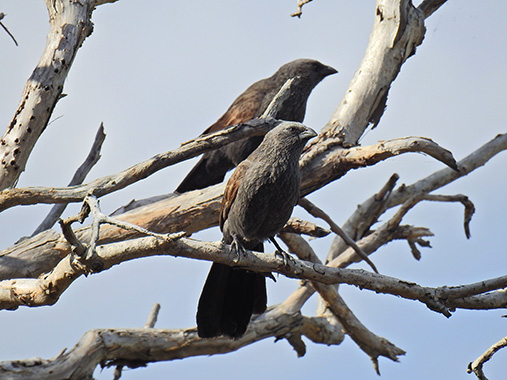
Across the dry woodlands and open forests of inland eastern Australia, a lively chorus of chattering calls often reveals the presence of one of the country’s most social birds—the Apostlebird. Known for their strong family bonds and almost constant conversation, these grey‑brown birds rarely live alone. Instead, they travel in tight-knit groups that work together to survive the challenges of Australia’s harsh inland environments.
The Apostlebird belongs to a small group of highly social Australian birds sometimes called “mud‑nest builders”, famous for constructing heavy nests made from mud and plant fibres. Their remarkable teamwork and cooperative breeding make them one of the most fascinating bird societies in the Australian bush.
Appearance
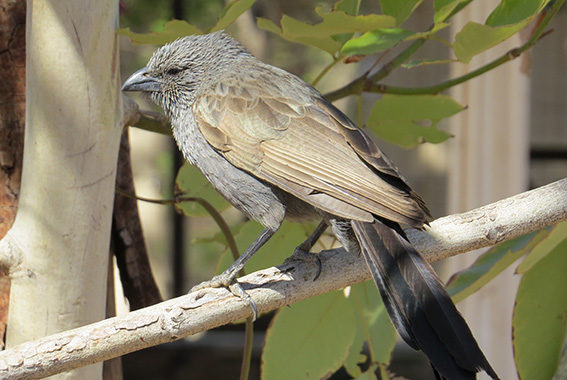
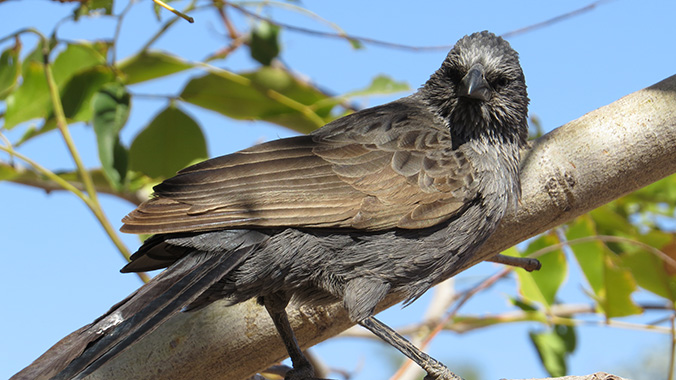
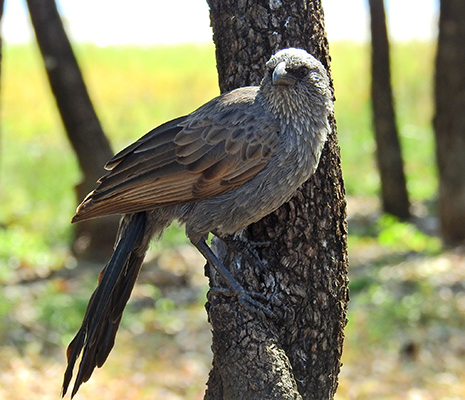
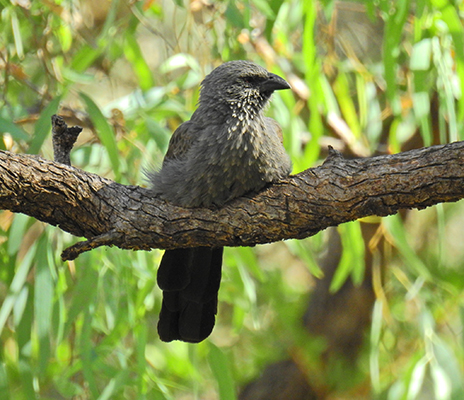
The Apostlebird is a medium-sized bird about 29–33 cm long, with a loose, slightly scruffy appearance that makes it easy to recognise.
Key features include:
- Soft grey-brown plumage covering most of the body
- Long dark tail often held slightly drooped
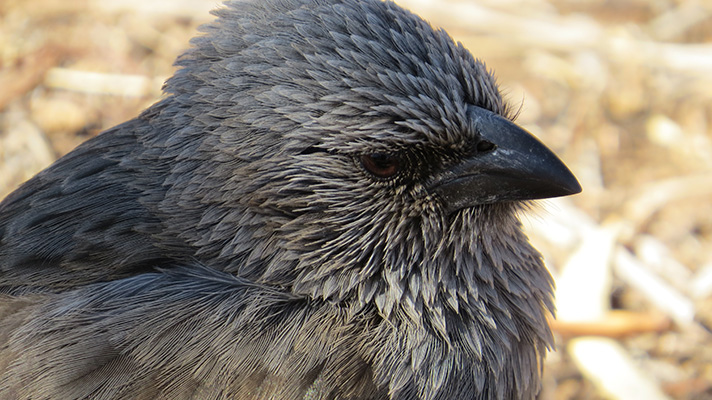
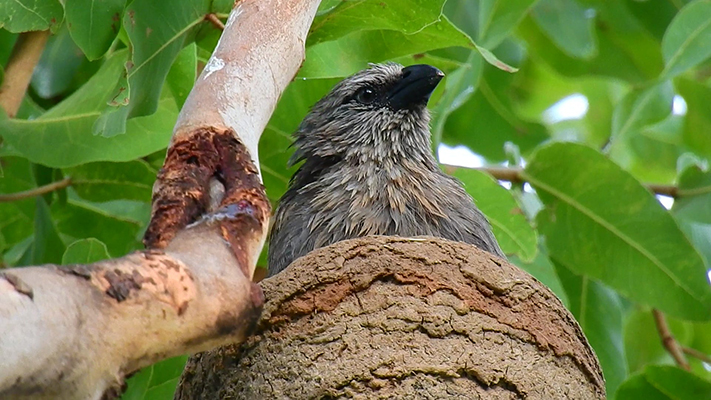
- Pale grey to bluish skin around the eye, giving the face an expressive look
- Black slightly curved bill suited to digging and probing
- Strong dark legs adapted for foraging on the ground
Juvenile birds resemble adults but usually appear fluffier and slightly paler.
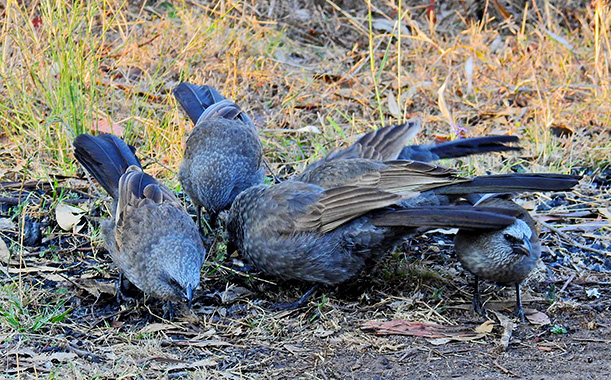
When moving through the bush, Apostlebirds often hop along the ground in a loose, bustling group, constantly calling to one another as they search for food.
Sounds and Calls
Apostlebirds are highly vocal, producing a wide range of chatter, whistles, and nasal calls.
Common sounds include:
- Rapid chattering calls that sound like “chirr-chirr-chirr”
- Soft whistles and squeaks used to maintain contact within the group
- Alarm calls, sharper and louder when predators are nearby
When several birds call together, the effect can sound like a lively conversation echoing through the woodland.
These constant calls help maintain group coordination, especially while feeding or defending territory.
Habitat and Distribution
Apostlebirds are found across inland eastern Australia, including:
- New South Wales
- Queensland
- Northern Victoria
- South Australia
They prefer open woodland, dry forests, farmland with scattered trees, and riverine areas. These habitats provide suitable ground foraging areas and trees where their mud nests can be built.
Groups often remain in the same territory year-round, especially where food and water are reliable.
Diet and Foraging Behaviour
Apostlebirds spend much of their day foraging on the ground, turning over leaf litter and probing soil.
Their diet includes:
- Insects and beetles
- Ants and termites
- Spiders
- Seeds and small fruits
- Occasionally small reptiles
They often forage cooperatively, spreading out slightly but remaining in contact through constant calling.
Longevity
Wild Apostlebirds can live around 6–8 years, though some individuals may survive longer in favourable conditions.
Because they live in cooperative groups, younger birds benefit from the protection and experience of older individuals, improving survival rates.
Breeding and Cooperative Family Life
One of the most remarkable aspects of Apostlebird behaviour is their cooperative breeding system.
Rather than breeding as pairs alone, entire groups help raise the chicks.
Nest Construction
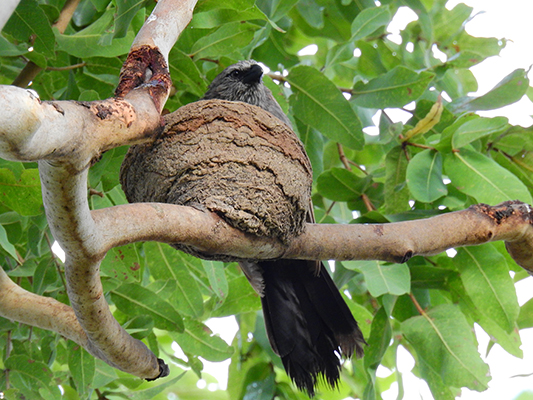
Their nest is distinctive:
- Built from mud mixed with grass and fibres
- Formed into a deep bowl or cup
- Placed in the fork of a tree branch
These nests can be heavy and durable, sometimes reused or repaired in later seasons.
Breeding Season
Breeding typically occurs from August to January, although rainfall can influence timing.
Eggs and Chicks
- Clutch size: usually 3–5 eggs
- Egg colour: pale grey or bluish with darker markings
- Incubation: about 18 days
Multiple group members help with:
- Feeding the chicks
- Guarding the nest
- Teaching young birds to forage
Young birds may stay with the family group for several years, helping raise later broods.
Why Are They Called “Apostlebirds”?
The name comes from the bird’s habit of travelling in groups of around twelve individuals, reminiscent of the twelve apostles in biblical tradition.
In reality, groups can vary widely in size—from 6 to more than 20 birds—depending on breeding success and territory conditions.
Because of this behaviour they are sometimes nicknamed:
- “Happy Family” birds
- “CWA birds” (a humorous Australian reference to social gatherings)
Interesting Facts
- Apostlebirds are among Australia’s most cooperative bird species, with complex social structures.
- They belong to the Corcoracidae family, which also includes the White-winged Chough, another mud‑nest builder.
- Their mud nests are so solid they can survive storms and multiple seasons.
- Young birds often delay breeding for years, helping their parents raise siblings first.
- Groups frequently engage in communal dust baths, where several birds bathe together in loose soil.
Conservation Status
According to the IUCN Red List, the Apostlebird is currently classified as:
Least Concern
However, in some regions populations are declining locally, particularly where woodland habitat has been heavily cleared.
Threats
Key threats include:
- Habitat clearing for agriculture and development
- Loss of mature trees needed for nesting
- Predation by cats and foxes
- Fragmentation of woodland habitat, which disrupts their social group structure
Because Apostlebirds depend on stable territories and family groups, habitat disruption can have significant impacts.
How We Can Help
Supporting Apostlebirds and other woodland wildlife can be surprisingly simple.
Actions that help include:
- Protecting remnant woodland and native trees
- Planting native vegetation that supports insect life
- Leaving leaf litter in gardens and bush areas for natural foraging
- Controlling feral predators such as cats and foxes
- Installing bird-friendly water sources in dry regions
Protecting habitat benefits not only Apostlebirds, but also a wide range of Australian woodland species.
A Symbol of Cooperation in the Australian Bush
The Apostlebird is more than just a woodland bird—it is a living example of cooperation, communication, and family loyalty in the natural world. Their lively chatter and close-knit groups remind us that survival in Australia’s demanding landscapes often depends on working together.
By protecting the woodlands they call home, we ensure that future generations will continue to hear the cheerful conversations of these remarkable birds echoing through the Australian bush.
References
BirdLife International
https://www.birdlife.orgIUCN Red List – Struthidea cinerea
https://www.iucnredlist.orgBirdLife Australia Species Profile
https://birdlife.org.auAustralian Government – Species Profile and Threats Database
https://www.environment.gov.auCornell Lab of Ornithology – Birds of the World
https://birdsoftheworld.orgAustralian Museum
https://australian.museum
Photo Gallery