Australian crab spiders
Australian Crab Spiders
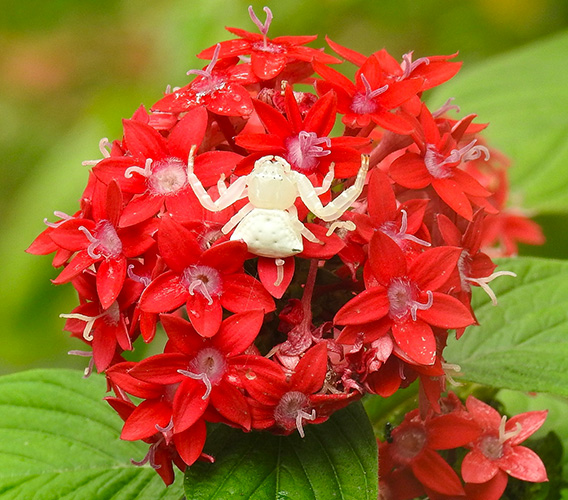
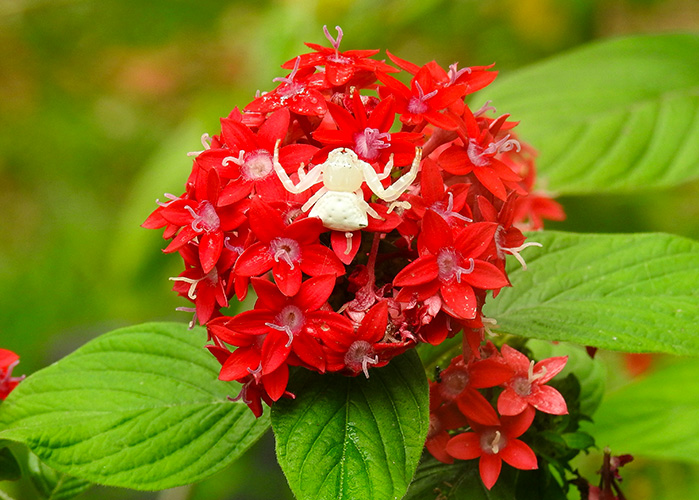
As the sun rises over an Australian bushland clearing, wildflowers slowly turn their faces toward the light. The air carries the soft hum of insects beginning their day. On one pale blossom, something waits — unmoving, perfectly shaped, perfectly coloured. It looks like part of the flower itself.
It is an Australian crab spider, and its story is one of patience, precision and remarkable adaptation.
A Hunter Hidden in Plain Sight
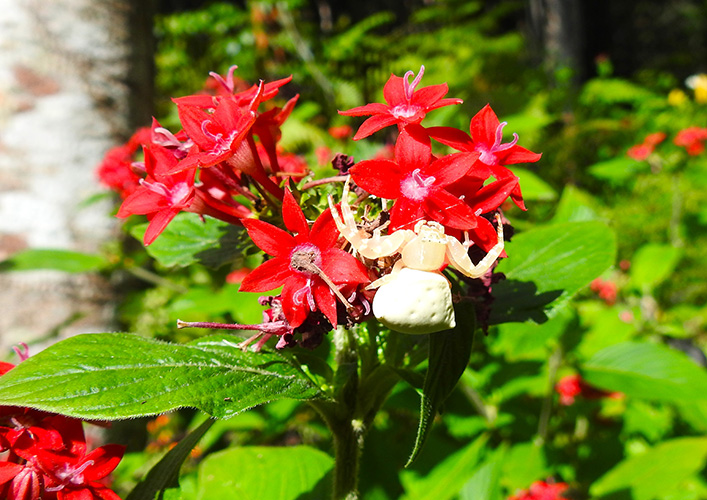
Crab spiders belong to the family Thomisidae, a widespread and ancient group found across Australia. They are named for their sideways, crab-like stance, with their first two pairs of legs held wide and ready. Unlike many spiders, they do not rely on webs to catch food. Instead, they hunt by becoming almost invisible.
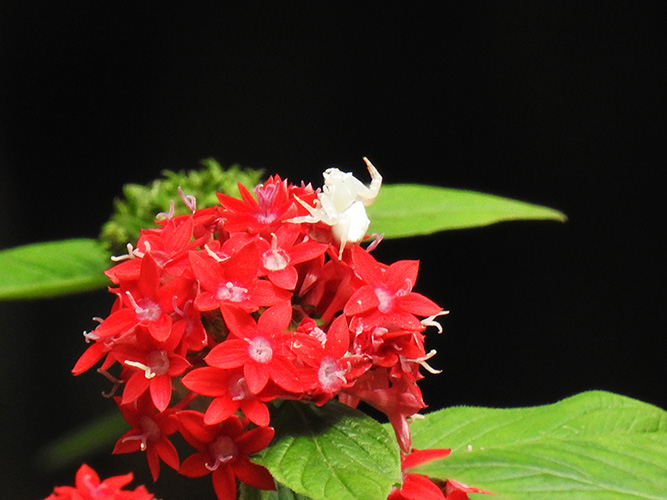
Some species are white, yellow, green or pink, matching the flowers they live on. Others are mottled brown or grey, blending seamlessly into bark and leaves. Over several days, certain crab spiders can slowly change colour, adjusting pigments in their bodies to better match their chosen hunting platform.
In the bright light of a daisy or native pea flower, even a careful observer may fail to notice one.
Built for Stillness and Speed
Crab spiders are small but powerfully built.
- Females: 6–12 mm long, larger and broader-bodied
- Males: 3–6 mm, slimmer and more mobile
- Body shape: flattened to cling tightly to surfaces
- Front legs: long, strong and used like grasping arms
They have eight eyes, but their vision is modest. Instead, they experience the world through vibration, touch and air movement, sensing the faint tremor of wings as an insect lands nearby.
For hours — sometimes an entire day — a crab spider may not move at all. Then, in a fraction of a second, stillness becomes action.
The Ambush
When a bee, butterfly or fly settles on the flower, the spider strikes.
The front legs snap shut, gripping the prey. Venom is injected to immobilise it quickly, followed by digestive enzymes that turn the insect’s tissues into liquid. The spider feeds slowly, secure in its floral disguise.
This hunting method allows crab spiders to capture prey larger than themselves, all without building a web.
Where They Live
Australian crab spiders are found in nearly every habitat where insects gather:
- Bushland and forests
- Grasslands and heath
- Coastal scrub
- Gardens and agricultural landscapes
They are most visible during spring and summer, when flowering plants attract pollinators — and pollinators attract crab spiders.
A Delicate Courtship
When breeding season arrives, the quiet tension of their world increases.
Males are much smaller than females and must approach with care. A sudden movement could trigger a hunting response. Courtship involves cautious tapping and subtle signals, with frequent pauses. If accepted, mating is brief.
In some cases, the male escapes. In others, he may be eaten — a risk written into the life history of the species.
The Next Generation
After mating, the female creates a silken egg sac, usually hidden beneath leaves, bark or flower heads.
- Eggs per sac: 50–200
- Incubation: 2–4 weeks
- Females often guard the egg sac, remaining nearby and defending it
When the spiderlings hatch, they linger briefly before dispersing into the surrounding vegetation. Some are carried by the wind on silk threads, beginning their solitary lives.
A Short but Purposeful Life
The life of a crab spider is brief but finely tuned.
| Life Stage | Duration |
|---|---|
| Egg | 2–4 weeks |
| Juvenile (several moults) | 6–10 months |
| Adult | 3–6 months |
| Total lifespan | Around 1 year |
Females usually live longer than males, particularly if they survive long enough to reproduce.
Quiet Marvels: Fascinating Facts
- Some crab spiders reflect ultraviolet light, matching flower patterns seen by insects but invisible to humans.
- They can remain motionless for many hours, conserving energy.
- Their body design has changed little over tens of millions of years, a sign of evolutionary success.
- Despite their fearsome hunting skills, they are harmless to humans. Bites are rare and cause only mild irritation.
A Subtle Role in the Ecosystem
Crab spiders are part of a delicate ecological balance.
They help regulate insect populations and influence how pollinators move between plants. In turn, they become food for birds, lizards and parasitic insects. Their presence signals healthy plant and insect diversity.
Reducing pesticide use and planting native flowers allows these quiet hunters to continue their ancient role.
The Australian crab spider teaches us that survival does not always belong to the fastest or the loudest. Sometimes it belongs to those who wait — perfectly still, perfectly adapted — becoming part of the landscape itself.
Photo Gallery