Australian native Stingless bees
Australian Native Stingless Bees
Australia is home to over 1,700 species of native bees, and among the most captivating are our stingless bees, primarily from the genus Tetragonula (formerly Trigona) and Austroplebeia. Unlike their introduced European honey bee cousins, these tiny marvels are, as their name suggests, stingless! They’re a truly unique and integral part of our diverse native fauna.
A Tiny Bee with a Big Impact
Measuring a mere 2 to 4 millimetres in length, these small, dark bees are often overlooked, but their importance cannot be overstated. They are crucial pollinators for a vast array of Australian native plants, including many in our rainforests and eucalypt forests. By moving pollen from flower to flower, they help these plants reproduce, contributing to the health and biodiversity of our unique landscapes.
Where Do They Live?
You’ll typically find Australian native stingless bees in the warmer, tropical, and subtropical regions of Queensland, New South Wales, the Northern Territory, and some parts of Western Australia. They thrive in areas with abundant flowering plants, where they can forage for nectar and pollen.
Their Remarkable Nests
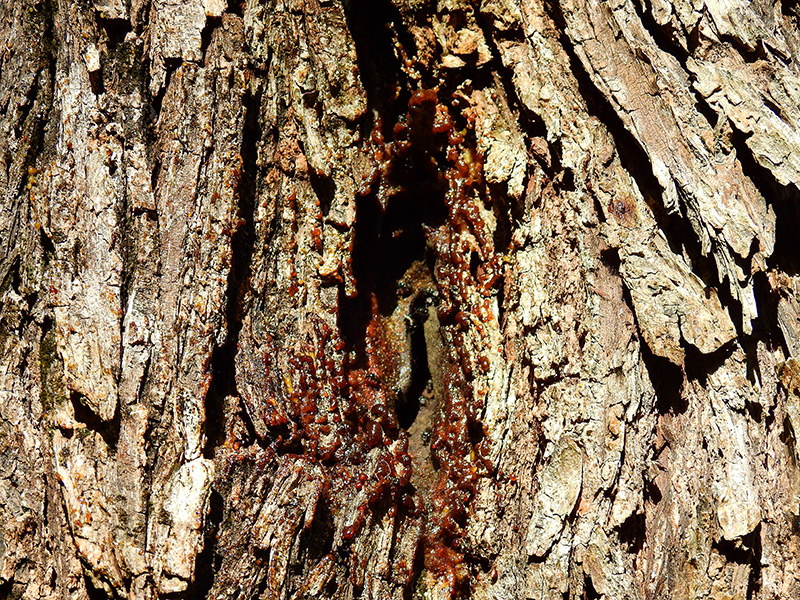
One of the most intriguing aspects of stingless bees is their nest architecture. Unlike the hexagonal combs of European honey bees, stingless bees construct elaborate nests from a mixture of propolis (a sticky resin collected from plants) and wax. These nests are often found in tree hollows, fallen logs, rock crevices, and even in man-made structures like wall cavities or compost bins.
Let’s take a peek inside a typical stingless bee nest:
- Brood Comb: This is where the queen lays her eggs, and the larvae develop. It’s usually a spiral or semi-spiral structure.
- Pots for Honey and Pollen: Stingless bees store their honey and pollen in small, ovoid, or pear-shaped pots, separate from the brood. These pots are often made from cerumen, a mix of propolis and wax.
- Involucrum: This is a series of protective layers that enclose the brood and food stores, acting as insulation and protection for the colony.
- Entrance Tunnel: The nest entrance is usually a distinctive funnel-shaped tube made of propolis, often guarded by worker bees.
Honey Production: A Sweet Surprise
While they don’t produce honey on the commercial scale of European honey bees, native stingless bees do produce a small amount of delicious “sugarbag” honey. This honey has a unique, sometimes tangy or fruity flavour, often described as having hints of eucalyptus or the specific flowers they’ve visited. It’s a highly prized treat and is often sought after for its distinct taste and perceived medicinal properties.
Why Are They Stingless?
The term “stingless” is a bit of a misnomer, as these bees actually possess a sting. However, it’s highly reduced and not capable of penetrating human skin. Instead of stinging, their primary defence mechanisms include biting (which feels like a gentle pinch) and tangling themselves in an attacker’s hair, sometimes even entering eyes or nostrils in an attempt to disorient a threat. They’re generally very docile and pose no threat to humans.
Keeping Native Stingless Bees
In recent years, keeping native stingless bees, known as ‘Sugarbag Beekeeping’, has grown in popularity. Many people are establishing hives in their gardens for pollination purposes and to enjoy a taste of their unique honey. These bees are often housed in specially designed ‘OATH’ (Original Australian Trigona Hive) boxes, which allow for easy viewing and management of the colony.
That’s a fantastic question and shows a real commitment to our native wildlife! Protecting Australian native stingless bees is something we can all contribute to, and every little bit helps these tiny but mighty pollinators. Here’s how we can all lend a hand:
How to Help Protect Australian Native Stingless Bees
Our stingless bees face various challenges, from habitat loss to pesticide use. By understanding these threats, we can take practical steps to ensure their survival and help their populations thrive.
1. Create a Bee-Friendly Garden
One of the most effective ways to help is by transforming your garden into a haven for native bees.
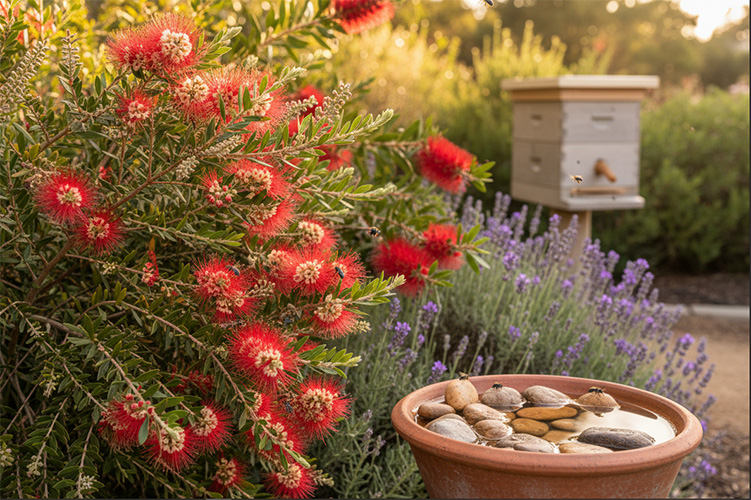
- Plant Native Flowers: Stingless bees have evolved alongside Australian native flora. Planting a diverse range of local species, especially those with small, open flowers, will provide a consistent food source of nectar and pollen throughout the year. Think about Bottle Brushes (Callistemon), Grevilleas, and Tea Trees (Leptospermum).
- Provide Water: Bees need water, especially on hot days. A shallow dish with pebbles or marbles in it (to prevent drowning) can be a lifesaver.
- Offer Shelter: If you have suitable conditions, consider installing a native stingless beehive (as discussed previously). If not, simply leaving some undisturbed areas with leaf litter or creating a ‘bee hotel’ can provide nesting sites for other solitary native bee species, supporting the broader bee population.
2. Reduce or Eliminate Pesticide Use
Pesticides, especially insecticides, are a major threat to all bees.
- Choose Organic Alternatives: Opt for organic pest control methods whenever possible. Many common garden pests can be managed without harmful chemicals.
- Avoid Systemic Pesticides: These chemicals are absorbed by the plant and can make the pollen and nectar toxic to bees for extended periods.
- Spray Responsibly: If you must use a pesticide, choose the least toxic option, apply it in the evening when bees are less active, and never spray flowering plants where bees are foraging.
3. Protect and Restore Natural Habitats
Habitat loss is a significant issue for all native wildlife, including stingless bees.
- Preserve Tree Hollows: Many stingless bee colonies nest in tree hollows. If you have old trees on your property, try to retain them as they provide vital nesting sites.
- Support Conservation Efforts: Get involved with local conservation groups that are working to protect and restore native bushland. These efforts directly benefit native bees by preserving their natural foraging and nesting grounds.
4. Spread Awareness and Educate Others
Knowledge is power!
- Share Information: Inform others about the importance of native stingless bees and how to protect them.
- Talk to Friends and Family: Encourage those around you to adopt bee-friendly practices in their own gardens and communities.
- Observe and Appreciate: Take the time to observe these fascinating creatures in your garden or local park. The more we appreciate them, the more likely we are to protect them.
By taking these steps, big or small, we can all contribute to the long-term health and survival of Australia’s amazing native stingless bees. They’re an irreplaceable part of our natural heritage, and their future depends on our care!
Photo Gallery