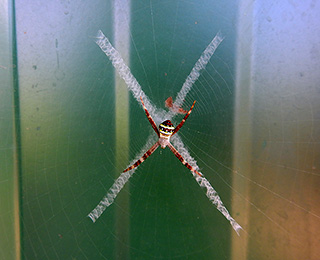
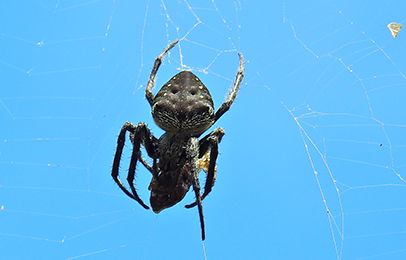
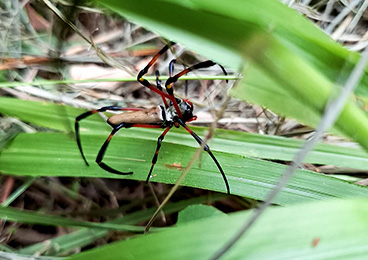
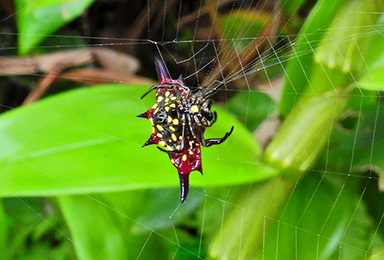
At dawn, when the air is cool and still, a perfect circle of silk glows between branches. Dew gathers on each thread, turning a spider’s web into a living constellation. These delicate structures belong to Australian orb‑weaving spiders, master builders whose webs are among the most recognisable sights in gardens and bushland across the country.
Orb‑weavers belong to the family Araneidae, a diverse group of spiders celebrated for their engineering skill and quiet ecological importance.
Where Australian Orb Weavers Are Found
Orb‑weaving spiders are found throughout Australia, from tropical rainforests to temperate gardens and inland woodlands.
They are commonly seen in:
Backyards and gardens
Forest edges and bush tracks
Grasslands
Around outdoor lights, where insects gather
Their webs are often built overnight and are most visible in the early morning.
Diversity of Orb Weavers in Australia
Australia is home to hundreds of orb‑weaver species, ranging from tiny garden spiders to large, boldly patterned hunters.
Orb‑weavers are famous for their circular webs, carefully engineered structures made from different types of silk.
Their webs include:
Strong frame threads for support
Non‑sticky radial lines
Sticky spiral threads to capture prey
Some species rebuild their webs every night, recycling silk proteins by eating the old web.
What Orb Weavers Eat
Orb‑weaving spiders are sit‑and‑wait predators.
Their diet includes:
Flies
Mosquitoes
Moths
Beetles
Wasps
When an insect strikes the web, vibrations travel through the silk. The spider rushes out, wraps the prey in silk and delivers a quick bite.
Daily Behaviour
Mostly nocturnal web builders
Rest during the day, often hidden in nearby leaves
Some species sit boldly at the centre of the web
Webs are often dismantled by morning
This rhythm reduces damage from wind and predators.
Breeding and Life Cycle
Breeding usually occurs in spring and summer.
Males are smaller and approach cautiously
Courtship involves web vibrations
Females produce silk egg sacs attached to vegetation
Spiderlings disperse after hatching
Most orb‑weavers live about one year, completing their life cycle within a single warm season. Venom and Safety
Orb‑weaving spiders are venomous, but:
Their venom is harmless to humans
Bites are rare and usually mild
Most bites feel similar to a bee sting
They are non‑aggressive and rely on webs, not venom, for success.
Indigenous Knowledge and Cultural Meaning
Orb‑weaving spiders feature in Aboriginal knowledge systems as symbols of:
Creation and connection
Balance within ecosystems
The weaving together of life
Webs were closely observed, reflecting deep understanding of seasonal change, insect abundance and environmental health.
Fascinating Facts About Orb Weavers
Some webs can span over one metre
Golden orb weavers produce silk with a natural golden hue
Many species rebuild webs nightly
Spider silk is stronger than steel by weight
Web placement accounts for wind direction and insect flight paths
Why Australian Orb Weavers Matter
Orb‑weaving spiders play a vital role in nature:
They help control flying insect populations
Their webs support balanced ecosystems
They add beauty and structure to our landscapes
By leaving their webs undisturbed — especially overnight — we allow these skilled architects to continue their quiet work. Orb‑weavers remind us that some of nature’s most impressive creations are woven thread by thread, in silence.