Australian Praying Mantises
Australian Praying Mantises
Quiet hunters of the Australian landscape.
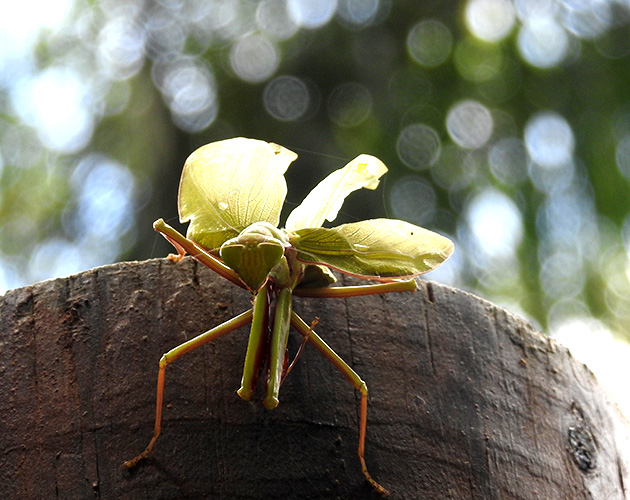
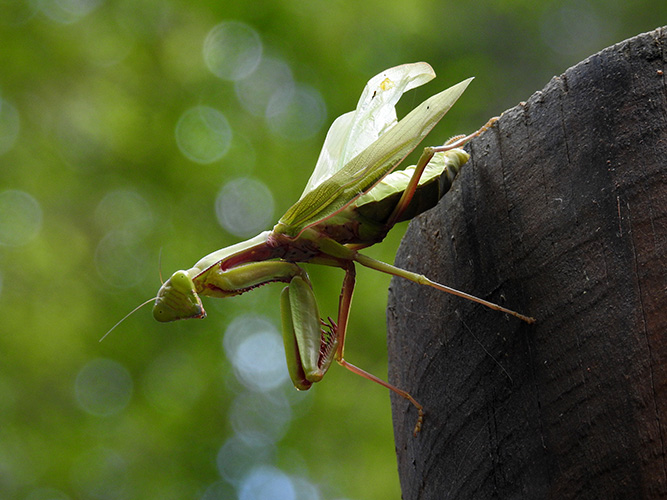
In the stillness of an Australian garden or along the edge of a bush track, a praying mantis waits. Perfectly camouflaged, it sways gently like a leaf in the breeze, forelegs folded as though in prayer. Australian praying mantises are fascinating insects — patient, skilful hunters that play an important role in healthy ecosystems.
Australia is home to more than 200 species of mantis, many found nowhere else in the world.
What Is a Praying Mantis?
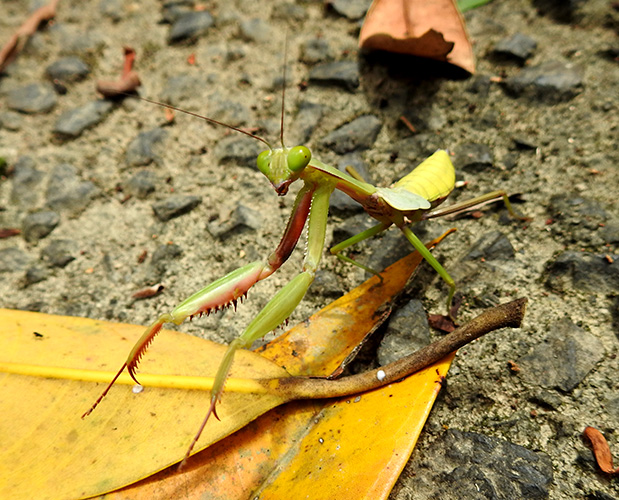
Praying mantises are insects belonging to the order Mantodea. They are known for their:
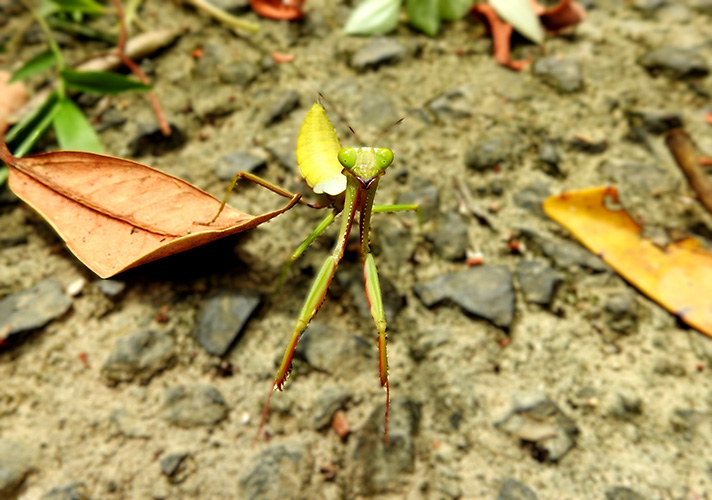
- Triangular heads with large, forward‑facing eyes
- Long, flexible necks that can turn almost 180 degrees
- Powerful front legs designed for grasping prey
Despite their calm appearance, mantises are highly efficient predators.
Common Australian Praying Mantises
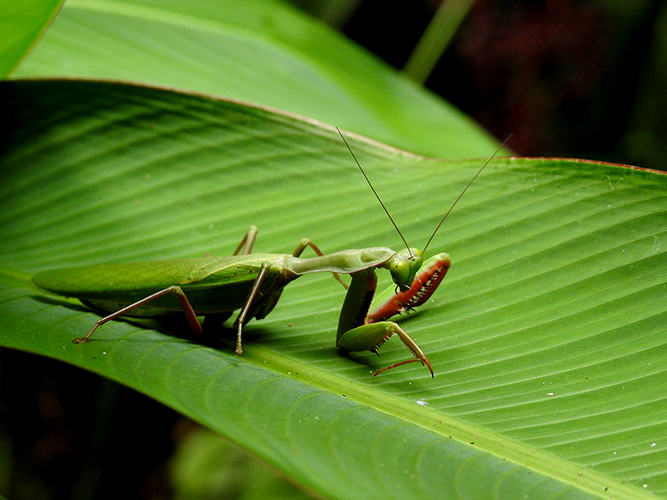
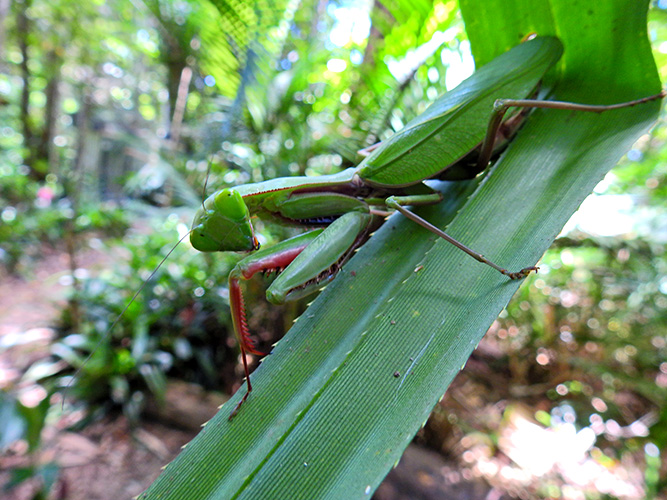
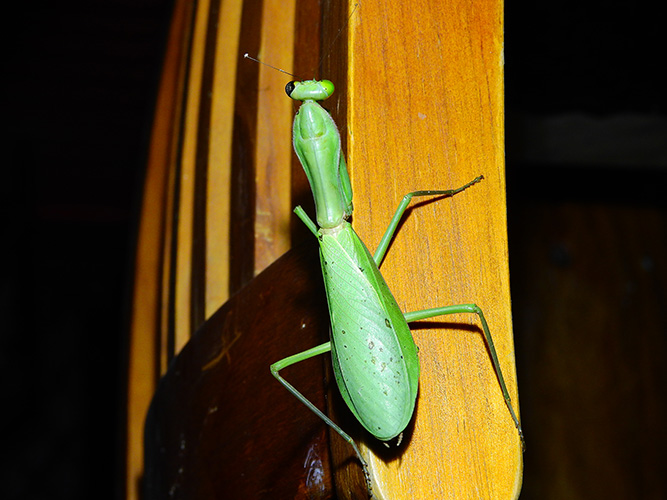
Australian Garden Mantis (Tenodera australasiae)
- One of the largest and most recognisable species
- Usually green or brown
- Common in gardens, parks and bushland
False Garden Mantis (Pseudomantis albofimbriata)
- Smaller and more compact
- Often seen on flowers and shrubs
- Excellent camouflage
Bark Mantises
- Flattened bodies that blend seamlessly with tree bark
- Masters of stillness and disguise
Life Cycle of a Praying Mantis
Praying mantises undergo incomplete metamorphosis, meaning there is no caterpillar or pupal stage.
- Egg – Eggs are laid in a foamy case called an
ootheca, often attached to branches or fences
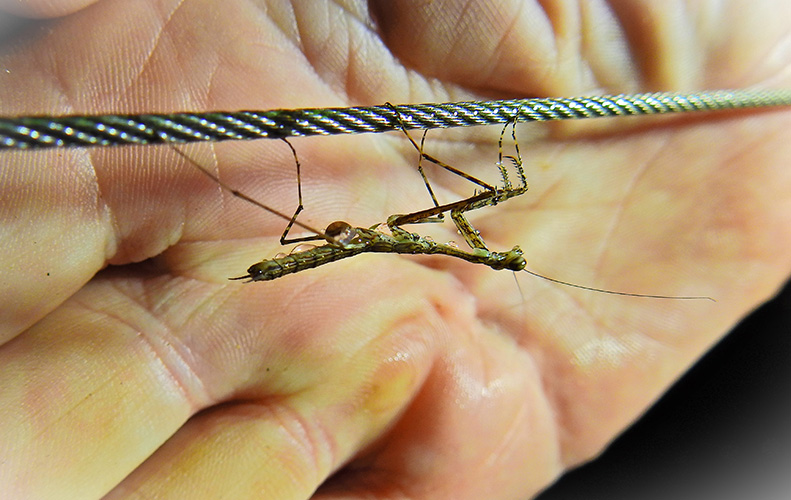
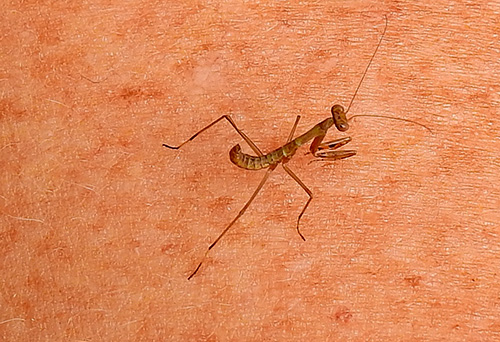
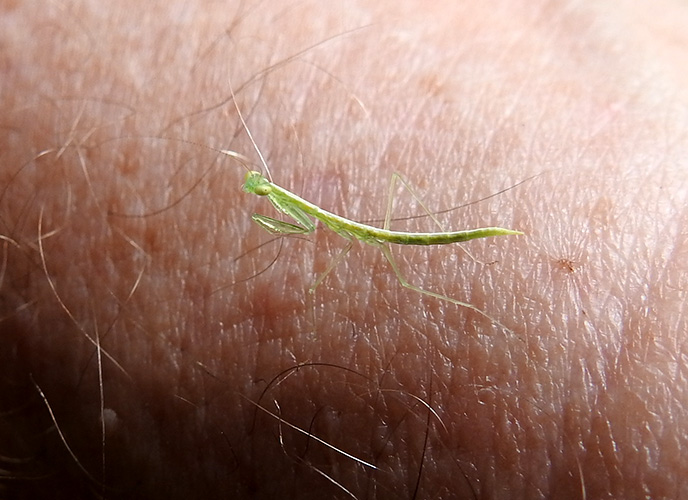
- Nymph – Tiny mantises hatch as nymphs, miniature versions of adults
- Adult – After several moults, wings develop and the mantis reaches adulthood
A single ootheca can contain dozens to hundreds of eggs.
What Do Australian Mantises Eat?
Praying mantises are carnivores.
Their diet includes:
- Flies and mosquitoes
- Moths and butterflies
- Grasshoppers
- Occasionally other mantises
Large mantises may even capture small lizards or frogs, though this is rare.
Habitat and Distribution
Australian mantises are found in:
- Gardens and backyards
- Forests and woodlands
- Grasslands and coastal scrub
They thrive wherever there is vegetation and insect life.
Masters of Camouflage
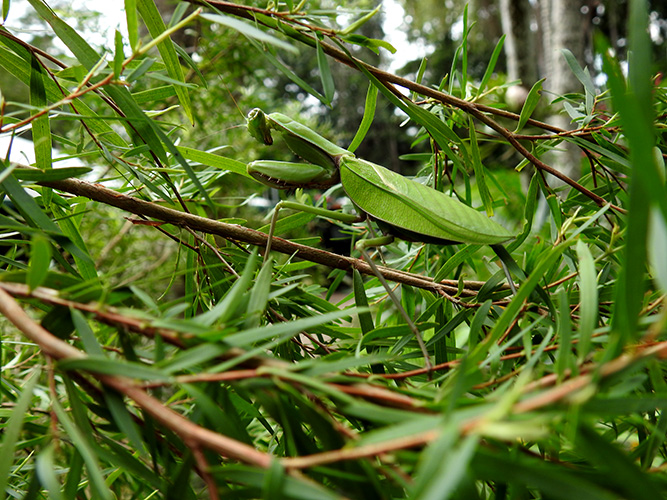
Mantises rely on camouflage rather than speed. Their colours and body shapes mimic:
- Leaves
- Twigs
- Bark
- Flowers
This allows them to ambush prey and avoid predators such as birds and reptiles.
Are Praying Mantises Dangerous?
No. Praying mantises are harmless to humans.
They may raise their forelegs or hiss softly if handled, but they are not aggressive and do not bite unless threatened.
Why Praying Mantises Matter
Praying mantises help:
- Control insect populations naturally
- Maintain balance in garden ecosystems
- Reduce the need for chemical pesticides
They are a valuable ally in both wild and urban environments.
Mantises depend on healthy vegetation and insect diversity. Avoiding pesticides and preserving native plants helps ensure these remarkable insects continue to thrive across Australia.
Photo Gallery