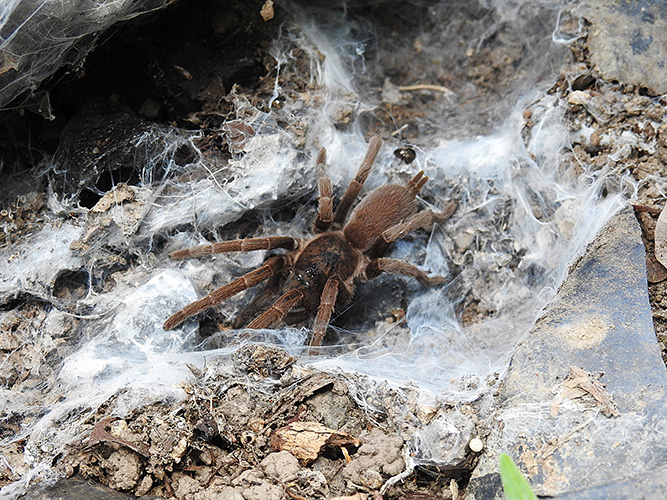
Australian Tarantula
Australian Tarantula
Gentle giants of the bush
Australian tarantulas are among the largest and most impressive spiders on the continent. Often called whistling spiders or barking spiders, these slow‑moving arachnids are powerful hunters, expert burrowers, and an important part of Australia’s invertebrate wildlife. Despite their size and fearsome appearance, Australian tarantulas are generally shy and non‑aggressive.
Scientific Classification
- Class:
Arachnida - Order:
Araneae - Family:
Theraphosidae
Australian tarantulas belong to the same family as tarantulas found in other parts of the world, but they are distinct species adapted to Australia’s unique environments.
What Is an Australian Tarantula?
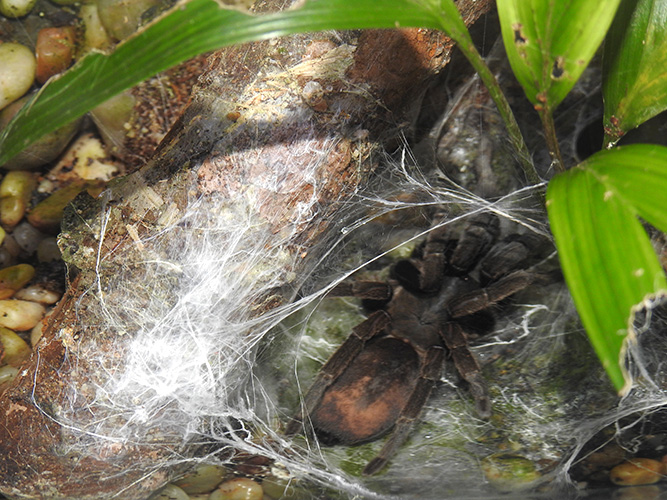
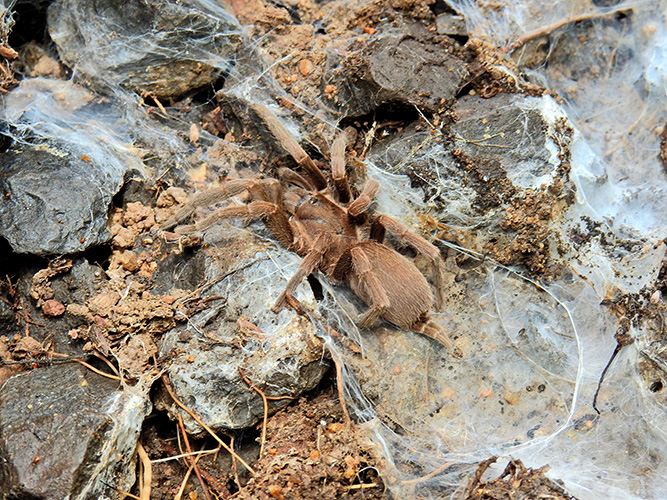
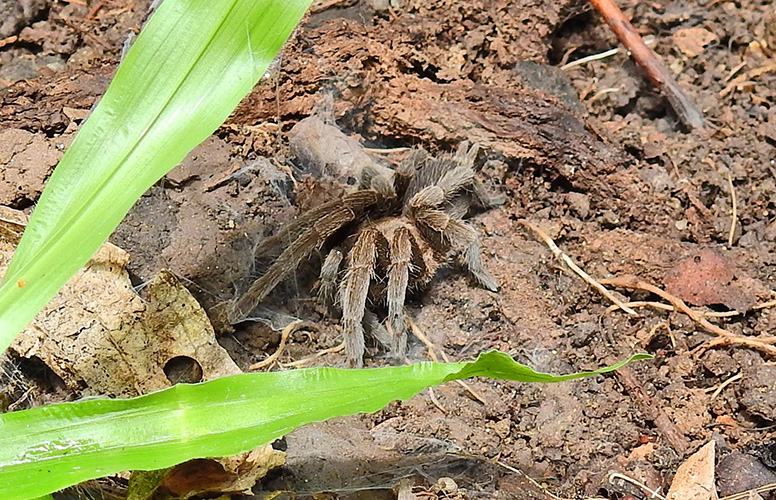
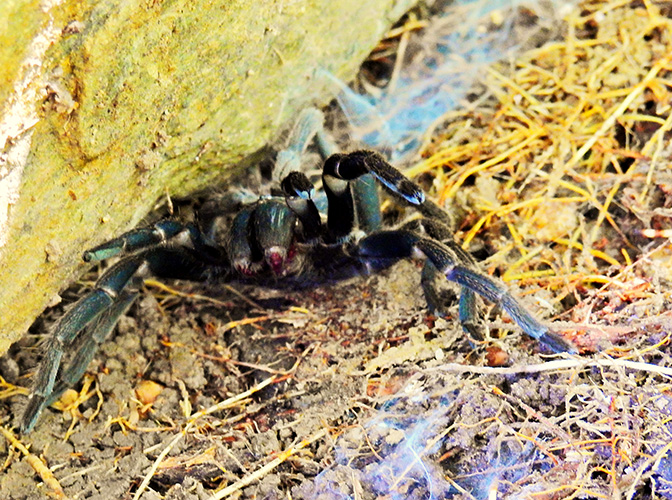
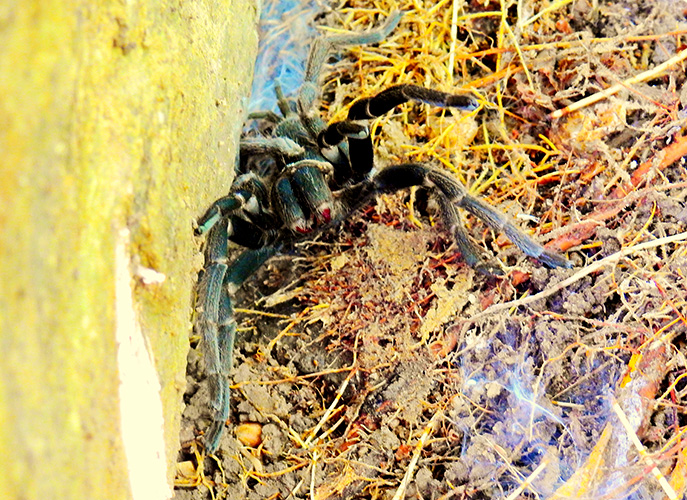
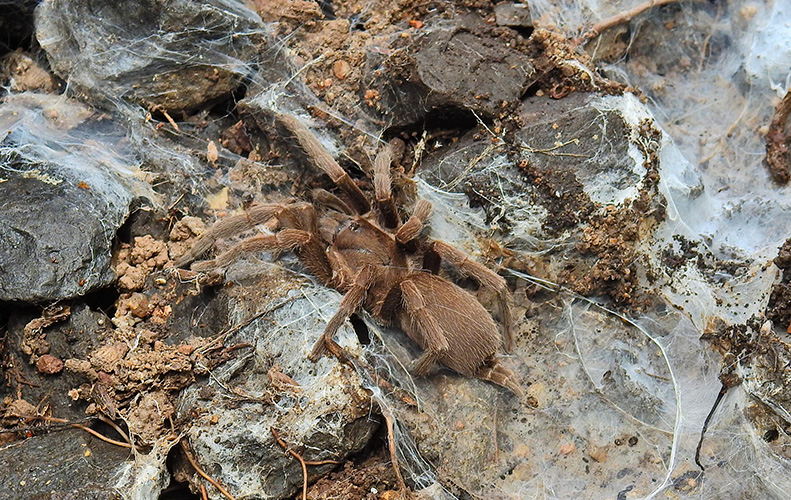
Australian tarantulas are large, hairy spiders with thick legs and a solid body. Some species can reach a leg span of 15–20 centimetres, making them among the largest spiders in Australia.
They are best known for:
- Their burrowing lifestyle
- A defensive hissing or whistling sound
- Their calm, deliberate movements
Unlike web‑building spiders, tarantulas are ambush predators that wait patiently for prey to pass close by.
Where Do They Live?
Australian tarantulas are found across much of the mainland, particularly in:
- Open woodlands
- Forest edges
- Grasslands
- Semi‑arid regions
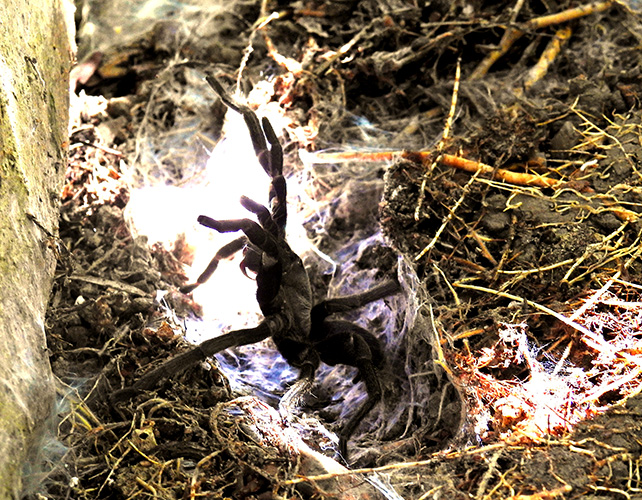
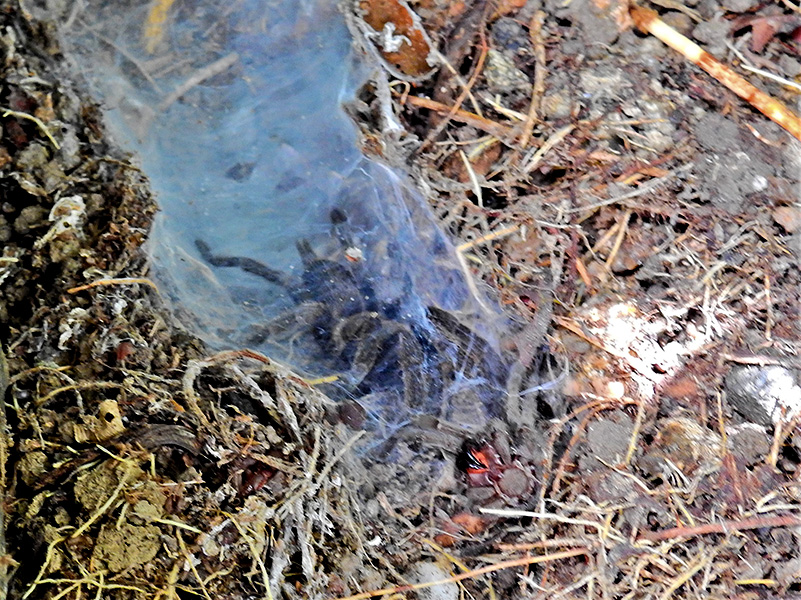
They live in deep, silk‑lined burrows, often concealed beneath leaf litter or at the base of trees. These burrows protect them from heat, predators, and dehydration.
Diet and Hunting Behaviour
Australian tarantulas feed on a range of animals, including:
- Insects
- Other spiders
- Small reptiles and frogs
Despite popular myths, they rarely eat birds. The name “bird‑eating spider” is misleading and based on rare, exceptional observations.
Tarantulas rely on:
- Vibration sensing
- Quick lunges
- Strong fangs
to capture prey near their burrow entrance.
Defence and Venom
Australian tarantulas are not dangerous to humans.
Their defences include:
- Retreating into their burrow
- Rearing up to appear larger
- Producing a whistling or hissing sound by rubbing body parts together
- Biting only as a last resort
Their venom is not medically significant to humans, though a bite can be painful and should be cleaned to prevent infection.
Bites are rare and usually occur only when the spider is handled or threatened.
Growth and Lifespan
Australian tarantulas grow slowly and live surprisingly long lives:
- Females may live for 20 years or more
- Males usually live much shorter lives, often only a few years
They grow by shedding their exoskeleton in a process called ecdysis. During this time, they are vulnerable and remain hidden.
Role in the Ecosystem
As predators, tarantulas help control populations of insects and small animals. Their burrows also:
- Improve soil structure
- Provide shelter for other animals once abandoned
They are a quiet but important part of Australia’s ecosystems.
Conservation and Human Interaction
Australian tarantulas are not endangered, but they can be affected by:
- Habitat loss
- Land clearing
- Road traffic
- Illegal collection for the pet trade
These spiders are protected wildlife in many parts of Australia and should be observed, not disturbed.
Respecting Australian Tarantulas
If you encounter an Australian tarantula:
- Observe from a distance
- Do not attempt to handle it
- Leave burrows undisturbed
Understanding these spiders helps replace fear with appreciation and supports their long‑term survival.
A Spider Worth Knowing
Australian tarantulas remind us that size and strength do not equal danger. They are ancient, patient, and perfectly adapted to life in the Australian landscape.
🕷️ By learning about them, we take another step toward protecting Australia’s remarkable invertebrate wildlife.
Photo Gallery