BLACK FLYING FOX
The Black Flying‑fox
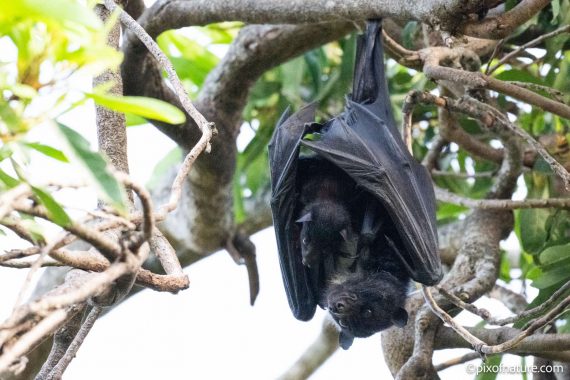
The Black Flying‑fox (Pteropus alecto) is one of Australia’s largest and most important native bats. With its impressive wingspan, fox‑like face, and important role in pollinating forests, this species is a vital part of Australia’s natural environment.
Often seen flying across the evening sky in large numbers, Black Flying‑foxes are members of the megabat or fruit bat group and belong to the family Pteropodidae. Despite their size and sometimes noisy colonies, they are gentle animals that play a crucial role in maintaining healthy forests.
What Does the Black Flying‑fox Look Like?
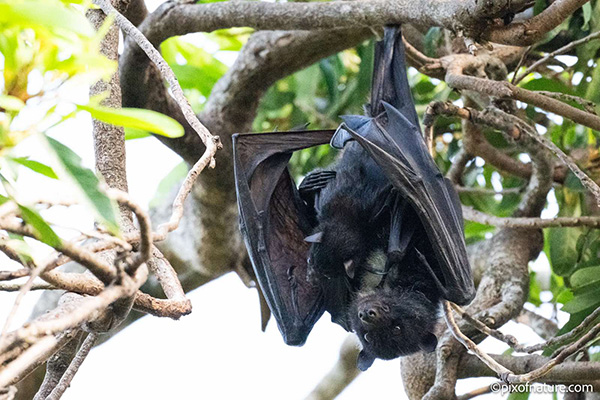
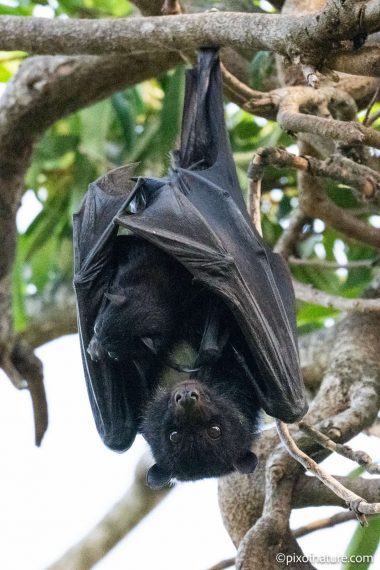
The Black Flying‑fox is a large bat with a wingspan that can reach up to 1.5 metres.
Key features include:
- Body colour: dark brown to black fur
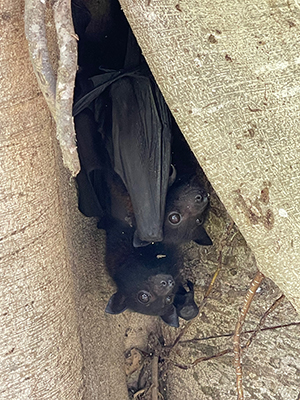
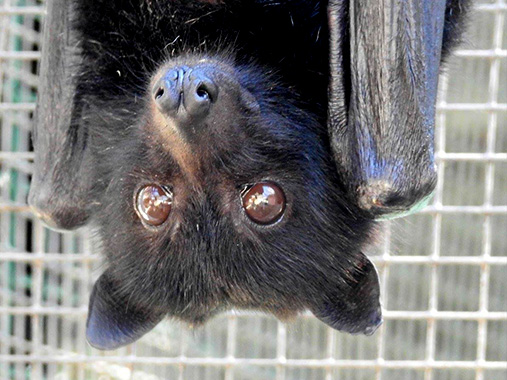
- Face: fox‑like appearance with pointed ears and large eyes
- Wing membrane: dark and leathery
- Neck and shoulders: often slightly lighter in colour
- Weight: usually between 600 and 1,000 grams
Their large eyes help them see well in low light, and their strong wings allow them to travel long distances while feeding.
Habitat and Distribution
The Black Flying‑fox occurs across northern and eastern Australia, particularly in warm coastal and inland regions.
It is found in areas such as:
- Queensland
- Northern Territory
- northern New South Wales
- parts of Western Australia
Typical habitats include:
- tropical and subtropical forests
- mangrove forests
- woodland areas
- urban parks and gardens with flowering trees
During the day, Black Flying‑foxes gather in large colonies known as camps, usually in tall trees near water.
Feeding Habits
Black Flying‑foxes feed mainly on nectar, pollen, and fruit.
Common food sources include:
- flowering eucalypts
- paperbark trees
- rainforest blossoms
- native fruits
- cultivated fruit trees
Because they travel long distances between feeding areas, they are extremely important pollinators and seed dispersers.
Many Australian trees rely on flying‑foxes to spread pollen between forests and help regenerate vegetation.
Breeding and Life Cycle
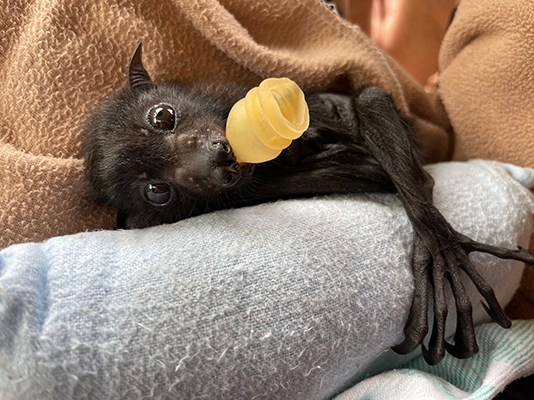
Black Flying‑foxes usually give birth to one pup per year.
- Breeding season: typically in autumn
- Gestation: about six months
- Birth: usually between September and November
The mother carries the young pup while flying during the early weeks of its life. As the pup grows, it is left at the roost during nightly feeding trips.
Young bats begin flying independently after several months.
Longevity
Black Flying‑foxes are relatively long‑lived mammals. In the wild they can live 15 to 20 years, and occasionally even longer under favourable conditions.
Indigenous Connections
Flying‑foxes have long been an important part of Australian ecosystems observed by First Nations peoples. Their movements and feeding patterns often coincide with the flowering of important trees and seasonal changes in the landscape.
Traditional ecological knowledge recognises flying‑foxes as key pollinators that help maintain healthy forests. In some regions they also appear in cultural stories and seasonal calendars that describe the cycles of Country.
Because Australia contains many Indigenous language groups, traditional names for flying‑fox species vary across regions.
Conservation Status and Threats
The Black Flying‑fox is currently considered not threatened, but populations face several pressures in parts of Australia.
Major threats include:
- habitat loss and clearing of native forests
- extreme heat events
- conflict with fruit growers
- disturbance of roosting colonies
Urban expansion has also brought flying‑fox camps closer to towns and cities, sometimes creating challenges for wildlife management.
How You Can Help
Flying‑foxes are essential for healthy forests. You can help protect them by:
- planting native flowering trees such as eucalypts and paperbarks
- protecting roost trees near rivers and wetlands
- avoiding disturbance of flying‑fox camps
- supporting conservation programs that protect native forests
Why the Black Flying‑fox Matters
The Black Flying‑fox is one of the most important pollinators in Australia. By spreading pollen and seeds across vast areas, these bats help maintain forests that support countless other species.
Watching a stream of flying‑foxes cross the sunset sky is one of Australia’s most remarkable wildlife experiences — and a reminder of the hidden work these animals perform every night.
Scientific References
CSIRO – Australian Bat Species Information
Australian Museum – Black Flying‑fox Profile
Department of Climate Change, Energy, the Environment and Water – Flying‑fox conservation
Atlas of Living Australia – Pteropus alecto records
Wikipedia – Pteropus alecto (Black Flying‑fox)
Photo Gallery