Australian Butterflies and Moths
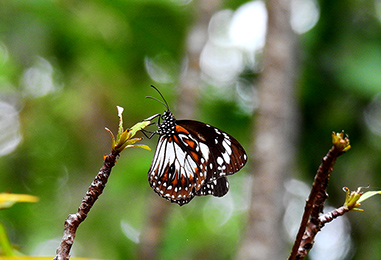
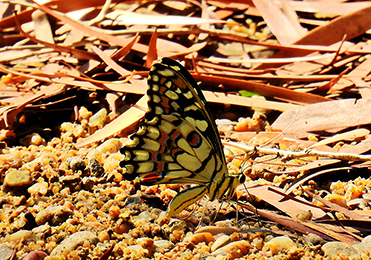
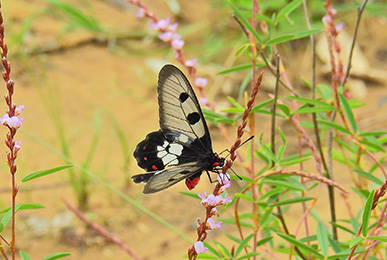
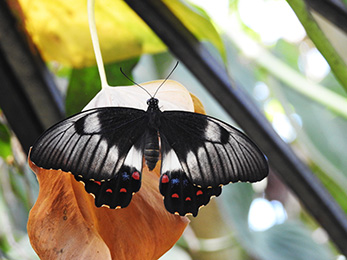
Australia is home to a vibrant collection of Lepidoptera (butterflies and moths) that have adapted to everything from the humid rainforests of the Wet Tropics to the arid scrub of the Red Centre. While we have over 400 described species of butterflies, they are just the day-flying ambassadors for a much larger empire: the moths, which boast over 20,000 species across the continent.
What makes our winged insects truly special is their isolation. Approximately 50% of Australian butterfly species and a vast number of our moths are endemic, meaning they occur nowhere else on the planet. When you spot a winged creature here, there is a good chance you are seeing something uniquely Australian.
The “Big Six”: Understanding the Families
To help you identify what you see in your garden, it helps to know the family tree. Australian butterflies are generally divided into six main families:
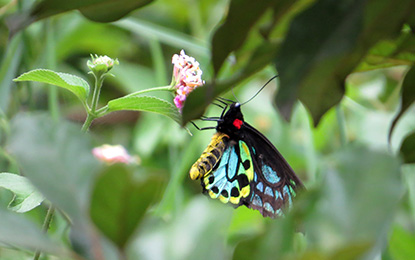
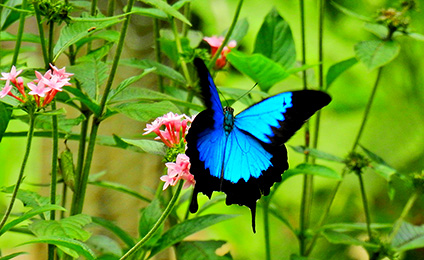
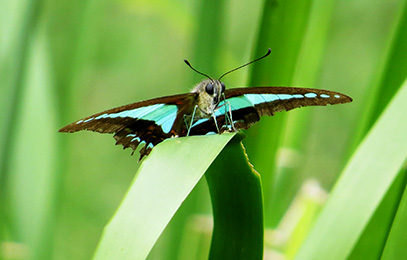
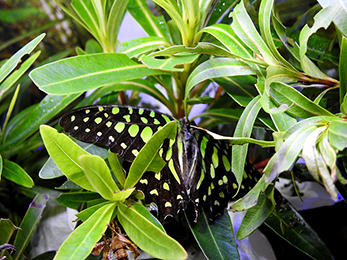
- The Icons: Includes the famous Birdwings (Ornithoptera) and the Ulysses Butterfly.
- Traits: Large, colourful, and often possessing “tails” on their hindwings. They are strong flyers and the most spectacular of our species.
- The Confusers: Often mistaken for moths.
- Traits: Small, stocky bodies with a rapid, jerky flight. They hold their wings in a unique “fighter jet” position when resting.
3. Whites and Yellows (Pieridae)
- The Wanderers: Includes the Caper White and the Common Grass-yellow.
- Traits: Usually medium-sized with white or yellow wings. Many are famous for mass migrations that can cover hundreds of kilometres.
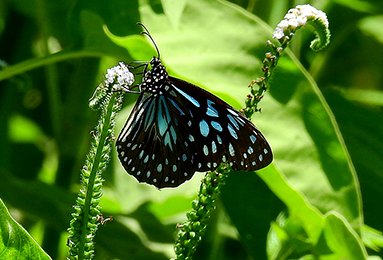
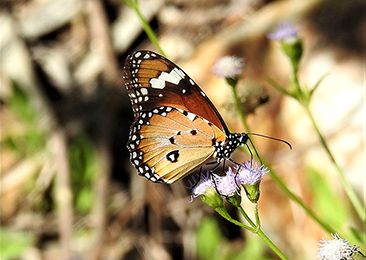
- The Brushes: Includes the Monarch, the Australian Painted Lady, and the Brown butterflies.
- Traits: A diverse group often appearing to have only four legs (the front pair are reduced to brush-like stumps). They range from the bright orange wanderers to the cryptic “leaf-mimics” of the rainforest floor.
5. Blues and Coppers (Lycaenidae)
- The Partners: Includes the Common Imperial Blue.
- Traits: Small but shimmering with iridescent colours. This family is famous for its symbiotic relationship with ants. Many Australian caterpillars in this group are guarded by ants in exchange for a sugary secretion—a biological handshake unique to our ecosystem.
- The Rarity: Represented in Australia by only one species, the Harlequin Metalmark (Praetaxila segecia), found in the Cape York Peninsula.
The Moths: The Silent Majority
While butterflies often steal the spotlight, Australian moths are equally spectacular and far more numerous. They range from the microscopic to the massive, playing a crucial role in pollinating our native flora under the cover of darkness.
Distinguishing Features Unlike butterflies, moths typically rest with their wings folded flat or tent-like over their bodies, and their antennae are usually feathery or thread-like, lacking the “club” shape found on butterfly antennae.
Notable Australian Groups:
The Giants (Saturniidae): This family includes the Hercules Moth (Coscinocera hercules). Found in Tropical North Queensland, it is the largest moth in the world by wing surface area, with a wingspan that can reach 27 centimetres.
The Migrators: The Bogong Moth (Agrotis infusa) is famous for its incredible migration to the Australian Alps, where millions congregate in caves during summer—a vital food source for the Mountain Pygmy Possum.
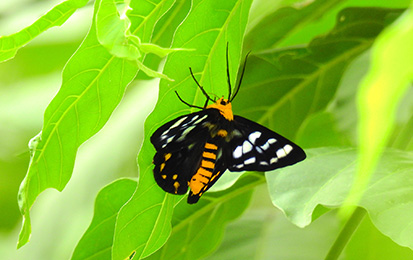
The Day-Flyers: Not all moths are nocturnal. The Sun Moths (Castniidae) are often mistaken for butterflies due to their bright colours and clubbed antennae, a perfect example of convergent evolution.
The Rain-Bringers (Hepialidae): The enormous Ghost Moths or Rain Moths emerge after heavy rains, often seen hanging from eucalyptus trees.
Evolution in Isolation:
Why Our Species are Different
Australian butterflies and moths have evolved fascinating survival strategies to cope with our harsh landscape.
- Fire and Drought: Many species have adapted to our “boom and bust” climate. Some caterpillars can enter a state of dormancy (diapause), waiting months or even years for the right rains to trigger plant growth before they emerge.
- The Ant Connection: Australia is the world capital of “myrmecophily” (ant-love). A huge percentage of our Lycaenid butterflies cannot survive without their specific ant partners, a complex relationship that makes conservation challenging but fascinating.
- Cryptic Camouflage: To survive predation by birds, many Australian moths have evolved incredible bark-like patterns, allowing them to vanish against the trunks of Eucalypts and Acacias during the day.
Conservation: A Shared Responsibility
While our butterflies are resilient, they are not invincible. Habitat loss, urbanisation, and the spread of invasive weeds are significant threats.
The good news? You can help. Butterflies are one of the few wild animals that you can actively invite back into your life. By planting local native host plants, you can create a sanctuary in your own backyard.
Lights Out: Reducing outdoor lighting helps protect moths, which can become exhausted and disoriented by artificial lights.
References & Further Reading
- Braby, M. F. (2004). The Complete Field Guide to Butterflies of Australia. CSIRO Publishing.
- Orr, A. & Kitching, R. (2010). The Butterflies of Australia. Allen & Unwin.
- Common, I.F.B. & Waterhouse, D.F. (1981). Butterflies of Australia. Angus & Robertson.
- Sands, D.P.A. & New, T.R. (2002). The Action Plan for Australian Butterflies. Environment Australia.
- Zborowski, P. & Edwards, T. (2007). A Guide to Australian Moths. CSIRO Publishing.