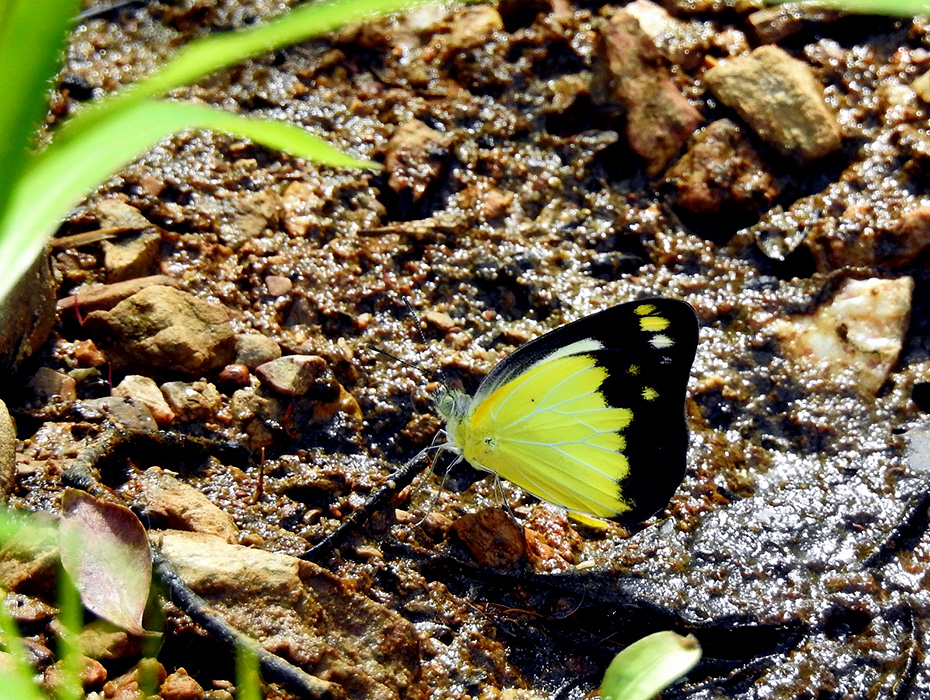
Caper Gull Butterfly
Cepora perimale
Caper Gull Butterfly
The Caper Gull (Cepora perimale) is a graceful, fast-flitting butterfly found across much of northern and eastern Australia. A member of the Pieridae family, it belongs to the group of white and yellow butterflies and is closely associated with caper plants in the genus Capparis.
Seen darting along forest edges, coastal vegetation, and sunny garden clearings, the Caper Gull is a beautiful example of an Australian butterfly that is both delicate in appearance and well adapted to warm, open habitats.
What Does the Caper Gull Look Like?
The Caper Gull is a medium-sized butterfly with a wingspan of about 45 to 60 millimetres.
Its appearance is subtle but elegant:
- Upper wings: mostly white
- Forewing tips: dark grey to black, forming a strong contrast
- Underside: creamy white to pale yellow with fine grey markings
- Body: slender and pale
- Flight style: quick, light, and erratic
When it lands with its wings closed, the pale underside helps it blend into sunlit foliage and dry vegetation.
Habitat and Distribution
The Caper Gull occurs widely in Australia, especially in tropical and subtropical regions, including:
- Queensland
- the Northern Territory
- northern New South Wales
- parts of Western Australia
It is also found through parts of Southeast Asia and the Pacific.
In Australia, it is commonly seen in:
- woodland edges
- coastal scrub
- rainforest margins
- gardens
- roadsides
- open bushland
Because its caterpillar host plants are widespread, it can live in a range of habitats where those plants grow.
Feeding Habits
Adult Caper Gull butterflies feed mainly on flower nectar.
They often visit:
- native shrubs
- garden flowers
- flowering trees
- roadside blooms
Their movement is quick and restless, and they tend to flutter from plant to plant rather than remaining in one place for long.
Breeding and Host Plants
The Caper Gull gets its common name from the plants its caterpillars eat.
Host plants
The caterpillars feed on plants in the caper family (Capparis species), including native capers found in northern and eastern Australia.
Life cycle
- Egg – laid singly on host plant leaves
- Caterpillar – green and well camouflaged among the foliage
- Chrysalis – suspended and discreetly coloured
- Adult butterfly – emerges to feed and reproduce
The caterpillars are usually small, green, and difficult to spot because they blend so well with the leaves of their host plants.
Longevity
The full life cycle from egg to adult usually takes around four to six weeks, depending on temperature and food availability.
Adult butterflies generally live two to four weeks, long enough to feed, mate, and lay the next generation of eggs.
Interesting Facts About the Caper Gull
- It is one of Australia’s more understated white butterflies, but it is still very attractive when seen in flight.
- Its fast, fluttering movement makes it easy to notice once you learn to look for it.
- The species name perimale refers to the scientific classification used for this butterfly group across a wide range.
- Its association with caper plants makes it an important part of the local plant–insect relationship in northern Australia.
Indigenous Connections
Butterflies and their host plants are part of the broader ecological knowledge held by First Nations peoples across Australia. The Caper Gull’s presence in bushland and woodland often reflects the health of native vegetation and the seasonal cycles of Country.
In many Indigenous knowledge systems, insects such as butterflies are indicators of flowering, rainfall, and the condition of native plants. Because Australia has many language groups, traditional names for this butterfly are not always widely recorded in public sources.
Conservation Status and Threats
The Caper Gull is generally considered common and not threatened.
However, local populations may still be affected by:
- habitat clearing
- removal of host plants
- pesticide use
- loss of native woodland edges
Keeping native caper plants in the landscape helps support the butterfly and the many other insects that depend on healthy bushland.
What Can We Do to Help the Species?
You can help Caper Gulls by:
Planting native host plants
Support local caper species where they grow naturally.Reducing pesticide use
Chemical sprays can harm both caterpillars and adult butterflies.Protecting woodland edges and native scrub
These areas provide food, shelter, and breeding habitat.Growing butterfly-friendly gardens
Native flowering plants can provide nectar for adults.
Why the Caper Gull Matters
The Caper Gull is a reminder that not all butterflies need to be brightly coloured to be beautiful. Its pale wings, quick movements, and close link with native caper plants make it an important part of Australia’s butterfly diversity.
By protecting native vegetation and learning to recognise these smaller woodland butterflies, we help keep Australia’s ecosystems healthy and full of life.
Scientific References
- Australian Butterfly Conservation resources
- Atlas of Living Australia – Cepora perimale records
- Braby, M. F. Butterflies of Australia: Their Identification, Biology and Distribution
- Australian Museum – Butterfly species profiles
- Wikipedia – Cepora perimale (Caper Gull)
Photo Gallery