AUSTRALIAN CHATS
Australian Chats: Habitat, Behaviour & Cultural Connections
What Are Australian Chats?
Australian Chats are small, insect-eating songbirds that belong to the honeyeater family. They live across much of mainland Australia and are especially associated with open landscapes:
- grasslands
- shrublands
- saltbush plains
- arid and semi-arid deserts
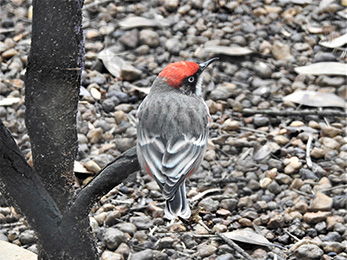
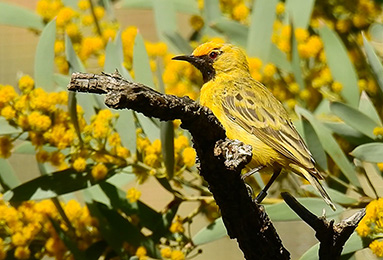
These birds are perfectly adapted to the harsh, dry and changeable Australian environment. Their plumage often mirrors the colours of the landscape – soft browns, sandy tones, pale yellows and rust reds – helping them blend into grasses, shrubs and dry soils. This natural camouflage offers vital protection from predators in open country where there are few places to hide.
Habitat & Adaptations of Chats in Australia
Australian Chats are most commonly found in:
- Open grasslands and native pastures
- Shrublands and samphire flats
- Gibber plains and arid inland regions
- Salt lakes, floodplains and coastal heaths (for some species)
Key adaptations that help them survive include:
- Camouflage plumage that matches soil, stones and vegetation
- Ground-feeding behaviour, allowing them to efficiently hunt insects and small invertebrates
- Efficient water use, a crucial trait in arid environments
- Nomadic or locally mobile movements, following rainfall and insect booms in the outback
These abilities allow Chats to thrive where conditions are extreme – hot summers, cold nights, unpredictable rain and long dry periods.
Calls, Songs & Behaviour
One of the most appealing features of Chats is their vocal behaviour. Though small, they contribute strongly to the soundscape of open Country.
- They use a variety of calls and songs to:
- Attract and court mates
- Defend territories
- Stay in contact with partners or family groups
For birdwatchers, the soft trills, whistles and chatter of Chats are often heard before the birds are seen. In quiet grasslands or vast inland plains, their songs create a subtle but beautiful layer of sound that brings the landscape to life.
Ecological Role: Why Chats Matter
Chats play an important role in healthy Australian ecosystems:
- Insect control – they feed on a wide range of insects and other invertebrates, helping to keep populations balanced.
- Part of the food web – Chats themselves are prey for larger birds and other predators, supporting higher levels of the food chain.
- Indicators of habitat health – when open grasslands and shrublands are in good condition, Chats are more likely to be present and breeding successfully.
Protecting Chats means protecting the bigger ecological network of which they are a part.
Indigenous Connections to Chats and Country
For many Aboriginal and Torres Strait Islander peoples, birds such as Chats are woven into Country, story and seasonal knowledge.
While specific cultural meanings differ between Nations and language groups, some general connections include:
Seasonal indicators:
The presence, movements or calls of small insect-eating birds in open country can signal seasonal changes, such as:- the time when insects emerge in greater numbers
- shifting weather patterns after rain
- the right time to move across Country or gather certain foods
Cultural story and song:
In some First Nations cultures, birds that resemble Chats feature in songlines, Dreaming stories or teaching narratives that explain how landforms, animals and people are connected. These stories are held by Traditional Owners and are shared according to cultural protocols.Connection to Country:
Birds like Chats are part of the living fabric of Country. They are not just wildlife, but kin, neighbours and guides that help maintain balance between land, water, plants, animals and people.
When we watch Chats moving quietly through the grasses or hear their calls after rain, we are also seeing and hearing part of an ancient relationship between First Nations peoples and the landscapes of Australia.
Threats & Conservation of Chats
Although many Chats are resilient, they are not immune to modern pressures. Their populations can be affected by:
- Land clearing and habitat loss
- Removal of native grasslands and shrublands
- Conversion to intensive agriculture or urban development
- Overgrazing by livestock or feral animals, reducing ground cover and insect availability
- Climate change, which alters rainfall patterns and the timing and availability of food
- Fragmentation of habitat, making it harder for birds to move safely across the landscape
Some Chat species have declined in areas where native vegetation has been heavily cleared or degraded. Because they are closely linked to the condition of open habitats, they are an important focus for conservation planning in grassland and arid ecosystems.
How to Help Protect Australian Chats
You can support Chats and their habitats by:
Protecting native vegetation
- Support conservation of grasslands, saltbush country and shrublands.
- Encourage restoration of native ground cover rather than only exotic pasture.
Supporting Indigenous-led conservation
- Many Aboriginal ranger programs and Indigenous Protected Areas manage Country in ways that benefit grassland and desert birds.
- Back organisations and projects that centre Traditional Owners as decision‑makers.
Responsible land management
- If you manage land, minimise overgrazing, maintain native shelter and avoid unnecessary clearing of low shrubs and grasses.
Citizen science and birdwatching
Why Australian Chats Capture Our Imagination
Australian Chats are:
- Highly adaptable insect-eaters, perfectly suited to open habitats
- Masters of camouflage, blending into grasslands, shrublands and arid plains
- Delightful singers, adding gentle music to the Australian bush
- Ecologically important, helping maintain balance in insect populations and serving as indicators of healthy Country
- Culturally significant, forming part of long-standing relationships between Aboriginal and Torres Strait Islander peoples and their Country
By understanding and appreciating Chats, we deepen our connection to the open landscapes of Australia and to the ancient stories and knowledge that belong to those places. Protecting these small, lively birds is part of caring for the broader web of life they represent.