Common Eggfly Butterfly
Hypolimnas bolina nerina
The Shape‑Shifting Butterfly: Common Eggfly
The Common Eggfly (Hypolimnas bolina nerina) is one of the most widespread and adaptable butterflies in Australia. Found from tropical forests to suburban gardens, this species is famous for its striking sexual differences and fascinating mimicry strategies.
Sometimes called the Varied or Blue Moon Butterfly, the Common Eggfly belongs to the brush‑footed butterfly family Nymphalidae. Its ability to thrive in many environments has made it a familiar sight across northern and eastern Australia.
What Does the Common Eggfly Look Like?
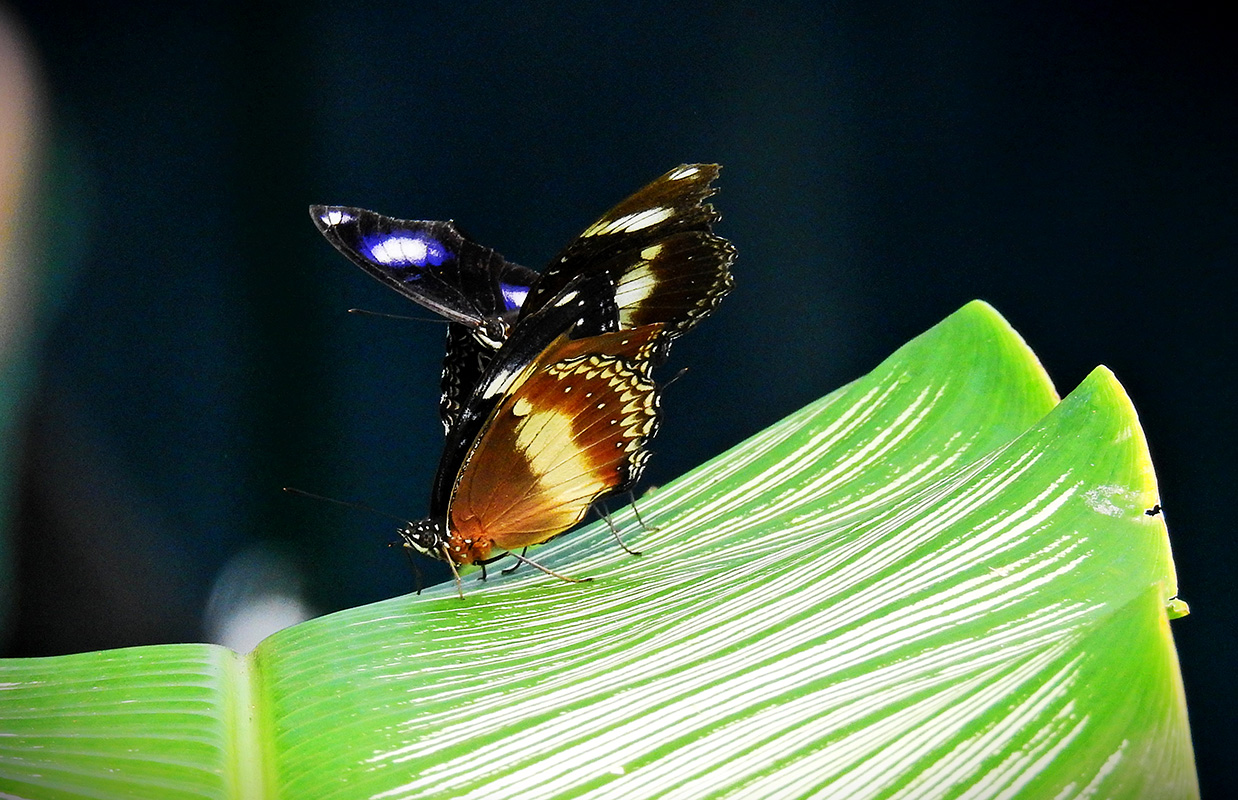
One of the most fascinating things about the Common Eggfly is that males and females look completely different.
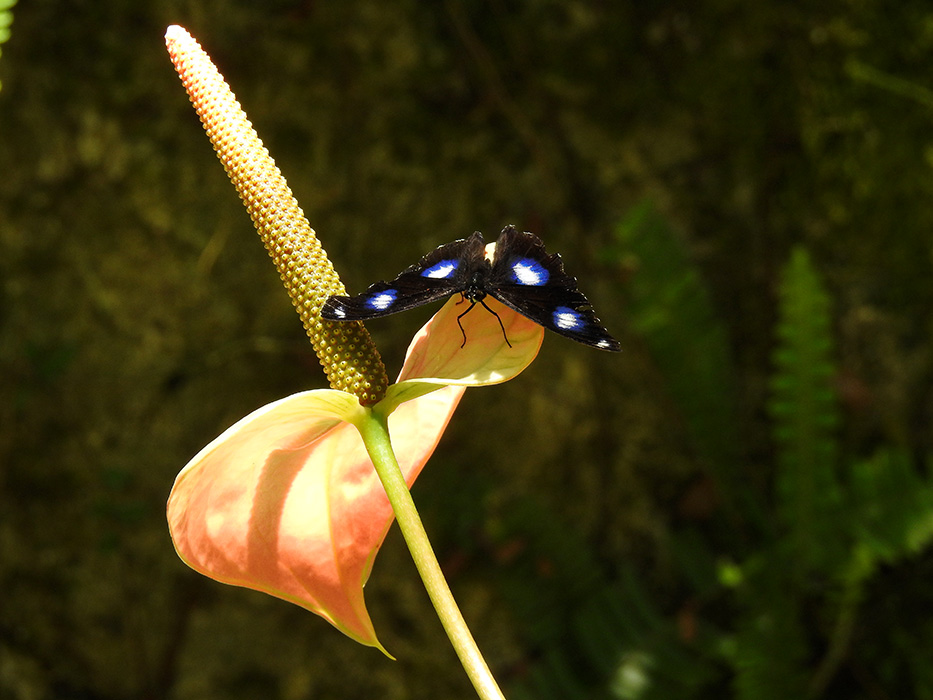
The Male
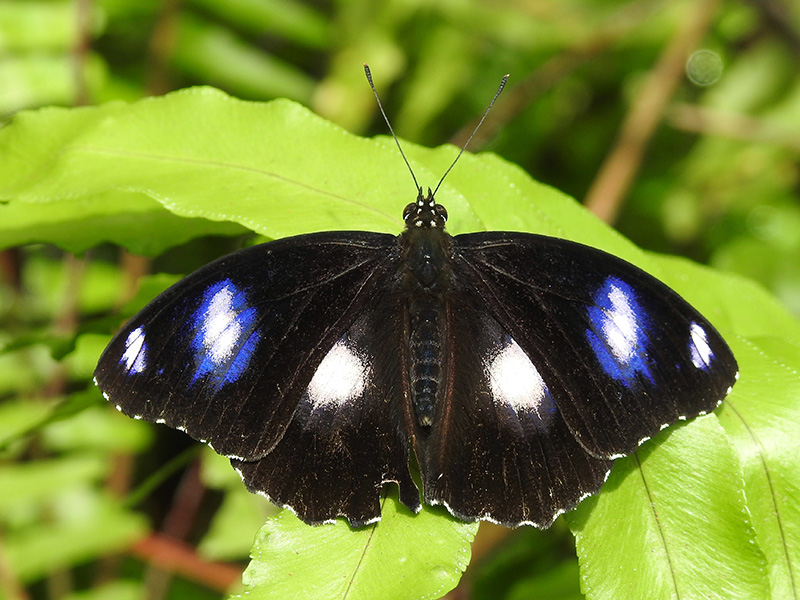
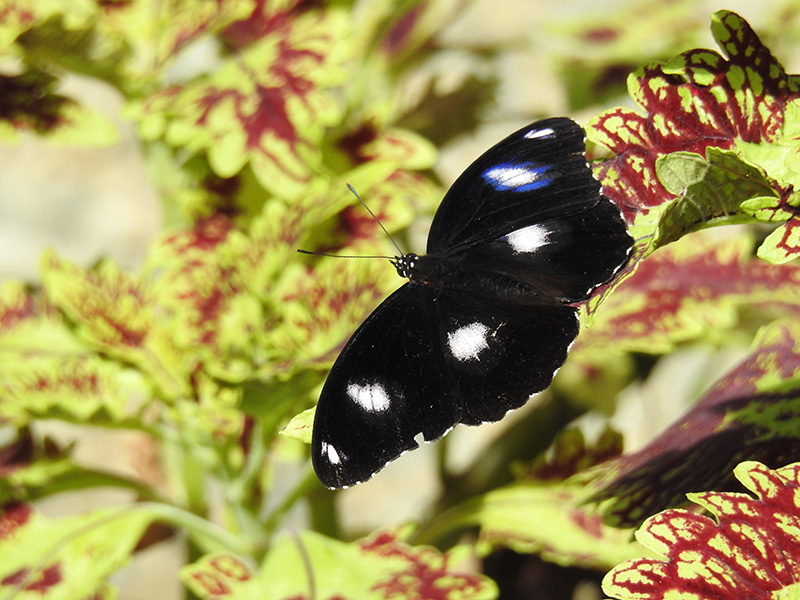
Male Common Eggflies are very distinctive:
- Wings: Deep black with bright white spots on the forewings.
- Hindwings: Large iridescent blue patches that shimmer in sunlight.
- Wingspan: Around 70–85 millimetres.
The blue areas appear almost electric when viewed at the right angle.
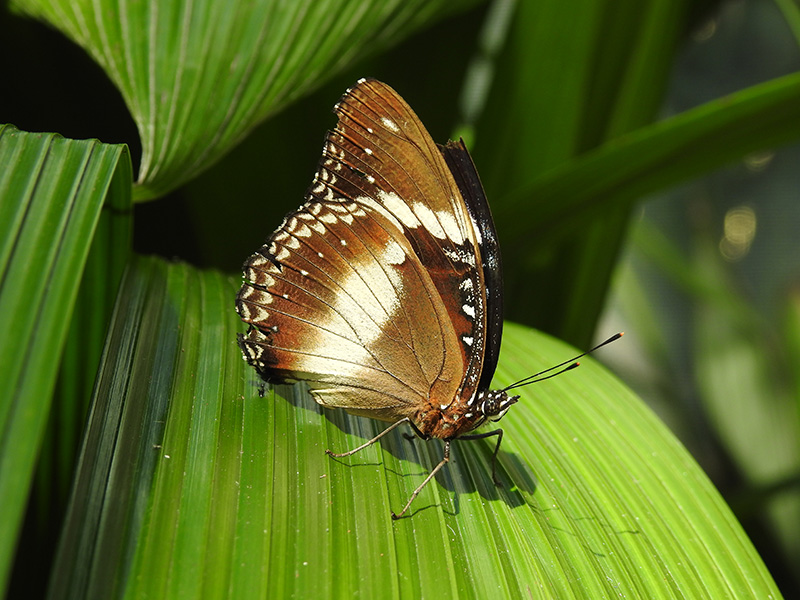
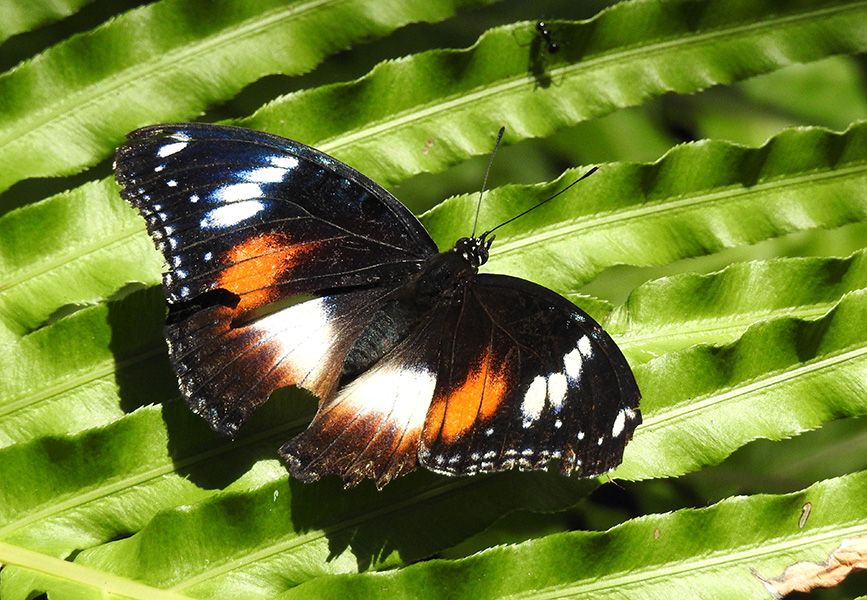
The Female
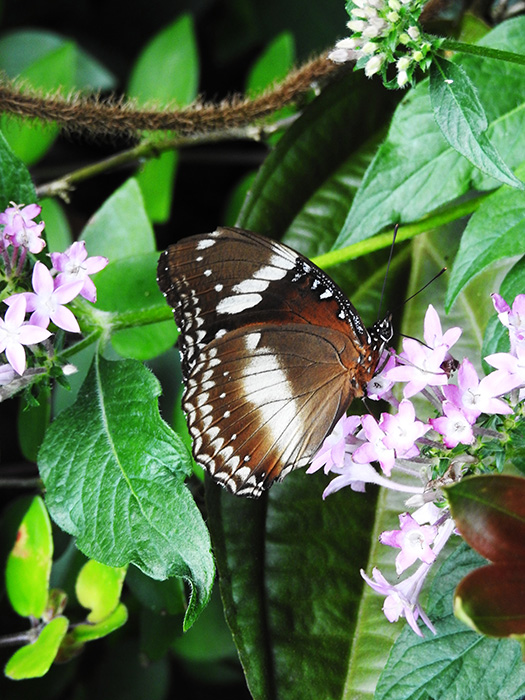
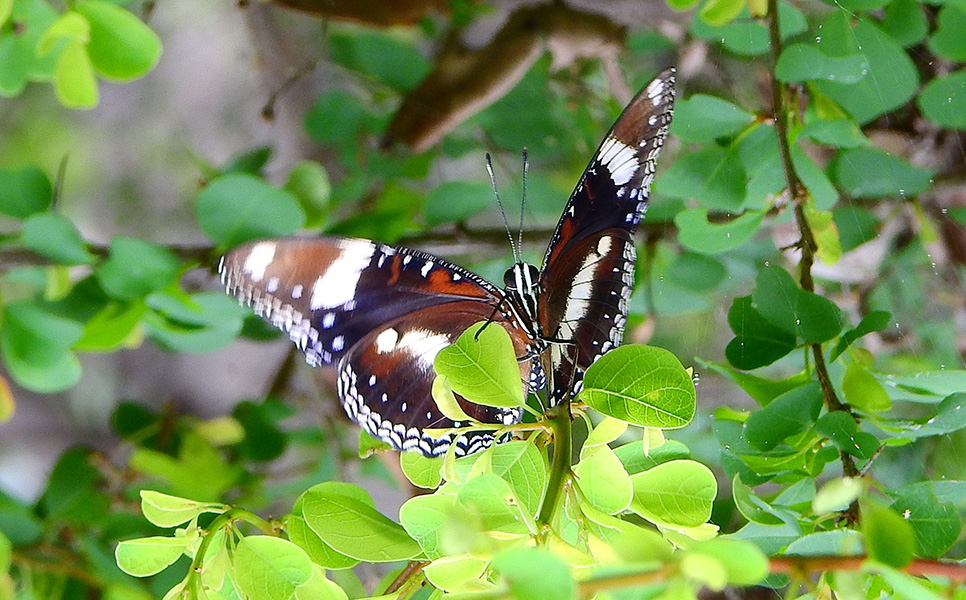
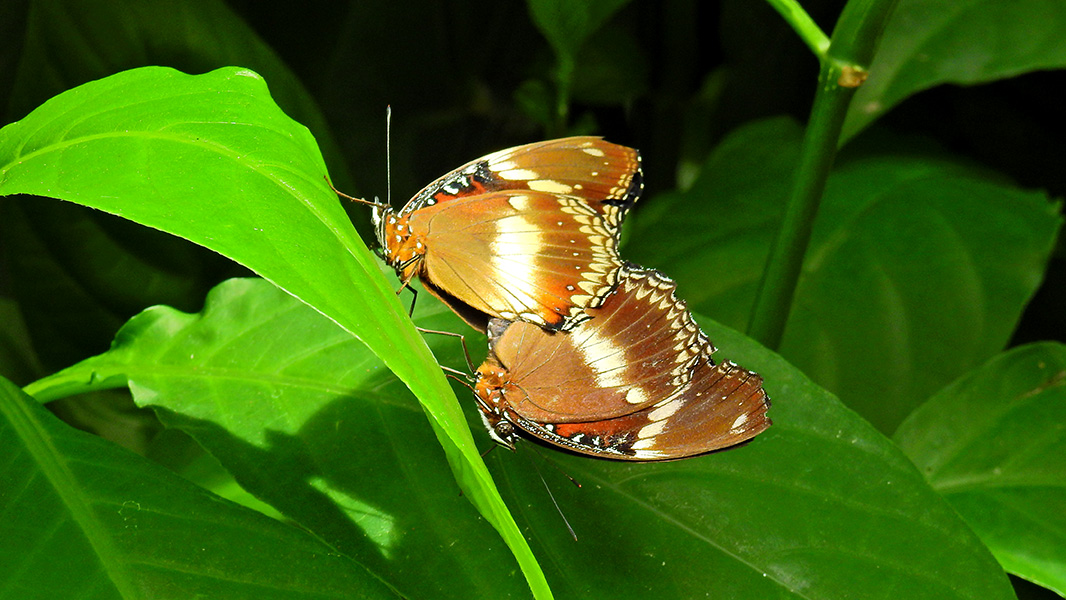
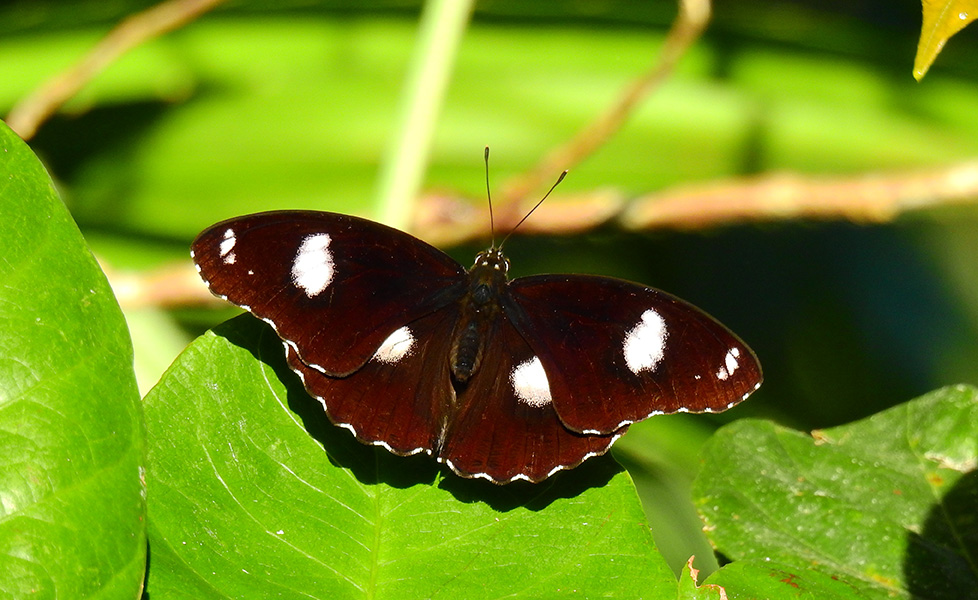
Females are much more variable in appearance. They often mimic other butterflies as a form of protection from predators.
Typical features include:
- Brown or black wings
- White bands or patches across the wings
- Orange or buff colouring in some forms
This mimicry helps them resemble toxic butterfly species that predators avoid.
Habitat and Distribution
The Common Eggfly is found throughout northern and eastern Australia, including Queensland, the Northern Territory, New South Wales, and parts of Western Australia.
It inhabits a wide variety of environments, including:
- tropical rainforests
- woodland and forest edges
- coastal vegetation
- farmland
- suburban gardens and parks
Because of its adaptability, the species is often one of the first butterflies seen in urban areas.
Feeding Habits
Adult Common Eggflies feed on nectar and plant juices. They frequently visit flowering plants but also obtain nutrients from other sources.
Their diet includes:
- flower nectar
- rotting fruit
- tree sap
- mineral‑rich moisture from damp soil
Males are often seen “puddling” on wet ground, where they absorb minerals needed for reproduction.
Breeding and Host Plants
The life cycle of the Common Eggfly depends on plants in the legume family (Fabaceae).
Common host plants include:
- native legumes
- garden plants such as hibiscus and pigeon pea
- other shrubs used by the caterpillars for food
Life Cycle
- Egg: Small and laid singly on leaves.
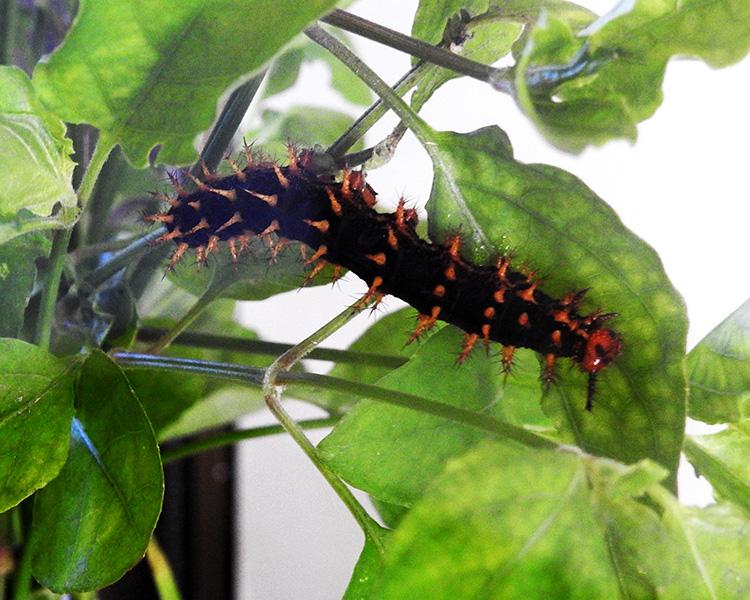
- Caterpillar: Green or brown with small spines along the body.
- Pupa: A suspended chrysalis attached to vegetation.
- Adult butterfly: Emerges after metamorphosis to feed and reproduce.
The entire life cycle usually takes about four to five weeks depending on weather conditions.
Longevity
Adult Common Eggflies typically live two to four weeks, while the complete life cycle from egg to adult takes around one month.
Because the species can breed continuously in warm climates, several generations may appear each year.
Indigenous Connections
Butterflies are closely associated with seasonal cycles in many Australian ecosystems. In northern Australia, their appearance often coincides with flowering plants and the arrival of warmer weather.
Traditional ecological knowledge recognises insects such as butterflies as indicators of environmental health and seasonal change. Because Australia contains many Indigenous language groups, traditional names for this butterfly vary across regions and are not always widely documented in public sources.
Conservation Status and Threats
The Common Eggfly is currently considered a species of Least Concern due to its wide distribution and adaptability.
However, local populations may still be affected by:
- habitat loss
- pesticide use
- loss of native host plants
Gardens that include native vegetation and flowering plants can provide valuable habitat for these butterflies.
Why the Common Eggfly Matters
The Common Eggfly is an excellent example of nature’s adaptability. Its ability to live in both wild and urban environments, combined with its remarkable mimicry and vivid colours, makes it one of Australia’s most fascinating butterflies.
Whether gliding through rainforest clearings or visiting backyard flowers, this butterfly continues to brighten landscapes across Australia.
Scientific References
Braby, M. F. Butterflies of Australia: Their Identification, Biology and Distribution
Atlas of Living Australia – Hypolimnas bolina records
Australian Butterfly Conservation resources
CSIRO – Australian butterfly information
Wikipedia – Hypolimnas bolina (Common Eggfly)
Photo Gallery