EASTERN GREY KANGAROO
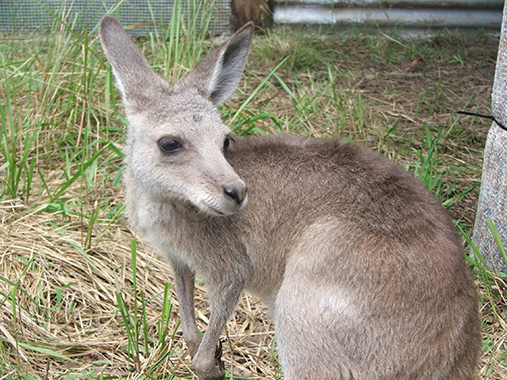
The Eastern Grey Kangaroo (Macropus giganteus) is one of Australia’s most iconic and widely recognised marsupials. Known for their gentle gaze, striking size, and graceful leaps, these remarkable animals are a vital part of the Australian landscape and culture.
Habitat and Range
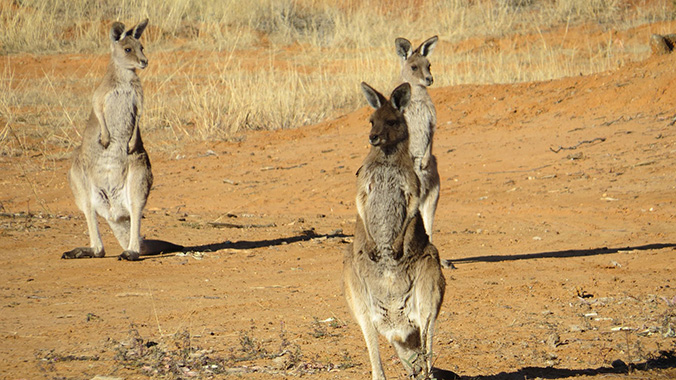
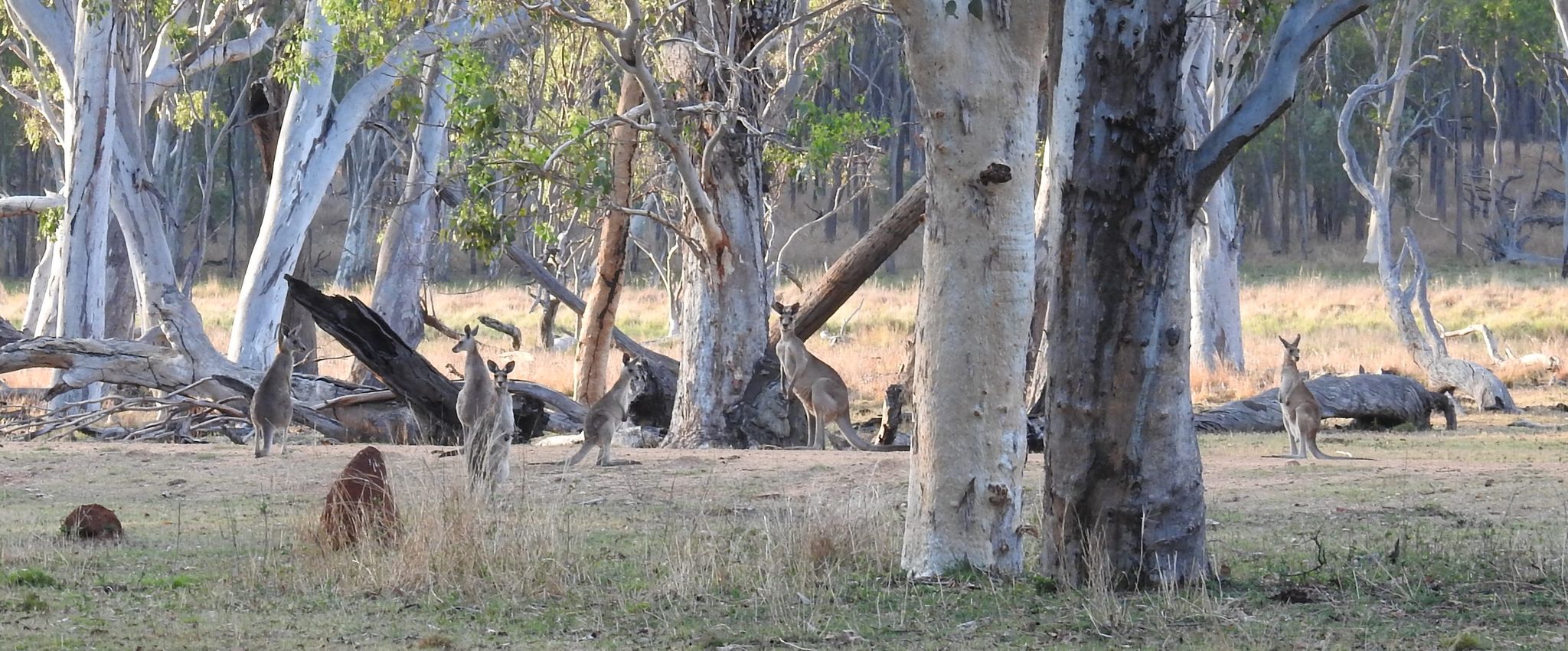
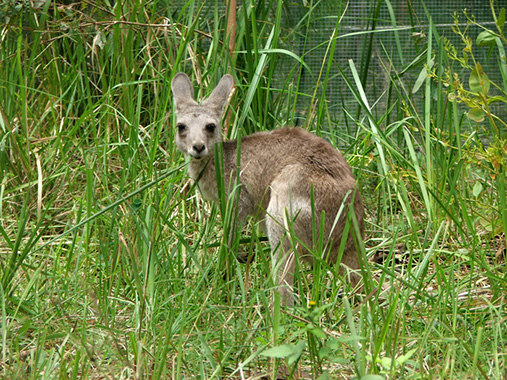
The Eastern Grey Kangaroo is found predominantly along the eastern and southern regions of Australia, from Queensland down through New South Wales, Victoria, and into Tasmania. They prefer fertile forests, woodlands, and grasslands, often seen in large, open areas where grasses are plentiful.
- Habitat: Open woodlands, grasslands, coastal heath
- Distribution: Eastern and southern mainland Australia, Tasmania
Physical Description
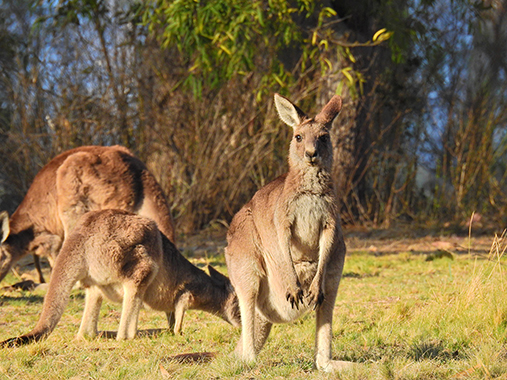
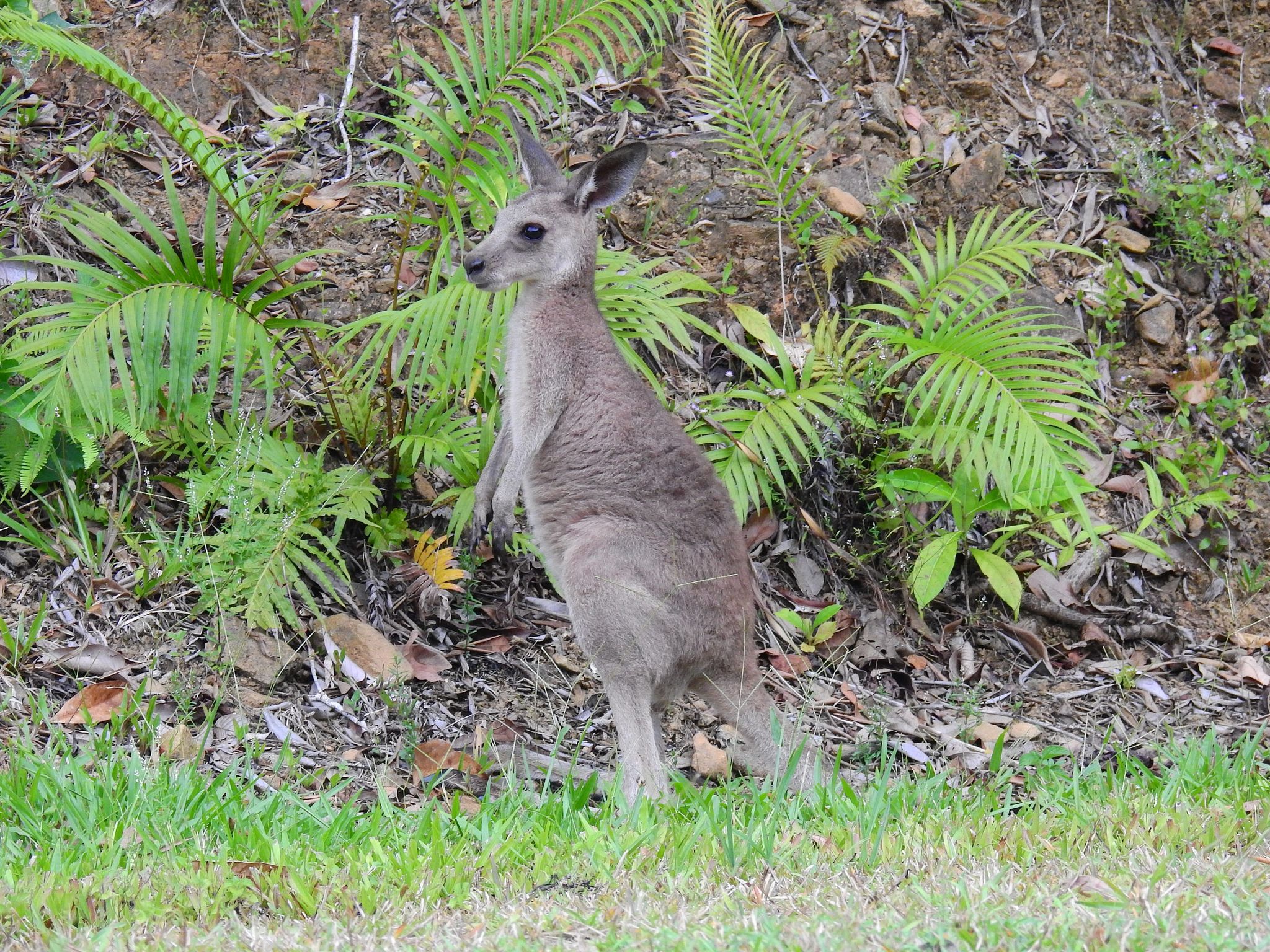
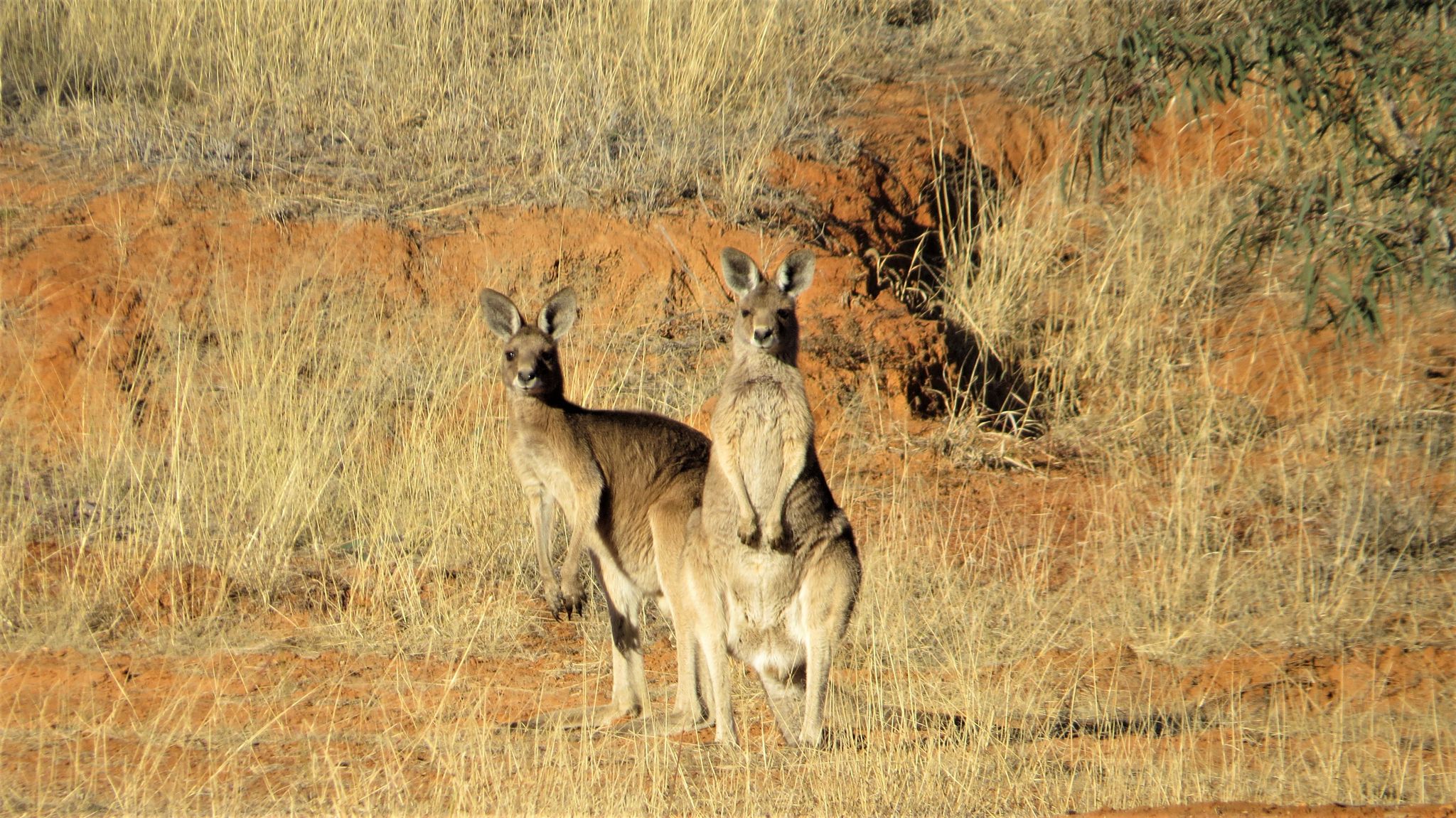
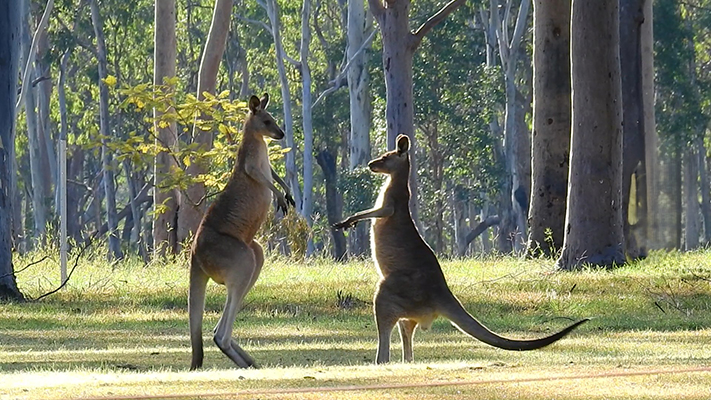
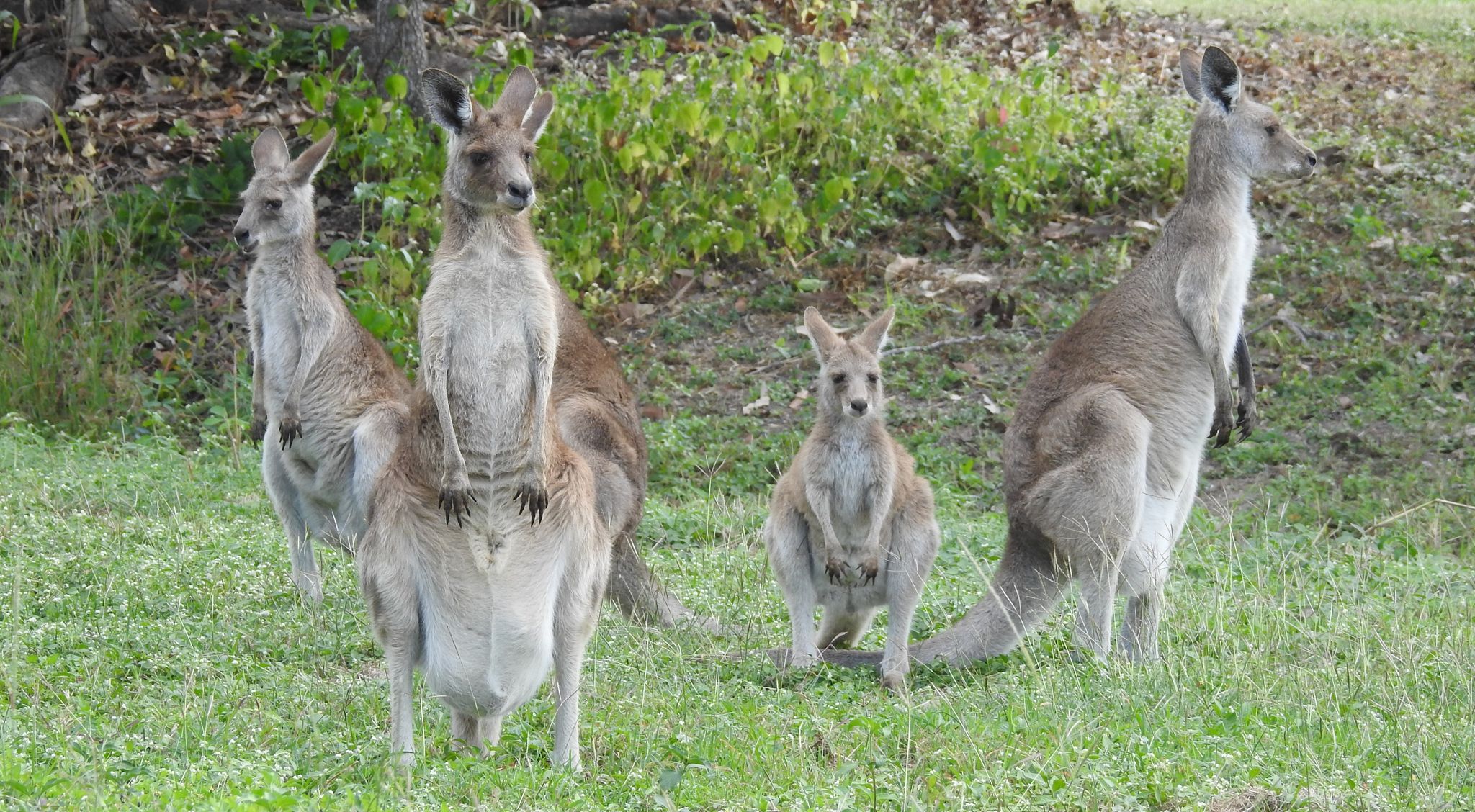
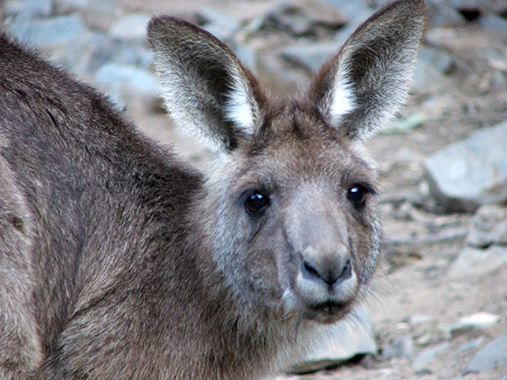
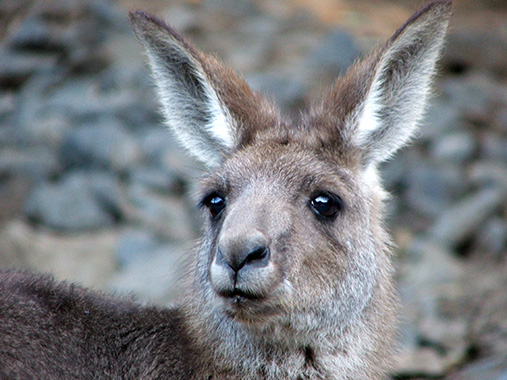
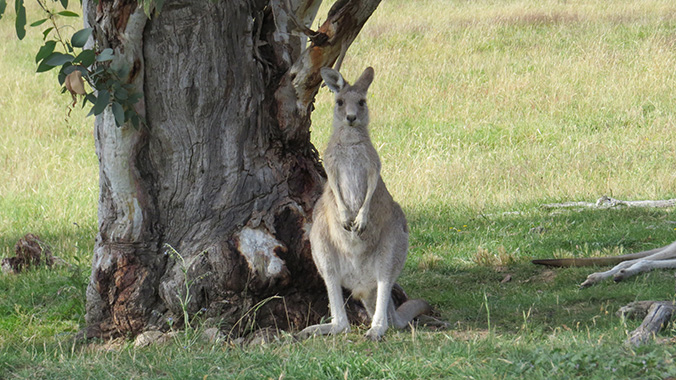
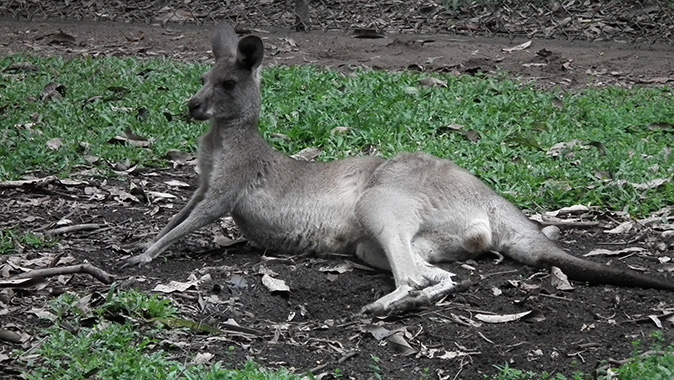
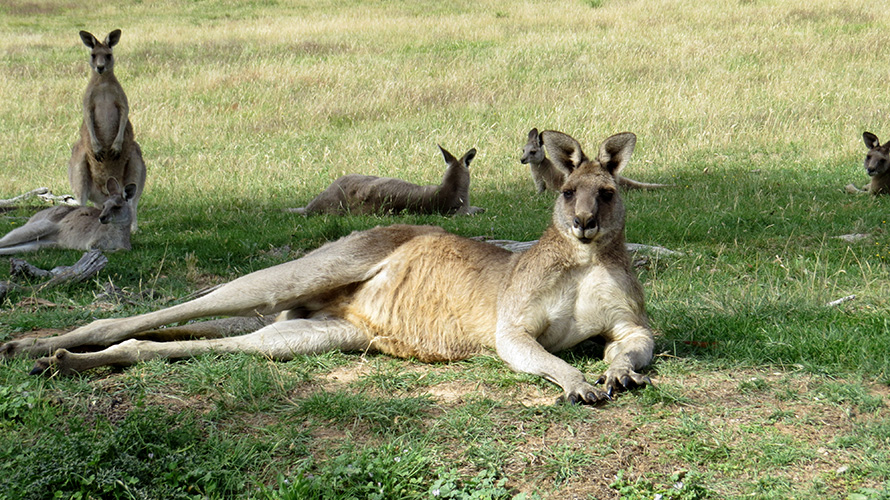
Standing upright, a mature male can reach up to two metres in height. Their soft grey-brown fur, powerful hind legs, and muscular tails make them well-adapted to life on the move.
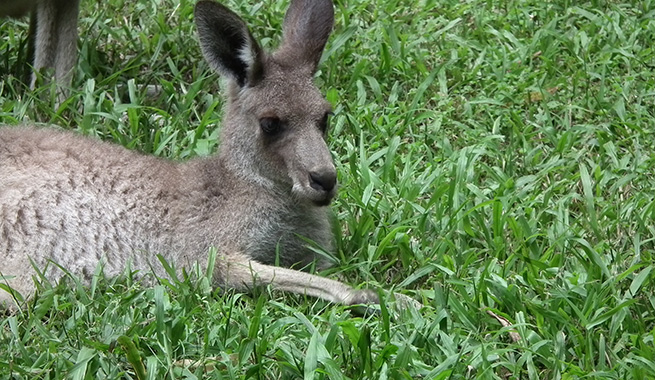
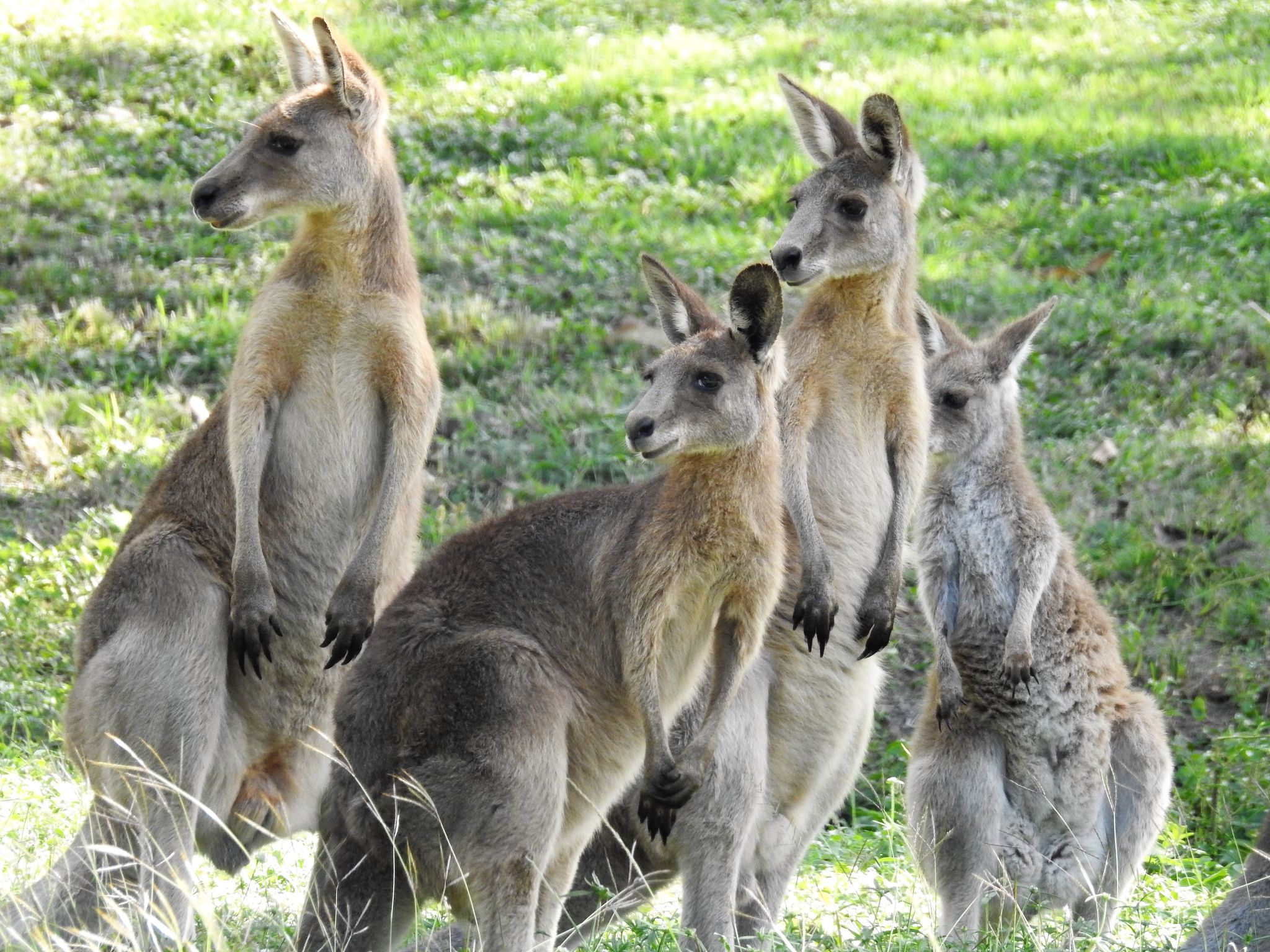
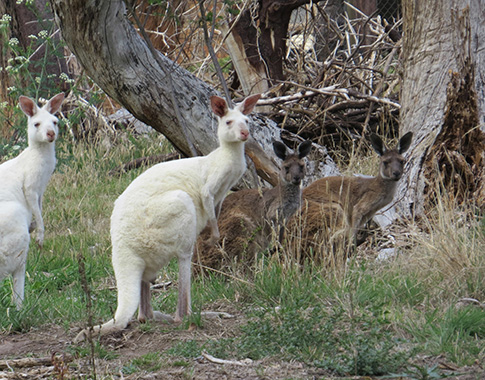
- Fur: Soft, varying shades of grey and brown
- Size: Males up to 2 m tall; females are generally smaller
- Weight: Males up to 66 kg (145 lbs), females up to 32 kg (70 lbs)
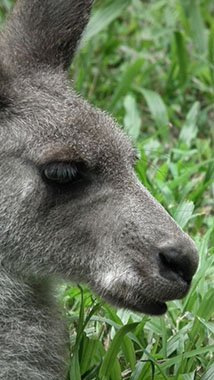
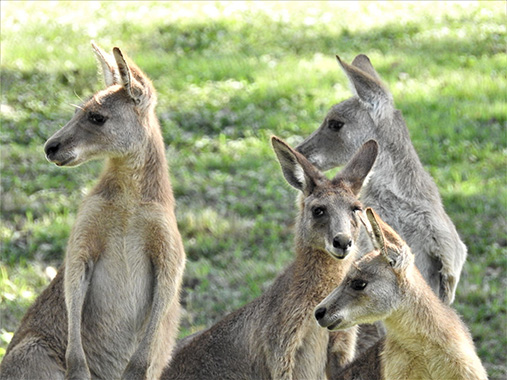
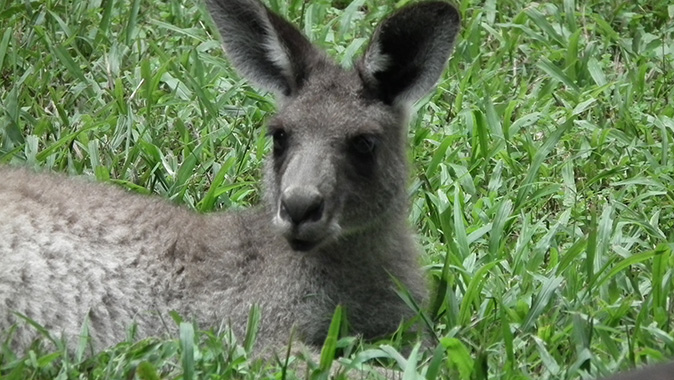
Their large, sensitive ears can swivel independently, detecting subtle sounds in their environment, while their eyes can see a wide field of view, an advantage for spotting predators.
Social Life and Behaviour
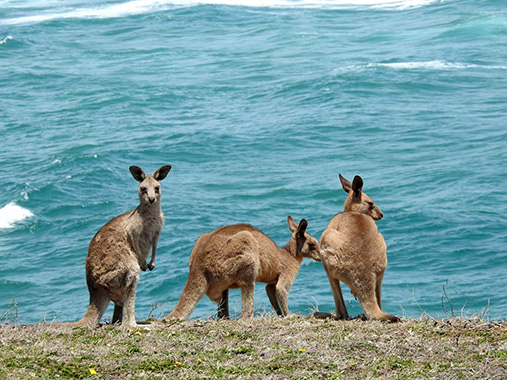
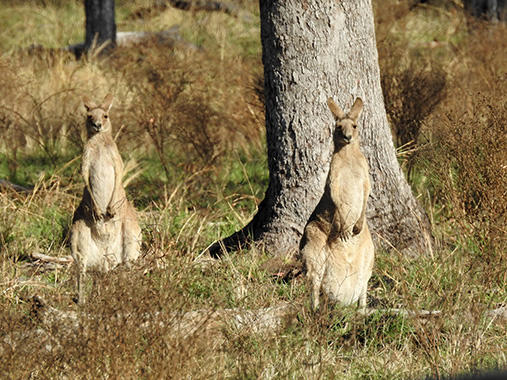
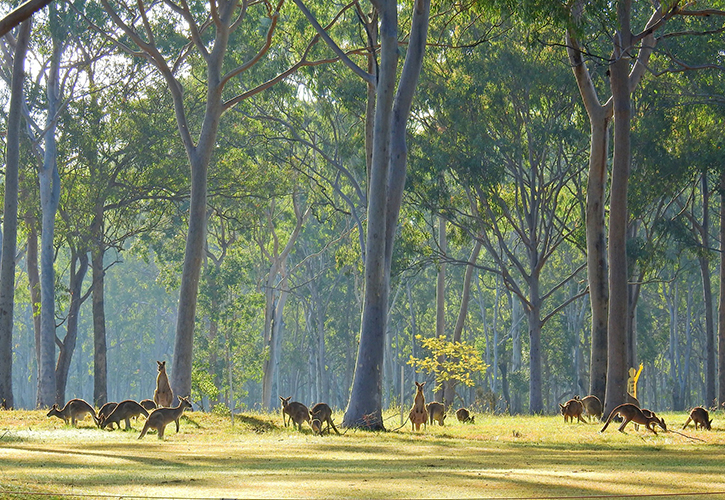
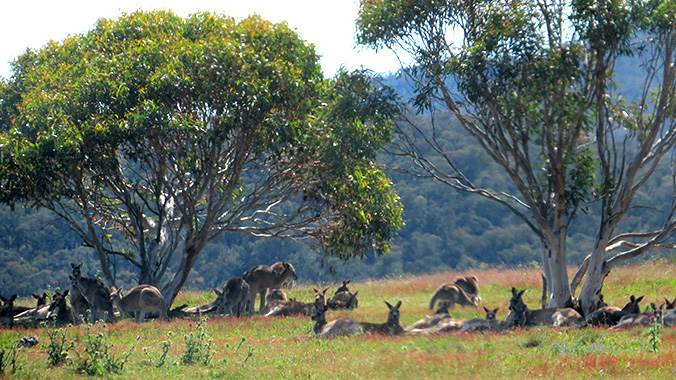
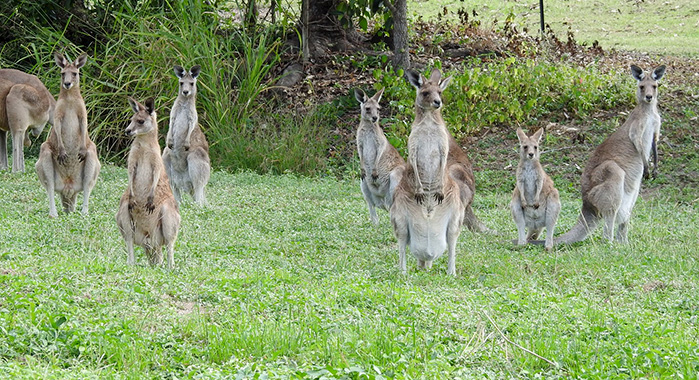
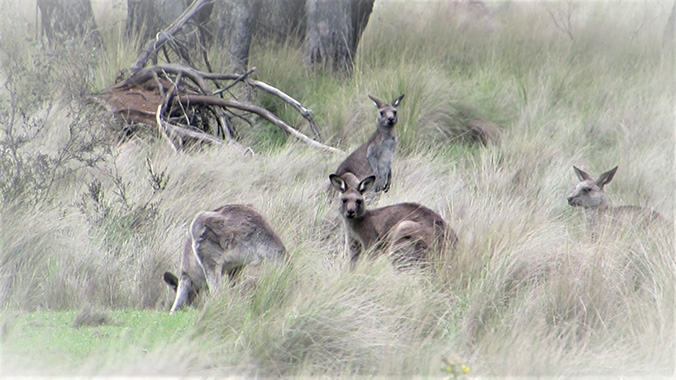
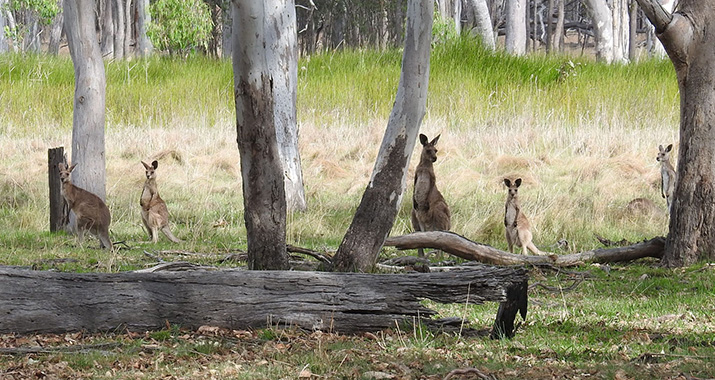
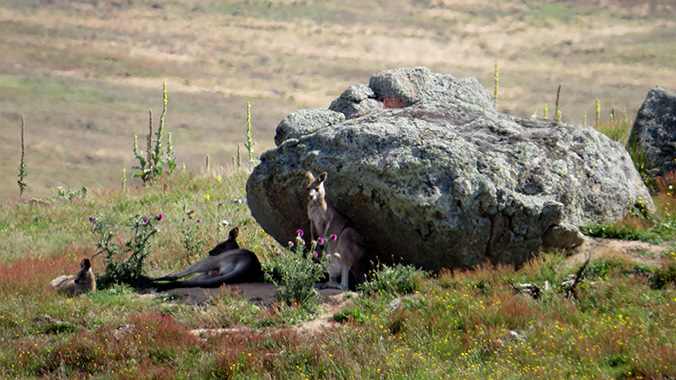
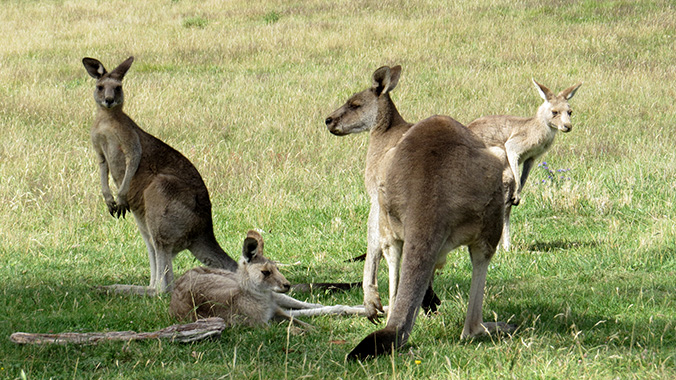
Eastern Grey Kangaroos are highly social and live in groups called mobs, which can range from just a few individuals to over a hundred in areas with abundant food. Living in such groups offers protection and increased awareness of predators.
- Mobs: Social groups that provide safety and support
- Communication: Grunts, coughs, foot thumping, and grooming
They are mostly active from dusk to dawn, preferring cooler hours for feeding, and often rest in shaded areas during the heat of the day.
Diet and Foraging
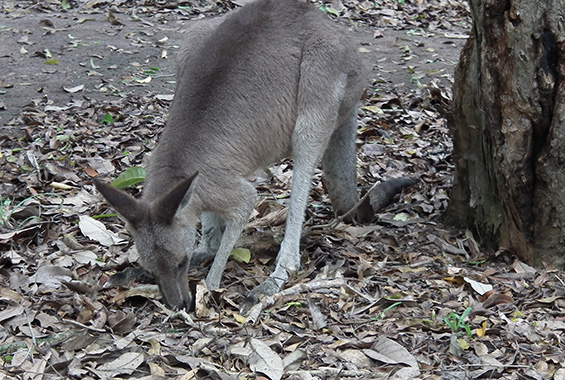
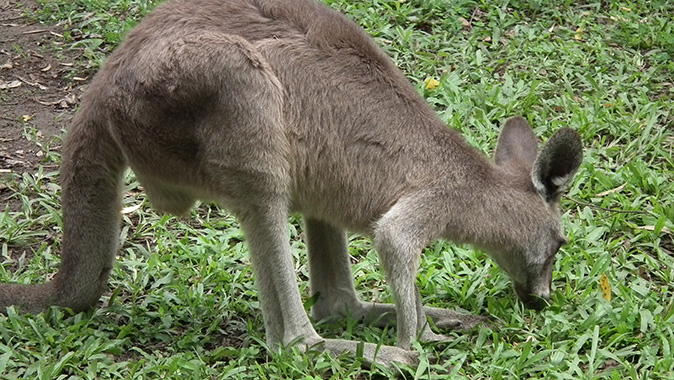
These kangaroos are grazers, feasting mainly on a variety of grasses and herbs.
- Diet: Predominantly native and introduced grasses
- Feeding habits: Use their forelimbs to grasp and pull grasses, their large molars grind down the fibrous plant material
The scent of fresh grass after rainfall draws them into open plains, where the dew on the ground cools their soft fur and the gentle breeze carries earthy, vegetal aromas.
Life Cycle and Reproduction
Eastern Grey Kangaroo: Masters of Pause and Protection
The eastern grey kangaroo is not just an icon of Australia’s open forests and grasslands; it is also a quiet specialist in reproductive timing and tender parental care.
A Pregnancy on Hold: Embryonic Diapause
One of the most remarkable abilities of the female eastern grey kangaroo is embryonic diapause – the power to pause the development of an embryo.
- Gestation: ~36 days from conception to birth
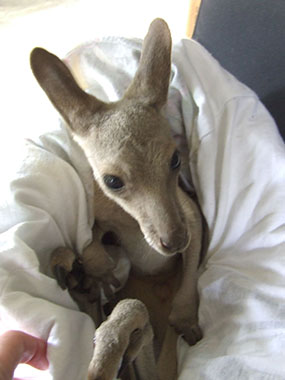
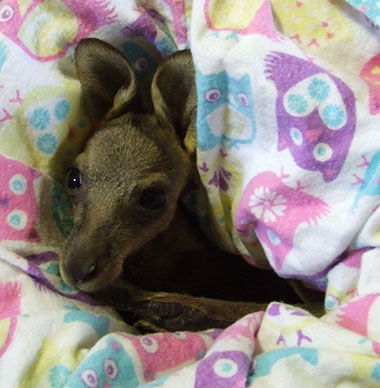
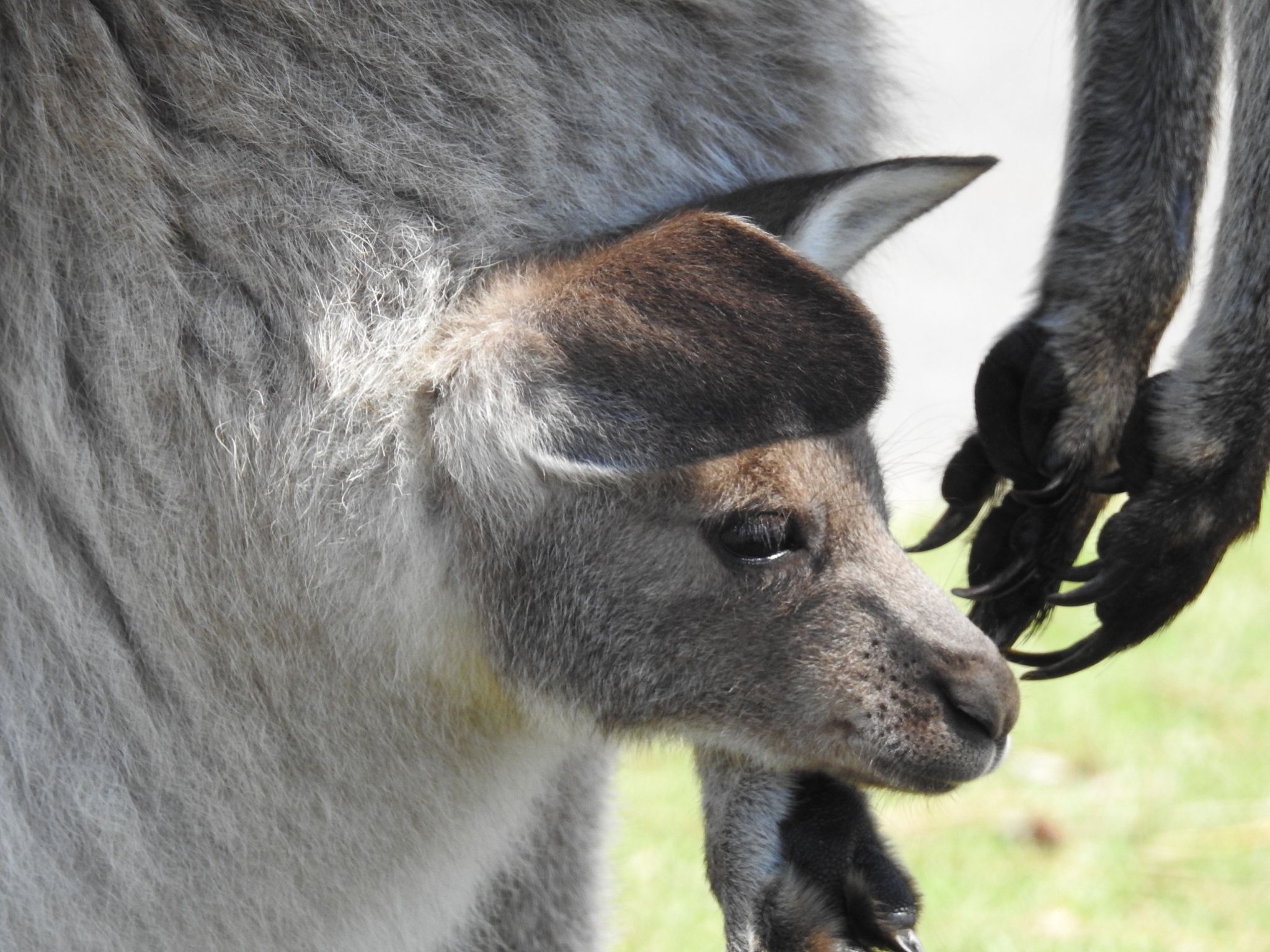
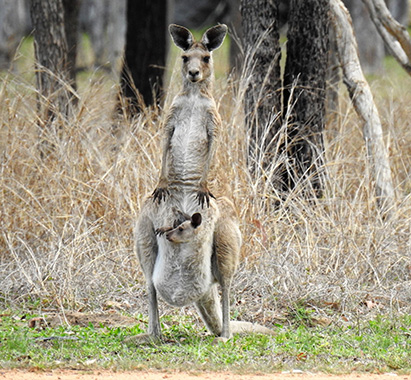
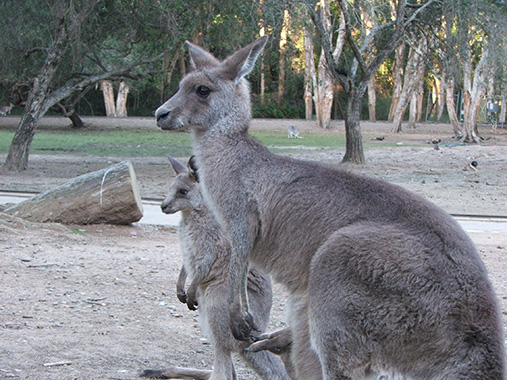
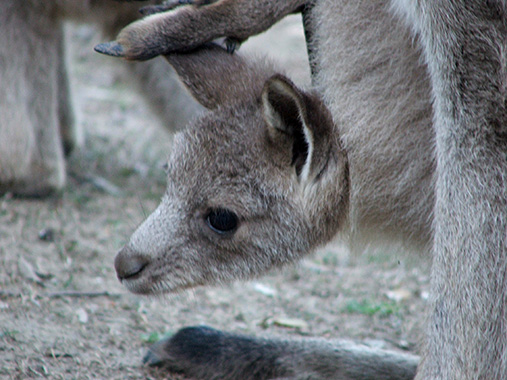
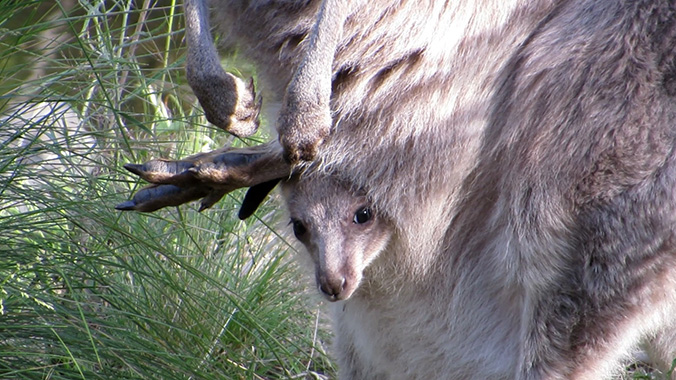
- Joey in pouch: ~9 months inside the pouch
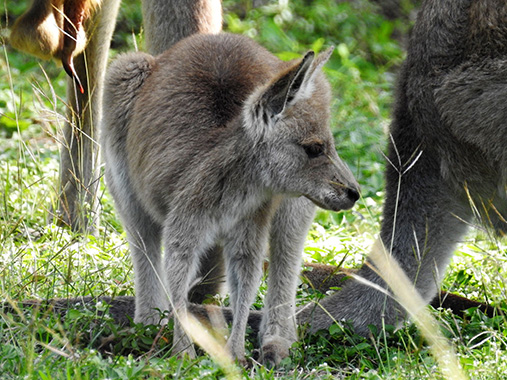
- After leaving pouch: another 3–6 months staying close by the mother’s side.
The pouch itself functions as a mobile nursery, allowing her to keep feeding and moving while carrying one of the most vulnerable kinds of young found in mammals. For the joey, this pouch is a complete sensory universe. It hears the steady, muffled thump of its mother’s heartbeat and the slow rhythm of her breath. As she grazes and hops, the joey is gently rocked, cradled in darkness and warmth. The touch of the soft inner skin against its body, the constant warmth, and the familiar sounds create a sense of security that is vital for its development.
The long period of parental care, first in the pouch and then at the mother’s side, gives the joey time to learn how to feed, move, and respond to the complex social signals of other kangaroos.
Together, embryonic diapause, the specialised pouch, and extended maternal care allow eastern grey kangaroos to flourish in challenging and changeable landscapes. Understanding these intimate details of their lives not only reveals how extraordinary they are, but also underscores the importance of protecting the habitats that support such delicate and sophisticated life cycles.
Conservation & Human Connection
Although the Eastern Grey Kangaroo is listed as a species of Least Concern due to its wide distribution and large population, habitat modification and fencing can fragment populations and limit their natural movements.
Why care?
- These kangaroos play a crucial ecological role as grazers, helping to maintain healthy grasslands.
- Their presence is a reminder of the need to balance agricultural, urban, and conservation needs across Australia’s diverse landscapes.
A Story in Every Leap
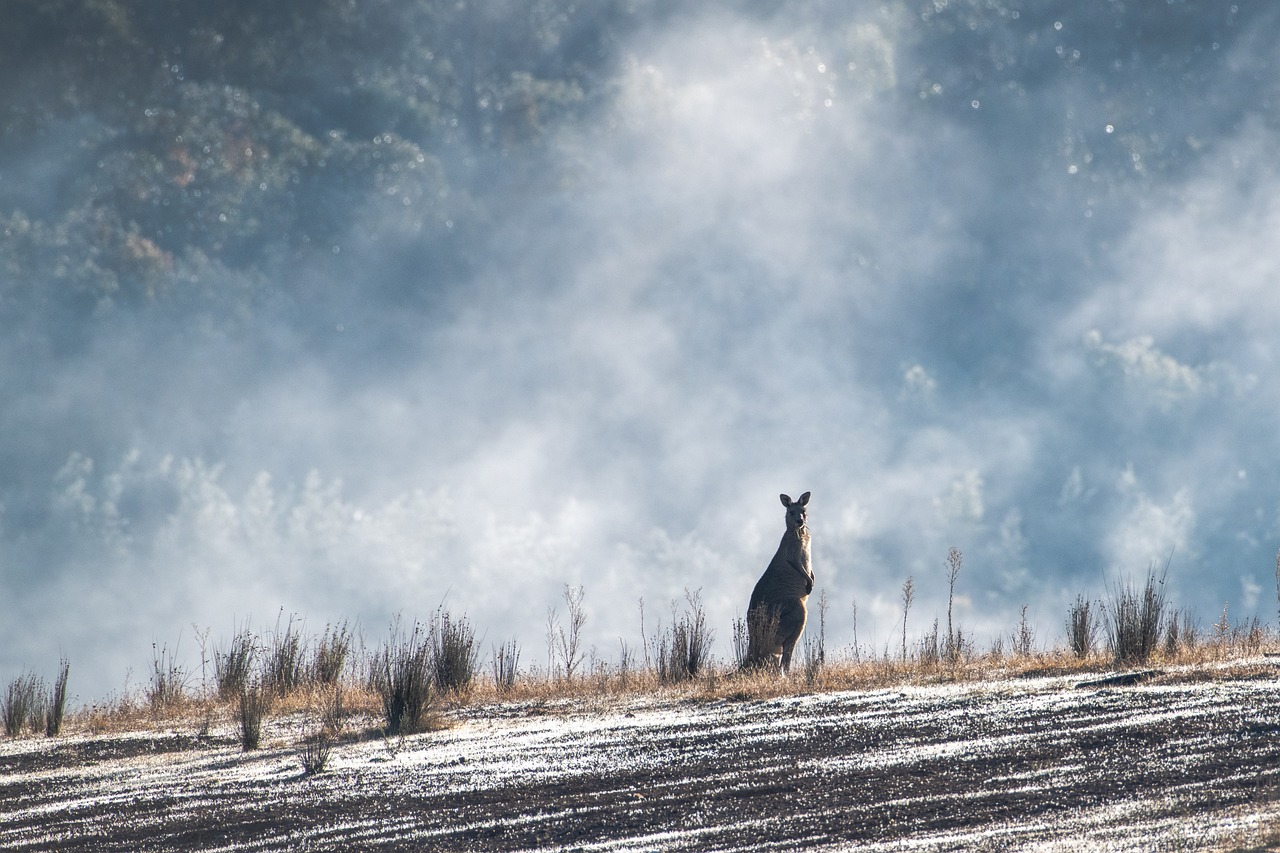
Imagine a gentle dawn: a mob of Eastern Grey Kangaroos grazes silently as mist clings to the ground. The rhythmic thump of powerful limbs echoes faintly, a sound as old as the land itself. In their movements, one can sense ancient relationships with the Earth – an enduring connection that asks us to celebrate, study, and protect this unique wildlife.
Key Facts Table
| Feature | Detail |
|---|---|
| Scientific Name | Macropus giganteus |
| Average Size | Up to 2 metres tall (males) |
| Social Group | Mob (can exceed 100 individuals) |
| Status | Least Concern (but sensitive to landscape change) |
| Unique Trait | Embryonic diapause (delayed birth) |
Thought for Conservation
By understanding and appreciating the Eastern Grey Kangaroo, we find ourselves more deeply connected to the land and more invested in protecting not only this marsupial, but all the rich biodiversity Australia holds.
Photo Gallery