Hawk Moths of Australia
(Family Sphingidae)
Hawk Moths of Australia
Hawk moths are among the most powerful and fascinating flying insects found in Australia. Belonging to the family Sphingidae, these moths are famous for their speed, strength, and remarkable ability to hover in front of flowers while feeding. Because of their streamlined bodies and rapid flight, they are sometimes called sphinx moths or hummingbird moths.
Australia is home to a variety of hawk moth species that live in forests, woodlands, gardens, and tropical habitats. Although many species are active at night, some can also be seen flying at dusk or even during daylight hours.
What Makes Hawk Moths Unique?
Hawk moths are easily recognised by several distinctive features:
- Long, narrow wings designed for fast flight
- Strong, streamlined bodies built for endurance
- Large eyes suited to low-light conditions
- A long feeding tube (proboscis) used to reach nectar deep inside flowers
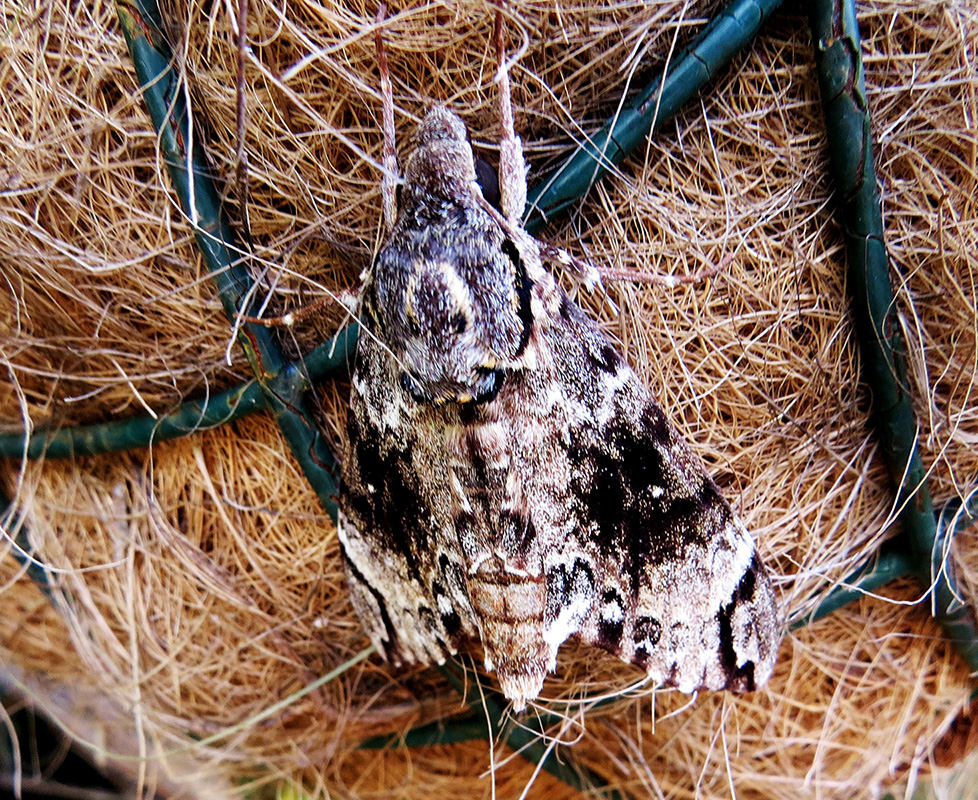
Many species have subtle colours such as grey, brown, or olive that help them camouflage against bark during the day. Others have bright flashes of colour on their hindwings that appear when they fly.
Remarkable Flying Ability
Hawk moths are among the fastest insects in the world. Their powerful wings allow them to:
- hover in front of flowers while feeding
- fly long distances during the night
- dart quickly between plants
When hovering, their wings beat so rapidly that they produce a soft humming sound. This behaviour often causes people to mistake them for small birds.
Feeding Habits
Adult hawk moths feed mainly on flower nectar.
Using their long proboscis, they can reach nectar deep within tubular flowers that other insects cannot access. Because many species fly at night, they are important nocturnal pollinators for plants that bloom after sunset.
Plants often visited by hawk moths include:
- night-blooming flowers
- flowering shrubs
- rainforest plants
- garden species with deep nectar tubes
The Caterpillars
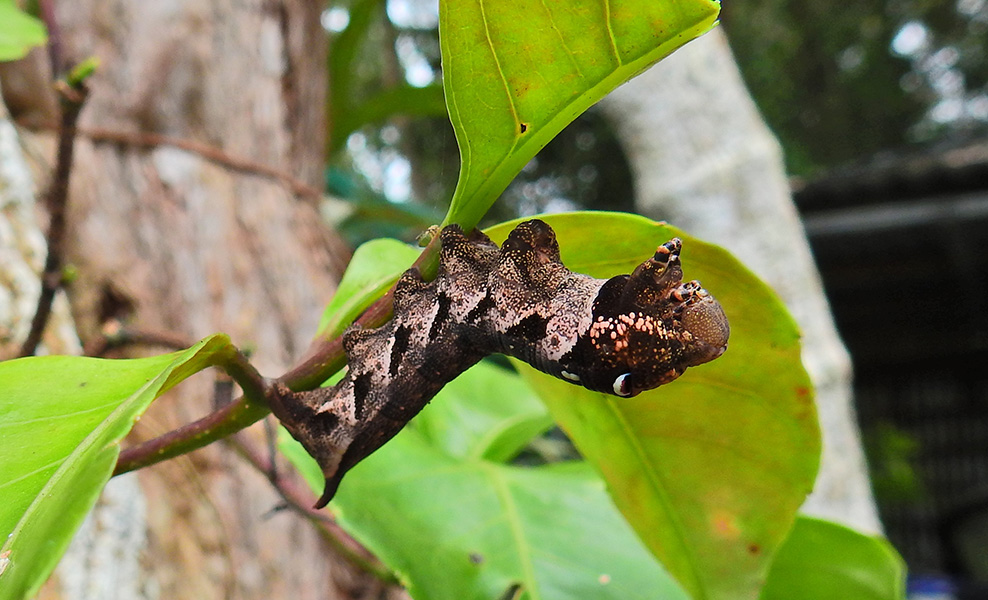
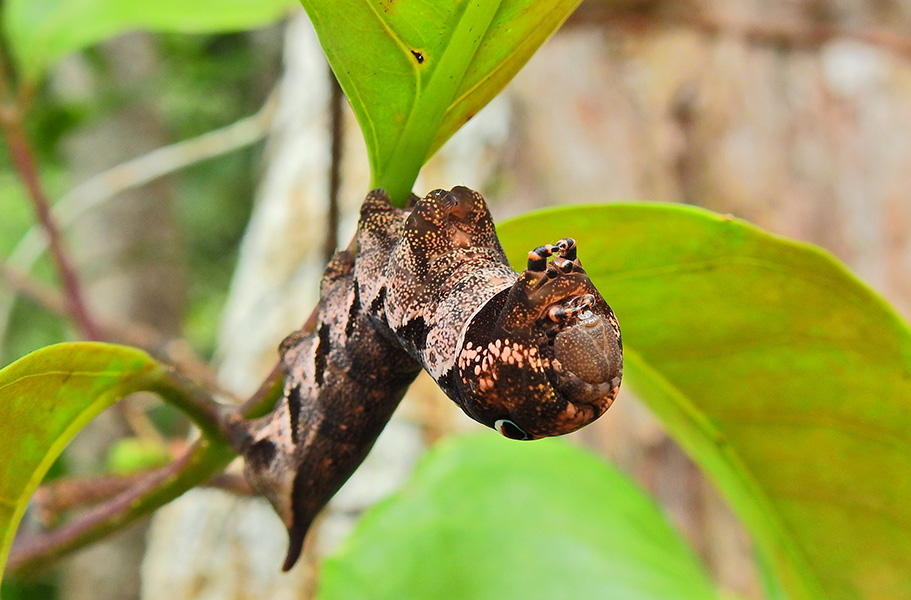
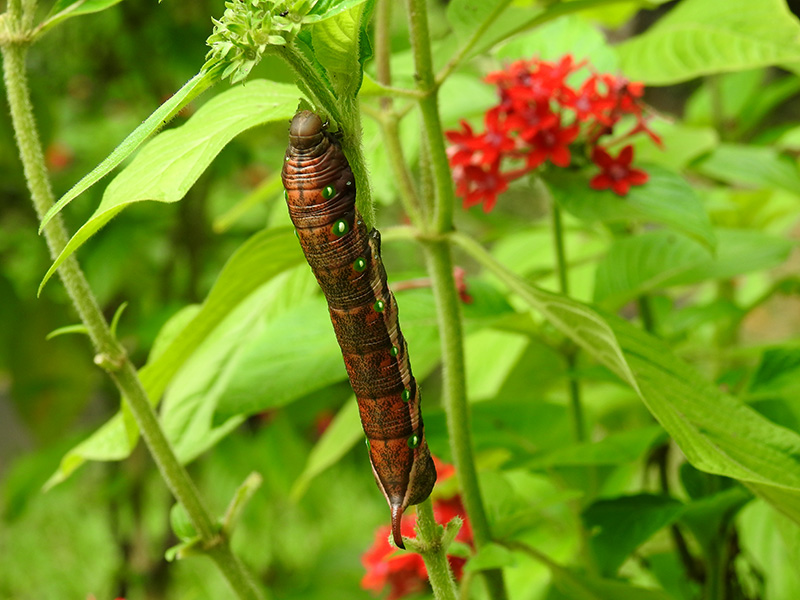
Hawk moth caterpillars are often large and distinctive. They are commonly called hornworms because many species have a curved horn at the rear of their body.
Typical features include:
- thick, smooth bodies
- bright green or brown colouring
- eye‑like spots in some species
- a curved tail horn
These caterpillars feed on a wide range of plants depending on the species.
Life Cycle
Like butterflies, hawk moths undergo complete metamorphosis.
- Egg – laid on the leaves of host plants
- Caterpillar – feeds and grows rapidly.
- Pupa – forms in soil or leaf litter
- Adult moth – emerges to feed and reproduce
The caterpillar stage usually lasts several weeks before the insect pupates and transforms into an adult moth.
Longevity
The full life cycle of a hawk moth typically takes six to ten weeks, depending on temperature and food availability.
Adult moths usually live two to three weeks, during which they focus on feeding and reproduction.
Indigenous Connections
Insects such as moths are part of the seasonal rhythms observed by First Nations peoples across Australia. Their appearance often coincides with flowering plants and changes in weather patterns.
Traditional ecological knowledge recognises insects as indicators of environmental conditions and plant cycles. Because Australia contains many Indigenous language groups, traditional names for moth species vary across regions and are not always widely documented in public sources.
Conservation and Habitat Protection
Most hawk moths are not currently considered threatened, but they depend on healthy ecosystems that provide both host plants for caterpillars and nectar plants for adults.
Threats may include:
- habitat clearing
- pesticide use
- loss of native vegetation
- climate change affecting flowering cycles
Maintaining native plants and diverse gardens helps support these important pollinators.
Why Hawk Moths Matter
Hawk moths are essential pollinators for many plants, especially those that bloom at night. Their strong flight, hovering ability, and unique life cycle make them one of the most fascinating insect groups in Australia.
Seeing a hawk moth hovering over a flower in the evening is a reminder that much of nature’s activity happens quietly after sunset.
Scientific References
Braby, M. F. Butterflies of Australia: Their Identification, Biology and Distribution
Australian Museum – Hawk moth information
CSIRO – Australian insect biodiversity
Atlas of Living Australia – Sphingidae species records
Wikipedia – Hawk moth (Family Sphingidae)
Photo Gallery