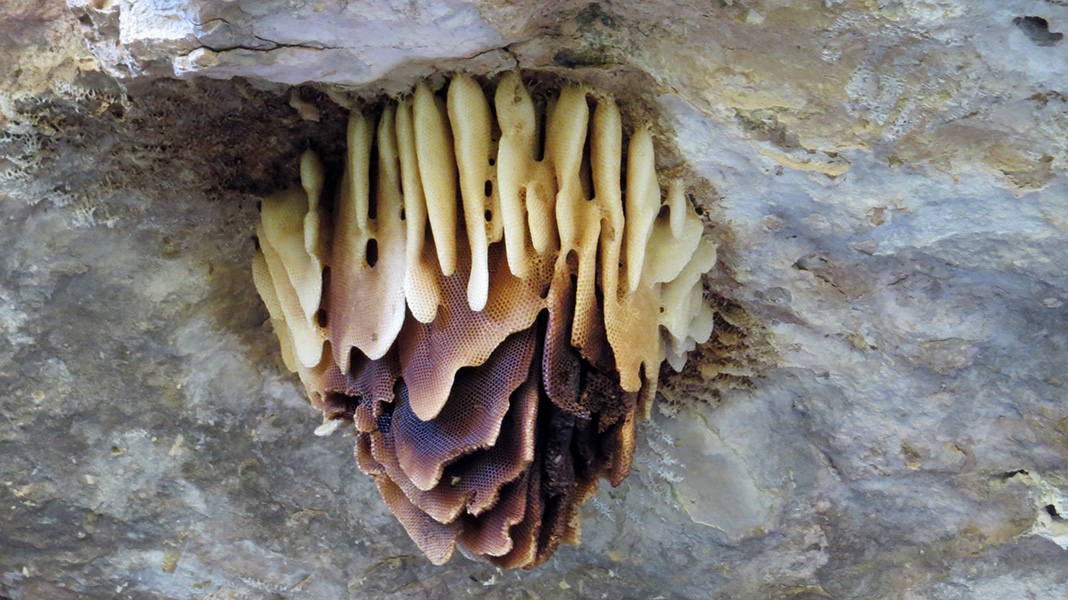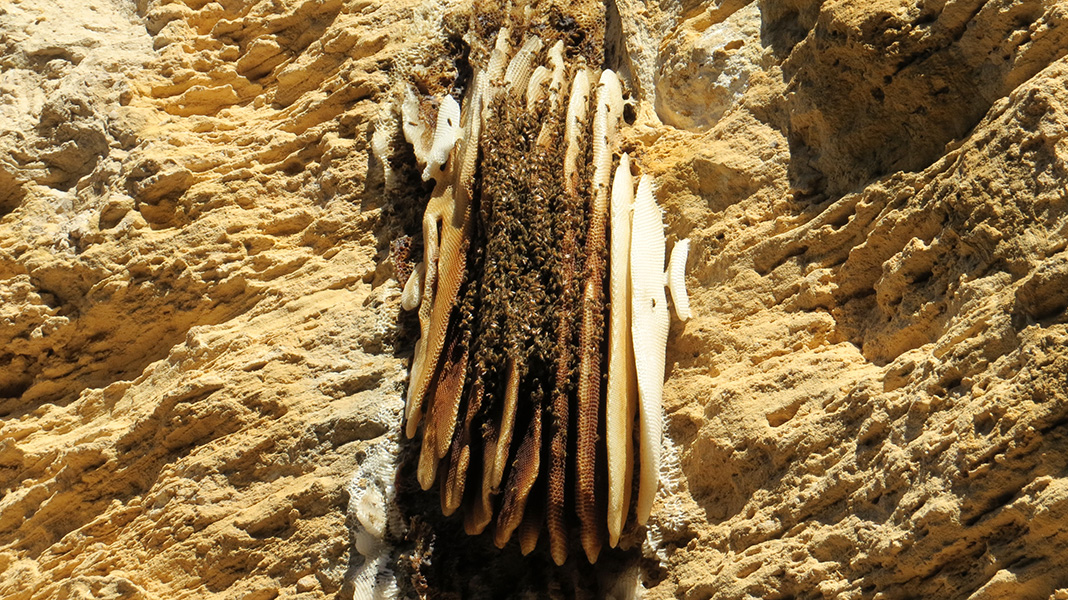
Honey Bee ( Feral )
The Feral Honey Bee in Australia – A Complex and Controversial Insect
The feral honey bee is one of the most widespread and influential insects in Australia today. Introduced by humans, now living independently across much of the continent, it sits at the centre of an ongoing ecological debate — valued for pollination, yet challenging for native species and natural systems.
What Is a Feral Honey Bee?
A feral honey bee is a European honey bee that lives wild, without human management. These bees descend from colonies originally brought to Australia by settlers and have since established self‑sustaining populations in forests, woodlands, farmland and even remote wilderness.
Honey bees are not native to Australia. They were first introduced in 1822, with further introductions over the following decades to support agriculture.
How Honey Bees Became Feral
Honey bees became feral through:
- Escaped managed hives
- Swarms establishing nests in tree hollows
- Abandoned apiary sites
- Natural spread over time
Australia’s climate, flowering plants and abundance of hollow‑bearing trees allowed honey bees to thrive and spread rapidly. Today, feral honey bees occur across most of mainland Australia and on some offshore islands.
Where Feral Honey Bees Live
Feral honey bees live in a wide range of environments, including:
- Forests and woodlands
- National parks and reserves
- Farmland
- Urban areas and suburbs
- Arid and semi‑arid regions where water and flowers are available
They typically nest in:
- Tree hollows
- Rock crevices
- Building cavities
- Old structures and walls
Unlike native bees, feral honey bees live in large social colonies that can contain tens of thousands of individuals.
How Feral Honey Bees Live
Feral honey bees have a highly organised social structure made up of:
- A single queen
- Thousands of female workers
- A small number of male drones
Workers collect nectar and pollen, build wax comb, raise young and defend the colony. The bees produce honey to store food, allowing the colony to survive periods when flowers are scarce.
Pollination Power and Agricultural Value
Honey bees are extremely efficient pollinators and are essential to many Australian crops, including:
- Almonds
- Apples
- Avocados
- Citrus
- Canola
Feral populations can also contribute to pollination in areas far from managed hives, especially where crops or flowering weeds are abundant.
Because of this, honey bees are economically valuable, even when living wild.
Competition with Native Bees and Wildlife
Despite their usefulness, feral honey bees create serious ecological challenges.
They can:
- Compete with native bees for nectar and pollen
- Occupy tree hollows needed by native birds, mammals and reptiles
- Dominate floral resources due to large colony size
- Alter pollination patterns of native plants
Native bees are mostly solitary and exist in much smaller numbers, which puts them at a disadvantage when competing with honey bees.
Impact on Tree Hollows
One of the greatest concerns is hollow competition. Feral honey bees readily occupy hollows used by:
- Parrots and cockatoos
- Possums and gliders
- Bats
- Native bees and wasps
Once established, a honey bee colony can exclude other species from that hollow for many years.
Disease and Biosecurity Risks
Feral honey bees can also act as reservoirs for:
- Bee diseases
- Parasites
- Pests that threaten managed hives
Australia has remained free of some major global bee pests for many years, but feral populations make monitoring and control more difficult when outbreaks occur.
Are Feral Honey Bees Protected?
Feral honey bees are not protected wildlife in Australia. In some conservation areas, they are actively managed or removed to protect native species and habitats.
At the same time, honey bees remain legally protected livestock when kept in managed hives, creating a complex balance between conservation and agriculture.
A Species with Two Stories
The feral honey bee holds a unique place in Australia. It is both:
- A critical pollinator for food production
- An introduced species that can disrupt native ecosystems
Understanding this dual role is essential. The issue is not about removing honey bees entirely, but about managing their impact, protecting native pollinators and conserving hollow‑bearing trees.
Why the Feral Honey Bee Matters
The story of the feral honey bee reminds us that introduced species can become deeply embedded in a landscape, with both benefits and costs. It challenges us to think carefully about balance, responsibility and long‑term ecological health.
By learning about feral honey bees, we gain insight into how human choices continue to shape Australia’s natural world — often in ways that are still unfolding.
Photo Gallery