INLAND DOTTEREL
The Desert Nomad: Inland Dotterel
The Inland Dotterel (Peltohyas australis) is one of Australia’s most unusual and beautifully adapted shorebirds. Unlike most dotterels that live along coastlines and wetlands, this species is a specialist of the arid interior, thriving in some of the driest and harshest landscapes in the country.
With its soft sandy colouring and calm, deliberate movements, the Inland Dotterel blends perfectly into the red and grey soils of Australia’s inland plains. Although it may resemble coastal plovers in appearance, its lifestyle and habitat make it one of the most unique waders in the world.
What Does the Inland Dotterel Look Like?
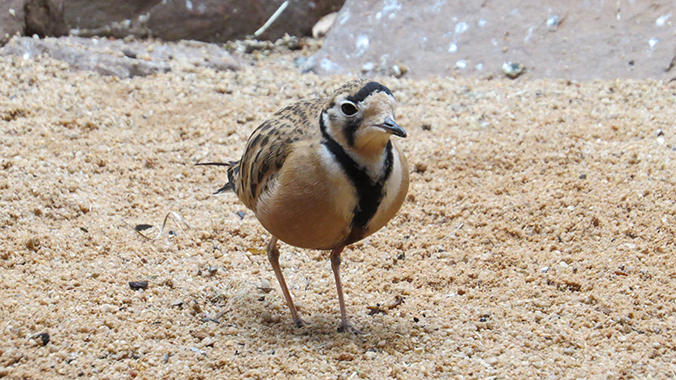
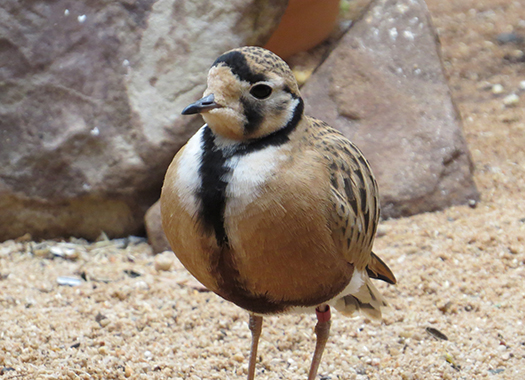
The Inland Dotterel is a medium‑sized shorebird measuring around 19–23 centimetres in length.
Its plumage is beautifully patterned to match the desert landscape:
- Upper body: Sandy‑brown with darker scalloped markings that resemble the colours of dry soil and stones.
- Face: Pale with a distinct dark eye stripe.
- Chest: Soft buff colour with fine markings.
- Belly: Pale to whitish.
- Legs: Long and pale grey‑green.
- Bill: Short and dark.
These colours provide excellent camouflage against the dry ground of inland Australia.
Habitat and Distribution
The Inland Dotterel is found across the arid and semi‑arid regions of Australia, particularly in the interior of the continent.
It prefers open landscapes such as:
- stony plains
- dry clay pans
- gibber deserts
- saltbush and shrubland
- sparsely vegetated inland grasslands
Unlike most shorebirds, it is rarely associated with water and instead lives far from coastal or wetland habitats.
Because rainfall in inland Australia is unpredictable, the Inland Dotterel is highly nomadic, moving across large distances in response to changing conditions.
Feeding Habits
The Inland Dotterel feeds mainly on terrestrial invertebrates found in desert soils.
Its diet includes:
- insects and insect larvae
- beetles
- ants
- small crustaceans in damp areas
- seeds and plant material
They forage by walking slowly across the ground, pausing frequently to watch for movement before quickly picking prey from the soil surface.
Their feeding style is calm and deliberate compared to the energetic running behaviour seen in many coastal plovers.
Breeding and Nesting
The breeding behaviour of Inland Dotterels is closely tied to rainfall in the desert.
After significant rain events, vegetation and insect life increase dramatically, providing favourable conditions for breeding.
- Nest location: shallow scrape on open ground
- Nest material: minimal, sometimes lined with small stones
- Eggs: usually 2–3 eggs coloured to blend perfectly with the surrounding soil
- Incubation: about four weeks
- Parental care: both parents guard the eggs and chicks
Like many ground‑nesting birds, their eggs are extremely well camouflaged.
Chicks hatch covered in down and are able to move around soon after birth, following their parents as they learn to forage.
Longevity
Inland Dotterels are believed to live around 8 to 12 years in the wild, although exact lifespans can vary depending on environmental conditions and predation pressures.
Their nomadic lifestyle helps them survive the unpredictable climate of Australia’s interior.
Indigenous Connections
The Inland Dotterel inhabits landscapes that have been home to First Nations peoples for tens of thousands of years. Birds of the desert and grasslands are part of the broader ecological systems observed and understood within traditional knowledge.
In many inland regions, birds are recognised as indicators of seasonal conditions, rainfall patterns, and the health of the land. The appearance of certain birds after rain can signal changes in food availability and environmental conditions.
Because Australia contains many Indigenous language groups, traditional names for the Inland Dotterel vary across regions and are not always widely documented in public sources.
Conservation Status and Threats
The Inland Dotterel is currently classified as a species of Least Concern, and its population remains stable across much of inland Australia.
However, it still faces several challenges, including:
- habitat disturbance from livestock grazing
- predation by introduced animals such as foxes and cats
- changes in rainfall patterns due to climate change
Because this species depends on natural desert ecosystems, protecting these landscapes helps ensure its continued survival.
Why the Inland Dotterel Matters
The Inland Dotterel is a remarkable example of how birds can adapt to Australia’s most extreme environments. Living far from water and surviving in vast open deserts, it demonstrates the incredible resilience of Australia’s wildlife.
Its quiet presence on the dry plains reminds us that even the harshest landscapes can support unique and beautiful species.
Scientific References
BirdLife Australia – Inland Dotterel species profile
Australian Museum – Inland Dotterel information
Pizzey, G. & Knight, F. The Field Guide to the Birds of Australia
Department of Climate Change, Energy, the Environment and Water – Inland bird species information
Wikipedia – Peltohyas australis (Inland Dotterel)
Photo Gallery