Invertebrates
The small creatures that quietly keep Australia alive
What Are Invertebrates?
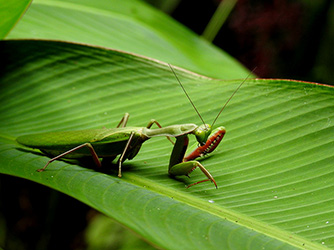
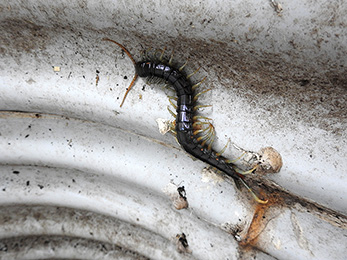
Invertebrates are animals without a backbone. They may be small, but they make up the vast majority of animal life on Earth. In Australia, invertebrates live in almost every environment — from sun‑baked deserts and tropical rainforests to oceans, rivers and backyard gardens.
Though often overlooked, these animals are essential to the health of our ecosystems.
A World Beneath Our Feet
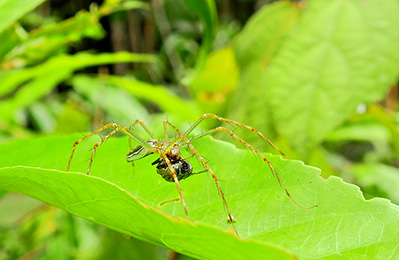
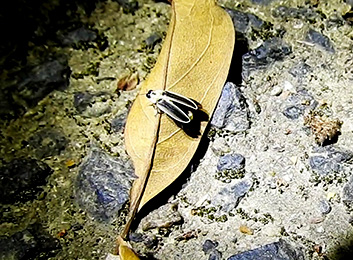
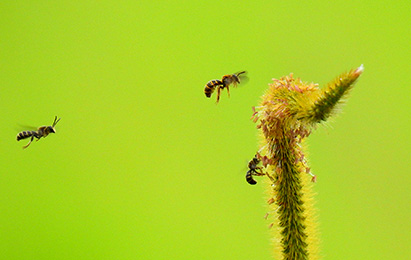
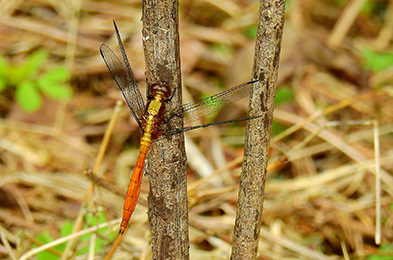
Pause for a moment in the bush or your own garden. Beneath leaves, on tree bark, and drifting through the air is a hidden world alive with movement — insects pollinating flowers, spiders controlling pest numbers, worms enriching the soil, and dragonflies skimming the surface of still water.
Invertebrates are the quiet workforce of nature.
Why Invertebrates Matter
Invertebrates help to:
- Pollinate native plants and crops
- Break down leaf litter and recycle nutrients
- Control insect populations naturally
- Form the base of many food chains
Without them, Australian ecosystems would struggle to survive.
Small Creatures, Big Importance
While many invertebrates are tiny, their impact is enormous. Over 95% of animal species on Earth are invertebrates, and many Australian species are found nowhere else in the world.
By learning about them, we begin to understand how deeply connected all life is.
Healthy invertebrate populations depend on clean water, native plants, and pesticide‑free habitats. Protecting these small animals helps protect the entire environment — including the creatures that depend on them, and ultimately, us.
Our Sources & References
The world of invertebrates is vast—making up over 90% of all animal life in Australia! To ensure the information on this website is accurate and up-to-date, we rely on the research and collections of Australia’s premier scientific institutions.
Our content is cross-referenced using data from:
CSIRO & The Australian National Insect Collection (ANIC): The world’s largest collection of Australian insects, providing the foundation for our understanding of species and their distributions.
The Atlas of Living Australia (ALA): Our national biodiversity database, which aggregates sightings and records from museums and field researchers across the continent.
Australia’s State Museums: Including the Australian Museum, Queensland Museum, and Museums Victoria, whose entomology and arachnology departments are the custodians of our natural history.
Field Guides & Specialist Literature: We consult recognised field guides (such as those by CSIRO Publishing) and peer-reviewed journals to verify life-cycles, habitats, and behaviours.
A Note on Scientific Accuracy
The world of Australian invertebrates is vast and constantly changing. With new research being published all the time, scientific names (taxonomy) can shift, and what was correct yesterday might be updated today.
While we strive to keep this website current, you may occasionally find names or classifications that differ from the very latest scientific papers. We do our best to align with the standards of the CSIRO and the Atlas of Living Australia, but we appreciate your understanding that this is a living guide. If you spot something that needs an update, we’d love to hear from you!