Jewel spiders
Jewel Spider
Nature’s living gemstone
It often appears without warning — a flash of colour suspended in sunlight, hovering between branches like a tiny ornament. This striking arachnid is one of Australia’s most visually memorable spiders.
Its scientific name is Austracantha minax, and it is also widely known as the Christmas Spider, because it becomes most visible during the warmer months leading into summer.
Where the Jewel Spider Is Found
The jewel spider is native to eastern and southern Australia, including:
- Queensland
- New South Wales
- Victoria
- South Australia
- Tasmania
It is most commonly seen in:
- Gardens
- Open woodlands
- Bushland edges
- Shrubs and small trees
They prefer sunny, open spaces where their webs can stretch wide and catch flying insects.
Appearance – A Spider Like No Other
The jewel spider is instantly recognisable.
Key features:
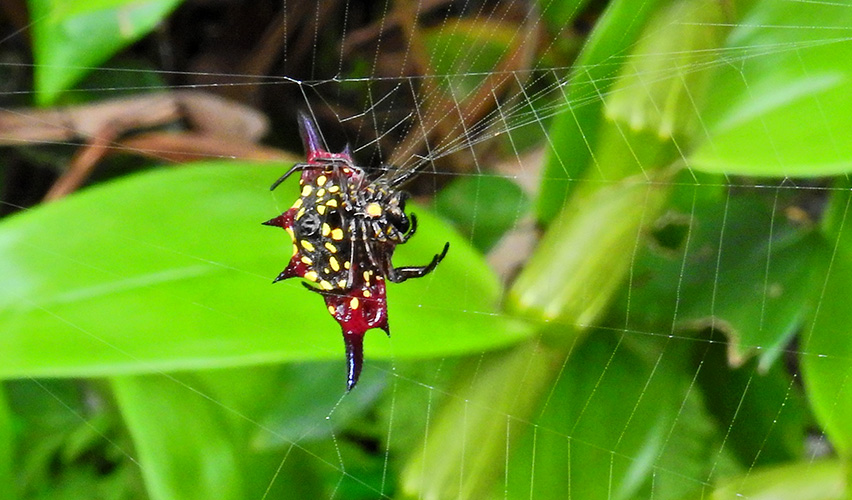
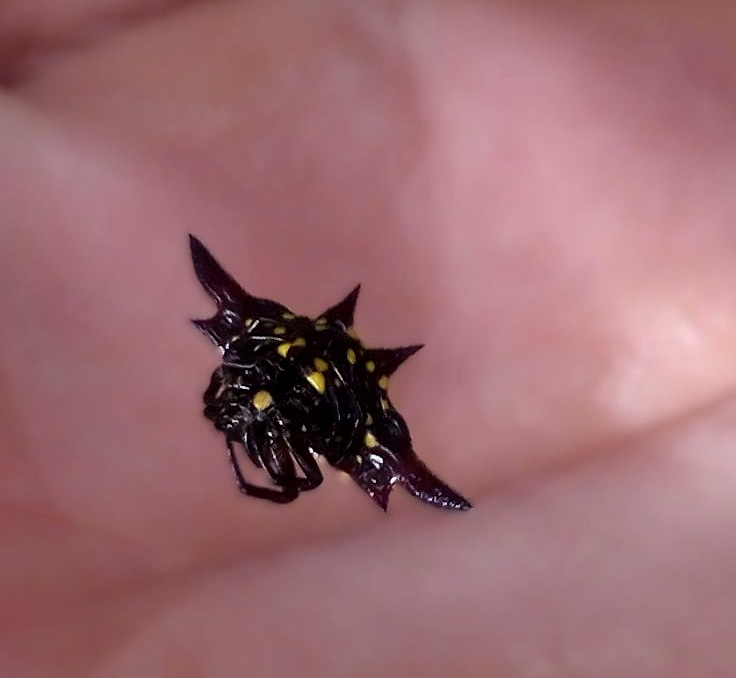
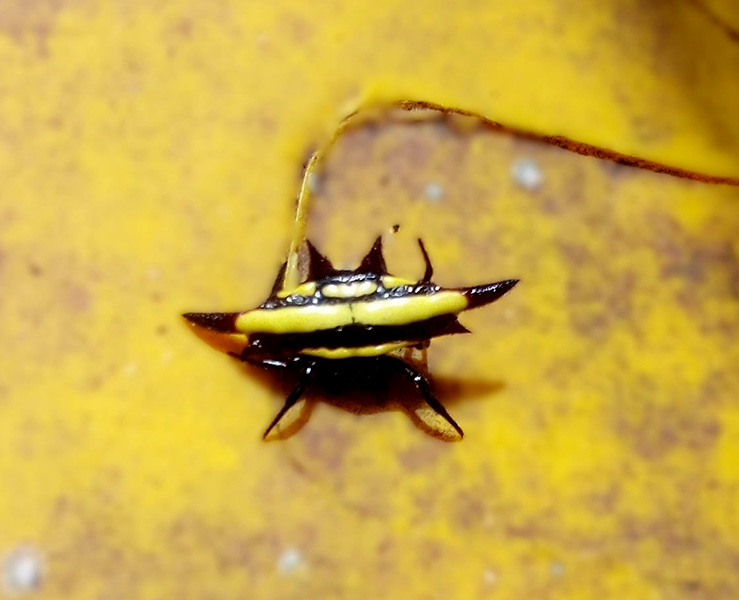
- Bright, glossy abdomen
- Six prominent spikes (three on each side)
- Colours ranging from:
- Yellow
- White
- Red
- Black
- Females are dramatically larger and more colourful than males
The hardened, spiked abdomen acts as protection, making the spider difficult for birds and lizards to swallow.
Species Information
- Common name: Jewel Spider / Christmas Spider
- Scientific name: Austracantha minax
- Family:
Araneidae(orb-weaving spiders)
Australia has only one species in this genus, making it uniquely Australian.
Longevity and Life Cycle
The jewel spider follows a seasonal life cycle:
- Eggs hatch in late winter or early spring
- Juveniles grow through spring
- Adults appear in late spring and summer
- Most die by the end of summer after breeding
Their short adult life makes their sudden appearance feel all the more magical.
Breeding Behaviour
Breeding occurs in summer.
- Males are small, dull-coloured and cautious
- They approach females slowly along the web
- After mating, the female produces silk egg sacs attached to vegetation
Once eggs are laid, the female’s life soon ends, completing the seasonal cycle.
What Jewel Spiders Eat
Jewel spiders are orb-web builders.
Their diet includes:
- Flies
- Mosquitoes
- Moths
- Small beetles
They sit motionless at the centre of their web, sensing vibrations through silk threads before rushing out to wrap prey in silk.
Venom and Safety
Despite their dramatic appearance:
- Jewel spiders are harmless to humans
- Their venom is mild
- Bites are extremely rare and usually no worse than a minor insect sting
They are not aggressive and rely on their web and armour-like body for protection.
Indigenous and Cultural Connections
While specific stories vary between Aboriginal Nations:
- Orb-weaving spiders are often associated with creation, weaving and balance
- Webs symbolise connection between land, people and sky
- Seasonal spider appearances were observed as part of ecological knowledge
The jewel spider’s timing often coincides with warmer weather and increased insect life, reinforcing its place in seasonal awareness.
Interesting Facts
- The spikes are a defence against predators, not for attacking
- Colour patterns vary greatly between individuals
- Their bright colours may warn predators they are difficult to eat
- Webs are often rebuilt daily
- Their summer appearance earned them the name Christmas Spider
Why Jewel Spiders Matter
Jewel spiders play an important ecological role:
- They help control flying insect populations
- They contribute to healthy garden ecosystems
- They remind us that beauty in nature often comes in unexpected forms
Small, bright and fleeting, the jewel spider is a living reminder that Australia’s wildlife does not need to be large or loud to be extraordinary.
Photo Gallery