LITTLE BLACK CORMORANT
Little Black Cormorant
If you have ever stood beside an Australian lake, estuary, or inland billabong and watched a dark bird slice beneath the surface like a little underwater torpedo, chances are you have seen the Little Black Cormorant. Despite its modest name, this bird is one of Australia’s most skilled fishers, a sleek waterbird perfectly adapted to life in the depths.
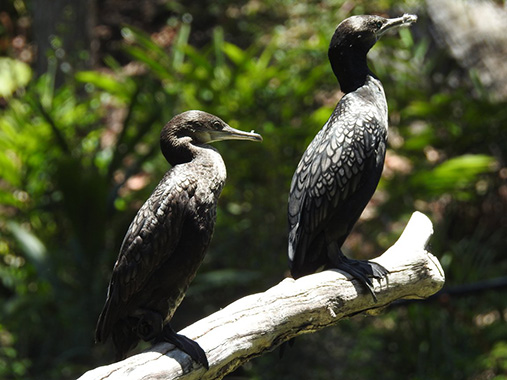
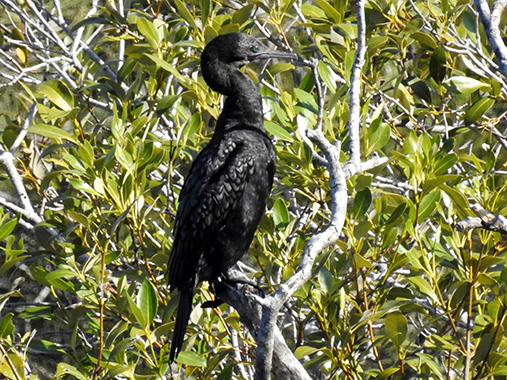
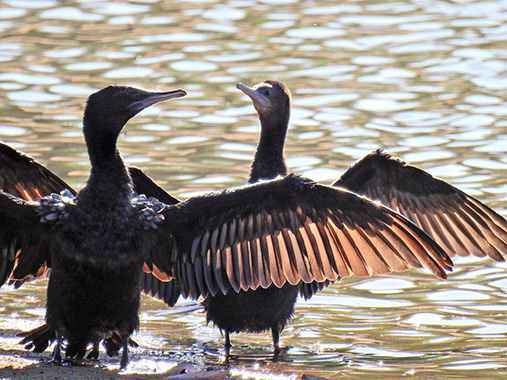
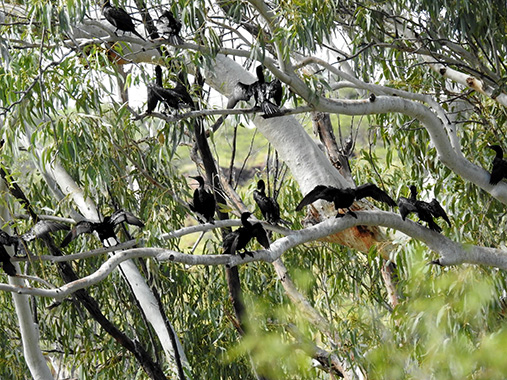
The Little Black Cormorant is common across much of Australia, and it can be found in both freshwater and coastal habitats. It is a familiar sight perched on dead branches, fences, or jetties with its wings held open to dry in the sun — one of the classic poses of Australian wetlands.
What Does the Little Black Cormorant Look Like?
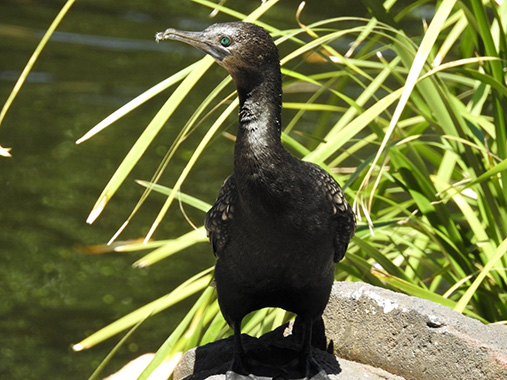
The Little Black Cormorant is a medium-sized waterbird with a slim, elegant build.
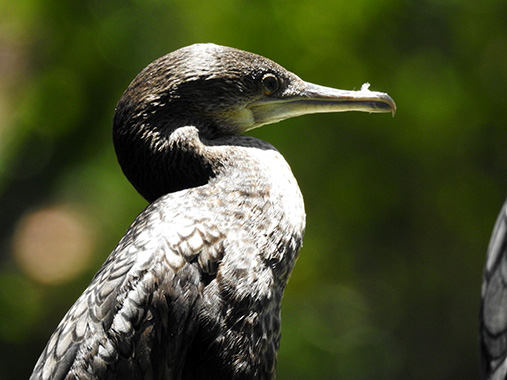
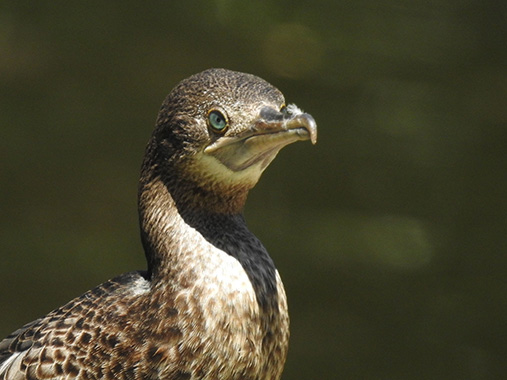
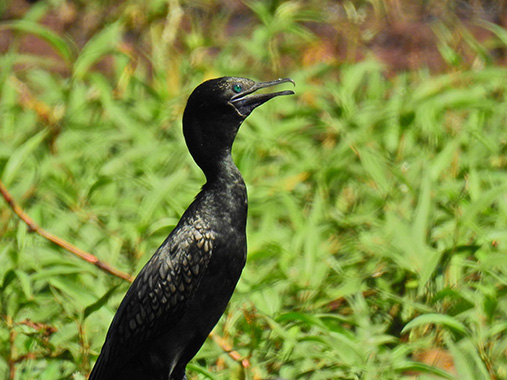
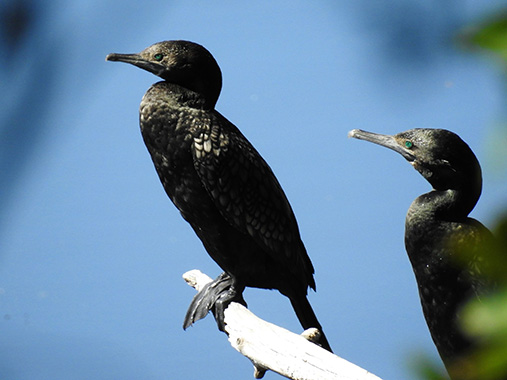
- Colour: Adults are mostly black, often with a glossy green or bronze sheen in good light.
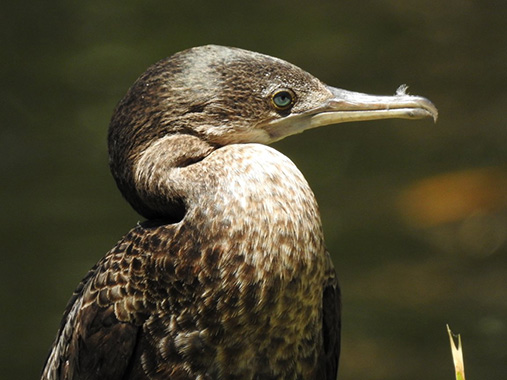
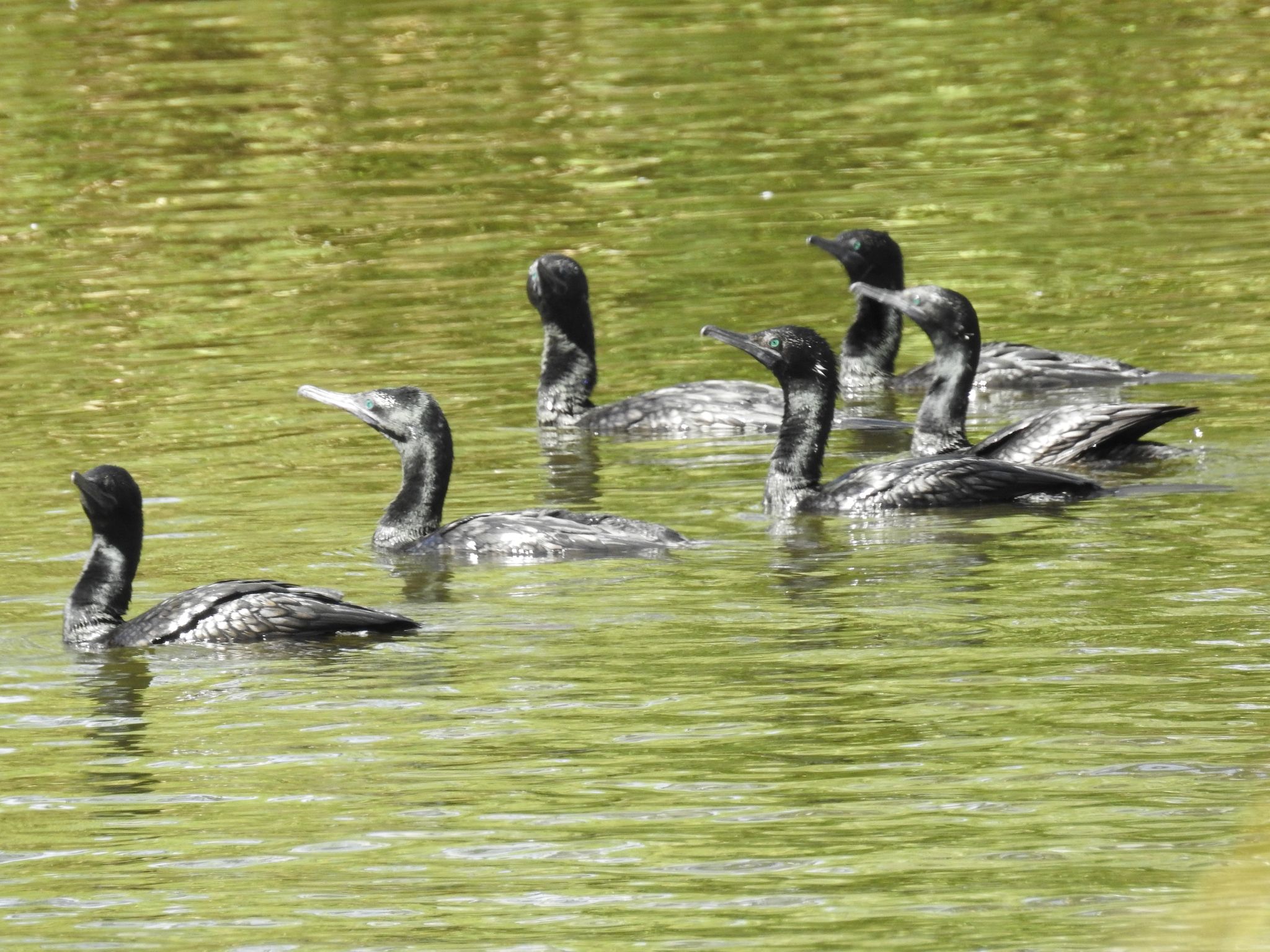
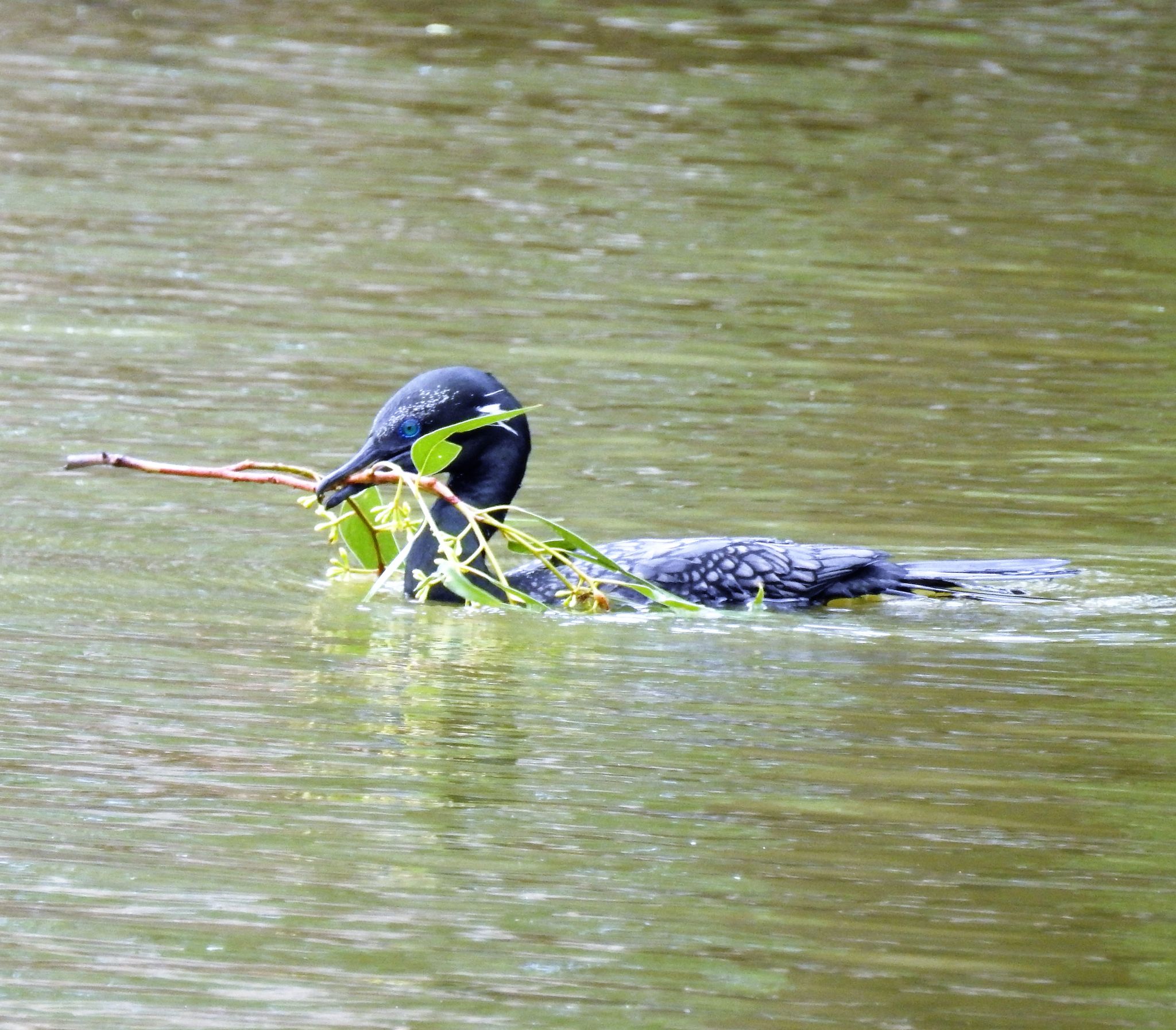
- Eyes: They have bright green eyes that can look striking against their dark plumage.
- Bill: Their bill is slender, slightly hooked at the tip, and well suited to catching slippery prey.
- Body shape: They are lean and streamlined, designed for diving rather than floating.
At a distance, they may look plain black, but up close they have a subtle beauty — a dark sheen that gleams against silver water and morning mist.
Habitat and Where They Live
Little Black Cormorants are highly adaptable and can be seen in a wide range of aquatic environments, including:
- inland lakes and dams
- rivers and billabongs
- estuaries and sheltered coastal waters
- wetlands, lagoons, and floodplains
- farm dams and urban waterways
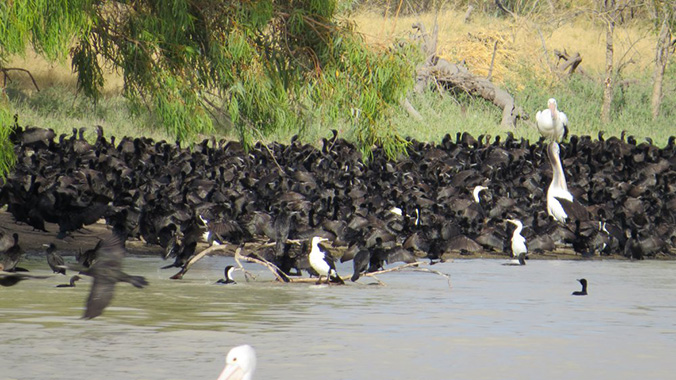
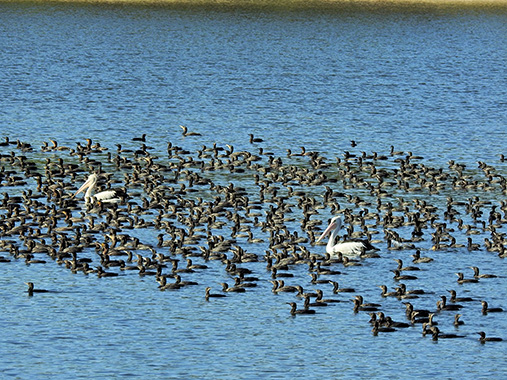
They are one of the most widespread and familiar cormorants in Australia, often gathering in small groups or larger flocks where fish are plentiful.
Feeding Habits: How They Hunt
The Little Black Cormorant is an expert underwater hunter. Instead of sitting still like a heron, it actively dives and swims after prey.
Their diet mainly includes:
- small fish
- aquatic insects and larvae
- crustaceans
- occasionally tadpoles and other small aquatic animals
They hunt by diving below the surface and chasing prey underwater with powerful strokes of their webbed feet. Watching a group feed can feel almost like seeing a flock of black feathers vanish and reappear, again and again, in flashing bursts across the water.
Because their feathers are not fully waterproof, they become waterlogged while diving, which helps them sink and swim more efficiently. After feeding, they can often be seen perched with wings spread wide to dry in the sun.
Breeding and Nesting
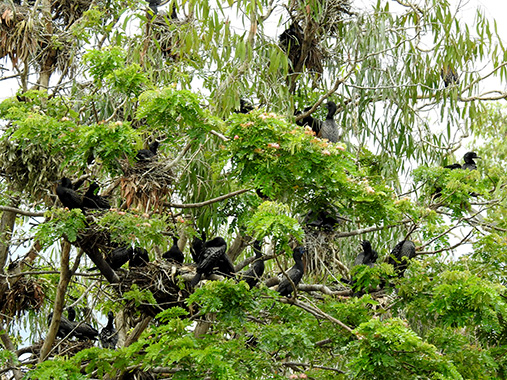
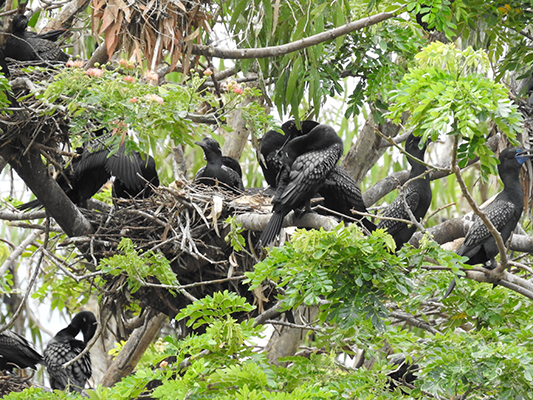
Little Black Cormorants usually breed in colonies, sometimes alongside other waterbirds.
- Nesting sites: trees over water, reedbeds, islands, or low shrubs near wetlands
- Nest material: sticks, twigs, reeds, and aquatic vegetation
- Eggs: usually 3 to 5 pale blue-green eggs
- Incubation: both parents share the job
- Chicks: hatch helpless and depend on their parents for food and protection
Breeding often happens when water levels and food supply are favourable, especially after rains or flooding has created rich feeding grounds.
Longevity
The lifespan of Little Black Cormorants in the wild is not as well documented as some larger birds, but they are generally thought to live around a decade or a little more, with banded birds recorded living for well over 10 years in some cases.
Like many wild birds, their survival depends on safe nesting habitat, reliable food sources, and clean waterways.
Interesting Facts About the Little Black Cormorant
- They are one of the most common cormorants in Australia.
- They are excellent swimmers and can disappear below the water almost without a ripple.
- Their wings are often seen spread wide in the sun after a fishing session.
- They are sometimes mistaken for other dark waterbirds, but their slim shape and long bill help identify them.
- They are social birds and may gather in groups while feeding or resting.
There is something wonderfully understated about them — no bright colours, no loud display, just elegant skill and quiet efficiency.
Conservation Status and Threats
The Little Black Cormorant is currently considered Least Concern overall and remains widespread in Australia.
However, they still face localised threats, including:
- wetland loss and drainage
- water pollution
- reduced fish stocks
- entanglement in fishing gear
- disturbance at nesting and roosting sites
Healthy wetlands are essential not only for cormorants, but for frogs, fish, insects, and many other birds and animals too.
What Can We Do to Help?
There are simple ways to help Little Black Cormorants and the wetlands they depend on:
Keep waterways clean
Reduce litter, fishing line, and plastic rubbish near rivers, lakes, and coasts.Protect wetlands
Support conservation of natural wetlands, billabongs, and estuaries.Use fishing gear responsibly
Dispose of line, hooks, and bait packaging properly so birds do not become entangled.Respect nesting areas
Give breeding colonies space and avoid disturbing birds on islands, reeds, or shoreline roosts.
Why the Little Black Cormorant Matters
The Little Black Cormorant is a reminder that beauty in nature is not always loud or colourful. Sometimes it is found in the flash of a dark shape diving beneath the water, the glint of green eyes in the sun, or the steady rhythm of wings drying on a quiet riverside branch.
It is a bird of patience, skill, and deep connection to water — a true Australian wetland hunter.
Scientific References
- Australian Museum. Little Black Cormorant.
- BirdLife Australia. Little Black Cormorant profile.
- Department of Climate Change, Energy, the Environment and Water (DCCEEW). Waterbird and wetland species information.
- Pizzey, G. & Knight, F. The Field Guide to the Birds of Australia.
- Wikipedia Contributors. Little black cormorant. Wikipedia, The Free Encyclopedia.
Photo Gallery