MASKED LAPWING
The Bold Guardian of the Open Fields: Masked Lapwing
The Masked Lapwing (Vanellus miles) is one of Australia’s most familiar and easily recognised birds. Often seen striding confidently across parks, sports fields, farmland, and wetlands, this striking bird is known for its loud calls and fearless defence of its territory.
Sometimes referred to as the Masked Plover or simply the Spur‑winged Plover, the Masked Lapwing is a member of the shorebird family Charadriidae. Despite its association with wetlands, it has adapted extremely well to urban environments and is now a common sight across much of Australia.
What Does the Masked Lapwing Look Like?
The Masked Lapwing is a medium‑to‑large wader measuring 35–38 centimetres in length with a wingspan of around 75–85 centimetres.
Key identifying features include:
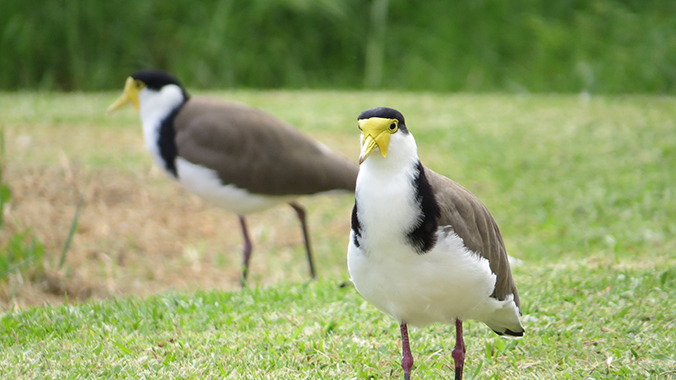
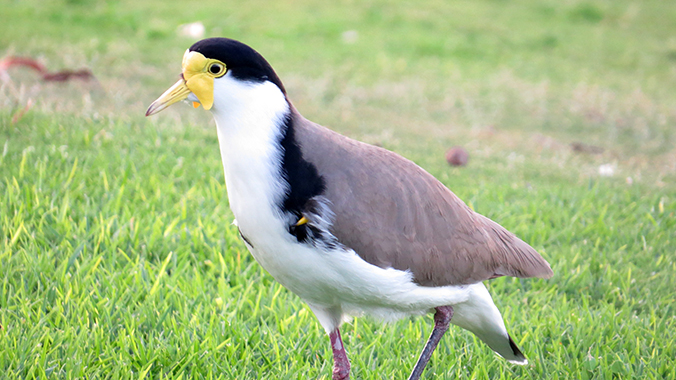
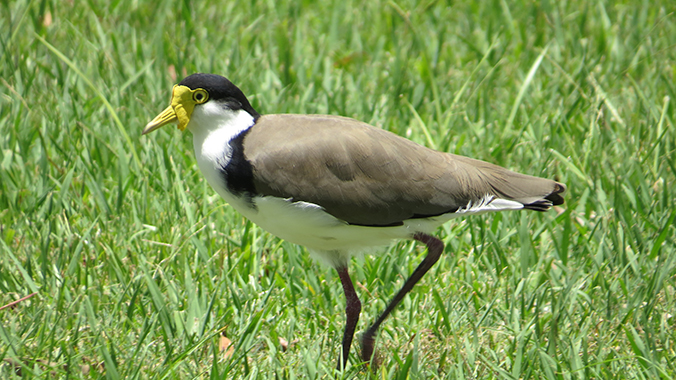
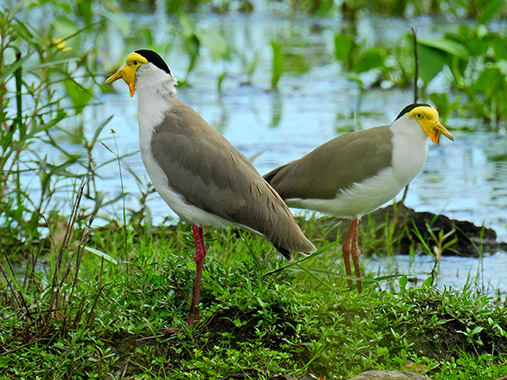
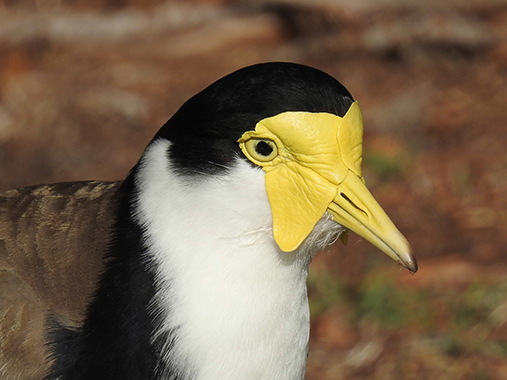
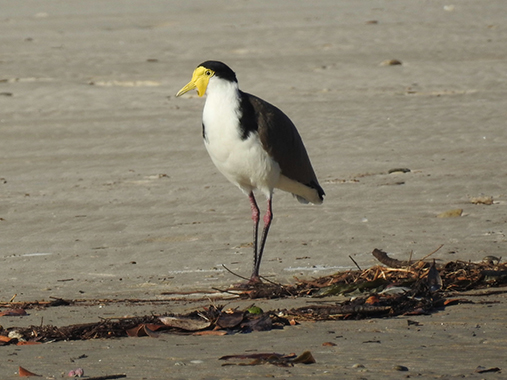
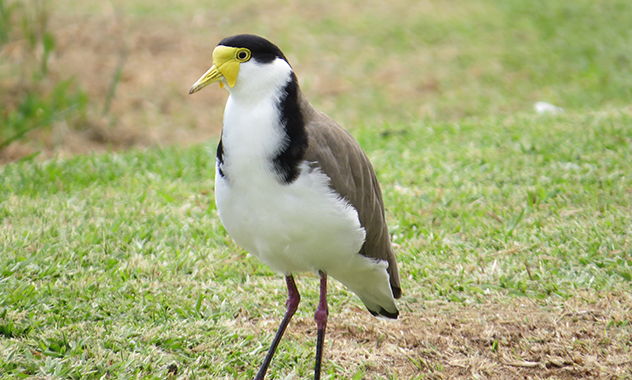
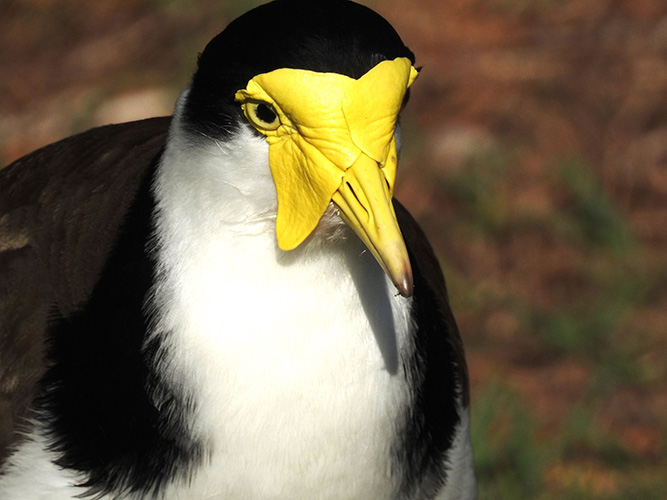
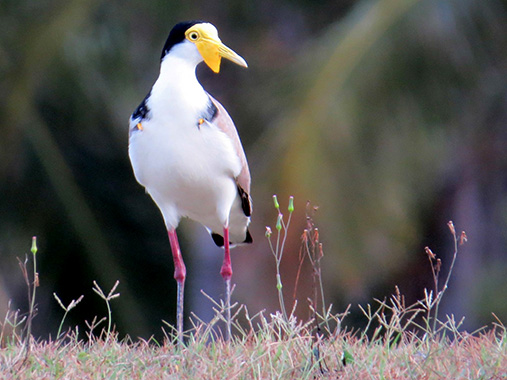
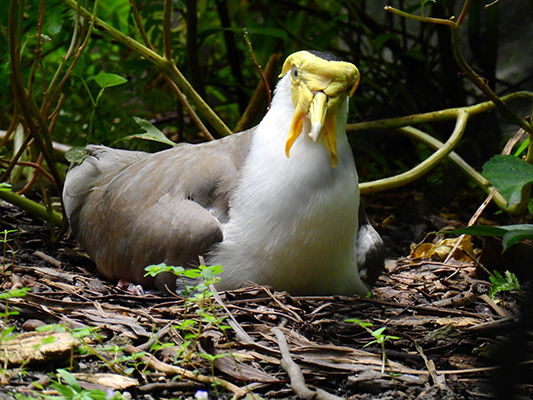
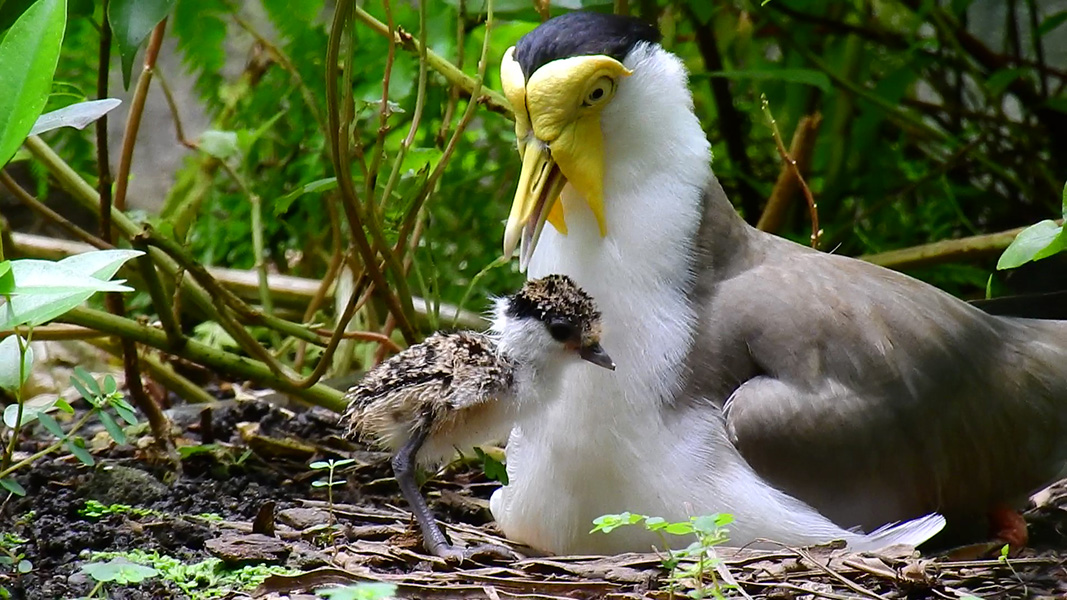
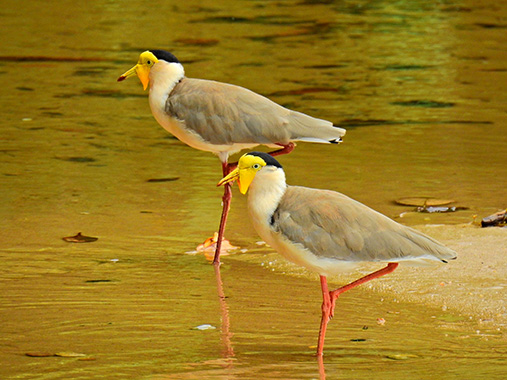
- Head and face: Bold black crown and mask with a distinctive bright yellow wattle hanging in front of the eye.
- Body: White underparts with brown wings and back.
- Bill: Yellow with a black tip.
- Legs: Long and pale yellow.
- Wing spur: A sharp bony spur at the bend of the wing used for defence.
This striking colour pattern makes the bird easy to identify, even from a distance.
Habitat and Distribution
The Masked Lapwing is found across most of Australia, particularly in open habitats.
Common locations include:
- grasslands and farmland
- wetlands and lake edges
- beaches and coastal plains
- parks, golf courses, and sports fields
- airport grasslands and open urban areas
The species is also found in New Zealand, New Guinea, and parts of Indonesia.
Because it prefers open ground with good visibility, it has adapted extremely well to human‑modified landscapes.
Feeding Habits
Masked Lapwings feed mainly on invertebrates found in soil and grass.
Their diet typically includes:
- insects
- beetles and larvae
- worms
- spiders
- small crustaceans
They usually forage by walking slowly across grass or mud, picking prey from the surface or probing lightly into the soil.
Unlike many shorebirds that feed along tidal mudflats, Masked Lapwings often feed far from water in grassy environments.
Breeding and Nesting
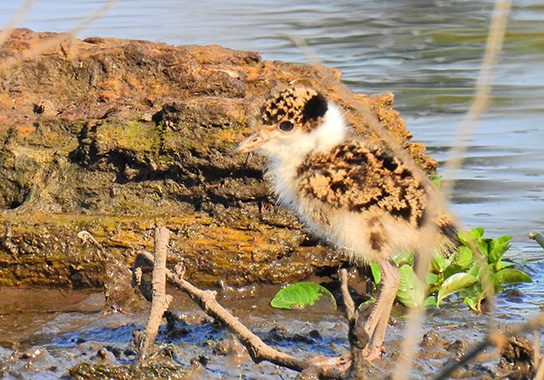
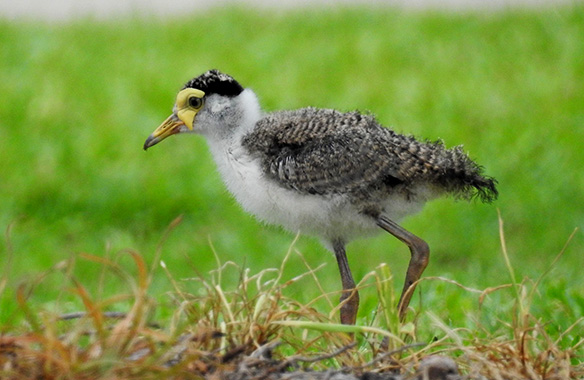
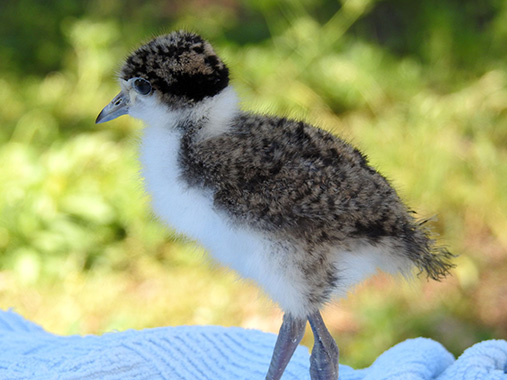
The Masked Lapwing is famous for its highly visible nesting behaviour and fierce protection of its young.
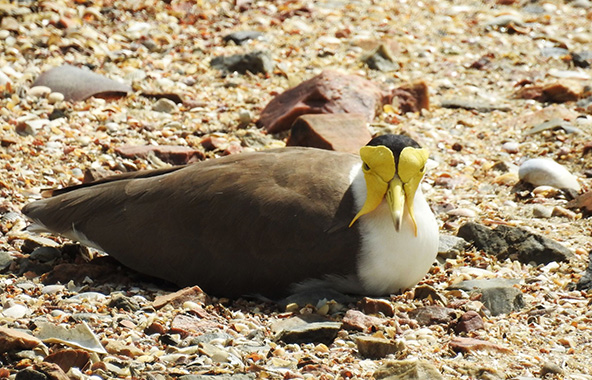
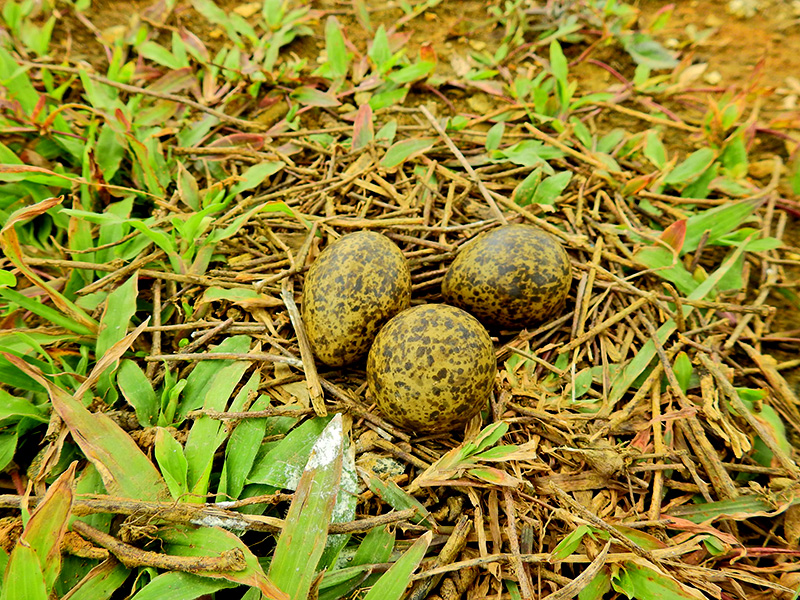
- Nest location: usually a shallow scrape in open ground, often on grass fields or bare soil
- Eggs: typically 3–4 eggs coloured to match surrounding ground for camouflage
- Incubation: about four weeks
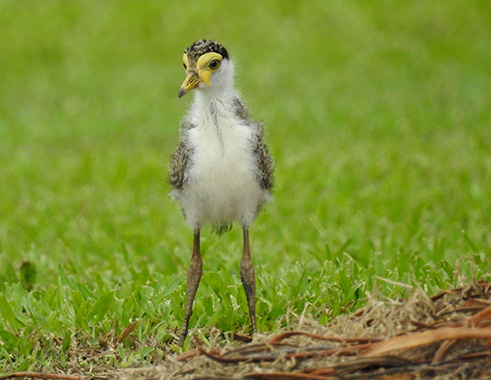
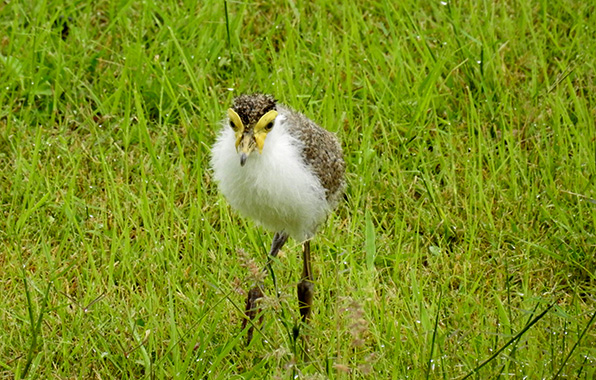
- Parental care: both parents guard the nest and chicks.
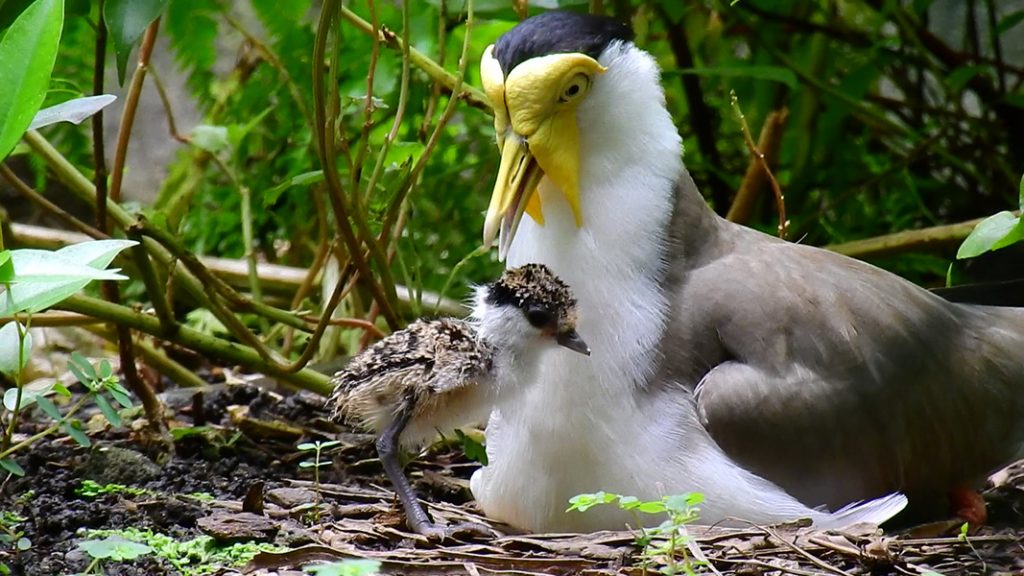
Because the nests are placed in open areas, the adults rely heavily on camouflage and aggressive defence to protect their eggs.
During breeding season, lapwings may swoop at people or animals that approach the nest. While this behaviour can seem alarming, it is simply the birds attempting to protect their young.
Longevity
Masked Lapwings can live around 10 to 15 years in the wild, although some individuals have been recorded living more than 20 years.
Their adaptability to urban environments has helped them survive well in many parts of Australia.
Indigenous Connections
Lapwings and other ground‑dwelling birds have long been part of the natural landscapes observed by First Nations peoples across Australia. Their calls and behaviour often signal seasonal changes, rainfall patterns, and the condition of open grassland environments.
Traditional ecological knowledge recognises the importance of birds like lapwings within broader ecosystems, where they feed on insects and other small animals and help maintain ecological balance.
Because Australia has hundreds of Indigenous language groups, traditional names for the Masked Lapwing vary between regions and are not always recorded in widely available public sources.
Conservation Status and Threats
The Masked Lapwing is currently considered a species of Least Concern, and its population remains stable across much of Australia.
However, it still faces some threats, including:
- loss of natural grassland habitat
- predation of eggs by introduced animals
- disturbance during nesting
- vehicle collisions in urban environments
Despite these challenges, the species has proven highly adaptable.
Why the Masked Lapwing Matters
The Masked Lapwing is one of the most recognisable birds in Australia’s open landscapes. Its loud calls, confident behaviour, and protective instincts make it a memorable part of parks, wetlands, and farmland.
Although sometimes misunderstood because of its defensive behaviour during nesting season, the Masked Lapwing plays an important role in controlling insects and maintaining the balance of grassland ecosystems.
Scientific References
BirdLife Australia – Masked Lapwing species profile
Australian Museum – Masked Lapwing information
Pizzey, G. & Knight, F. The Field Guide to the Birds of Australia
Department of Climate Change, Energy, the Environment and Water – Australian bird information
Wikipedia – Vanellus miles (Masked Lapwing)
Photo Gallery