Monarch Butterfly
The Great Migrant: Monarch Butterfly
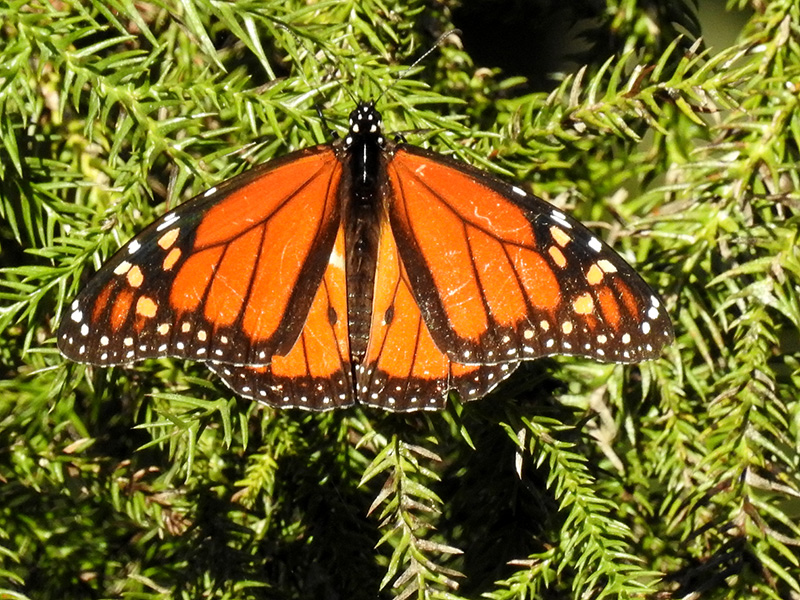
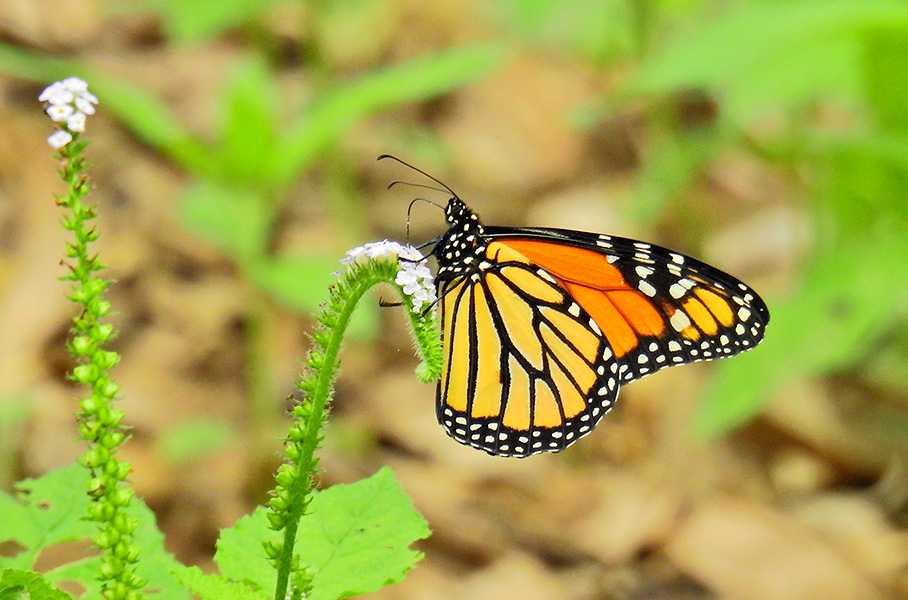
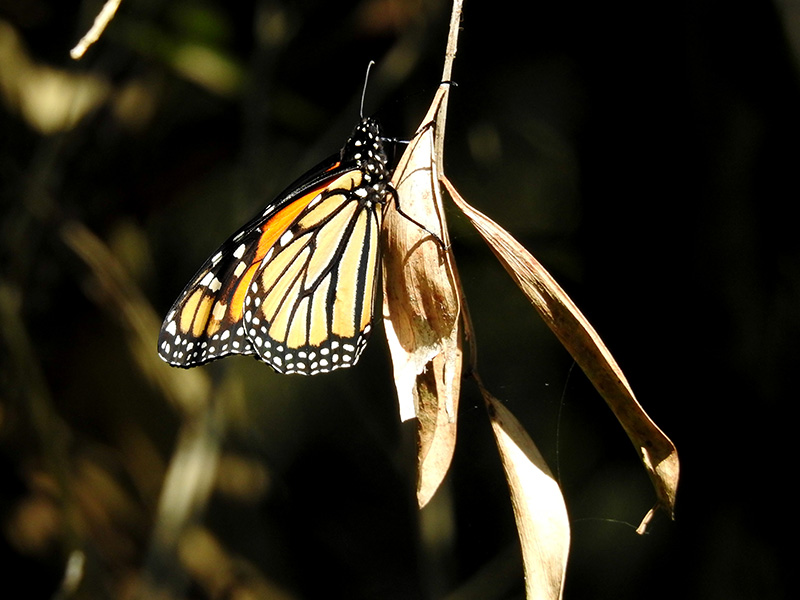
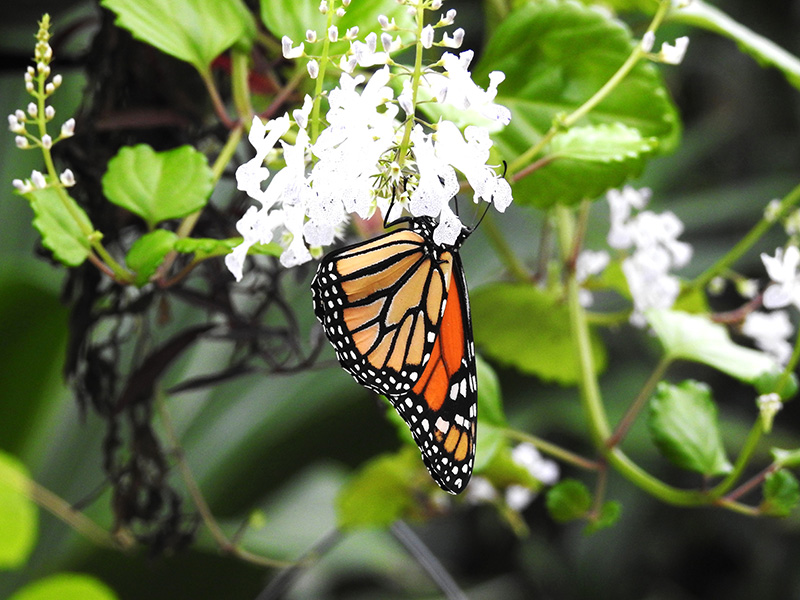
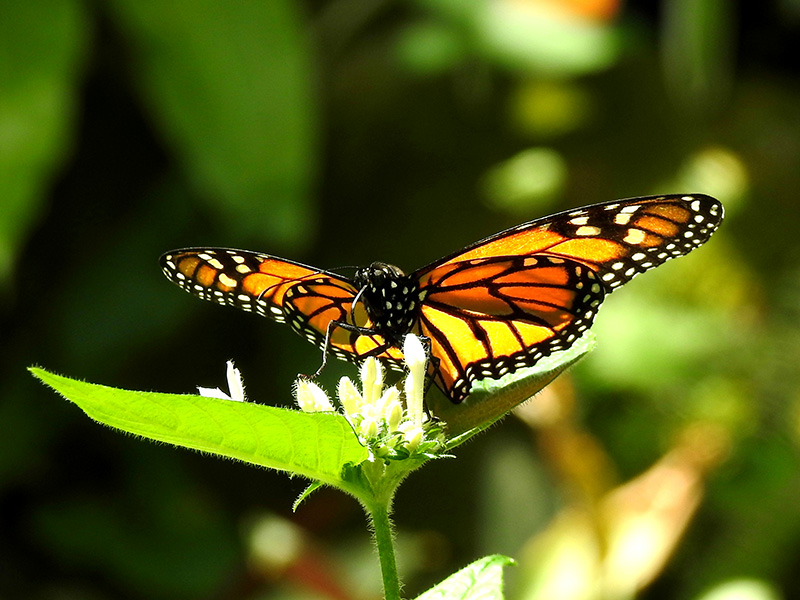
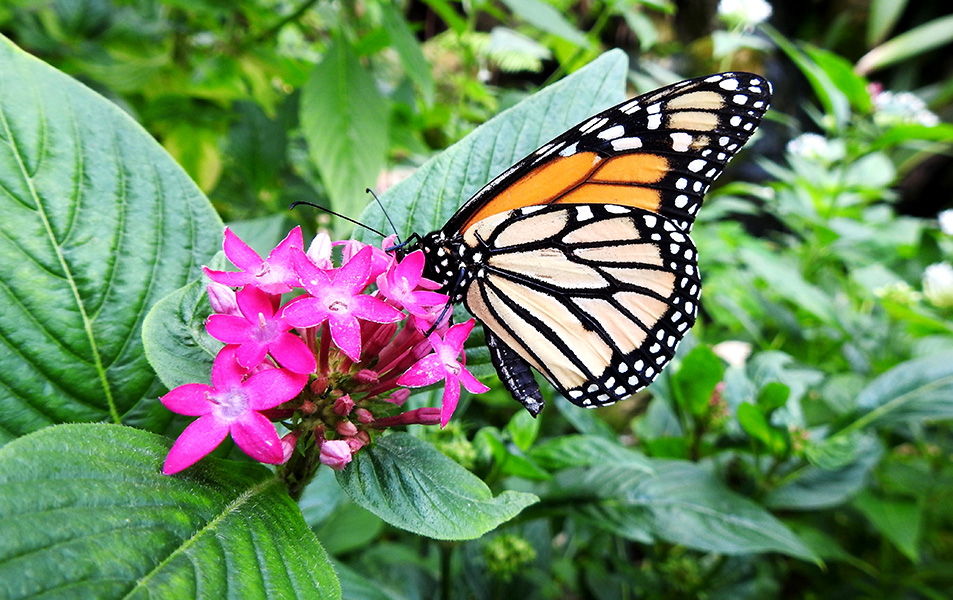
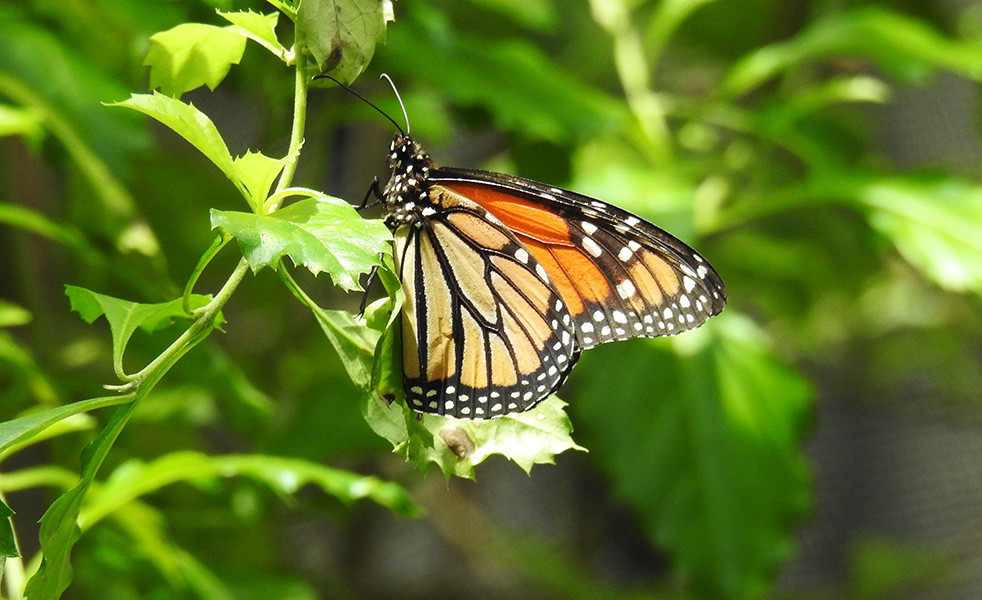
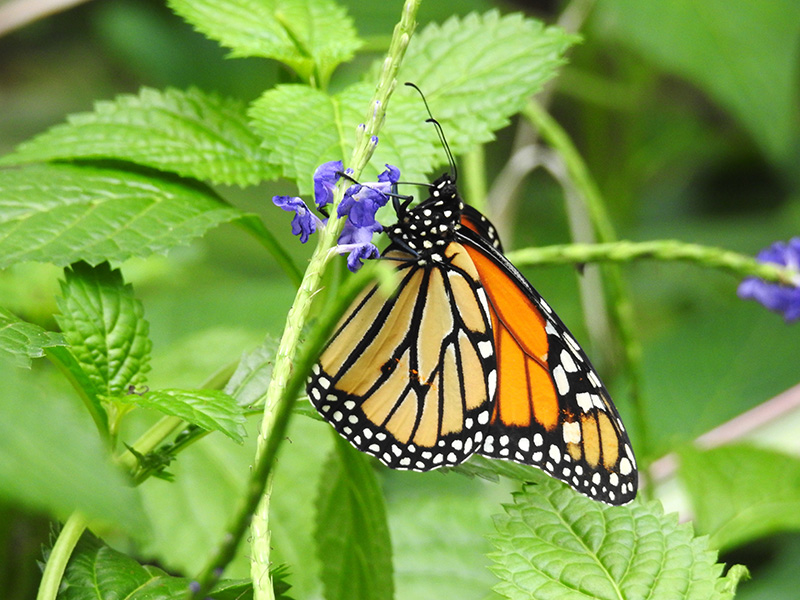
The Monarch butterfly (Danaus plexippus) is one of the most famous butterflies in the world. Known for its striking orange wings with black veins and white‑spotted borders, this butterfly has become a symbol of migration, resilience, and transformation.
Although originally native to North America, the Monarch has spread to many parts of the world, including Australia. Here it is often referred to simply as the Monarch, although in Australia it is sometimes also called the Wanderer butterfly.
Today the Monarch is a familiar sight in gardens, parks, and coastal regions across much of eastern Australia.
What Does the Monarch Butterfly Look Like?
The Monarch is a medium‑to‑large butterfly with a wingspan of around 90–100 millimetres.
It has a bold and unmistakable appearance:
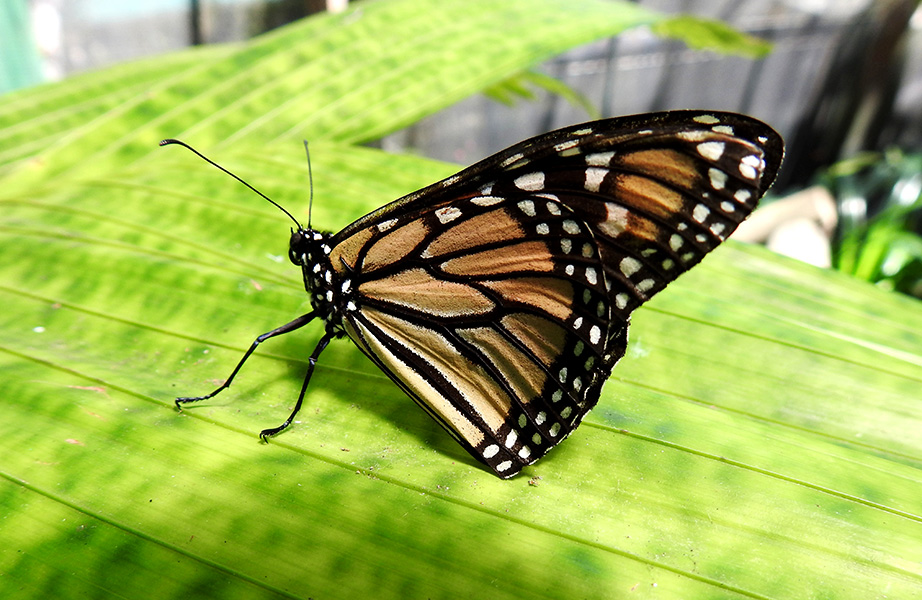
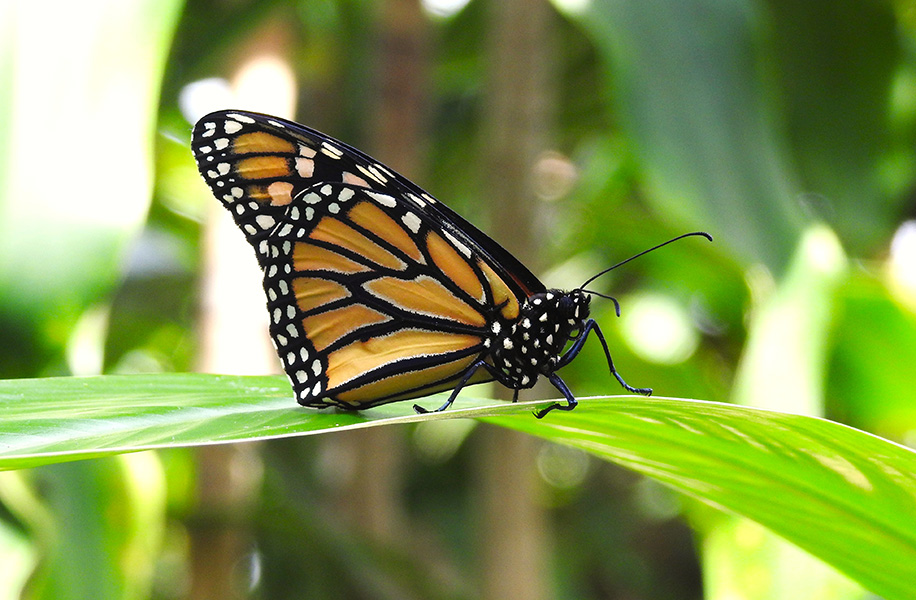
- Wings: Bright orange with thick black veins and black borders.
- Wing edges: Black with small white spots.
- Body: Black with white markings.
- Sex differences: Males have a small black scent spot on each hindwing and slightly thinner veins than females.
Their strong wings and distinctive pattern make them easy to recognise even from a distance.
Habitat and Distribution
Monarch butterflies are found across much of the world. In Australia they occur mainly along the eastern and northern parts of the continent, particularly in:
- coastal regions
- open woodland
- gardens and parks
- farmland and roadside vegetation
Because they rely on specific host plants for their caterpillars, their distribution often follows the presence of milkweed plants.
Feeding Habits
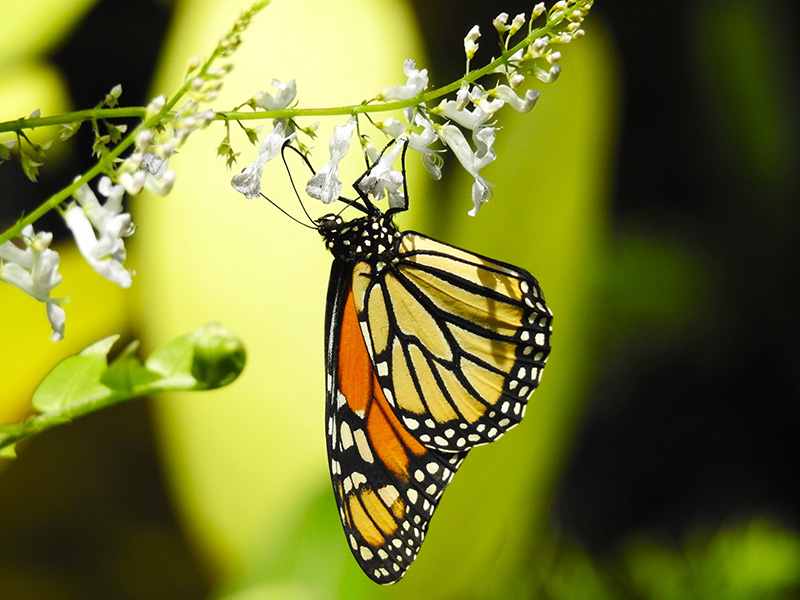
Adult Monarch butterflies feed primarily on flower nectar, which provides them with the energy needed for flight and reproduction.
Common nectar sources include:
- flowering shrubs
- native daisies
- garden plants such as lantana and buddleja
- wildflowers
They may also feed on minerals from damp soil or juices from rotting fruit.
Breeding and Host Plants
The Monarch’s life cycle depends on plants in the milkweed family (Asclepiadaceae).
In Australia the caterpillars often feed on:
- cotton bush (Gomphocarpus species)
- swan plant
- native milkweed vines
Life Cycle
- Egg: Tiny and laid singly on the underside of leaves.
- Caterpillar: Brightly coloured with black, white, and yellow stripes and two pairs of tentacle‑like filaments.
- Chrysalis: Smooth green pupa decorated with a line of metallic gold spots.
- Adult butterfly: Emerges after metamorphosis.
The caterpillars absorb toxins from their host plants, making both the caterpillar and adult butterfly unpalatable to predators.
Longevity
The Monarch’s life span varies depending on the generation.
In warm climates like Australia, adult Monarchs usually live two to six weeks. The complete life cycle from egg to adult typically takes about four to five weeks.
Some generations take part in long migrations and can can survive 6 to 9 months.
Famous for Migration
Monarch butterflies are famous for one of the greatest migrations in the insect world. In North America, millions travel thousands of kilometres between breeding grounds and wintering sites.
In Australia the migration is less dramatic but Monarchs still show seasonal movements, often travelling along the east coast in response to weather conditions and the availability of host plants.
Indigenous Connections
Butterflies are often linked to seasonal changes and flowering plants in many Australian ecosystems. First Nations peoples have long observed insects as indicators of environmental conditions and the rhythms of Country.
The appearance of butterflies such as the Monarch can signal the flowering of certain plants and the arrival of warmer weather. As with many widespread species, traditional names vary across Indigenous language groups and are not always widely recorded in public sources.
Conservation Status and Threats
Globally, the Monarch butterfly has faced population declines in some parts of its range. Major threats include:
- habitat loss
- pesticide use
- loss of milkweed host plants
- climate change affecting migration patterns
In Australia the species remains relatively common, but protecting host plants and flowering habitats is important for maintaining healthy populations.
Why the Monarch Butterfly Matters
The Monarch is more than just a beautiful butterfly. Its life cycle, migrations, and ecological relationships make it an important part of many ecosystems.
Whether drifting through a garden or crossing coastal landscapes, the Monarch reminds us of the remarkable journeys that even small creatures can undertake.
Scientific References
Braby, M. F. Butterflies of Australia: Their Identification, Biology and Distribution
Atlas of Living Australia – Danaus plexippus records
Australian Butterfly Conservation resources
CSIRO – Australian insect biodiversity
Photo Gallery