Orange Plane Butterfly
(Pantoporia consimilis)
Orange Plane Butterfly
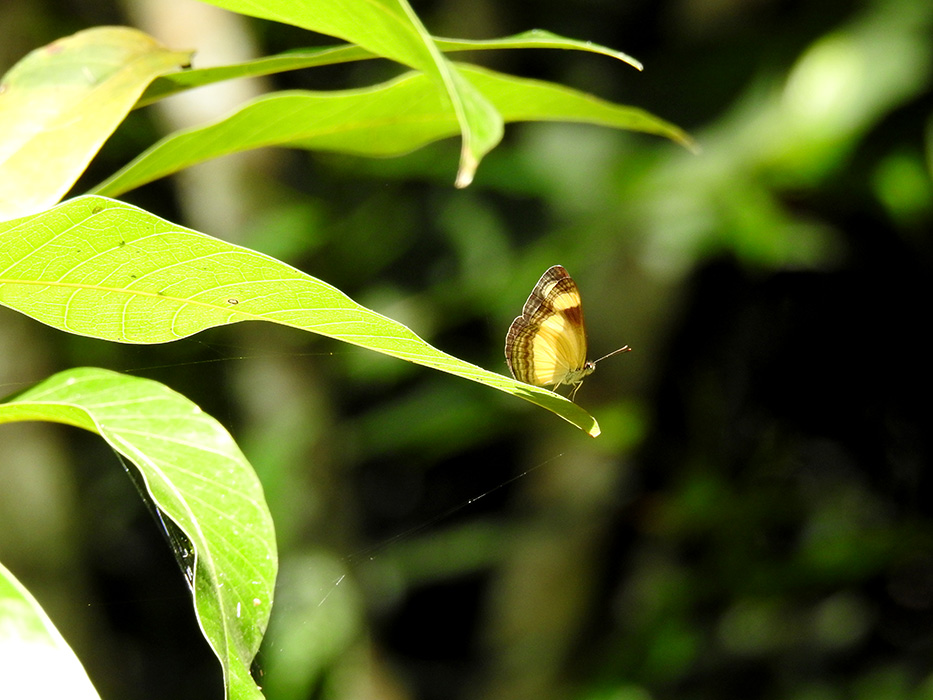
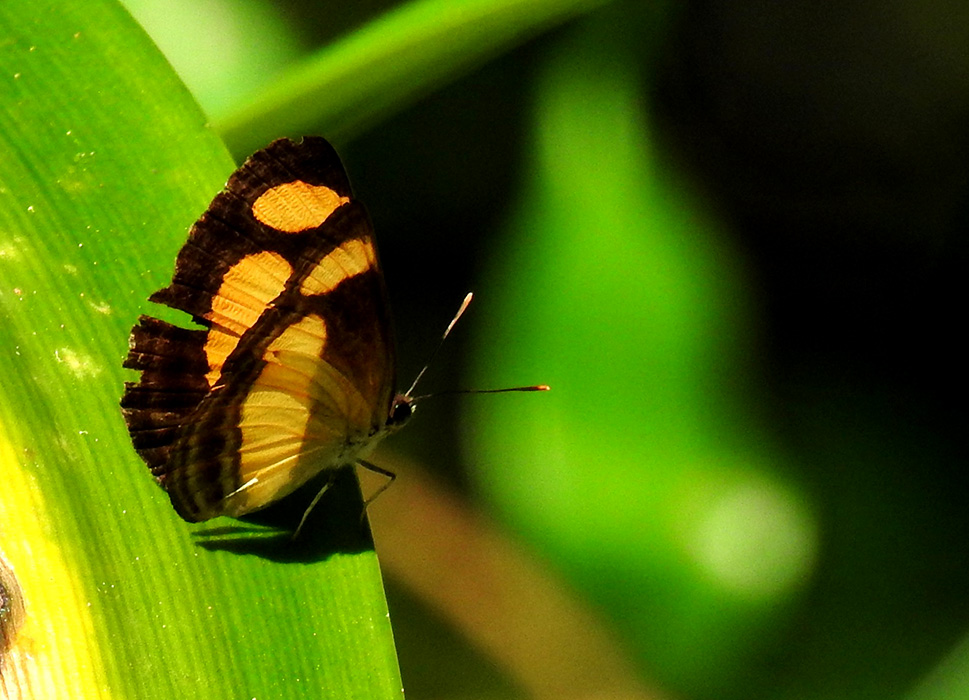
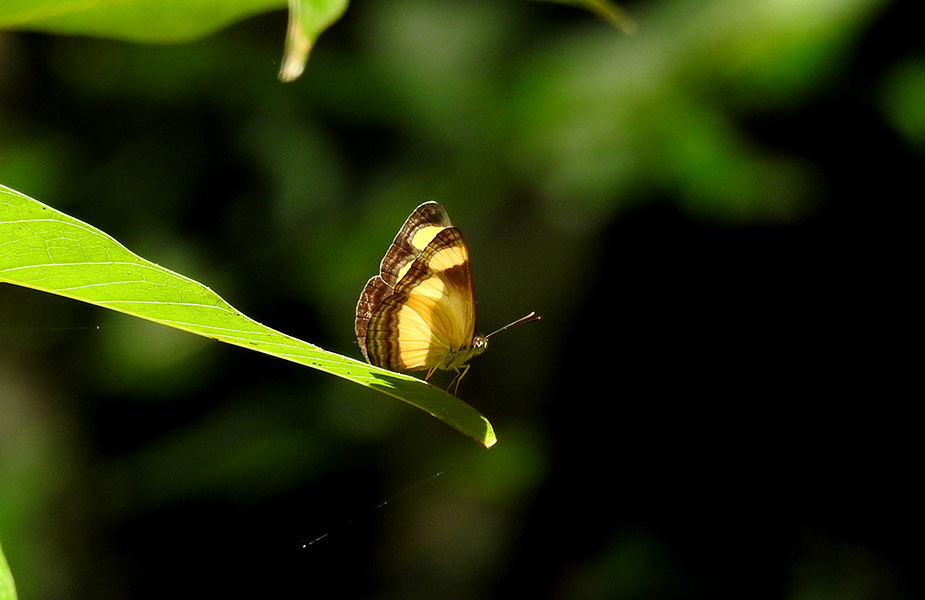
The Orange Plane Butterfly (Pantoporia consimilis) also known as Orange Aeroplane Butterfly, is a striking forest butterfly found in tropical northern Australia, particularly in the rainforests and woodland edges of northern Queensland. Known for its bold orange wings marked with dark bands and spots, this butterfly is a lively species that moves quickly through the forest canopy.
Its common name comes from its distinctive flight style. When it glides through the air with wings held flat and rigid, the shape resembles a tiny aeroplane in flight. Combined with its rapid darting movements, this makes the butterfly both beautiful and energetic to watch.
The Orange Aeroplane belongs to the brush‑footed butterfly family (Nymphalidae), a diverse group that includes many of the colourful forest butterflies found across Australia.
What Does the Orange Aeroplane Look Like?
The Orange Aeroplane is a medium‑sized butterfly with a wingspan of about 50–65 millimetres.
Its appearance is bold and distinctive:
- Upper wings: bright orange with strong dark brown or black bands and spots
- Wing pattern: symmetrical markings forming bands across the wings
- Underside: paler orange with finer brown markings
- Body: slender and dark
- Flight style: fast, darting, and gliding between trees
The striking orange colour makes it stand out against the green foliage of rainforest environments.
Habitat and Distribution
In Australia, the Orange Aeroplane occurs mainly in tropical northern Queensland, where it inhabits warm, forested regions.
Typical habitats include:
- tropical rainforests
- forest edges and clearings
- shaded woodland tracks
- creek lines and gullies
- gardens near rainforest areas
Outside Australia, the species is also found in New Guinea and nearby tropical regions, where similar habitats occur.
Feeding Habits
Adult Orange Aeroplane butterflies feed on flower nectar and plant juices.
They may be seen visiting:
- rainforest flowers
- flowering shrubs
- fallen fruit
- tree sap
Like many forest butterflies, they are also attracted to moist soil or rotting vegetation, where they obtain minerals and nutrients.
Their feeding behaviour often occurs in sunlit patches within the forest.
Breeding and Host Plants
The caterpillars of the Orange Aeroplane feed on plants in the Acanthaceae family, a group of shrubs and herbs commonly found in tropical forests.
Life Cycle
- Egg: laid on the leaves of host plants
- Caterpillar: green with subtle markings that help it blend with foliage
- Pupa: attached to vegetation as a chrysalis
- Adult butterfly: emerges to feed and reproduce
The caterpillars rely heavily on camouflage to avoid predators while feeding on leaves.
Longevity
The life cycle from egg to adult typically takes about four to six weeks, depending on environmental conditions.
Adult butterflies usually live two to four weeks, during which time they feed, mate, and lay eggs.
Interesting Facts About the Orange Aeroplane
- The butterfly’s flat-winged gliding posture gives rise to the name “Aeroplane”.
- It belongs to a group of butterflies known for fast and agile flight.
- Its bright orange wings are especially visible in sunlight as it moves between forest clearings.
- It is often seen along forest paths, where sunlight filters through the canopy.
Because of its speed and agility, it can be difficult to photograph unless it pauses briefly.
Indigenous Connections
Butterflies are part of the rich biodiversity of northern Australia’s tropical forests and have long been observed within the seasonal rhythms of the land by First Nations peoples.
In many Indigenous knowledge systems, insects such as butterflies reflect the health of forest vegetation and the changing conditions of Country. Their appearance often coincides with flowering plants and seasonal shifts in weather.
Because Australia contains many Indigenous language groups, traditional names for butterflies vary across regions and are not always widely documented in public sources.
Conservation Status and Threats
The Orange Aeroplane is currently considered not threatened, but like many rainforest species it relies on healthy forest habitats.
Potential threats include:
- rainforest clearing
- habitat fragmentation
- pesticide use
- loss of native host plants
Protecting rainforest vegetation helps maintain populations of this species and the many other insects that depend on these environments.
Why the Orange Aeroplane Matters
The Orange Aeroplane butterfly is a lively and colourful part of Australia’s tropical forests. Its energetic flight and vivid wings make it a memorable sight for anyone exploring rainforest habitats.
By protecting native forests and supporting butterfly-friendly environments, we help ensure that species like the Orange Aeroplane continue to thrive.
Scientific References
Braby, M. F. Butterflies of Australia: Their Identification, Biology and Distribution
Atlas of Living Australia – Pantoporia consimilis records
Australian Butterfly Conservation resources
Queensland Museum – tropical butterfly information
Wikipedia – Pantoporia consimilis
Photo Gallery