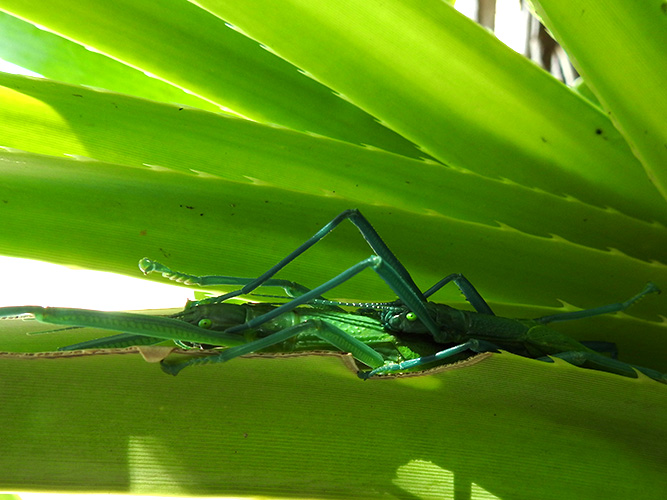
Peppermint Stick Insect
Peppermint Stick Insect
Megacrania batesii
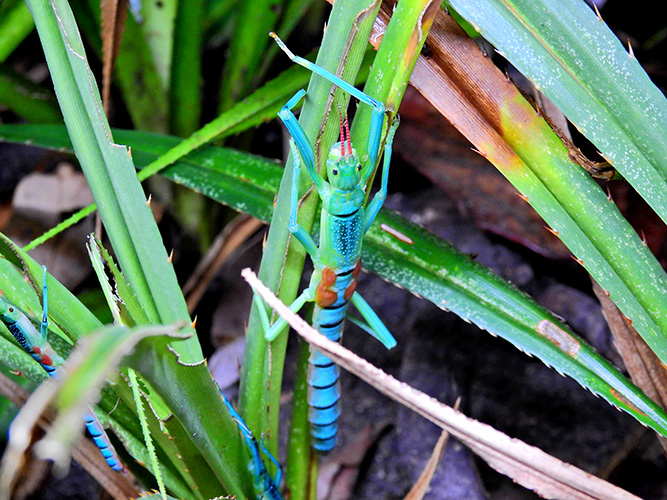
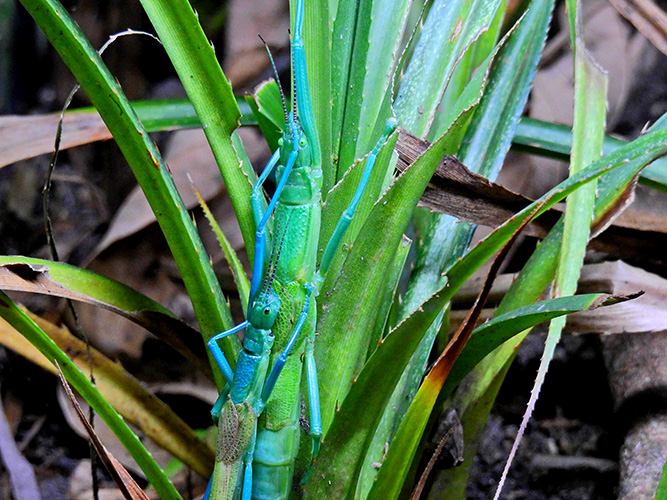
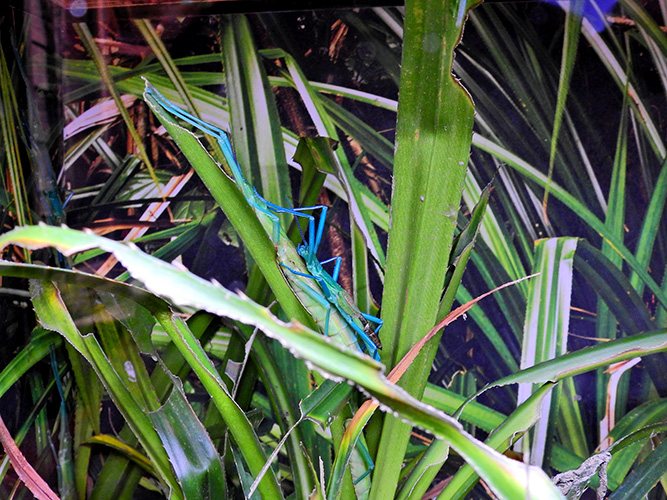
Along the warm northern coasts of Australia, among stands of pandanus and coastal vegetation, lives a stick insect with a name as distinctive as its habitat. The Peppermint Stick Insect is one of Australia’s most unusual phasmids, known for its bold colouring, strong scent, and close relationship with seaside environments.
A Stick Insect with a Scent
The Peppermint Stick Insect is named for the strong peppermint‑like smell it releases when disturbed. This scent comes from defensive glands and acts as a warning to predators. Combined with its size and sudden movements, the smell makes most birds and reptiles think twice before attacking.
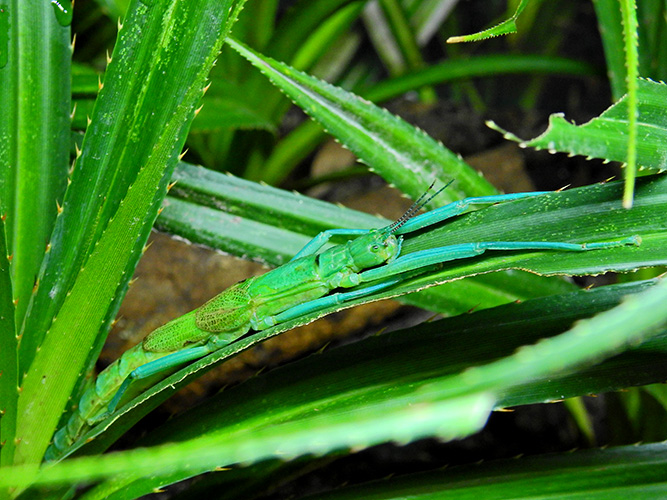
Adults are large and solid‑bodied, often reaching 15–20 centimetres in length. Their colouring ranges from olive green to brown, helping them blend into coastal plants rather than forest trees.
Habitat and Distribution
This species is found in northern Australia, particularly along the coast of:
- Northern Queensland
- The Northern Territory
- Parts of northern Western Australia
The Peppermint Stick Insect has a very strong preference for coastal habitats, especially areas dominated by pandanus plants.
It lives in:
- Coastal dunes and headlands
- Mangrove edges
- Beach‑side vegetation
- Coastal woodlands
Unlike many stick insects, it is rarely found far inland.
Diet and Host Plants
The Peppermint Stick Insect feeds mainly on pandanus leaves, which are tough, spiky, and rich in natural chemicals.
This specialised diet helps explain:
- Its restricted coastal distribution
- Its strong defensive scent
- Its close association with pandanus‑dominated habitats
In some areas, it may also feed on closely related coastal plants.
Behaviour and Defence
This species is mostly nocturnal, feeding at night and resting during the day.
When threatened, it uses several defence strategies:
- Releasing a strong peppermint‑scented spray
- Raising and spreading its legs and wings to appear larger
- Dropping to the ground and remaining still
Unlike many stick insects, both sexes are flightless, relying entirely on defence and camouflage rather than escape.
Breeding and Life Cycle
Peppermint Stick Insects have a relatively slow life cycle.
Females lay eggs individually, dropping them into leaf litter beneath pandanus plants. The eggs are large and well protected, often taking many months to hatch.
In many populations, females reproduce without males through parthenogenesis. As a result, some populations consist almost entirely of females. Nymphs hatch as miniature versions of adults and grow through a series of moults before reaching maturity.
Ecological Importance
As specialist feeders, Peppermint Stick Insects play an important role in coastal ecosystems. They help shape pandanus growth and form part of the food web for coastal birds and reptiles that are able to tolerate their chemical defences.
Because they rely so strongly on specific plants, their presence is a good indicator of healthy coastal vegetation.
Conservation Notes
The Peppermint Stick Insect is vulnerable to habitat loss, particularly along developed coastlines.
Threats include:
- Coastal clearing and development
- Removal of pandanus plants
- Increased fire frequency
- Use of pesticides in coastal areas
Protecting pandanus stands and coastal vegetation is essential for the survival of this unique species.
Interesting Facts
- One of the few stick insects with a strong smell
- Closely tied to coastal pandanus plants
- Many populations are entirely female
- Flightless despite having wings
A Coastal Specialist
The Peppermint Stick Insect shows how specialised and surprising Australia’s insect life can be. Living quietly among pandanus leaves and sea breezes, it reminds us that even the edges of our landscapes are home to remarkable creatures worth protecting.
Photo Gallery