PLACENTAL MAMMALS
Placental Mammals of Australia
When most people think of Australian mammals, iconic marsupials such as kangaroos, koalas, and wombats usually come to mind. Yet Australia is also home to an important group of mammals known as placental mammals. These animals belong to a different evolutionary branch from marsupials and give birth to relatively well‑developed young after nourishment through a placenta during pregnancy.
Placental mammals occur across every continent, and while Australia is dominated by marsupials, a number of placental species have successfully established themselves here. Some are native arrivals that reached the continent millions of years ago, while others were introduced more recently through human activity.
This section of the website explores the fascinating placental mammals found in Australia and their role in the country’s ecosystems.
What Are Placental Mammals?
Placental mammals are animals that develop their young inside the mother’s body through a placenta, an organ that provides nutrients and oxygen to the developing embryo.
This reproductive strategy differs from marsupials, which give birth to very undeveloped young that continue their development in a pouch.
Placental mammals include many familiar animals worldwide, such as:
- rodents
- bats
- carnivores
- whales and dolphins
- hoofed animals
- primates
In Australia, these mammals represent a smaller but still significant part of the country’s wildlife diversity.
Placental Mammals in Australia
Australia’s placental mammals fall into several major groups. Some are native species, while others were introduced after European settlement.
Native placental mammals
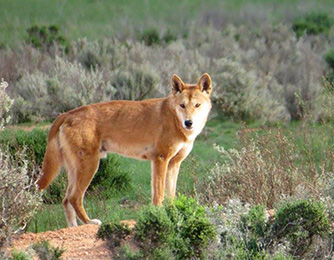
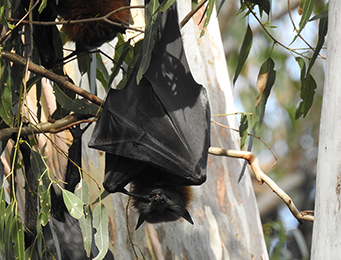
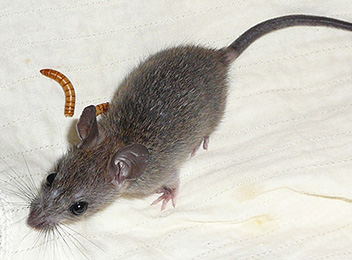
The main native placental mammals in Australia are bats and rodents. These species reached Australia naturally over millions of years and have since evolved to fill a wide variety of ecological roles.
Native placental mammals include:
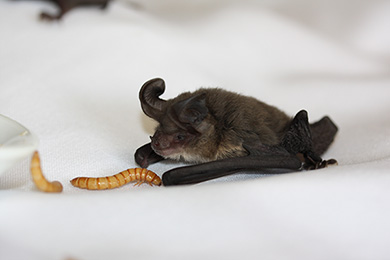
- flying foxes and microbats
- native rats and mice
- a variety of insect‑eating bat species
These animals are vital for ecosystems, acting as pollinators, seed dispersers, and controllers of insect populations.
Introduced placental mammals
A number of placental mammals were brought to Australia by humans. Some were introduced deliberately for farming or pest control, while others arrived accidentally.
Examples include:
- rabbits
- foxes
- cats
- goats
- pigs
- camels
Many of these introduced species have had significant environmental impacts and are now managed through conservation programs.
Ecological Importance
Placental mammals play essential roles in Australia’s ecosystems. They contribute to the balance of natural environments through activities such as:
- pollinating plants
- dispersing seeds
- controlling insect populations
- influencing vegetation and soil systems
Native bats, for example, are key pollinators for many Australian trees and plants, while native rodents help maintain healthy ecosystems through seed dispersal and soil disturbance.
Indigenous Connections
Placental mammals, like all Australian wildlife, are part of the complex ecological systems that First Nations peoples have understood and cared for over tens of thousands of years.
Animals such as bats and rodents feature in traditional ecological knowledge, where their behaviour can indicate seasonal changes, flowering cycles, and the health of the landscape.
Across Australia’s many Indigenous cultures, mammals are also connected to stories, language, and cultural traditions that reflect the deep relationship between people and Country.
Conservation Challenges
Many placental mammals in Australia face challenges due to habitat loss, introduced predators, and environmental change.
Threats may include:
- land clearing and habitat fragmentation
- competition with introduced animals
- climate change
- disease and pollution
Conservation programs across Australia aim to protect native species and manage the impacts of introduced animals.
Discover Australia’s Placental Mammals
Within this section you can explore the remarkable diversity of placental mammals found in Australia, including native bats, rodents, and other species that have become part of the country’s modern ecosystems.
By learning about these animals, we gain a deeper understanding of Australia’s wildlife and the delicate balance that supports life across the continent.
Scientific References
CSIRO – Australian Mammal Biodiversity
Australian Museum – Mammal Classification and Biology
Department of Climate Change, Energy, the Environment and Water – Mammal conservation information
Jackson, S. & Groves, C. Taxonomy of Australian Mammals
Wikipedia – Placental mammals (Eutheria)