PLATYPUS
The Platypus: Australia’s Most Extraordinary Animal
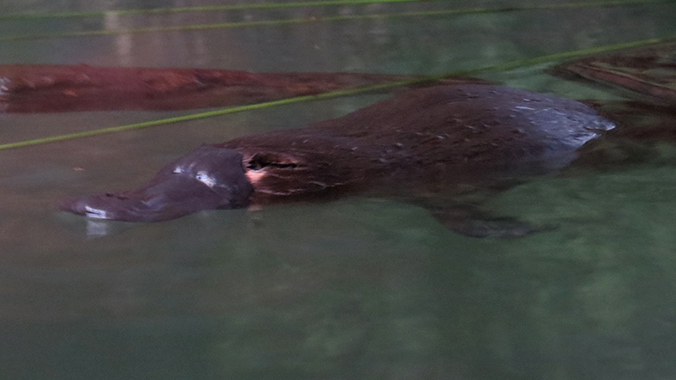
The Platypus (Ornithorhynchus anatinus) is one of nature’s most extraordinary creatures, often described as a living evolutionary marvel. Native to eastern Australia and Tasmania, the Platypus combines traits seen in otters, beavers, and ducks—yet it is a species entirely unique unto itself.
What Does a Platypus Look Like?
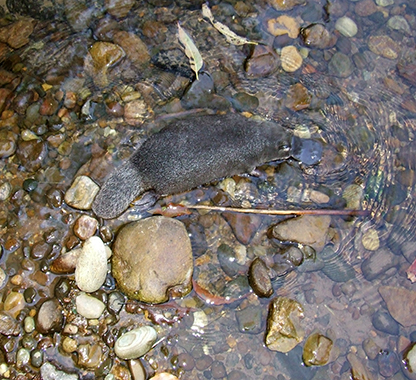
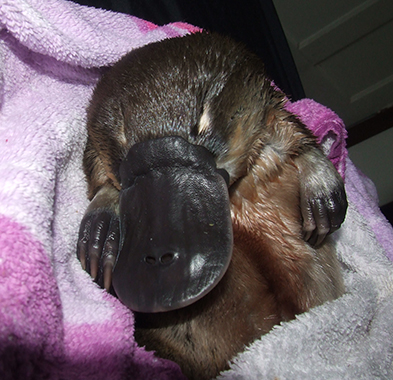
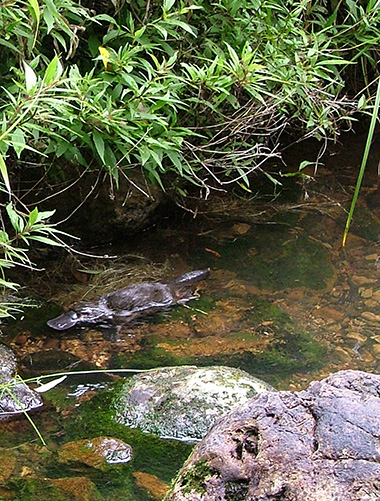
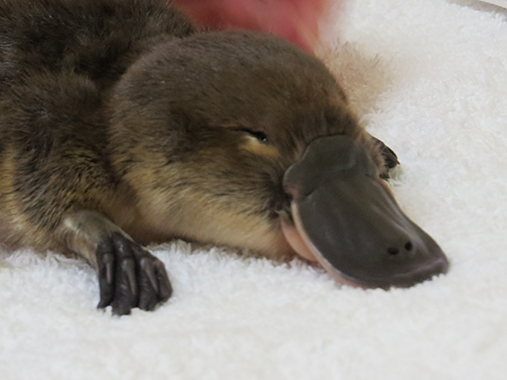
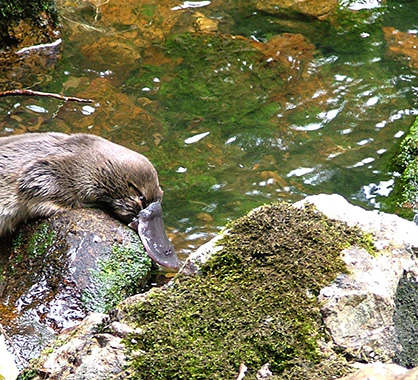
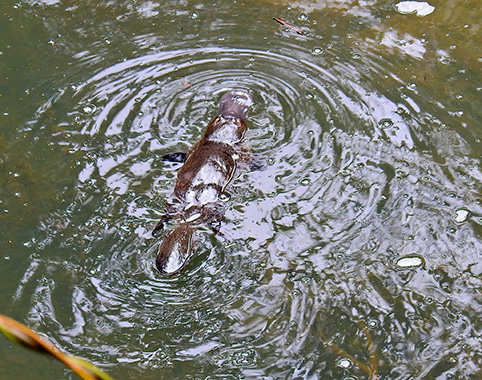
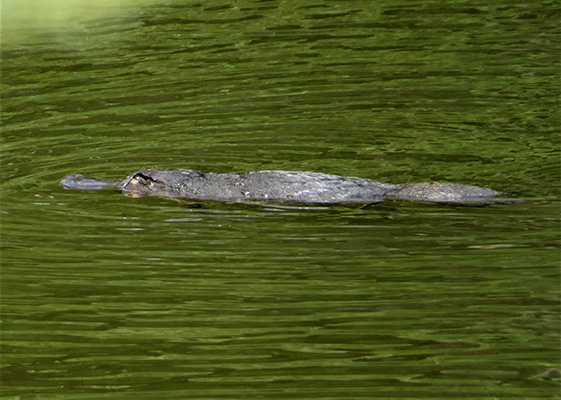
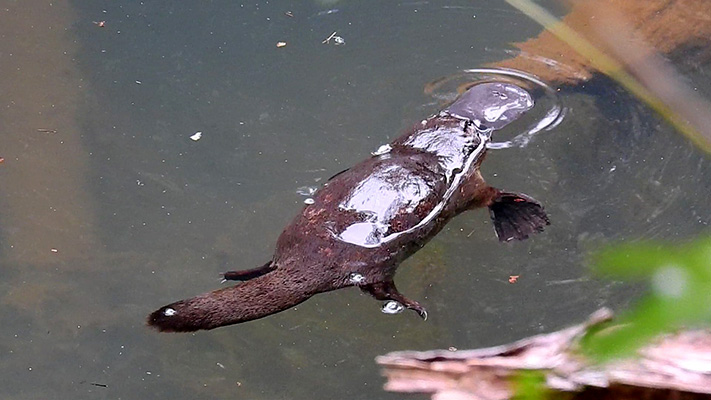
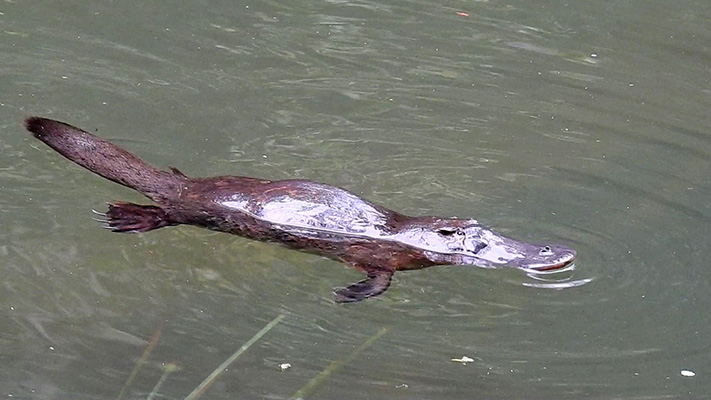
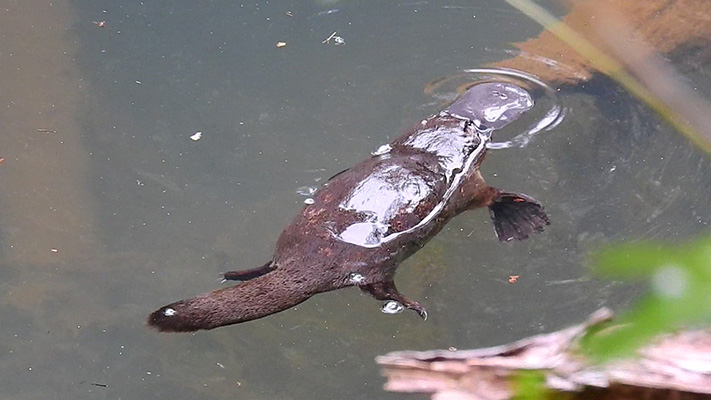
The Platypus is a small, semi-aquatic mammal with a body that resembles an otter’s, a broad flat tail like a beaver, and a distinctive duck-like bill.
Fur
The Platypus has one of the densest fur coats of any mammal. Up to 900 hairs can grow in a single square millimetre of skin, forming a thick waterproof layer that traps air and insulates the animal in cold freshwater streams. This dense coat acts like a natural wetsuit, helping the Platypus maintain its body temperature during long dives.
Tail
The Platypus has a broad, flattened tail that plays several important roles in its survival.
Energy Storage
The tail stores fat reserves that the Platypus can draw upon during times when food is scarce. This stored energy is especially important during the breeding season and for females while nesting, when they may spend long periods inside their burrows caring for eggs and young.
A Powerful Rudder in the Water
While the front feet provide the main propulsion when swimming, the tail works like a stabiliser and rudder. It helps the Platypus steer, maintain balance and control direction as it glides through the water in search of prey.
Support on Land
On land, the tail helps support the Platypus’s body as it walks or digs along riverbanks. Its broad shape provides stability when the animal is moving through muddy ground or excavating burrows.
A Transport Tool for Nesting Material
Female Platypus use their tails in a very unusual way when preparing their nesting burrows. They gather wet leaves and vegetation, press the material against their curled tail, and carry it back into the burrow to line the nesting chamber where the eggs will be laid.
Fat Reserves Reveal Body Condition
Because the tail stores fat, its thickness can indicate the health of a Platypus. A full, rounded tail suggests a well‑fed animal, while a thin tail may indicate poor food availability or illness.
Feet
The front feet are fully webbed for powerful swimming, while the back feet act as rudders and brakes.
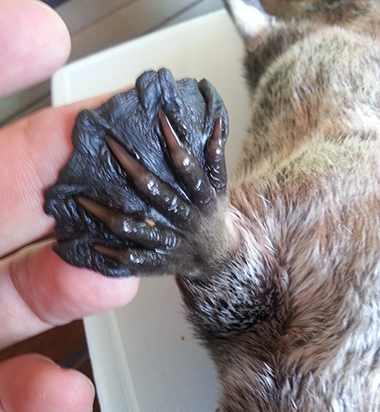
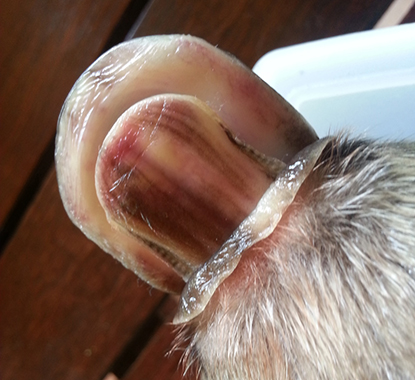
The Platypus is superbly adapted for life in the water, and one of its most useful features is the large webbing on its front feet. When swimming, the webbing stretches well beyond the claws, forming broad paddle-like surfaces that help the Platypus push through the water. The powerful front legs provide most of the propulsion, allowing the animal to glide smoothly through rivers and creeks as it searches for food.
However, this extensive webbing would make walking and digging difficult on land. To solve this problem, the Platypus can retract the webbing.
When the Platypus leaves the water, the flexible skin between the toes folds backward toward the base of the foot. As the webbing retracts, the strong claws become fully exposed. This allows the Platypus to grip the ground and dig effectively.
These sharp claws are used to excavate burrows in riverbanks where the Platypus rests during the day or where females create nesting chambers for their eggs and young.
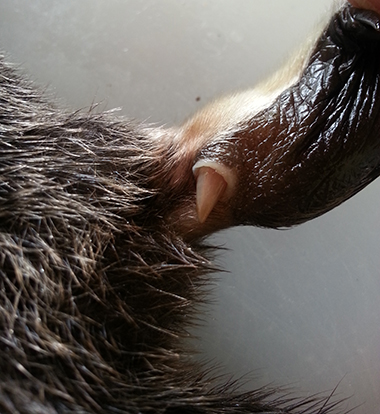
The hind feet are different. Their webbing is smaller and does not extend far beyond the toes. Instead of providing propulsion, the hind feet help with steering while swimming. In males, the hind legs also carry the distinctive venomous spur used during the breeding season.
This clever retractable webbing system allows the Platypus to move efficiently in two very different environments — gliding through water like a skilled swimmer and walking or digging on land with strong, clawed feet.
Bill
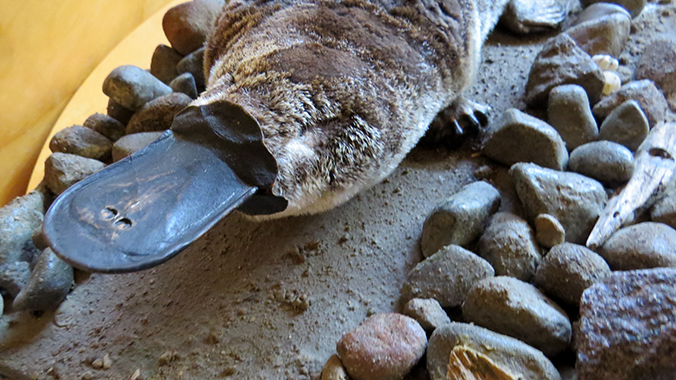
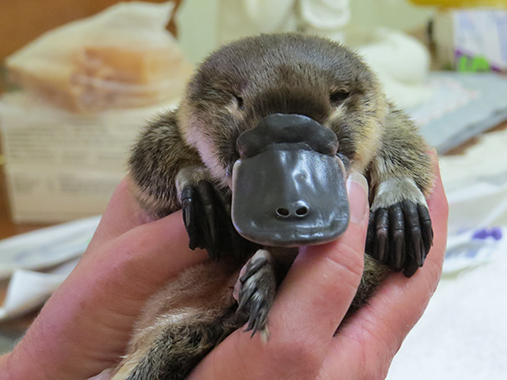
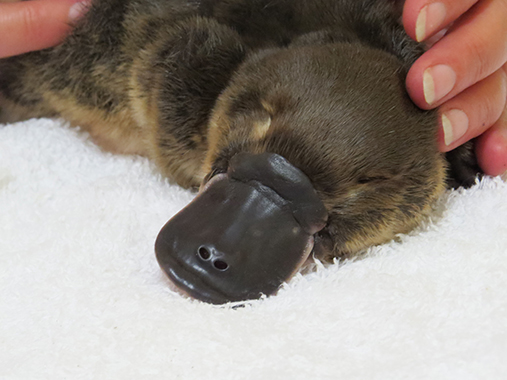
Its Most Iconic Feature, the bill of the Platypus is not just unusual—it’s a highly specialised sensory organ. Packed with electroreceptors, it detects the faint electrical signals of small prey underwater.
How Does a Platypus Hunt?
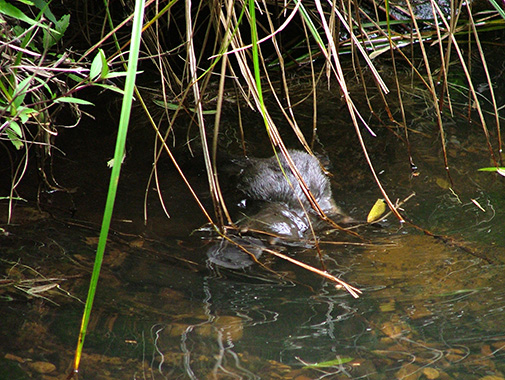
Platypus are expert divers. When searching for food, they gather small aquatic animals while scooping up silt and gravel along the riverbed.
Platypus hunt using electricity!
When a Platypus dives underwater, it closes its eyes, ears, and nostrils. Instead of relying on sight or sound, it hunts using electroreceptors in its bill. These specialised sensors detect tiny electrical signals produced when the muscles of prey such as insect larvae, worms, and freshwater shrimp move. By sweeping its bill through water and sediment, the Platypus can locate prey even in dark or muddy streams.
- Diet: Insect larvae, worms, freshwater shrimp, and other invertebrates.
- Feeding behaviour: They store food in cheek pouches, then chew using tough grinding plates in place of teeth.
- Energy needs: A Platypus can consume up to 20% of its body weight daily—a very hungry hunter!
How a Platypus Eats Without Teeth
A Platypus feeds in a way that is unlike almost any other mammal.
When it dives underwater, the Platypus closes its eyes, ears and nostrils and searches along the bottom of rivers and creeks using its highly sensitive bill. As it sweeps its bill from side to side through mud, gravel and leaf litter, it detects prey such as insect larvae, worms, freshwater shrimp and small crustaceans.
The Platypus does not immediately eat its food underwater. Instead, it gathers prey along with small amounts of mud, sand and gravel into specialised cheek pouches at the back of its mouth. These pouches act like temporary storage while the animal continues searching along the streambed.
Once the cheek pouches are full, the Platypus returns to the surface or rests at the water’s edge. Adult Platypus do not have true teeth. Instead, they use tough keratinised grinding pads inside the mouth. The small pieces of gravel collected during feeding help crush and grind the prey against these pads.
During this grinding process, the Platypus extracts the soft edible tissues from its prey. The nutritious internal parts are swallowed, while the hard indigestible pieces such as insect shells and crustacean exoskeletons are not eaten.
After feeding, the Platypus expels these unwanted fragments from its cheek pouches, effectively flushing out the remains of shells and debris before diving again to hunt.
Because hunting in cold water requires a lot of energy, a Platypus must eat large quantities of food each day. An adult may consume roughly 15–20 percent of its body weight daily, feeding on hundreds of small aquatic animals hidden within the riverbed.
Where Do Platypus Live?
Platypus live in freshwater rivers, streams, and lakes across eastern Australia and Tasmania. They construct burrows along riverbanks for shelter and raising their young.
The Hidden Burrows of the Platypus
Although the platypus is often seen swimming in rivers and creeks, much of its life is spent inside burrows hidden within the banks of waterways.
Riverbank Entrances
Platypus burrows are usually dug into the soft earth of riverbanks, often just above the normal water level. The entrance is typically concealed among vegetation, roots or overhanging grasses, making it difficult for predators to find. In many cases the entrance is underwater or very close to the waterline, allowing the platypus to slip in and out unnoticed.
A Long, Winding Tunnel
From the entrance, the burrow forms a narrow tunnel that can extend several metres into the bank. These tunnels are usually about the width of the platypus’s body and may curve gently as they travel inland. Some burrows may reach 5 to 20 metres in length depending on the riverbank and soil conditions.
Resting Burrows
Both male and female platypus use simple burrows as daytime shelters. Platypus are mostly active at night and spend the daylight hours resting safely inside these chambers.
Special Nesting Burrows
Female platypus create more elaborate burrows during the breeding season. These nesting burrows can be longer and more complex than ordinary resting burrows. Along the tunnel, the female builds several soil plugs that help block out water and predators.
At the end of the tunnel she constructs a nesting chamber lined with damp leaves and vegetation. The female collects these leaves by pressing them against her curled tail and carrying them into the burrow.
Inside this chamber she lays one to two leathery eggs and curls her body around them to keep them warm until they hatch.
A Safe Nursery
After the eggs hatch, the tiny young remain inside the burrow for several months. The mother leaves periodically to feed in nearby waterways, returning to nurse the young with milk that is secreted from specialised glands in her skin.
Hidden deep inside the riverbank, these burrows provide protection from predators, floods and changing weather while the young platypuses grow.
Platypus Reproduction: Eggs and Burrows
Platypus are egg-laying mammals, placing them among the rare group known as monotremes (alongside echidnas).
- Burrows: Females dig secure burrows along riverbanks, sealing them with soil and leaves.
- Eggs: Usually one or two eggs are laid. The mother incubates them by curling her body around them until they hatch after roughly two weeks.
- Hatchlings: Baby Platypus hatch tiny and vulnerable, relying entirely on their mother’s care.
Feeding Young: Milk Without Teats
A highly unusual feature of the Platypus is how the mother feeds her young. Instead of teats, milk is secreted through pores in her skin and absorbed from the fur on her abdomen. For about four to five months, baby Platypus suckle this way until they are strong enough to venture into the water.
A Rare Mammalian Weapon
One intriguing fact about the Platypus is that male Platypus have venomous spurs on their hind legs. These spurs deliver venom strong enough to cause intense pain and swelling in humans, though it is not deadly. During the breeding season, males may use these venomous spurs in fights with rivals, making the Platypus one of the few venomous mammals.
Platypus Teeth and Ancient Fossils
Platypus hatch from the egg using an egg tooth, but this is lost early in life and never replaced. Platypus chew their food with horny grinding plates. Fossil evidence reveals that their ancestors had well-developed teeth—further proof of the Platypus’s long evolutionary history.
Conservation: Why Platypus Are Under Threat
Despite their adaptability, Platypus face serious challenges today:
- Habitat destruction from land clearing and riverbank erosion.
- Water pollution affecting their prey and health.
- Entanglement in fishing nets leading to accidental deaths.
- Climate change causing droughts and reducing freshwater habitats.
Platypus are now listed as near-threatened. Conservation efforts—such as protecting waterways, restoring habitats, and reducing pollution—are essential to ensure that these unique animals continue to thrive.
How You Can Help Protect the Platypus
ThePplatypus has lived in Australia’s rivers and creeks for millions of years, yet today this remarkable animal faces increasing pressure from habitat loss, water pollution and changing climates. Protecting healthy freshwater ecosystems is one of the most important ways people can help ensure Platypus continue to survive in the wild.
Protect Riverbanks and Vegetation
Platypus rely on stable riverbanks for their burrows and on healthy vegetation to support the insects and crustaceans they feed on. Protecting native plants along waterways helps prevent erosion, improves water quality and maintains the natural habitat these animals depend on.
Reduce Water Pollution
Chemicals, pesticides, fertilisers and rubbish that enter waterways can harm the aquatic insects and small animals that Platypus eat. Reducing chemical use in gardens, disposing of waste responsibly and supporting clean water initiatives all help protect freshwater ecosystems.
Remove or Report Litter and Fishing Line
Discarded fishing line, nets and plastic rings can entangle Platypus and cause serious injury or death. If you see litter around rivers or creeks, removing it safely can make a real difference. Responsible fishing practices and proper disposal of line and hooks are essential.
Avoid Using Opera House–Style Traps
Opera house yabby traps with small entrances can trap and drown Platypus. In many Australian states these traps are now banned or restricted. Using wildlife‑safe traps helps prevent accidental Platypus deaths.
Support Platypus Conservation and Research
Scientists and wildlife organisations across Australia are studying Platypus populations and working to protect their habitats. Supporting conservation groups, reporting Platypus sightings to monitoring programs, and learning about local waterways can all contribute to their protection.
Protect Waterways in Your Community
Healthy creeks, rivers and wetlands support not only Platypus but countless other species of wildlife. Community actions such as tree planting, riverbank restoration and local conservation projects help safeguard these ecosystems for future generations.
By protecting Australia’s freshwater habitats, we help ensure that the Platypus — one of the most unique mammals on Earth — continues to swim through our rivers for millions of years to come.
Why the Platypus Fascinates Scientists
From its unique reproductive strategy to its unusual physical traits, the Platypus challenges our understanding of evolution and adaptation. It’s no wonder scientists often call it one of the most remarkable animals in the world.
Hollow Pigment Structures in Its Fur
When researchers examined Platypus fur under powerful microscopes, they discovered something unexpected. The tiny pigment structures inside the hair, called melanosomes, are often hollow. This type of structure is common in birds, where it helps create shimmering or iridescent colours in feathers. In mammals, melanosomes are normally solid. The Platypus, however, has many hollow ones despite its fur appearing simply dark brown. Scientists are still investigating why these unusual structures evolved and what role they may play in the animal’s dense waterproof coat.
A Mammal with Ten Sex Chromosomes
Most mammals, including humans, have two sex chromosomes that determine whether an individual is male or female. The Platypus has ten. Males possess five X chromosomes and five Y chromosomes that form a chain during reproduction. This unusual system is unlike any other mammal and even shows surprising similarities to bird chromosomes, revealing just how ancient the Platypus lineage is.
References:
Australian Museum – Platypus (Ornithorhynchus anatinus)
Grant, T. R. 2015. Platypus. CSIRO Publishing
Encyclopaedia of Life – Ornithorhynchus anatinus
Australian Government Department of Climate Change, Energy, the Environment and Water – Species Profile and Threats Database
Australian Platypus Conservancy https://platypus.asn.auUCN Red List of Threatened Species – Ornithorhynchus anatinus https://www.iucnredlist.org
Australian Museum – Platypus (Ornithorhynchus anatinus) https://australian.museum
Photo Gallery