Red-backed Fairywren
Red-backed Fairywren
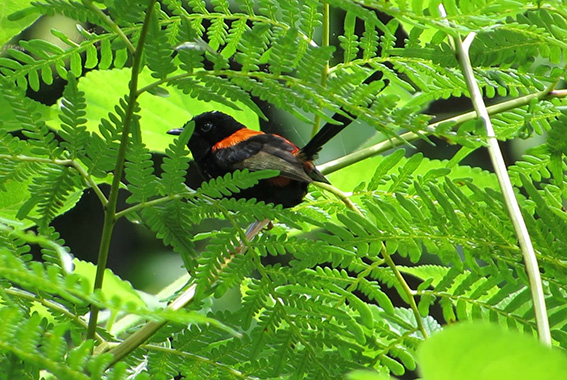
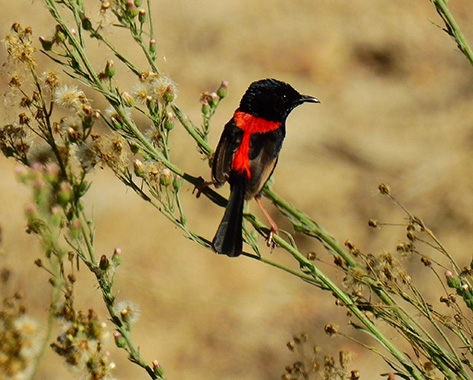
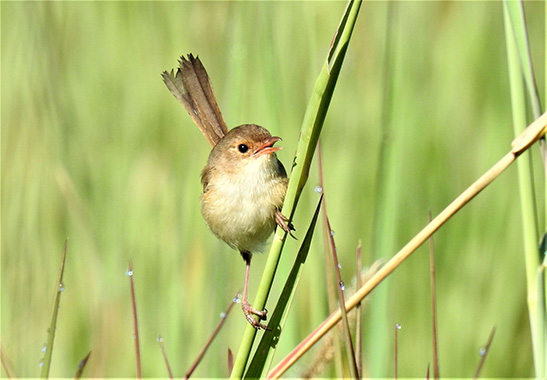
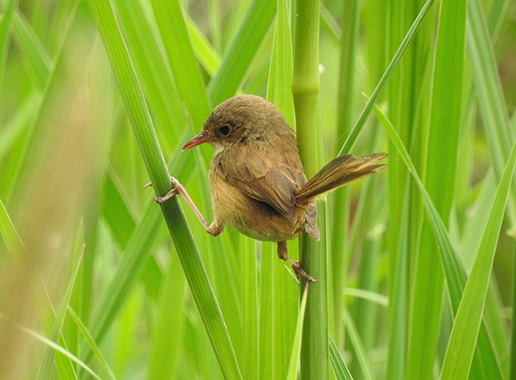
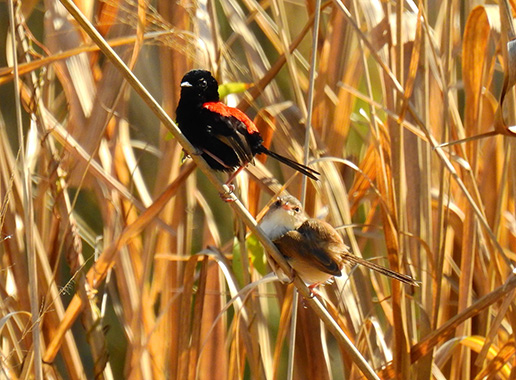
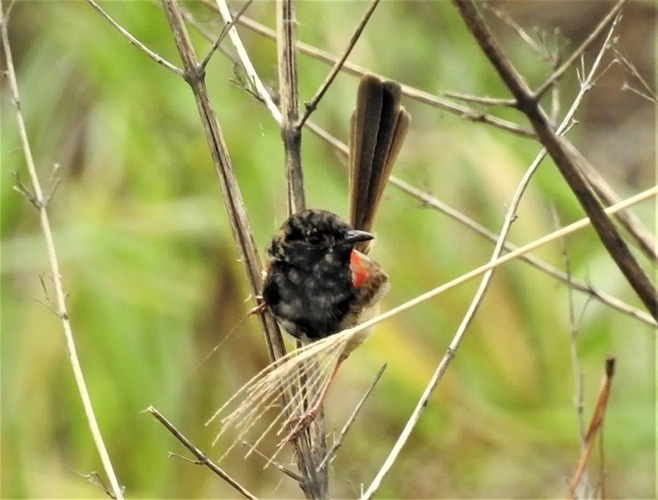
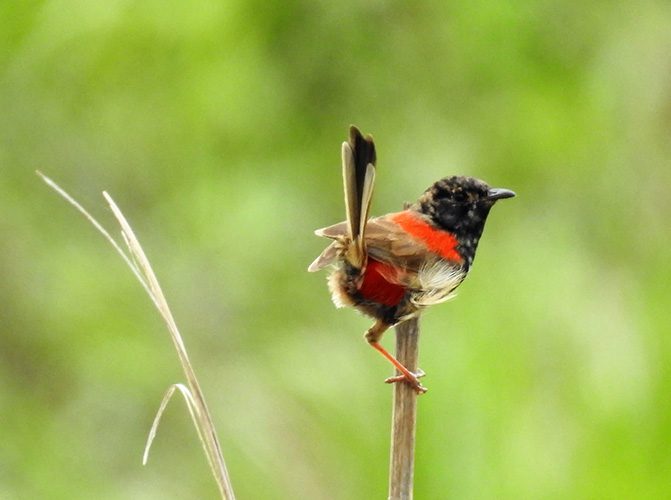
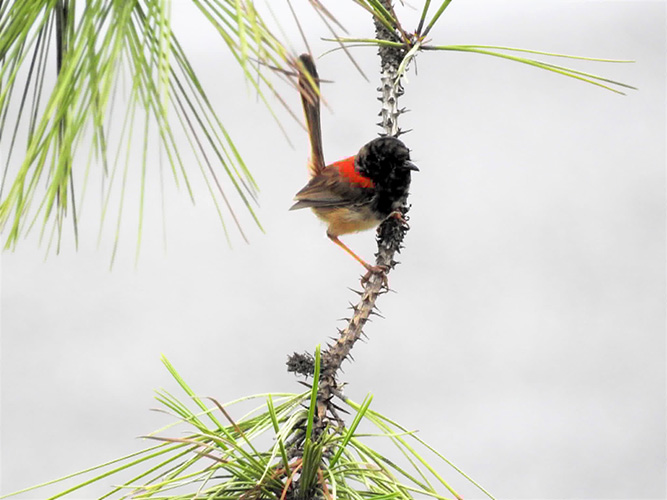
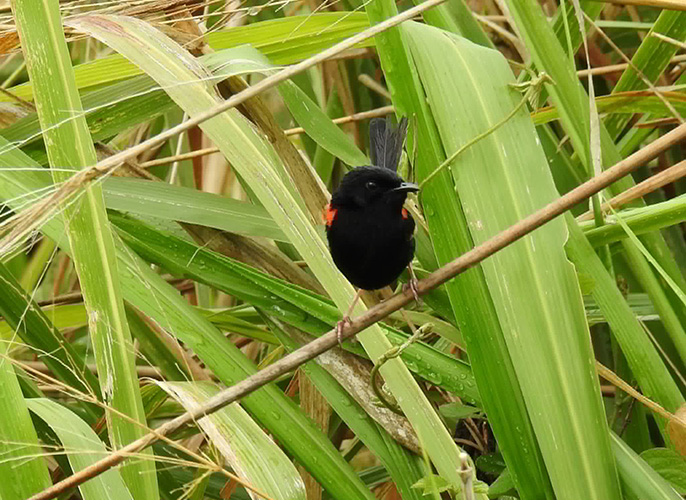
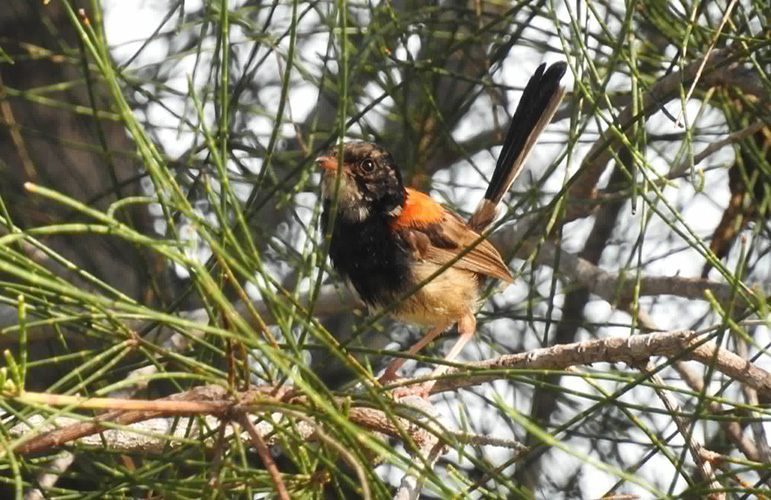
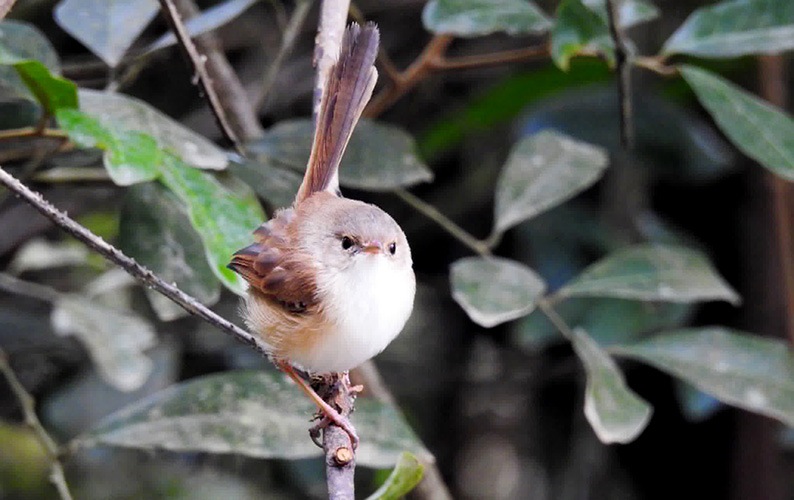
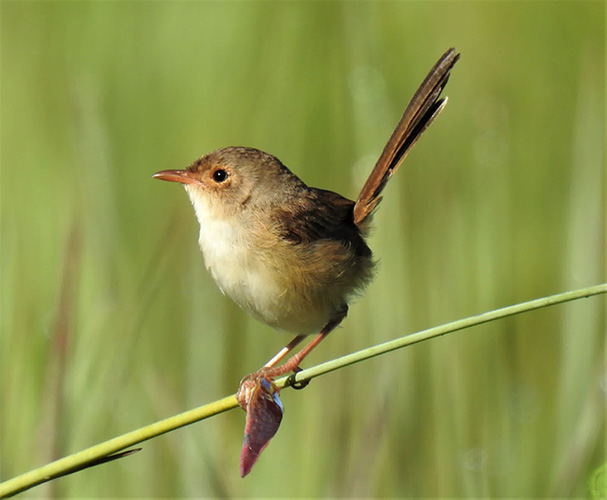
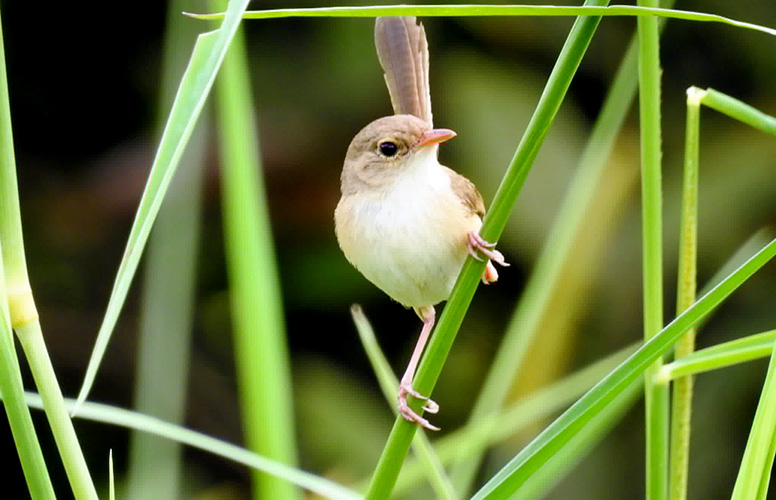
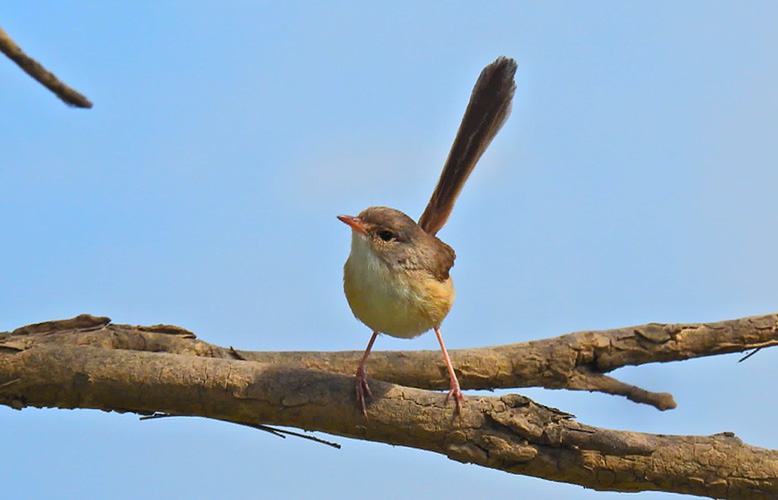
The Red-backed Fairywren is one of Australia’s most striking small birds. In breeding plumage, the male is a vivid flash of black and fiery red, moving quickly through grasses and low shrubs. Females and non-breeding males are much more subdued, with soft brown-grey tones that help them blend beautifully into the vegetation. Small, active and full of energy, this fairywren is a wonderful bird to spot in open country across northern and eastern Australia.
Quick facts
- Scientific name: Malurus melanocephalus
- Family: Maluridae
- Size: About 11–14 cm long
- Status: Least Concern overall
- Where found: Northern Australia and parts of eastern Australia, especially in open grassy habitat
What does the Red-backed Fairywren look like?
This species is easy to recognise during the breeding season.
- Male in breeding plumage: glossy black head, throat and underparts, with a bright red back and shoulders
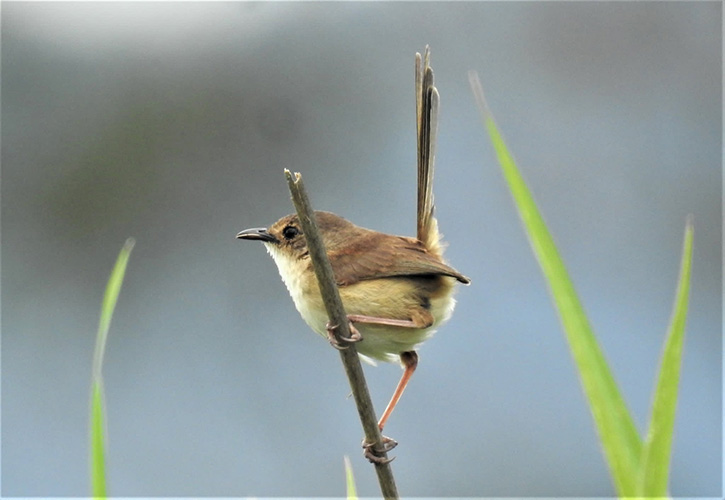
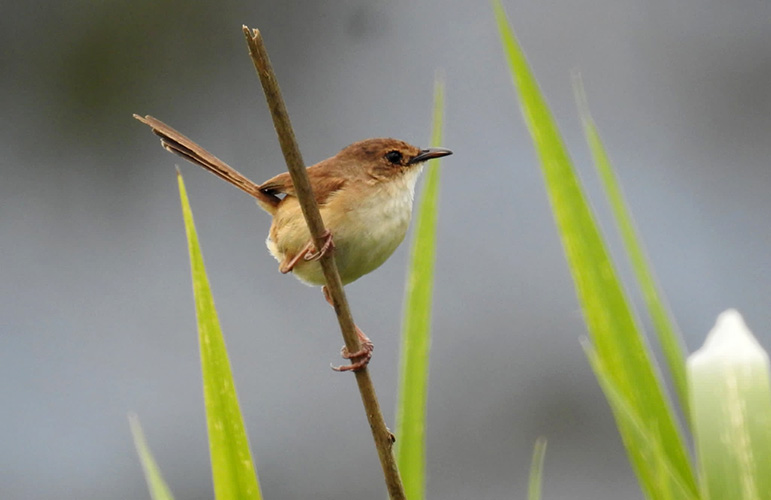
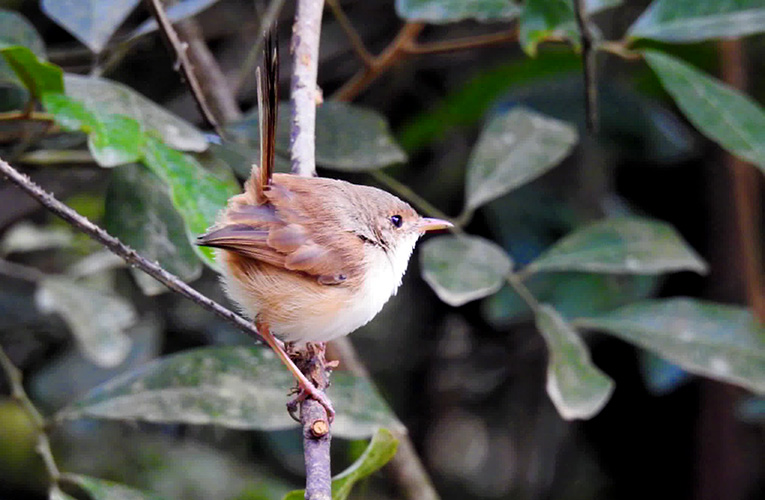
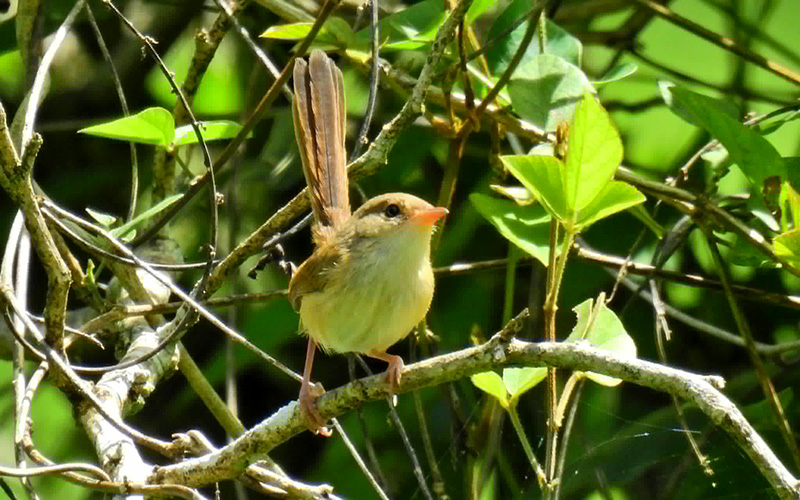
- Female and non-breeding male: plain brown-grey, with a more camouflaged appearance.
- Shape: tiny, slim-bodied bird with a long tail that is often held upright or flicked constantly
- Behaviour: quick, restless and active, usually close to the ground
The contrast between the bright breeding male and the plain female is one of the most dramatic in Australian birds.
What does it sound like?
The Red-backed Fairywren has a fine, high-pitched voice that can be easy to miss unless you are listening carefully.
Its calls are often:
- thin, tinkling contact notes
- sharp little chips or tsips
- short, quick alarm calls when disturbed
These sounds suit its busy lifestyle, as it moves through dense grass and low shrubs with its family group.
Where does it live?
Red-backed Fairywrens favour open, sunny habitats with plenty of low cover. They are often found in:
- grassy woodlands
- open forests
- wetlands and floodplains
- paperbark swamps
- savanna country
- roadsides and regenerated bushland
- gardens and parks where native vegetation remains
They are especially drawn to places with dense grass, low shrubs and scattered trees, where they can feed, nest and shelter safely.
What does it eat?
This fairywren is mainly insect-eating.
Its diet includes:
- insects
- spiders
- small larvae
- grasshoppers
- beetles
- other tiny invertebrates
It forages low down in the grass and shrubs, often in a small group. Because it hunts so close to the ground, the species depends on healthy understorey vegetation.
Breeding and nesting
Red-backed Fairywrens breed in the warmer months, although breeding can vary depending on rainfall and local conditions.
Breeding highlights
- The nest is usually small and domed, made from grass and fine plant material
- It is hidden low in thick vegetation
- The female generally builds the nest and does most of the incubation
- The clutch is usually 2–4 eggs, most often 3
- Chicks are fed by the parents, and sometimes by helper birds in the group
Like many fairywrens, this species is social, and family groups may stay together for some time. Young birds can remain near their parents and help with future broods.
Longevity
Like many small birds, the Red-backed Fairywren often has a short natural lifespan, mainly because of predators, harsh weather and habitat change. Some birds survive for several years, especially where habitat is good and threats are low.
Conservation status and threats
The Red-backed Fairywren is not currently considered globally threatened, and it remains fairly widespread in suitable habitat. However, local populations can still be affected by environmental pressure.
Main threats include:
- habitat clearing
- loss of dense grass and low shrubs
- frequent or intense fire
- grazing pressure that removes shelter
- predation by cats and foxes
- drought and climate stress
- fragmentation of bushland
Protecting habitat is the most important way to support this species.
How people can help
You can help Red-backed Fairywrens by:
- planting native grasses and shrubs
- protecting roadside and remnant bushland
- keeping cats indoors or contained
- leaving dense ground cover in place
- supporting local habitat restoration
- avoiding unnecessary clearing of native vegetation
- encouraging fire regimes that protect wildlife shelter
Even small pockets of suitable habitat can make a real difference for tiny birds like this one.
Interesting facts
- The male’s red-and-black breeding plumage makes it one of the most eye-catching fairywrens in Australia.
- It is often seen moving in small family groups rather than alone.
- It prefers the lower layers of vegetation, which makes it easy to overlook.
- Its plumage changes outside the breeding season, when males become much less colourful.
References
- BirdLife Australia — https://birdlife.org.au/
- Australian Museum — https://australian.museum/
- Birds in Backyards — https://www.birdsinbackyards.net/
- IUCN Red List — https://www.iucnredlist.org/
Photo Gallery