Sapphire rockmaster damselfly
Sapphire Rockmaster
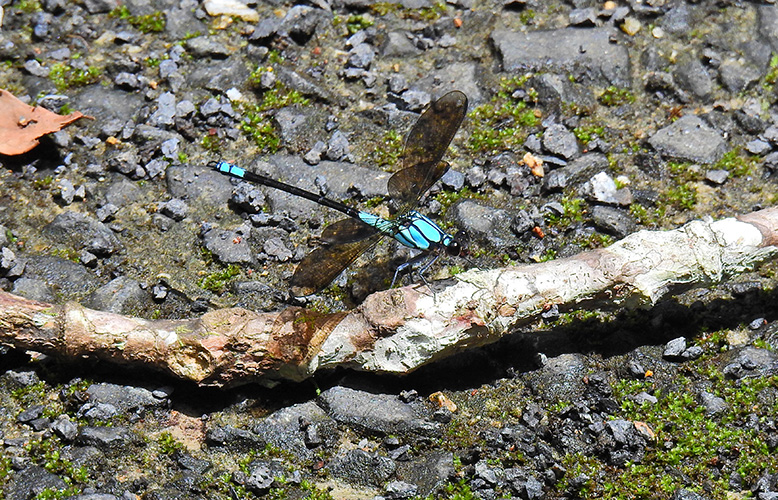
If you are walking along a fast-flowing creek in eastern Australia and spot a flash of electric blue resting on a granite boulder, you have likely met the spectacular Sapphire Rockmaster (Diphlebia coerulescens).
This large, robust insect is one of Australia’s most stunning native damselflies. However, because of its size and the way it holds its wings, it is frequently mistaken for a dragonfly!
Is it a Dragonfly or a Damselfly?
This is the most common question about the Sapphire Rockmaster.
While most damselflies are slender and fold their wings back when resting, the Rockmaster breaks the rules. It belongs to a unique family (Diphlebiidae) that:
- Has a thick, robust body (like a dragonfly).
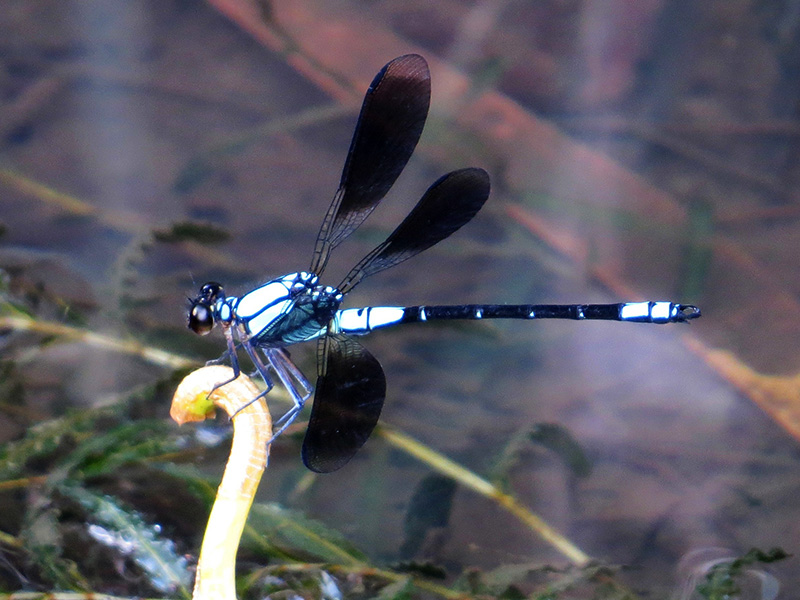
- Often rests with its wings spread out to the sides (like a dragonfly).
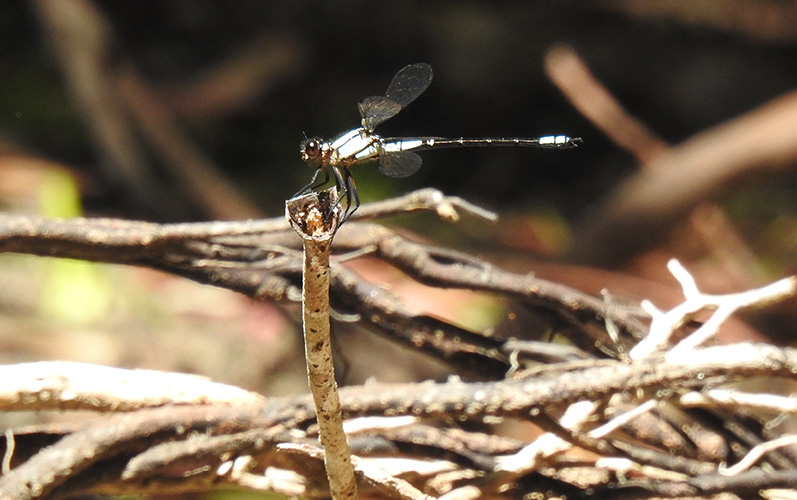
So, how do you tell? Look closely at the wings. The forewings and hindwings are almost identical in shape, and the eyes are widely separated on the sides of the head—classic features of a damselfly.
Identification: The Electric Blue Male
The mature male Sapphire Rockmaster is a true jewel of the waterway.
- Colour: He features two incredibly bright, broad blue stripes running down the top of his black thorax (the middle section).
- The Tail: His abdomen is largely black but often has significant blue markings, particularly towards the tip.
- The Wings: They typically have a darkened, smoky patch near the knot (nodus), giving them a distinctive look in flight.
Watch out for the Female: As is common in the insect world, the female is much more camouflaged. She is usually a mottled brown or olive-green, allowing her to hide safely among the mossy rocks and streamside vegetation.
Habitat and Behaviour
As their name suggests, these insects are the “Masters of the Rocks.”
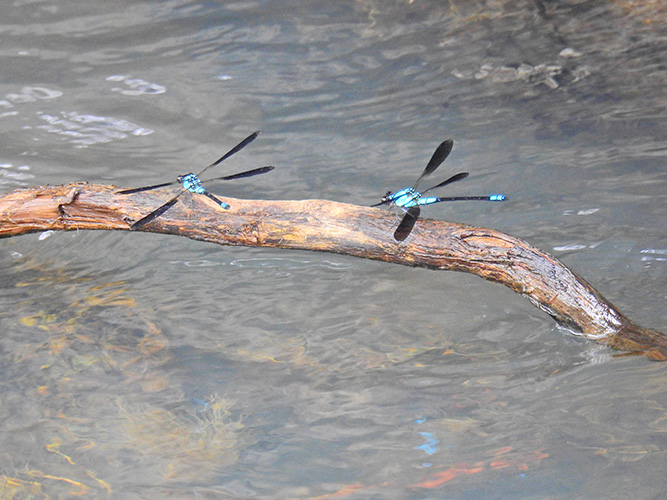
You won’t usually find them at a stagnant pond. The Sapphire Rockmaster loves clean, running water. They are commonly found along rocky streams and rivers in the forests of Queensland, New South Wales, and Victoria.
They are territorial and will often return to the same sunlit rock over and over again. If you disturb one, stay still; there is a good chance it will fly a quick loop and land right back on its favourite perch.
Why They Are Important
Finding a Sapphire Rockmaster is a good sign! Their nymphs (the aquatic stage) live underwater under stones and require relatively clean, oxygenated water to survive. Their presence indicates that the local creek ecosystem is healthy.
Photo Gallery