Scarlet Jezebel Butterfly
Scarlet Jezebel Butterfly
The Scarlet Jezebel (Delias argenthona) is one of the most striking butterflies found in northern Australia. Known for its vivid red and yellow markings and graceful flight high among the treetops, this butterfly is a colourful member of the Pieridae family, often called the white and yellow butterflies.
Like other members of the Delias genus, the Scarlet Jezebel is closely associated with mistletoe plants, which provide food for its caterpillars. Its bold colours act as a warning to predators that it may be toxic, making it both beautiful and fascinating to observe.
What Does the Scarlet Jezebel Look Like?
The Scarlet Jezebel is a medium‑sized butterfly with a wingspan of around 60–70 millimetres.
Its appearance is dramatic and easily recognisable:
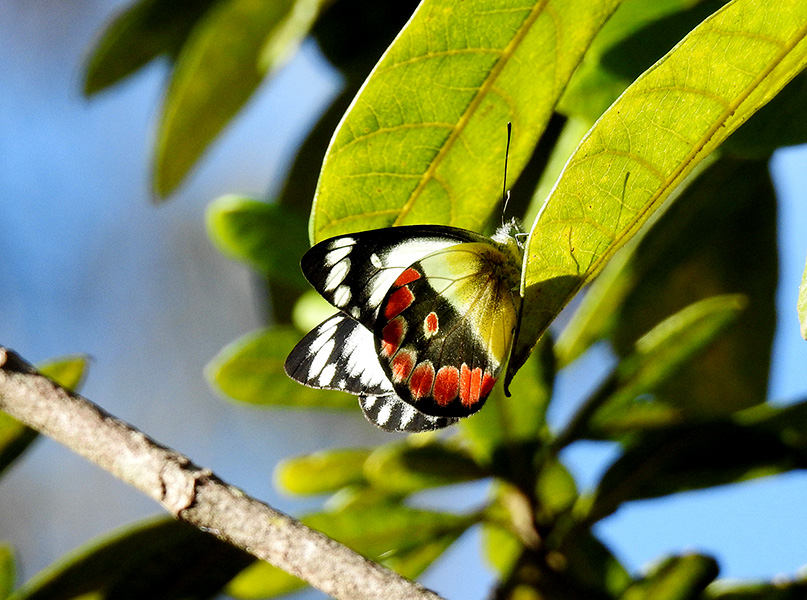
- Upper wings: Mostly white with bold black borders and markings.
- Hindwings: White above with black edges.
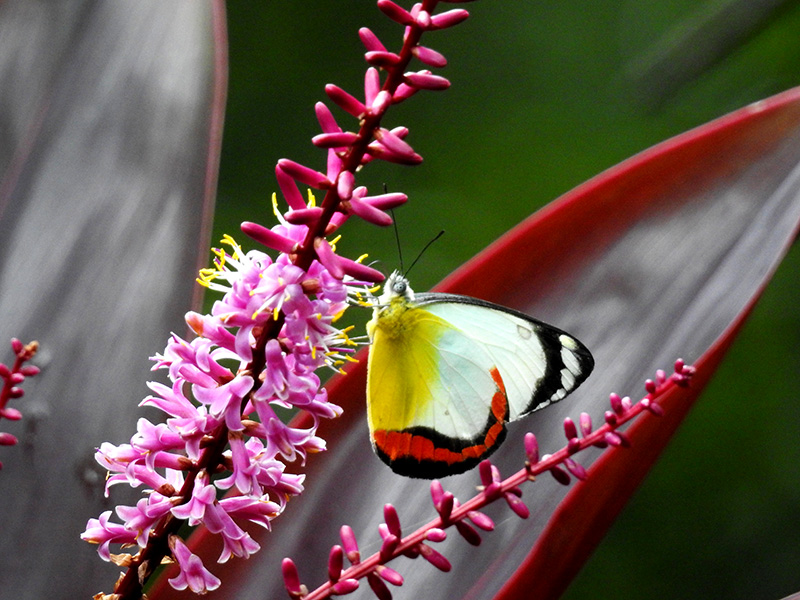
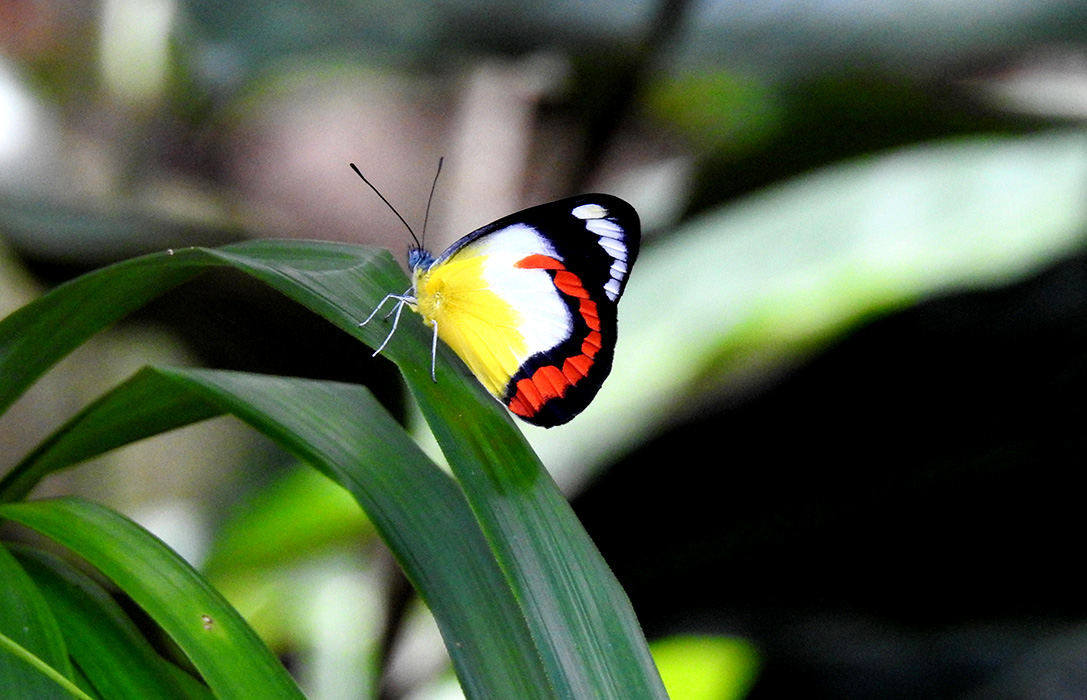
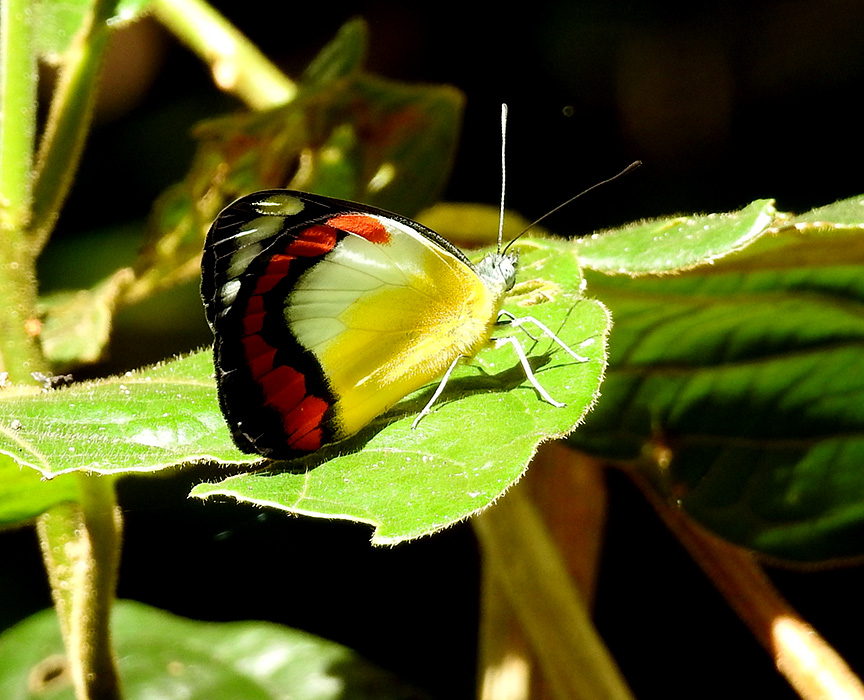
- Underside: Bright scarlet red with yellow and black markings arranged in striking patterns.
- Body: Slender and pale with dark markings.
When flying, the white upper wings are most visible, but when the butterfly rests with its wings closed, the brilliant red underside becomes visible.
Habitat and Distribution
The Scarlet Jezebel is found mainly in northern Australia, particularly in:
- northern Queensland
- the Northern Territory
- northern Western Australia
It inhabits a range of tropical environments, including:
- savanna woodland
- monsoon forests
- rainforest edges
- coastal forests and mangroves
Because its caterpillars rely on mistletoe plants, the butterfly is usually found in areas where mistletoe grows on host trees.
Feeding Habits
Adult Scarlet Jezebel butterflies feed primarily on flower nectar.
They commonly visit:
- flowering shrubs
- forest blossoms
- garden plants
- native flowering trees
Their flight is usually slow and gliding, often high in the canopy where they move between flowering trees.
Breeding and Host Plants
The life cycle of the Scarlet Jezebel depends on mistletoe plants, which grow parasitically on trees.
Host Plants
Caterpillars feed mainly on mistletoe species belonging to the Loranthaceae family.
Life Cycle
- Eggs: Laid in clusters on mistletoe leaves.
- Caterpillars: Dark with yellow and white markings and small hairs.
- Pupa: A suspended chrysalis attached to vegetation.
- Adult butterfly: Emerges after metamorphosis.
The caterpillars absorb chemicals from mistletoe that make them unpalatable to predators. This toxicity is reflected in the bright warning colours of the adult butterfly.
Longevity
The entire life cycle from egg to adult usually takes four to six weeks, depending on environmental conditions.
Adult butterflies typically live two to three weeks, during which they feed, mate, and reproduce.
Indigenous Connections
Mistletoe plants and the insects that rely on them form an important part of many Australian ecosystems. First Nations peoples have long observed the relationships between plants, insects, and seasonal cycles within woodland environments.
Butterflies such as the Scarlet Jezebel often appear when mistletoe plants are healthy and flowering plants are abundant. Their presence can reflect the condition of woodland ecosystems and the broader rhythms of Country.
Because Australia contains many Indigenous language groups, traditional names for butterflies vary between regions and are not always widely recorded in public sources.
Conservation Status and Threats
The Scarlet Jezebel is currently considered a species of Least Concern, but it depends heavily on the presence of mistletoe plants and healthy woodland habitats.
Potential threats include:
- clearing of woodland vegetation
- removal of mistletoe plants
- pesticide use
- habitat fragmentation
Protecting natural vegetation helps maintain populations of this species and the many other organisms that depend on mistletoe.
Why the Scarlet Jezebel Matters
The Scarlet Jezebel is one of the most colourful butterflies of northern Australia. Its brilliant red underside and elegant flight make it a highlight of tropical woodland environments.
By supporting healthy ecosystems and allowing mistletoe to remain part of the natural landscape, we help ensure that this beautiful butterfly continues to brighten Australia’s northern forests.
Scientific References
Braby, M. F. Butterflies of Australia: Their Identification, Biology and Distribution
Atlas of Living Australia – Delias argenthona records
Australian Butterfly Conservation resources
CSIRO – Australian insect biodiversity
Wikipedia – Delias argenthona (Scarlet Jezebel Butterfly)
Photo Gallery