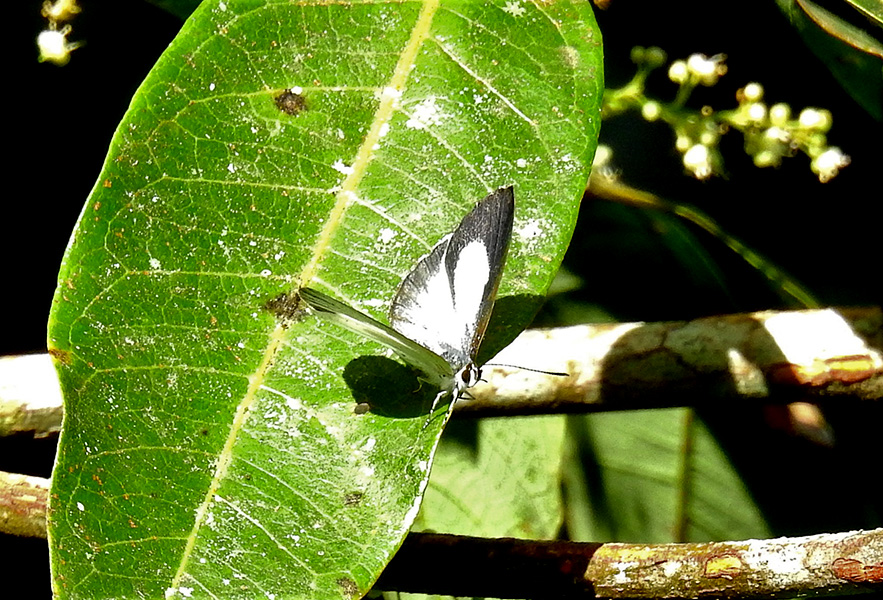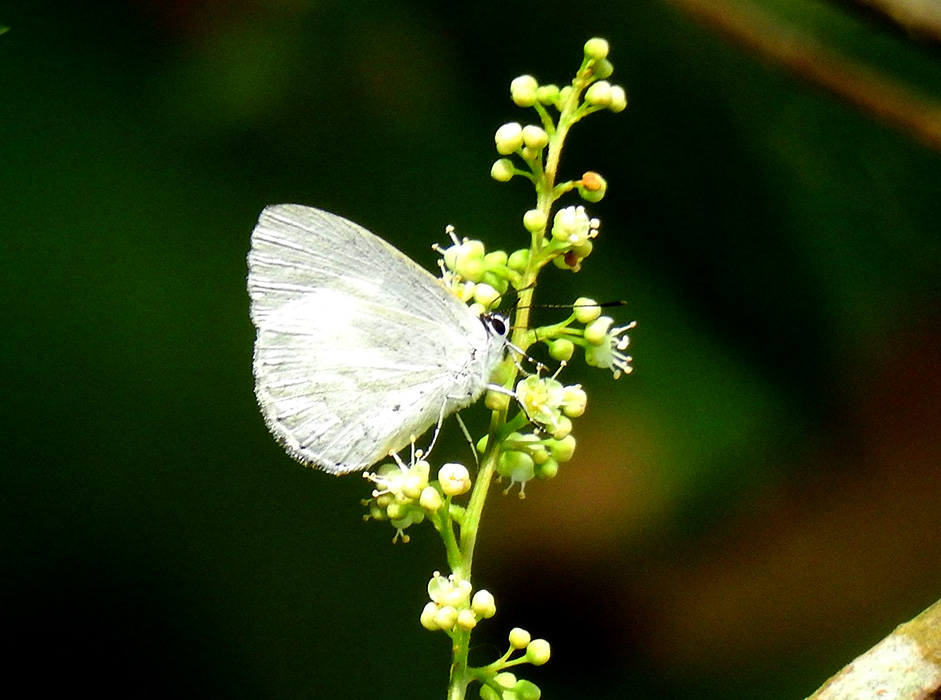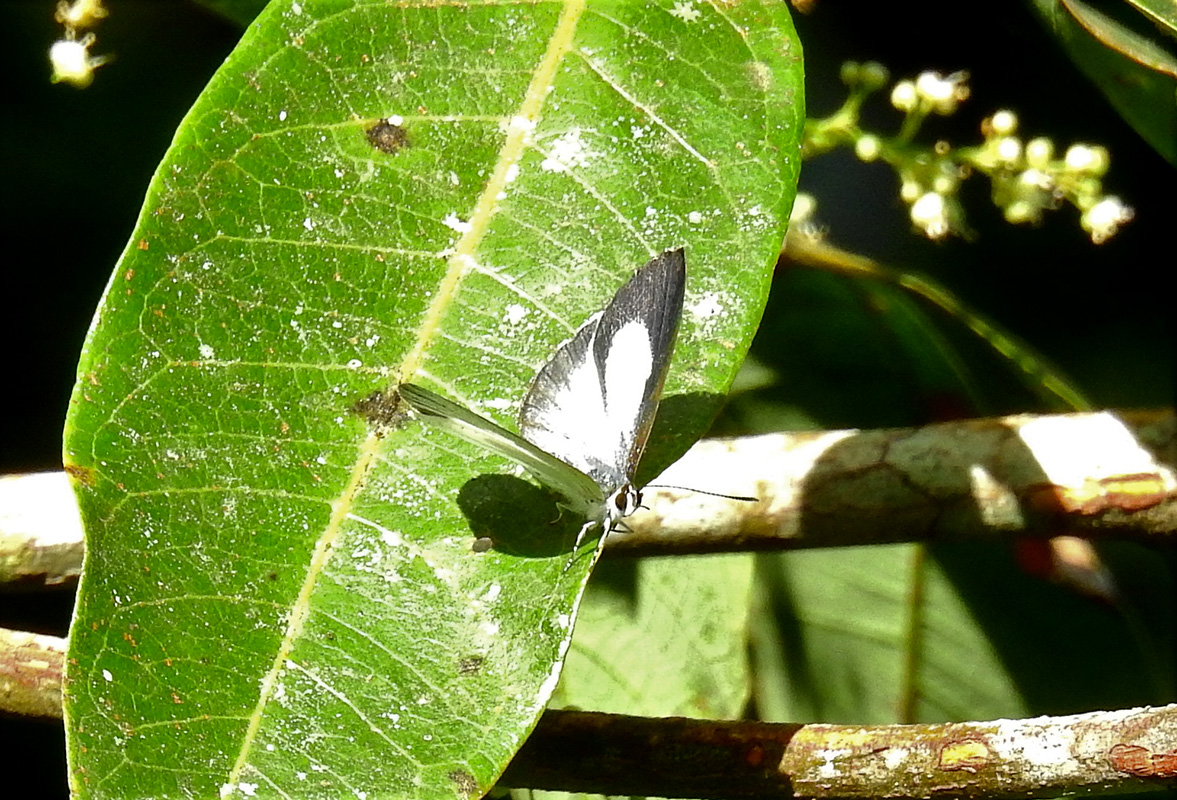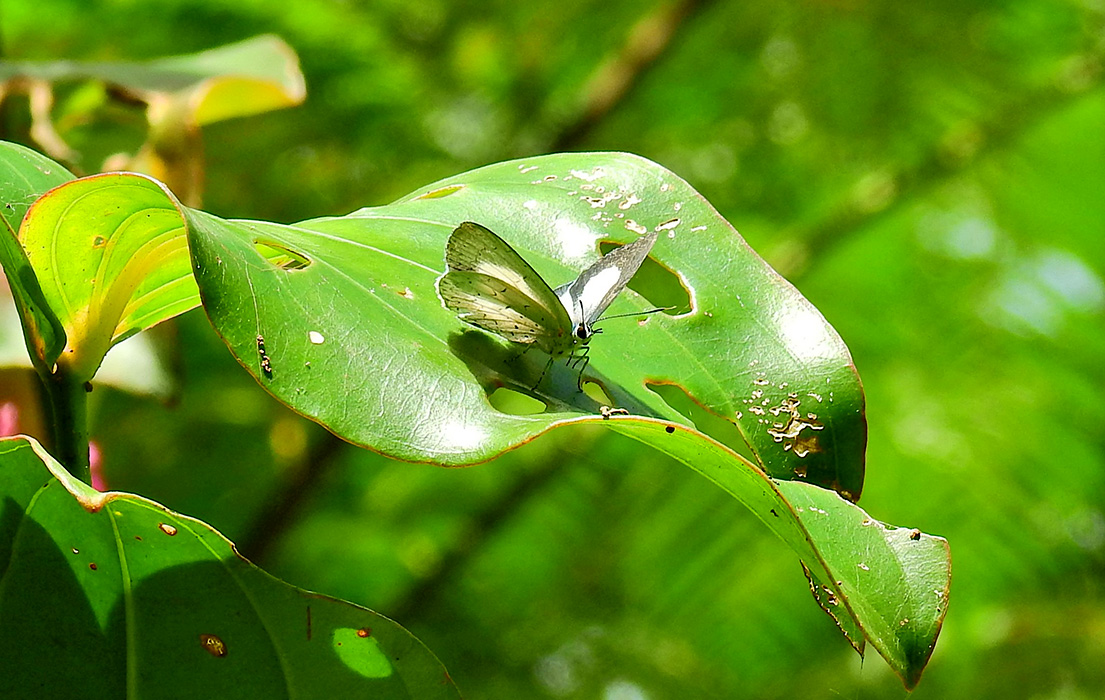
Shining Pencil-Blue & Green Pencil-Blue Butterflies
Pencil‑Blue Butterflies of Australia
Among Australia’s smallest and most delicate butterflies are the Pencil‑blue butterflies, members of the family Lycaenidae. These tiny butterflies are known for their slender bodies, subtle wing patterns, and fast, darting flight close to vegetation.
Two species that occur in northern Australia are the Pencil‑blue (Candalides helenita) and the Green Pencil‑blue (Eirmocides callainus). Although both are small forest butterflies and belong to the same broader group, they differ in appearance, behaviour, and the habitats they prefer.
The Pencil‑Blue (Candalides helenita)
The Pencil‑blue (Candalides helenita) is a small butterfly found mainly in northern Australia, especially in Queensland and parts of the Northern Territory. It belongs to a large Australian genus of small blue butterflies that often inhabit woodland and rainforest edges.
Appearance
The Pencil‑blue has a wingspan of about 20–30 millimetres, making it one of the smaller butterflies seen in Australian forests.
Typical features include:
- Upper wings (male): soft violet‑blue with narrow dark borders
- Upper wings (female): brown with faint blue near the body
- Underside: pale grey with fine black lines and spots
- Body: slender and lightly coloured
- Flight: quick and flickering through shrubs and small trees
The butterfly’s name comes from its narrow wings and delicate shape.
Habitat
The Pencil‑blue occurs mainly in:
- tropical woodland
- rainforest margins
- coastal scrub
- gardens near bushland
It is often seen fluttering around shrubs and small flowering plants.
Feeding and Breeding
Adults feed on nectar from small flowers.
The caterpillars feed on plants belonging mainly to the legume family (Fabaceae) and related shrubs.
Like many Lycaenid butterflies, the caterpillars may form associations with ants, which protect them in exchange for sugary secretions.
Longevity
The full life cycle usually takes about four to five weeks, and adult butterflies generally live one to two weeks.
The Green Pencil‑blue (Eirmocides callainus)
The Green Pencil‑blue (Eirmocides callainus) is another small butterfly of tropical northern Australia. It is particularly notable for the subtle green sheen on the underside of its wings, which gives the species its common name.
This butterfly is closely tied to rainforest habitats and is often found near coastal tropical forests.
Appearance
The Green Pencil‑blue has a wingspan of around 25–35 millimetres.
Key identifying features include:
- Upper wings: brown with faint blue tones near the body
- Underside: pale with a distinctive greenish sheen or banding
- Tail: small tail projection on the hindwing
- Flight: quick and erratic, usually close to vegetation
The green tint on the underside is the easiest way to distinguish this species from other small blue butterflies.
Habitat
The Green Pencil‑blue is typically found in:
- tropical rainforests
- forest edges and clearings
- coastal woodland
- shaded creek lines
Because it is small and fast‑moving, it is often overlooked unless carefully observed.
Feeding and Breeding
Adults feed on nectar from small forest flowers.
The caterpillars feed on various rainforest plants, and like many Lycaenids, they may also interact with ants for protection.
Longevity
The life cycle from egg to adult generally takes four to six weeks, and adult butterflies typically live one to two weeks.
Indigenous Connections
Small butterflies such as Pencil‑blues are part of the seasonal rhythms of Australia’s forests and woodlands. Their presence often reflects flowering plants, healthy vegetation, and seasonal changes in the environment.
First Nations peoples have long observed insects as indicators of the condition of Country. While specific traditional names for these small butterfly species vary among language groups and are not always widely recorded in public sources, butterflies remain an important part of the ecological relationships between plants, insects, animals, and the land.
Conservation and Habitat Protection
Both species are currently considered not threatened, but they depend on healthy native vegetation.
Threats may include:
- habitat clearing
- loss of native host plants
- pesticide use
- fragmentation of forest habitats
Maintaining native plants and natural vegetation helps support these butterflies and many other small insect species.
Why Pencil‑Blue Butterflies Matter
Although tiny, Pencil‑blue butterflies are part of the incredible diversity of Australia’s insect life. Their delicate colours, swift movements, and close relationship with native plants highlight the richness of tropical ecosystems.
Protecting forests, woodland edges, and native vegetation ensures that these small but beautiful butterflies continue to thrive.
Scientific References
Braby, M. F. Butterflies of Australia: Their Identification, Biology and Distribution
Atlas of Living Australia – Candalides helenita and Eirmocides callainus records
Australian Butterfly Conservation resources
CSIRO – Australian insect biodiversity
Wikipedia – species pages for Candalides helenita and Eirmocides callainus
Photo Gallery