SILVER GULL
The Familiar Coastal Companion: The Silver Gull
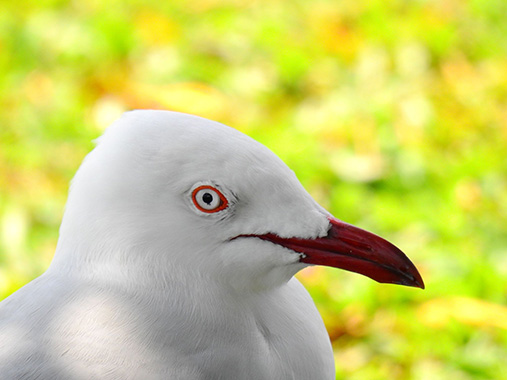
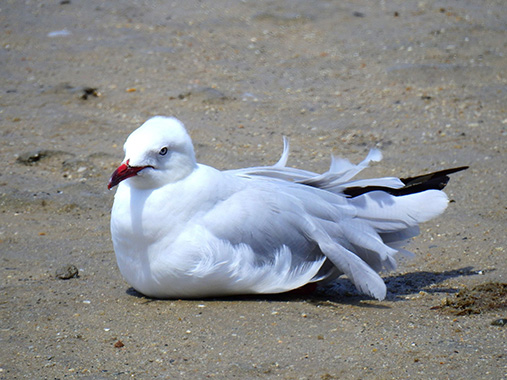
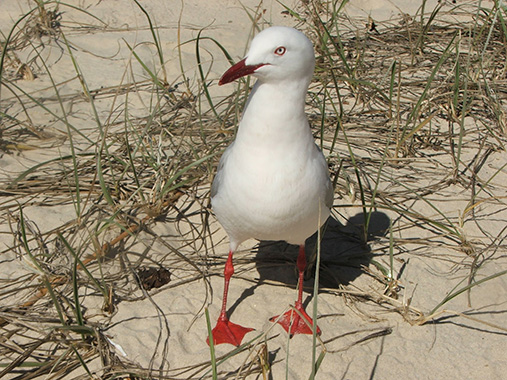
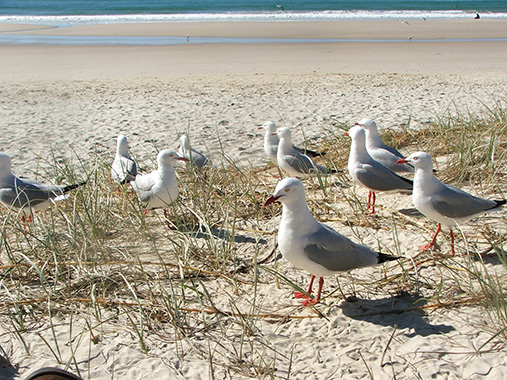
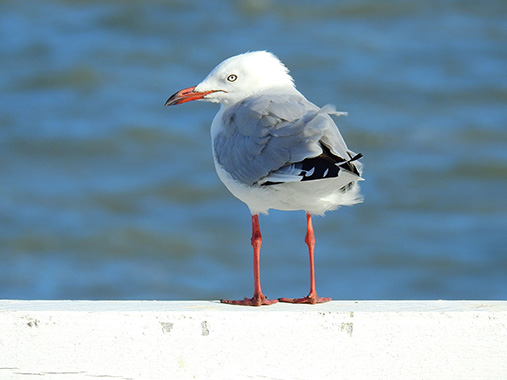
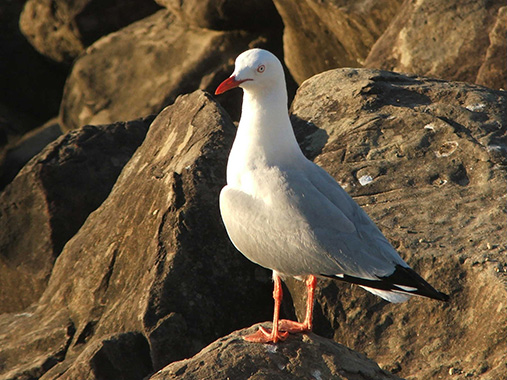
Few birds are as instantly recognisable around Australia’s coasts, rivers, and harbours as the Silver Gull (Chroicocephalus novaehollandiae). With their white bodies, soft grey wings, and piercing red bill, these lively birds are a constant presence along beaches, jetties, and city waterfronts.
Silver Gulls are also affectionately referred to as “seagulls”, a nickname widely used by the public. Although the term “seagull” is often applied to many different gull species around the world, in Australia it almost always refers specifically to the Silver Gull.
Highly intelligent and adaptable, these birds have learned to thrive alongside people while still remaining an important part of Australia’s coastal ecosystems.
What Does the Silver Gull Look Like?
The Silver Gull is a medium‑sized seabird measuring about 40–45 centimetres in length with a wingspan of roughly 95–100 centimetres.
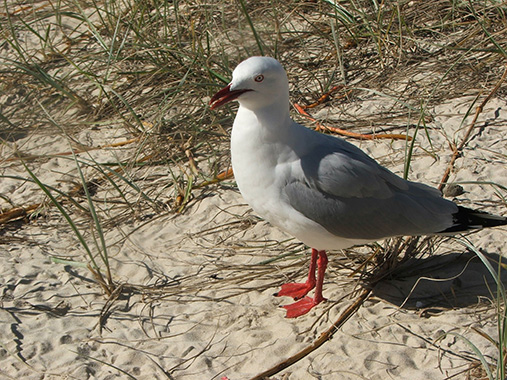
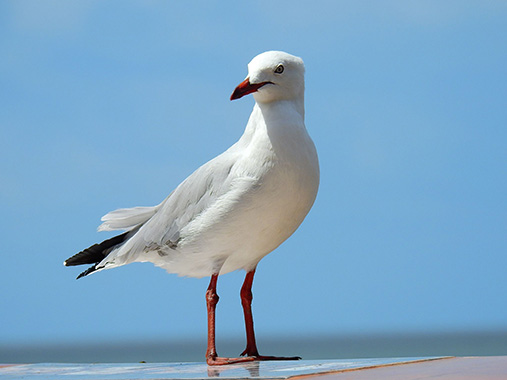
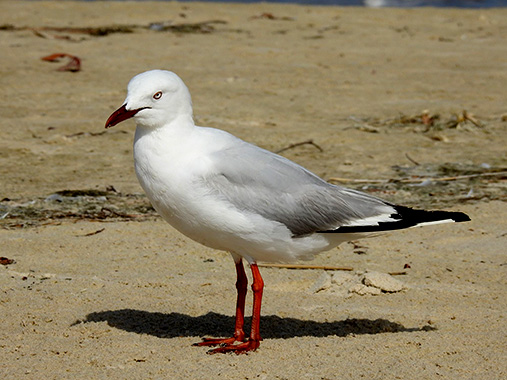
Its appearance is both elegant and distinctive:
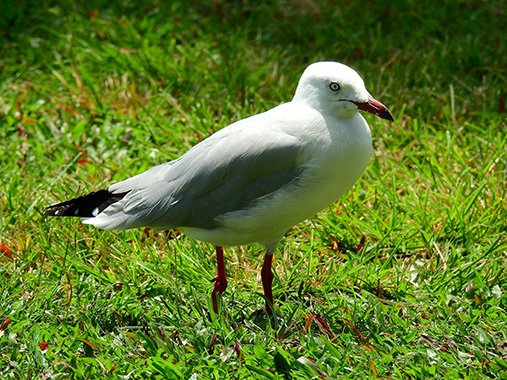
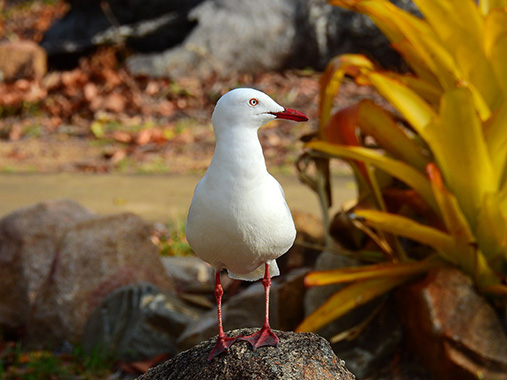
- Head and body: Bright white.
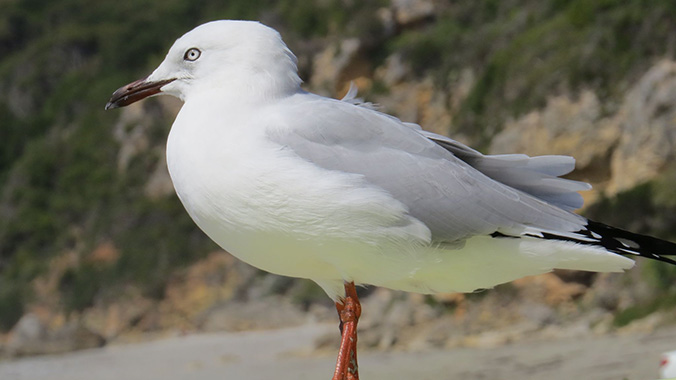
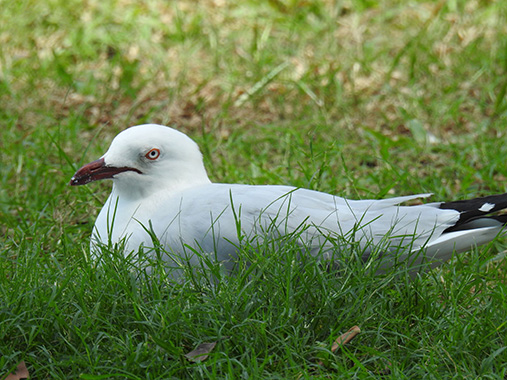
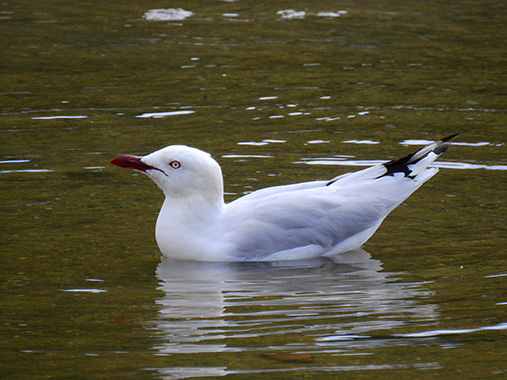
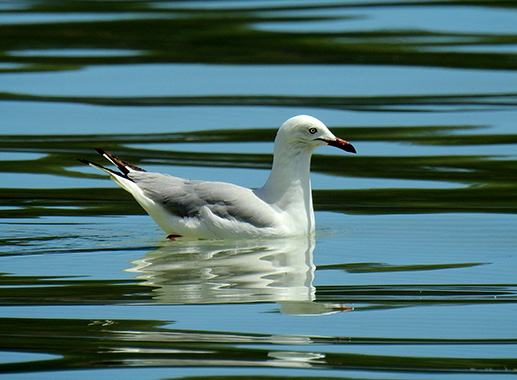
- Wings and back: Pale silver‑grey with black tips on the outer flight feathers.
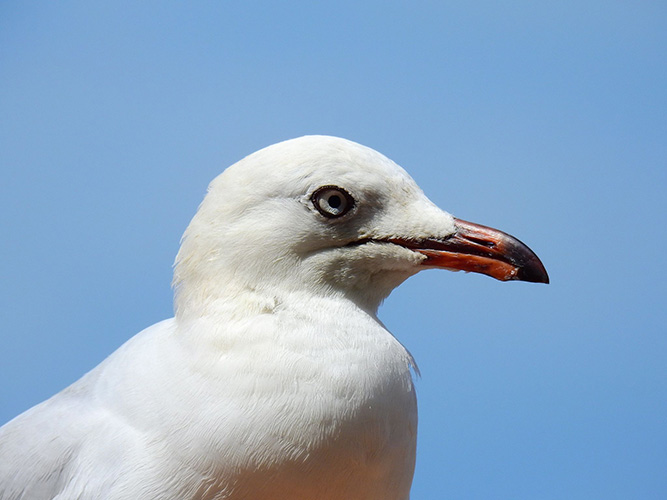
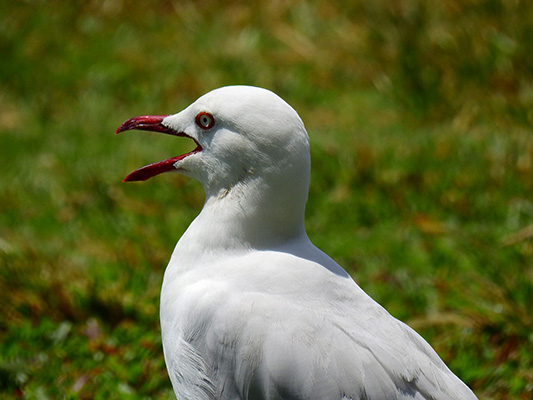
- Bill: Bright red.
- Legs: Red.
- Eyes: White with a distinctive red ring.
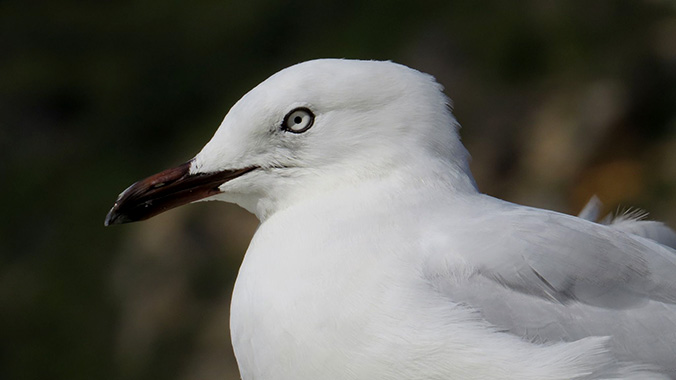
During the breeding season the bill and legs become a deeper red, while outside the breeding season they may appear slightly duller.
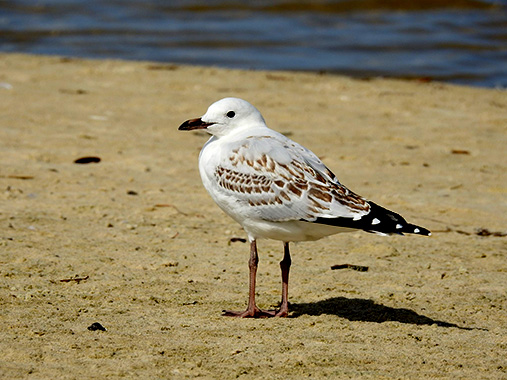
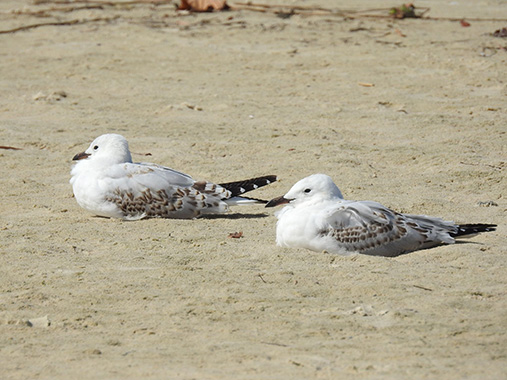
Young Silver Gulls look quite different, with mottled brown and grey plumage that gradually changes to the clean white and grey adult colours as they mature.
Habitat and Distribution
The Silver Gull is found throughout Australia, as well as parts of New Zealand and nearby islands.
Despite their strong association with the sea, they are incredibly versatile and occur in many environments, including:
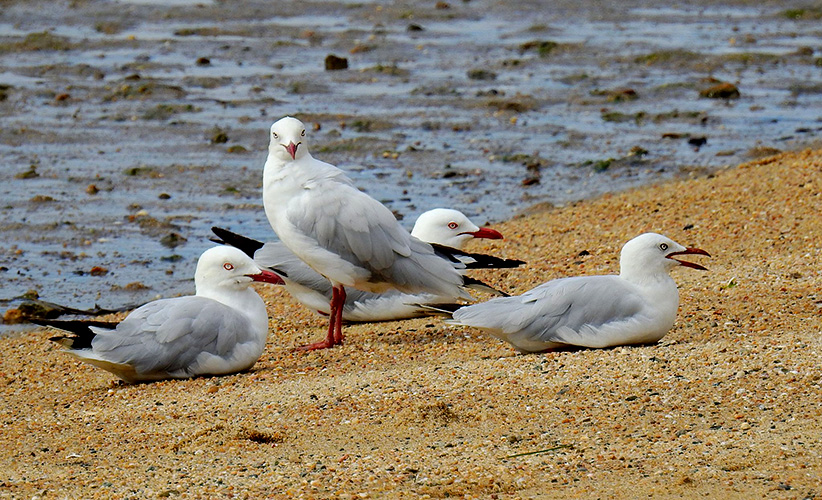
- coastal beaches and estuaries
- harbours and marinas
- islands and offshore rocks
- inland lakes and rivers
- rubbish tips and urban parks
Their adaptability has allowed them to become one of the most widespread seabirds in Australia.
Feeding Habits
Silver Gulls are opportunistic omnivores and will eat almost anything they can find.
Their diet commonly includes:
- fish and marine invertebrates
- crabs and shellfish
- insects
- carrion
- scraps of human food
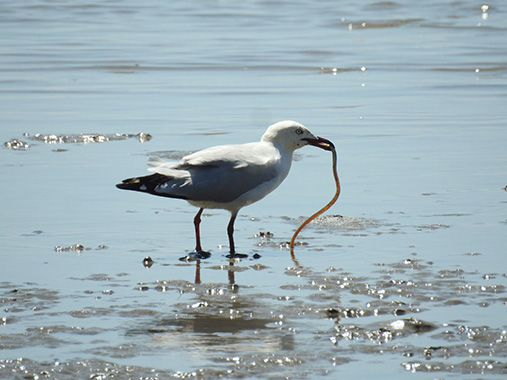
They often feed along shorelines, picking food from the sand or shallow water. In coastal areas they may follow fishing boats or forage near markets and harbours.
In urban areas, Silver Gulls have become well known for scavenging food from picnic areas, rubbish bins, and outdoor dining spaces.
Breeding and Nesting
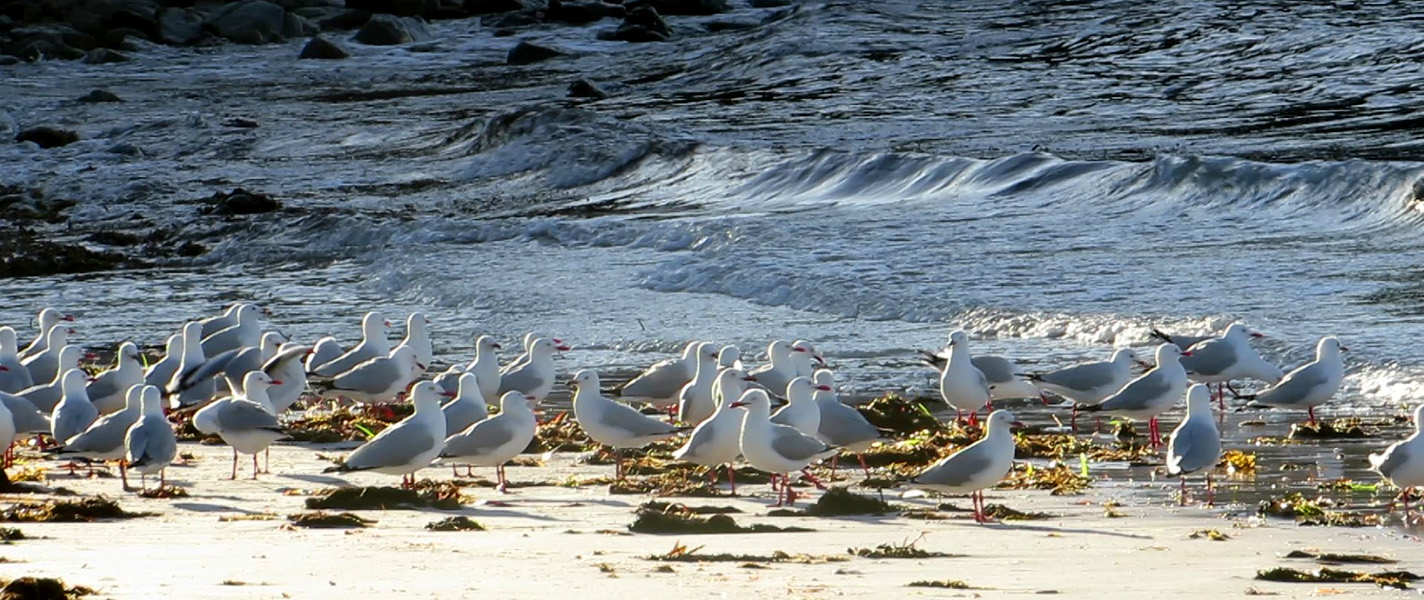
Silver Gulls usually breed in colonies, often on islands or isolated coastal areas where predators are limited.
- Nesting sites: rocky islands, sandy dunes, salt marshes, or occasionally rooftops and urban structures
- Nest structure: a shallow nest made from grasses, seaweed, feathers, and other plant material
- Eggs: typically 2–3 eggs with mottled brown markings
- Incubation: about three weeks
- Parental care: both parents incubate the eggs and feed the chicks
Large colonies can contain hundreds or even thousands of birds during the breeding season.
Longevity
Silver Gulls can live around 10 to 15 years in the wild, though some banded individuals have been recorded living over 20 years.
Their adaptability to human environments has helped them survive well in many parts of Australia.
Indigenous Connections
Coastal birds such as gulls have long been part of the marine environments observed and used by First Nations peoples across Australia. Their movements and behaviour often reflect the availability of fish and other marine resources.
Traditional ecological knowledge recognises seabirds as part of the broader coastal ecosystem, linking tides, fish activity, and seasonal changes. As with many widespread species, traditional names for gulls vary across language groups and are not always widely recorded in public sources.
Recognising these birds as part of coastal ecosystems highlights the deep relationship between people, wildlife, and the sea.
Conservation Status and Threats
The Silver Gull is currently classified as a species of Least Concern and remains common across much of its range.
However, the species faces several challenges in modern environments, including:
- pollution and plastic waste
- entanglement in fishing line and marine debris
- disturbance of nesting colonies
- reliance on human food sources
While their population is stable, responsible management of coastal environments helps maintain healthy ecosystems for these birds and many others.
Why the Silver Gull Matters
Although often overlooked because of their familiarity, Silver Gulls are an important part of Australia’s coastal wildlife. Their adaptability, intelligence, and lively behaviour make them one of the most recognisable birds in the country.
Whether soaring above a harbour, walking along a beach, or calling loudly over a seaside café, the Silver Gull remains a constant reminder of Australia’s connection to the ocean.
Scientific References
BirdLife Australia – Silver Gull species profile
Australian Museum – Silver Gull information
Pizzey, G. & Knight, F. The Field Guide to the Birds of Australia
Department of Climate Change, Energy, the Environment and Water – Coastal bird information
Wikipedia – Chroicocephalus novaehollandiae (Silver Gull)
Photo Gallery