Splendid Fairywren
Splendid Fairywren
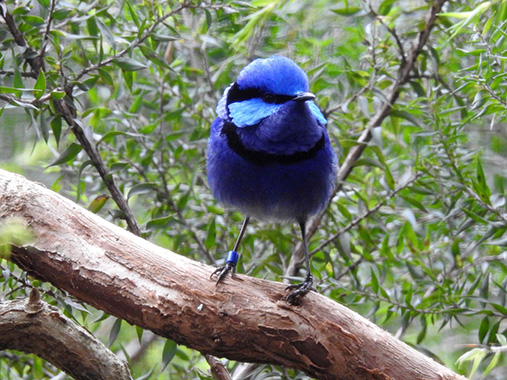
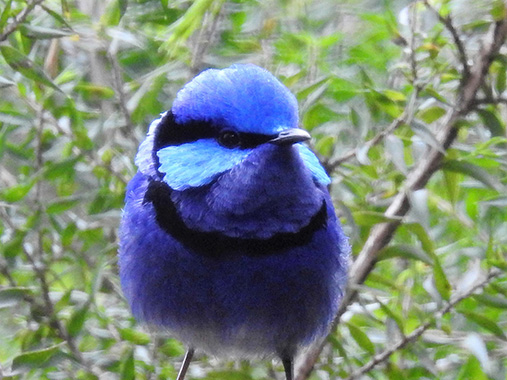
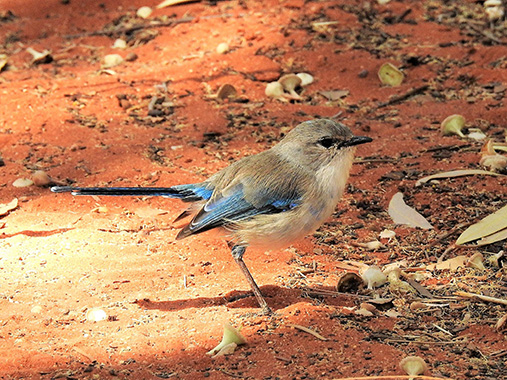
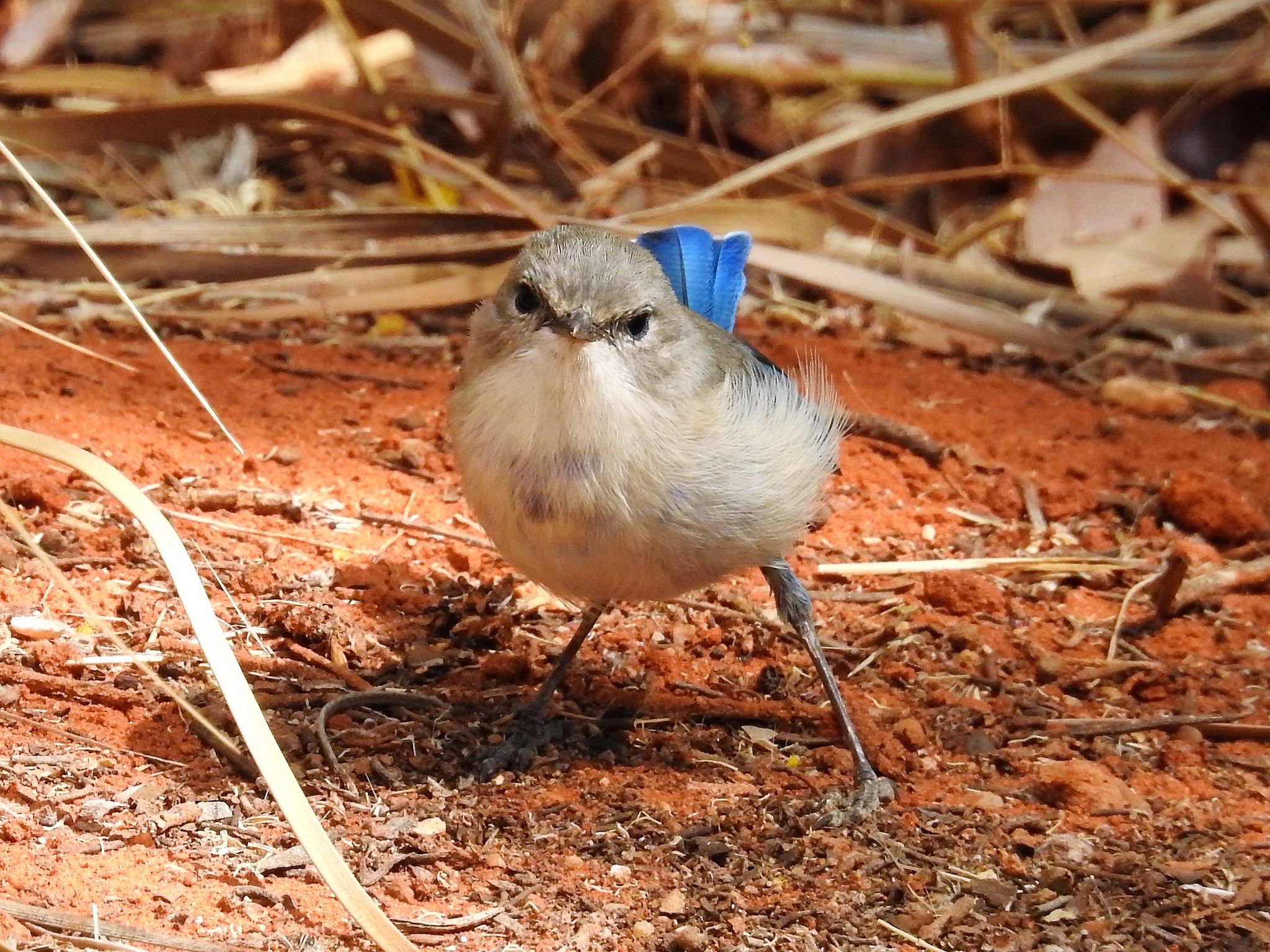
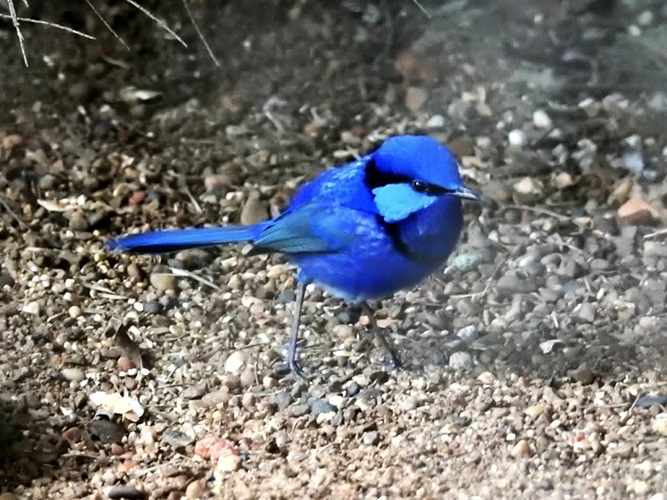
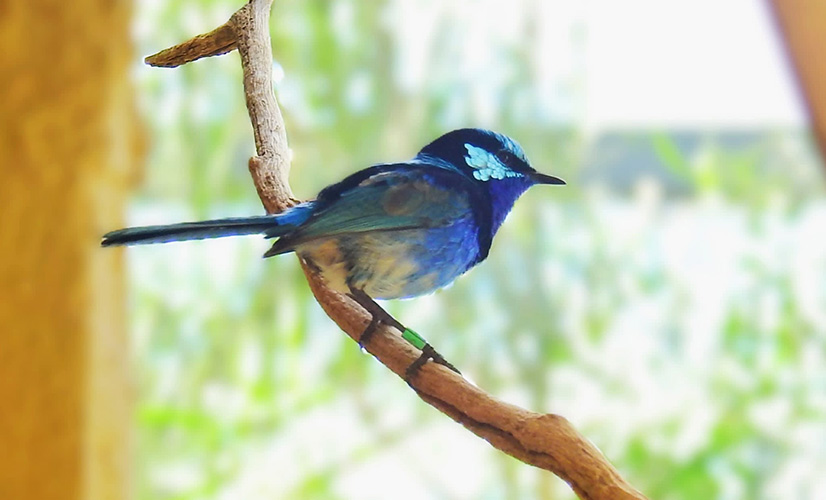
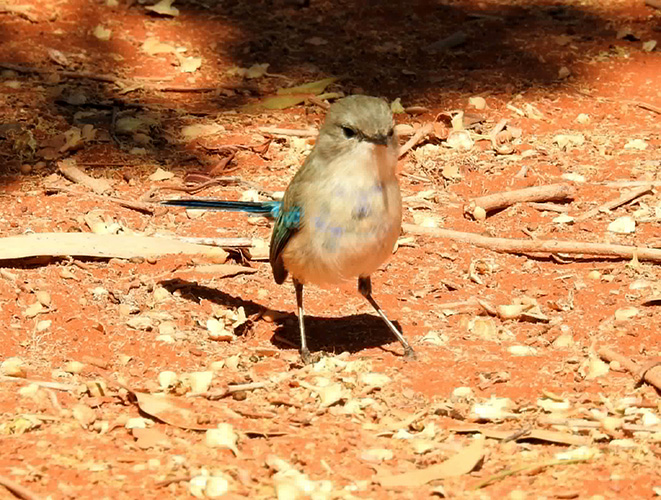
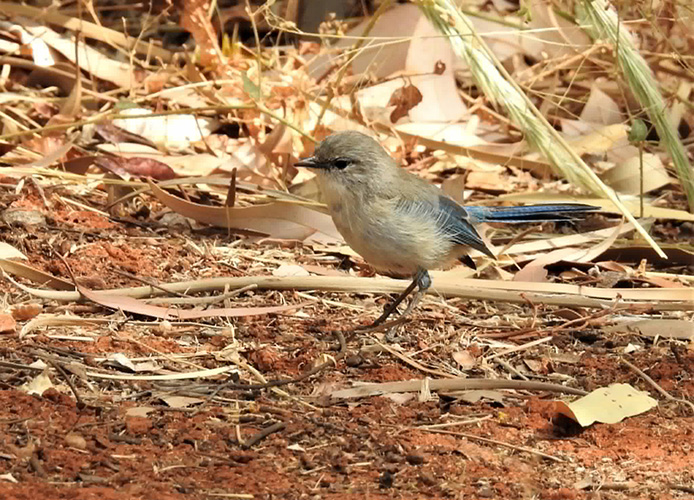
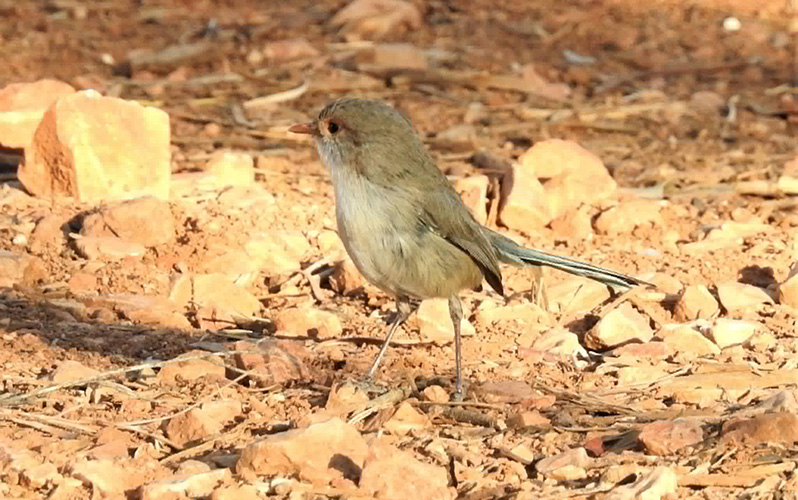
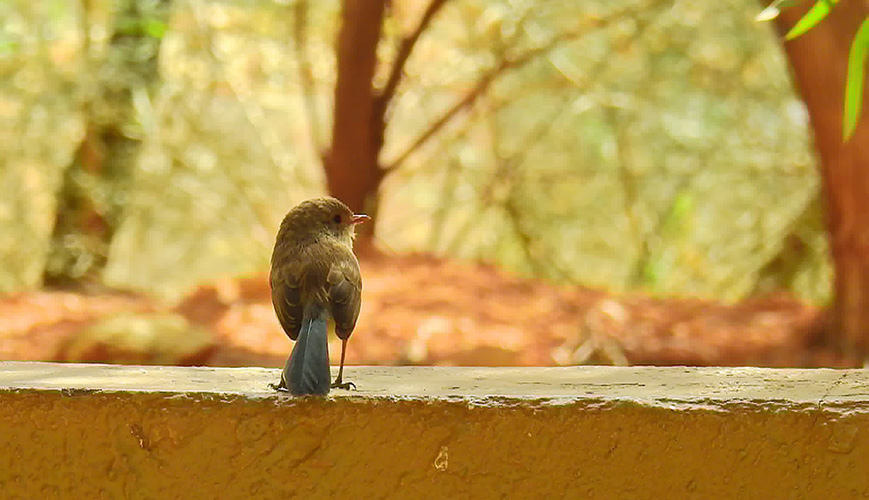
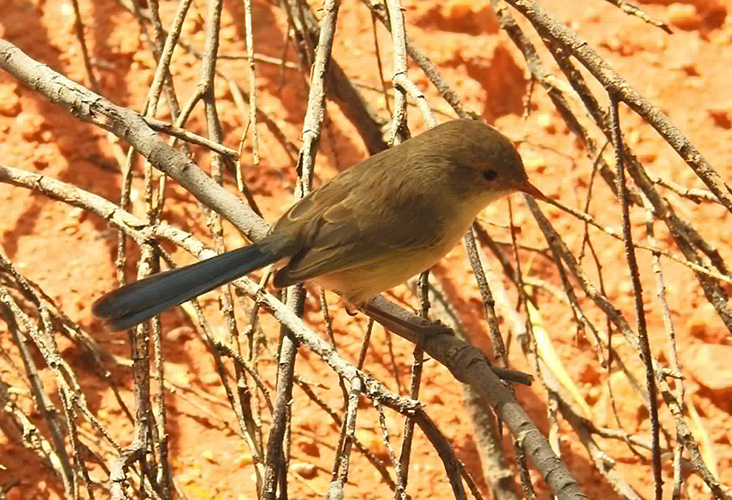
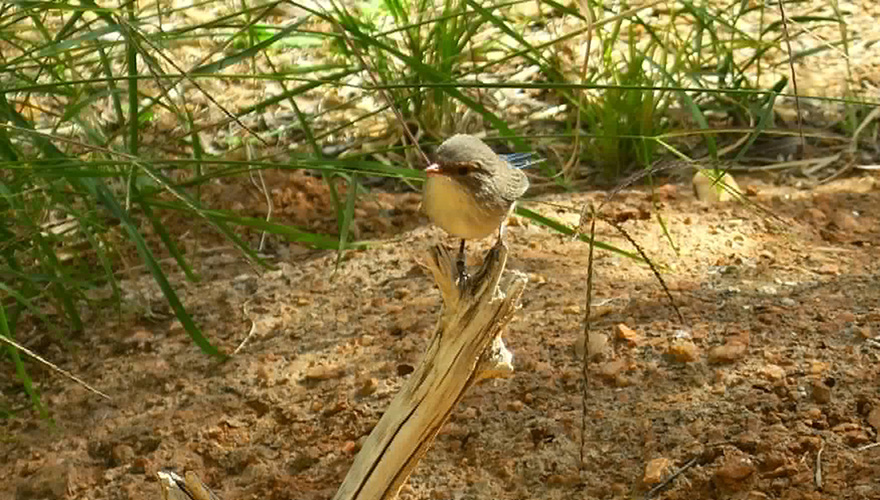
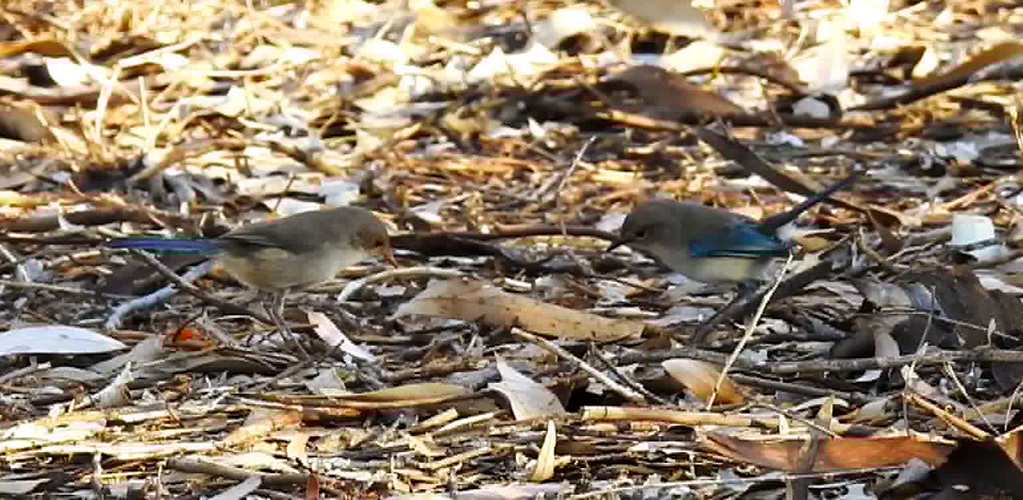
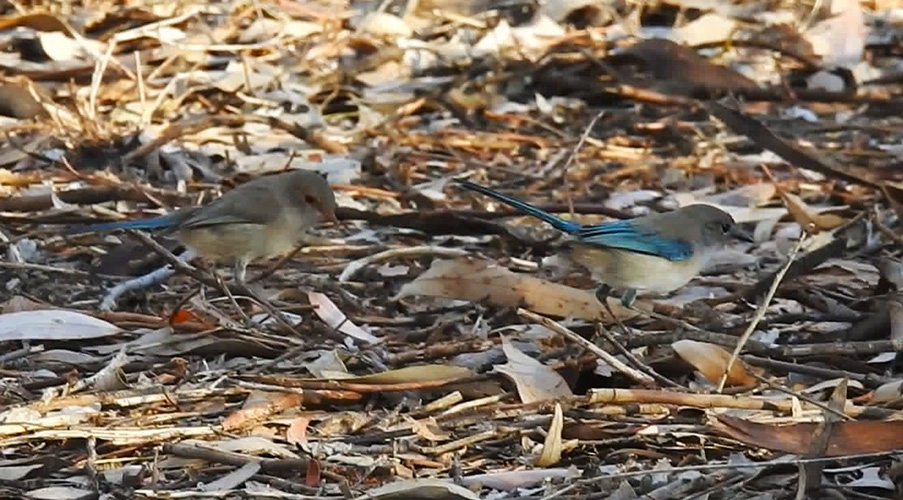
The Splendid Fairywren is one of Australia’s most beautiful and best-loved small birds. In breeding season, the male becomes a brilliant flash of electric blue and black, moving quickly through low shrubs and grasses like a tiny jewel in motion. Females and non-breeding birds are much softer in colour, with warm brown-grey plumage that blends neatly into the bush. This contrast makes the Splendid Fairywren a favourite for birdwatchers, photographers and wildlife lovers alike.
These birds are highly social, active and full of energy. They flit close to the ground, flicking their tails and calling softly as they search for insects. In the right habitat, they are a delight to see and a strong sign of healthy native vegetation.
Quick Facts
- Scientific name: Malurus splendens
- Family: Maluridae
- Length: About 14 cm
- Status: Least Concern
- Where found: Western, central and inland parts of mainland Australia
- Habitat: Shrublands, mallee, heath, spinifex, dry woodland and revegetated areas
What Does the Splendid Fairywren Look Like?
The Splendid Fairywren is a small, slender bird with a long tail that it often holds upright.
Male
During the breeding season, the male is the showpiece:
- brilliant blue upperparts
- black face and throat
- rich dark markings that make the blue stand out even more
- a lively, restless posture, often with the tail fanned or flicked
Outside the breeding season, males lose much of their bright colour and look much more like the female.
Female
The female is:
- soft brown-grey
- more subtly patterned
- well camouflaged in low vegetation
This difference in plumage helps the species survive in open, exposed habitat.
What Does the Splendid Fairywren Sound Like?
The Splendid Fairywren has a fine, high-pitched voice that is easy to miss unless you are close by.
Its calls are often:
- thin and tinkling
- soft chips or tsip notes
- short contact calls between members of a family group
- sharper alarm calls when disturbed
Because they spend so much time in low shrubs and grass, their sounds often give them away before they are seen.
Where Does the Splendid Fairywren Live?
Splendid Fairywrens live in dry and semi-dry habitats across much of mainland Australia, especially in the west and inland.
They are commonly found in:
- mallee scrub
- acacia shrubland
- heathland
- spinifex country
- open woodland
- dry creek lines
- roadside vegetation and restored native plantings
They prefer places with dense low cover, where they can move safely while feeding and nesting.
What Does the Splendid Fairywren Eat?
This species feeds mainly on insects and other small invertebrates.
Its diet includes:
- insects
- spiders
- larvae
- small beetles
- grasshoppers
- other tiny arthropods
It forages close to the ground, often in small family groups, darting through shrubs and grass in search of food.
Breeding and Nesting
Splendid Fairywrens are cooperative breeders, which means that young birds from earlier broods may help feed the chicks.
Breeding behaviour
- Breeding usually happens when conditions are good, often in spring and summer, or after favourable rain
- The nest is a small domed structure, usually built low in a shrub or dense plant
- The female generally builds the nest and does the incubation
- A typical clutch is 2–4 eggs
- Helpers may assist with feeding and protecting the young
The male is also known for his courtship displays, often showing off his bright plumage and singing from low perches.
Longevity
Like many small Australian birds, the Splendid Fairywren usually has a fairly short natural lifespan in the wild. Some birds may live for several years, especially where habitat is healthy and predators are fewer, but many do not survive long due to the pressures facing small birds in the wild.
Conservation Status and Threats
The Splendid Fairywren is currently listed as Least Concern overall, and it remains widespread across suitable habitat. However, that does not mean it is free from pressure.
Main threats include:
- habitat clearing
- loss of dense shrubs and understorey
- overgrazing by livestock or feral animals
- frequent or intense fire
- predation by cats and foxes
- drought and climate stress
- fragmentation of native bushland
Small birds like the Splendid Fairywren depend on low vegetation for shelter, nesting and feeding, so even modest habitat loss can affect local populations.
How People Can Help
You can help Splendid Fairywrens by:
- planting local native shrubs and grasses
- protecting remnant bushland and roadside vegetation
- keeping cats contained or indoors
- reducing pesticide use
- allowing some dense understorey to remain in gardens
- supporting habitat restoration projects
- encouraging fire management that protects shelter and nesting cover
Even small patches of native vegetation can make a real difference.
Interesting Facts About the Splendid Fairywren
- The male’s breeding plumage is one of the most striking colours of any Australian bird.
- These birds often move in small social groups rather than alone.
- They spend much of their time close to the ground, which makes them easier to hear than to see.
- Their bright colours are most dramatic in full sunlight, especially against dry grass and green shrubs.
References
- BirdLife Australia — https://birdlife.org.au/
- Australian Museum — https://australian.museum/
- Birds in Backyards — https://www.birdsinbackyards.net/
- IUCN Red List — https://www.iucnredlist.org/
- Atlas of Living Australia — https://bie.ala.org.au/
Photo Gallery