SPOONBILLS
Spoonbills of Australia
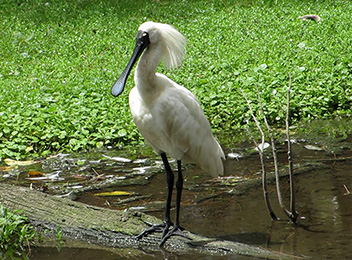
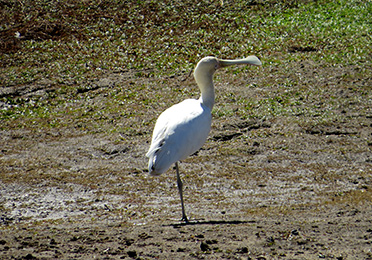
Among the most distinctive birds found in Australia’s wetlands are the spoonbills, easily recognised by their long legs, elegant necks, and remarkable spoon‑shaped bills. These unusual bills are perfectly adapted for feeding in shallow water and give the birds their memorable name.
Spoonbills belong to the family Threskiornithidae, which also includes ibises. In Australia they are most commonly represented by two species — the Royal Spoonbill and the Yellow‑billed Spoonbill. Both species are graceful wetland birds that play an important role in maintaining healthy aquatic ecosystems.
Whether sweeping their bills through muddy water in search of food or gathering in nesting colonies high in wetland trees, spoonbills are among the most fascinating birds to observe in Australia’s rivers, lakes, estuaries, and marshlands.
A Unique Way of Feeding
The most remarkable feature of spoonbills is their specialised bill. Unlike herons or egrets that spear their prey, spoonbills feed by sweeping their flattened bill from side to side through shallow water.
The inside of the bill is lined with sensitive nerve endings that allow the bird to detect movement in the water. When the bill touches a small fish, insect, or crustacean, it snaps shut instantly.
Their diet typically includes:
- small fish
- aquatic insects and larvae
- crustaceans and shrimp
- frogs and tadpoles
- small aquatic animals
This feeding technique allows spoonbills to forage efficiently in muddy water where visibility is poor.
Habitat and Distribution
Spoonbills are found throughout much of Australia wherever suitable wetland habitat exists. They prefer environments that provide shallow feeding areas and tall trees for nesting.
Common habitats include:
- freshwater wetlands
- floodplains and billabongs
- lakes and reservoirs
- estuaries and coastal lagoons
- slow‑moving rivers and marshes
During periods of heavy rainfall and flooding, large numbers of spoonbills may gather in productive wetlands where food is abundant.
Colonial Nesting Birds
Spoonbills usually breed in large nesting colonies, often alongside other waterbirds such as herons, egrets, ibises, and cormorants.
They build large stick nests high in trees standing near or over water. These colonies can contain dozens or even hundreds of birds and can become very noisy during the breeding season.
Both parents take part in incubating the eggs and feeding the chicks, which grow rapidly in these busy wetland nurseries.
Longevity
Spoonbills are relatively long‑lived birds. In the wild they can live 15 to 20 years, and some individuals have been recorded living even longer under favourable conditions.
Their survival depends heavily on stable wetlands, reliable food supplies, and safe nesting sites.
Indigenous Connections
Wetland birds such as spoonbills have long been observed by First Nations peoples as part of the natural rhythms of Australia’s waterways. Their seasonal movements and breeding colonies often coincide with periods when wetlands are rich in fish and other aquatic life.
Traditional ecological knowledge recognises birds as indicators of the health of Country, and the presence of large waterbird colonies can signal productive wetlands that support many forms of life.
Because Australia contains hundreds of Indigenous language groups, traditional names for spoonbills vary across regions and are not always widely recorded in public sources.
Conservation and Wetland Protection
While spoonbills remain relatively widespread across Australia, they are dependent on healthy wetlands and suitable nesting trees.
Major threats to wetland birds include:
- loss of wetlands through development or drainage
- pollution and declining water quality
- disturbance of breeding colonies
- removal of large nesting trees
Because spoonbills rely on tall trees near water for breeding colonies, the loss of these trees can significantly affect local populations.
How You Can Help
Healthy wetlands and suitable nesting sites are essential for spoonbills to thrive. One of the most helpful things people can do is ensure that large trees remain around dams, lakes, and wetlands.
These trees provide vital nesting sites for spoonbills and many other waterbirds.
- Plant or protect large trees near water bodies, especially around dams and lakes.
- Trees such as Paperbarks (Melaleuca species) are particularly valuable as they grow well in wet conditions and provide strong nesting branches.
- When planting near dams, trees can be placed slightly back from the water’s edge so they do not compromise the structural integrity of the dam wall.
- Avoid removing mature trees near wetlands unless absolutely necessary.
By protecting and planting suitable trees, landowners and communities can help create safe breeding habitats for these remarkable birds.
Why Spoonbills Matter
Spoonbills are more than just beautiful wetland birds. Their presence often indicates a healthy ecosystem rich in aquatic life. Their nesting colonies support other bird species and contribute to the biodiversity of Australia’s wetlands.
Watching a spoonbill slowly sweep its bill through the water is a reminder of the delicate balance that exists within wetland habitats — and why protecting these environments is so important.
Scientific References
BirdLife Australia – Spoonbill species information
Australian Museum – Royal and Yellow‑billed Spoonbill profiles
Pizzey, G. & Knight, F. The Field Guide to the Birds of Australia
Department of Climate Change, Energy, the Environment and Water – Wetland bird conservation
Wikipedia – Spoonbill (Family Threskiornithidae)