At first glance, the branch before you seems ordinary—just another slender twig resting among leaves and light. Then it moves.
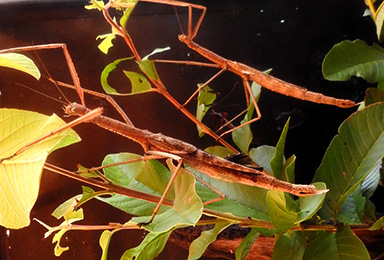
Australia’s stick insects are among nature’s most skilled illusionists. With long, narrow bodies, gentle swaying movements, and colours that mirror bark and leaves, they disappear into the landscape with remarkable ease. This clever camouflage keeps them safe from predators and allows them to live quietly among the trees and shrubs of forests, woodlands, and gardens across the country.
Masters of Disguise
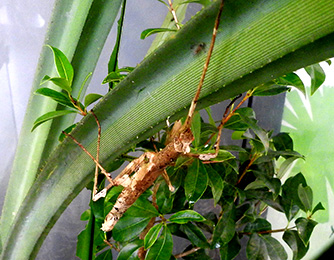
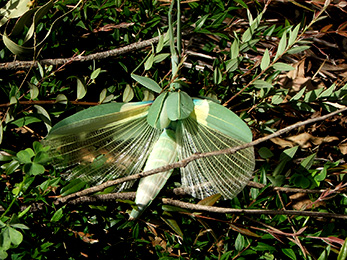
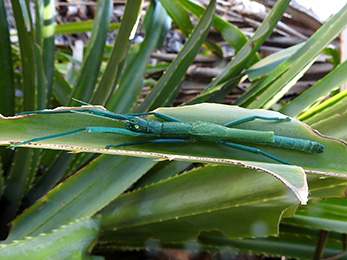
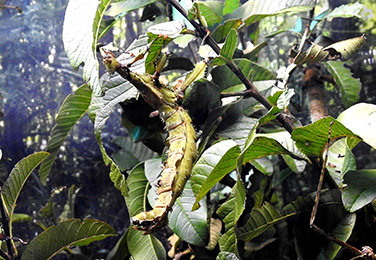
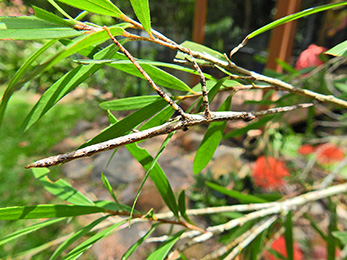
Belonging to the scientific order Phasmatodea, stick insects have evolved to blend almost perfectly with their surroundings. Some resemble smooth green stems, others look like dry, knobbly twigs, complete with bumps and lichen-like markings. When the wind stirs the leaves, they sway gently, mimicking a moving branch rather than an insect.
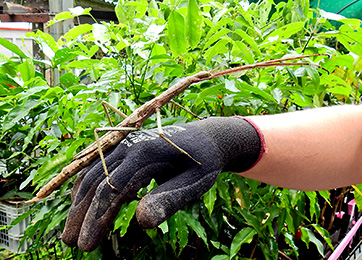
Despite their impressive size—some Australian species are among the longest insects in the world—stick insects are peaceful, plant‑eating creatures. They feed mainly at night, nibbling on leaves, and spend the daylight hours resting silently among foliage.
A Quiet Presence in Australian Ecosystems
Stick insects play a subtle but important role in Australia’s ecosystems. By feeding on leaves, they help shape plant growth, and in turn, they provide food for birds, reptiles, and other animals. Their eggs, often dropped onto the forest floor, become part of the soil environment, continuing the quiet cycle of life.
Many species are sensitive to habitat loss and environmental change. Protecting native vegetation helps ensure these extraordinary insects remain part of Australia’s natural story.