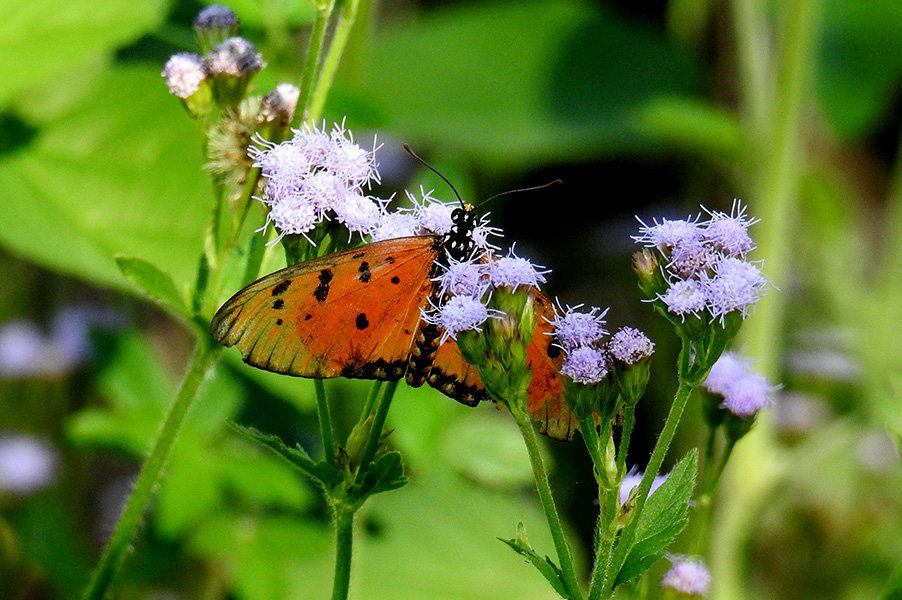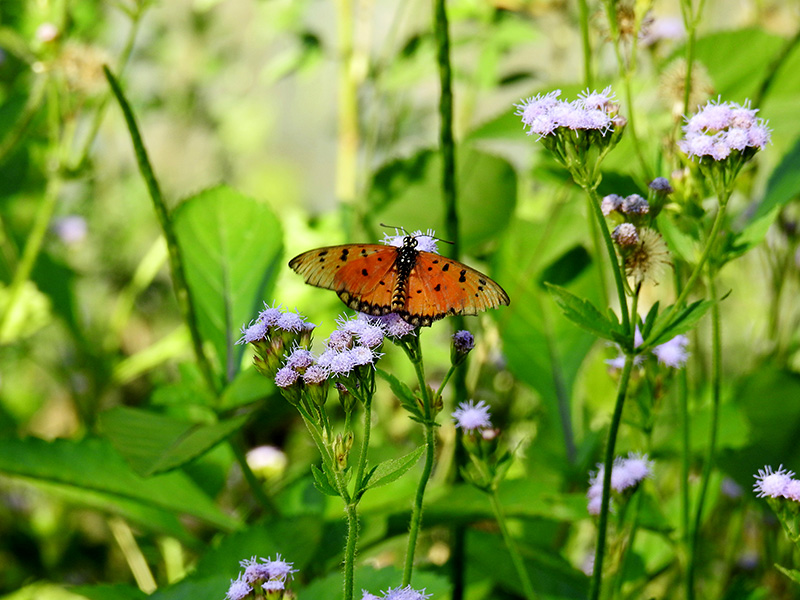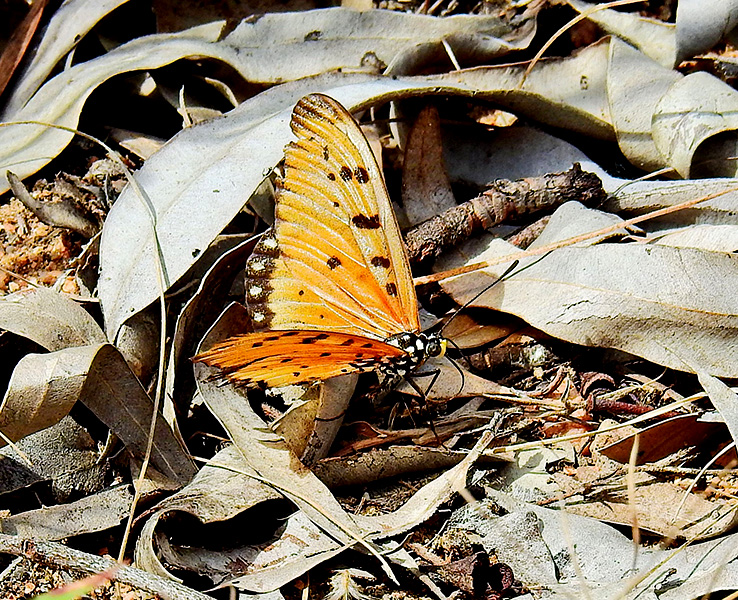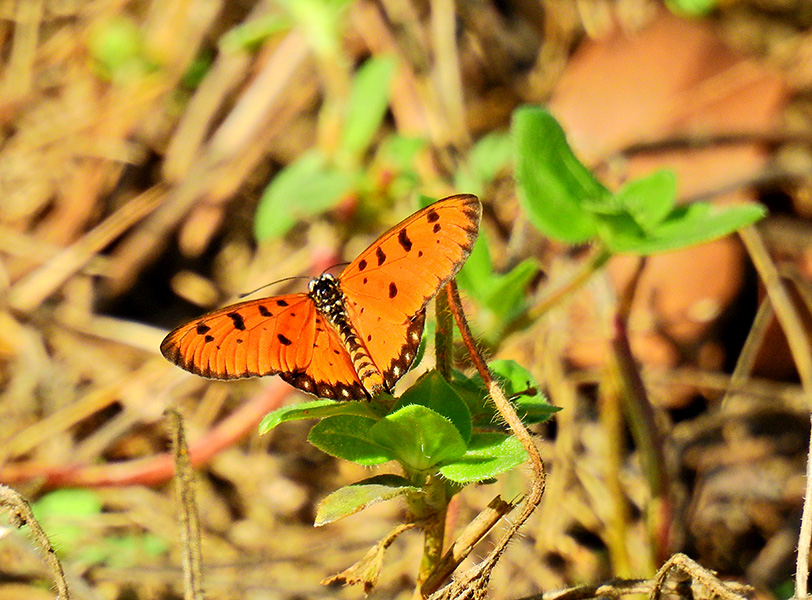
Tawny Coster Butterfly
Tawny Coster Butterfly
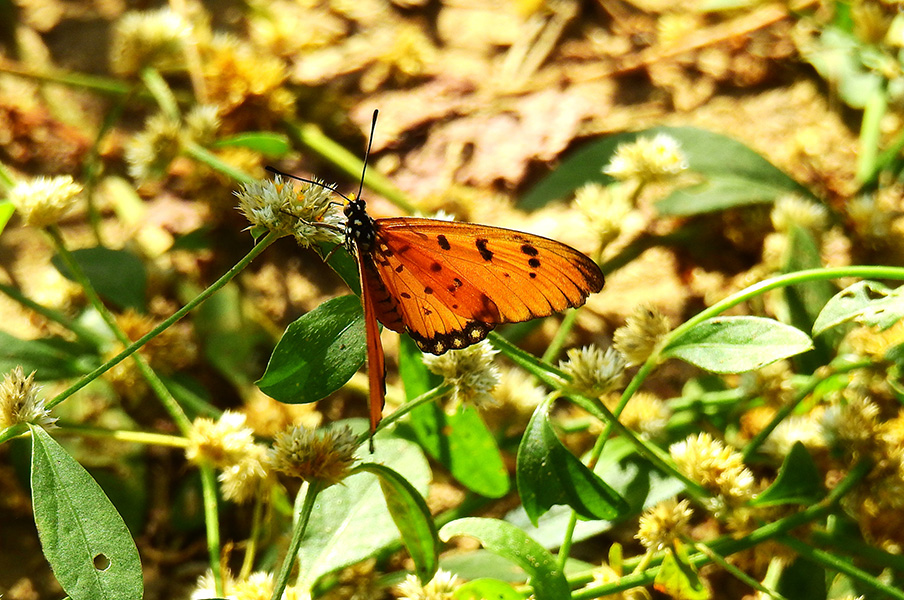
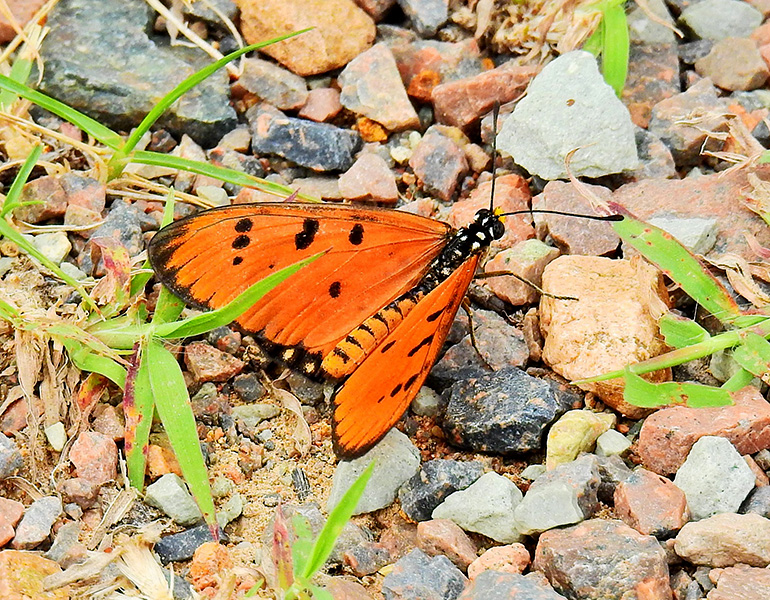
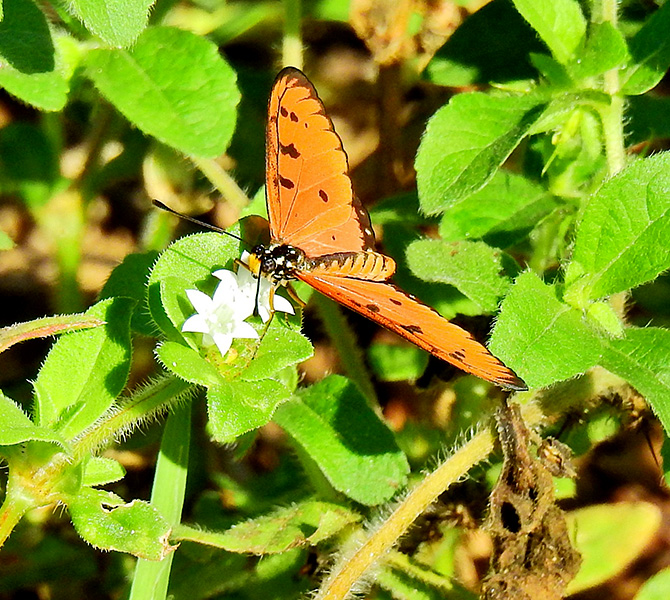
The Tawny Coster (Acraea terpsicore) is a striking orange butterfly that has recently become an increasingly familiar sight in parts of northern Australia. With its bright tawny‑orange wings marked by bold black spots, this butterfly is easily recognised as it flutters slowly through open country and gardens.
Originally native to South and Southeast Asia, the Tawny Coster has gradually expanded its range and was first recorded in Australia in the early 2010s. Since then, it has spread through parts of northern Queensland and continues to appear in new locations as it adapts to Australian conditions.
What Does the Tawny Coster Look Like?
The Tawny Coster is a medium‑sized butterfly with a wingspan of about 55–70 millimetres.
It has a bold and colourful appearance:
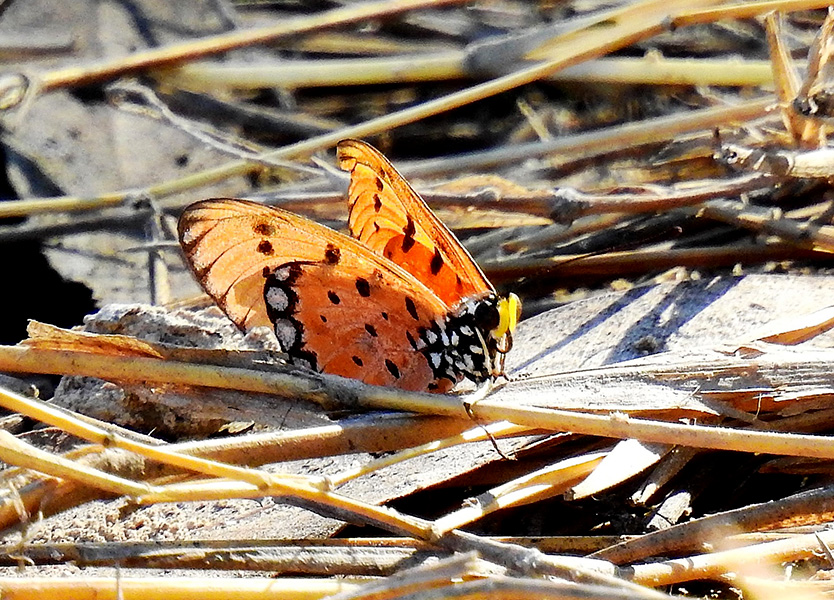
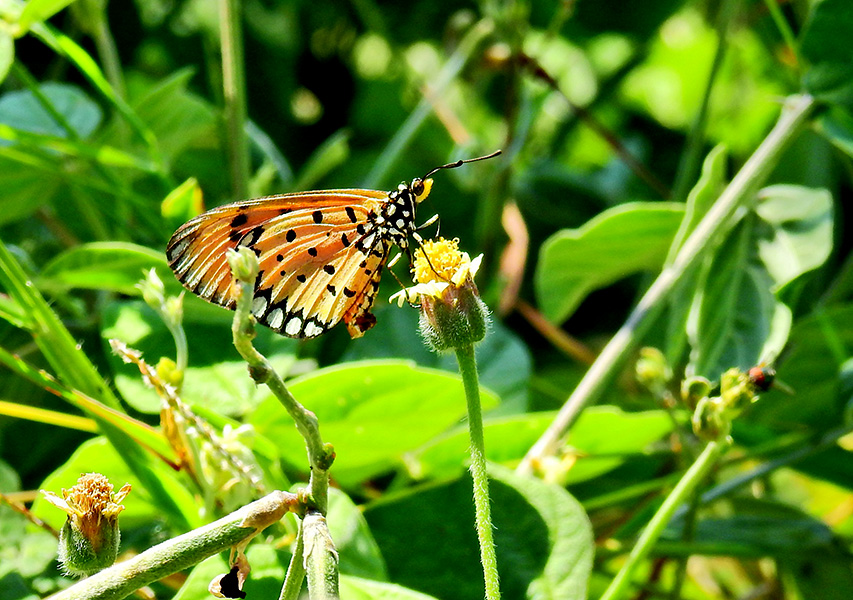
- Upper wings: bright orange to tawny with prominent black spots
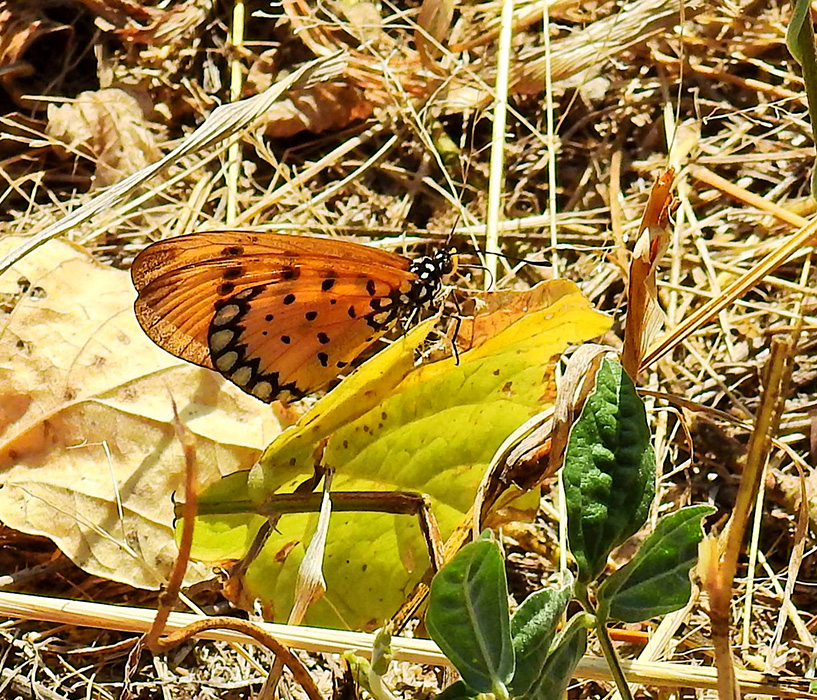
- Wing edges: dark borders with white dots
- Underside: similar orange pattern but paler and more muted
- Body: orange with black markings
- Flight style: slow, floating, and slightly erratic
Its bright colours act as a warning signal to predators, indicating that the butterfly may be unpalatable.
Habitat and Distribution
The Tawny Coster is now found across parts of northern Queensland, particularly around coastal regions and open landscapes.
It commonly inhabits:
- open woodland
- grasslands
- coastal vegetation
- gardens and parks
- roadside vegetation
Because it thrives in disturbed habitats and areas with suitable host plants, the species has expanded its range quickly.
Feeding Habits
Adult Tawny Costers feed primarily on flower nectar.
They are often seen visiting:
- lantana
- wildflowers
- garden flowering plants
- roadside blossoms
Their slow flight allows them to move easily between flowers, often hovering briefly before settling to feed.
Breeding and Host Plants
The caterpillars of the Tawny Coster feed mainly on plants in the passionflower family (Passifloraceae).
Host plants
Common host plants include:
- Passiflora species (passionfruit vines)
- other related climbing vines
Life Cycle
- Egg: laid in clusters on host plant leaves
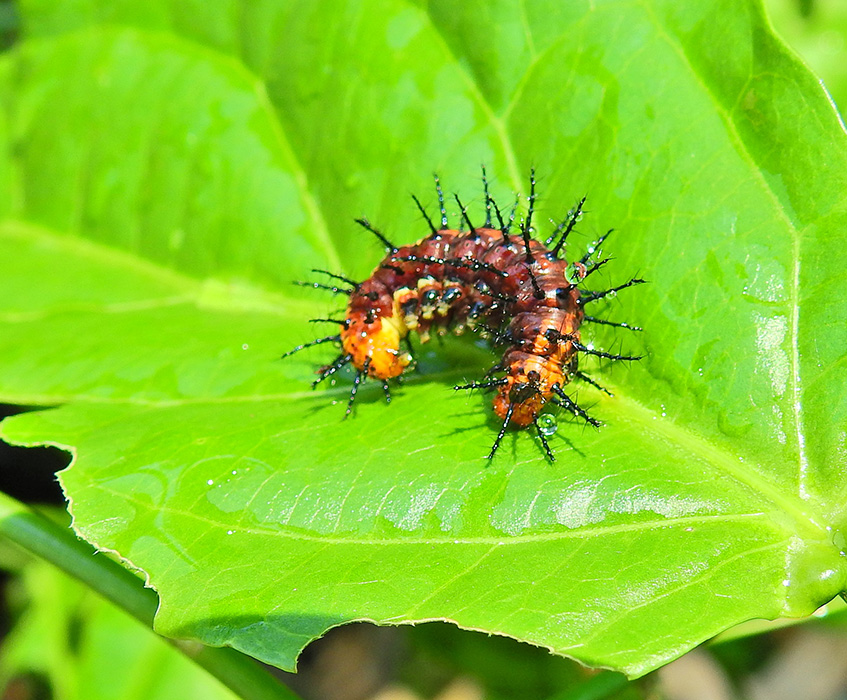
- Caterpillar: bright orange with black spines
- Pupa: suspended chrysalis attached to vegetation
- Adult butterfly: emerges to feed and reproduce
The spiny caterpillars and bright colours help deter predators.
Longevity
The full life cycle from egg to adult usually takes around four to six weeks, depending on temperature and food supply.
Adult butterflies generally live two to three weeks, during which time they focus on feeding and reproduction.
Interesting Facts About the Tawny Coster
- The Tawny Coster is a recent arrival to Australia, first recorded in the north of the country in the early 21st century.
- Its expansion is believed to be linked to climate conditions and the spread of host plants.
- The butterfly is known for its slow and graceful flight, unlike many fast‑flying species.
- Its bright colours warn predators that it contains chemical defences obtained from its host plants.
Because it is still spreading across Australia, scientists continue to monitor its distribution.
Indigenous Connections
Butterflies and the plants they depend on are part of the broader ecological cycles observed by First Nations peoples across Australia. The appearance of butterflies often reflects the flowering of plants and seasonal changes in the environment.
Traditional ecological knowledge recognises insects as part of the complex relationships between plants, animals, and Country. Because Australia contains many Indigenous language groups, traditional names for specific butterfly species vary across regions and are not always widely documented in public sources.
Conservation Status and Ecological Role
Globally, the Tawny Coster is considered common and widespread.
In Australia, it is still establishing itself and is regarded as a recently arrived species rather than a threatened one. Its ecological impact is still being studied, particularly because it shares host plants with native butterflies.
Why the Tawny Coster Matters
The Tawny Coster is a fascinating example of how butterfly species can expand into new regions. Its bright colours, distinctive caterpillars, and graceful flight make it a remarkable addition to Australia’s butterfly fauna.
As it continues to spread across northern Australia, it provides scientists and nature observers with an opportunity to study how insects adapt to changing environments.
Scientific References
Braby, M. F. Butterflies of Australia: Their Identification, Biology and Distribution
Atlas of Living Australia – Acraea terpsicore records
Australian Butterfly Conservation resources
CSIRO – Australian insect biodiversity
Wikipedia – Acraea terpsicore (Tawny Coster)
Photo Gallery