White-banded Plane Butterfly
White‑banded Plane Butterfly
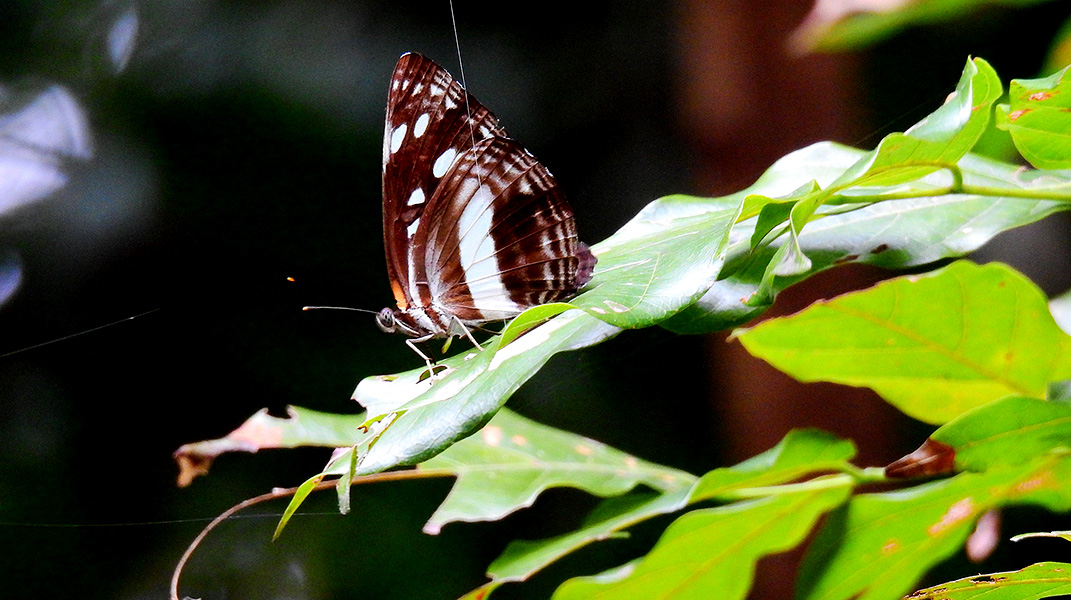
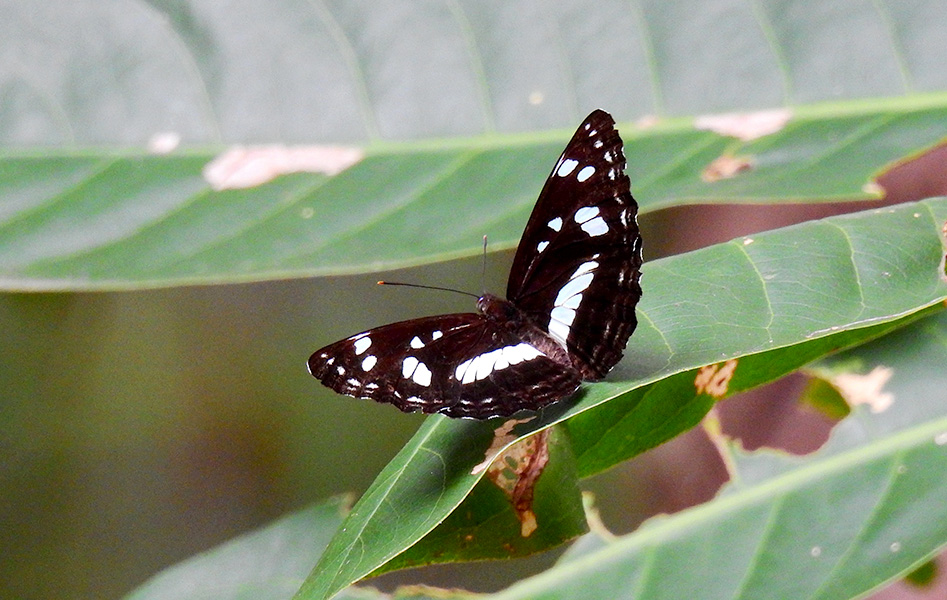
The White‑banded Plane (Phaedyma shepherdi) also known as Common Aeroplane, is a beautiful rainforest butterfly found in tropical northern Australia, particularly in northern Queensland. With its dark wings crossed by a bold white band, this butterfly is both elegant and distinctive as it glides through forest clearings and along shaded tracks.
Belonging to the brush‑footed butterfly family (Nymphalidae), the White‑banded Plane is closely related to several similar species found across Southeast Asia. In older scientific literature it was sometimes grouped with the Asian species Phaedyma columella, but it is now recognised as a separate Australian species.
What Does the White‑banded Plane Look Like?
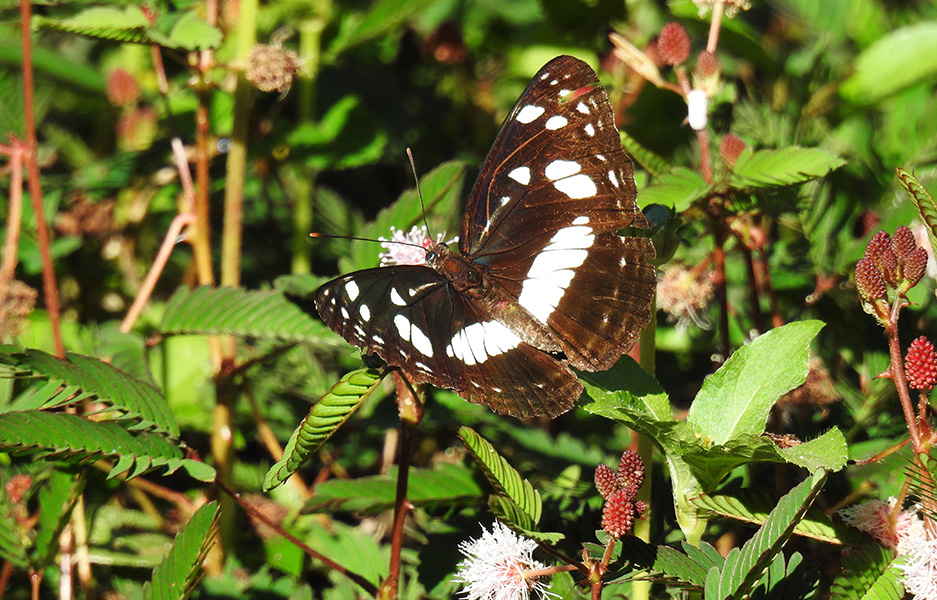
The White‑banded Plane is a medium‑sized butterfly with a wingspan of about 60–70 millimetres.
Its appearance is bold and easy to recognise:
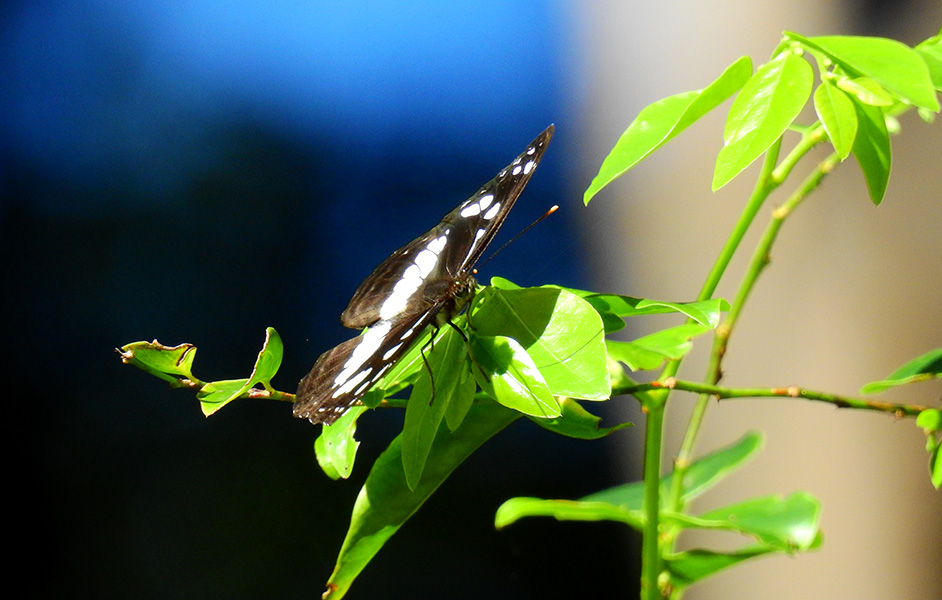
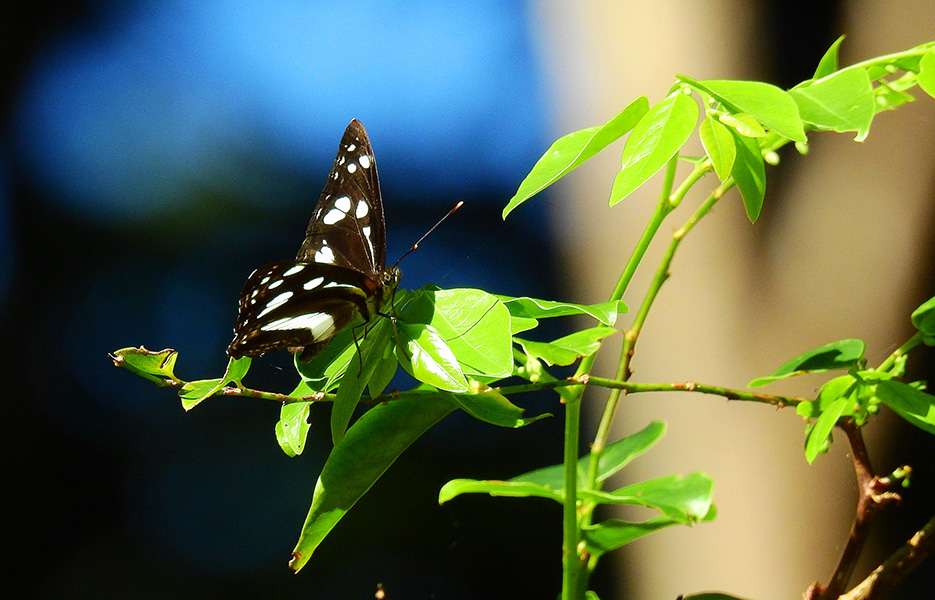
- Upper wings: dark brown to black
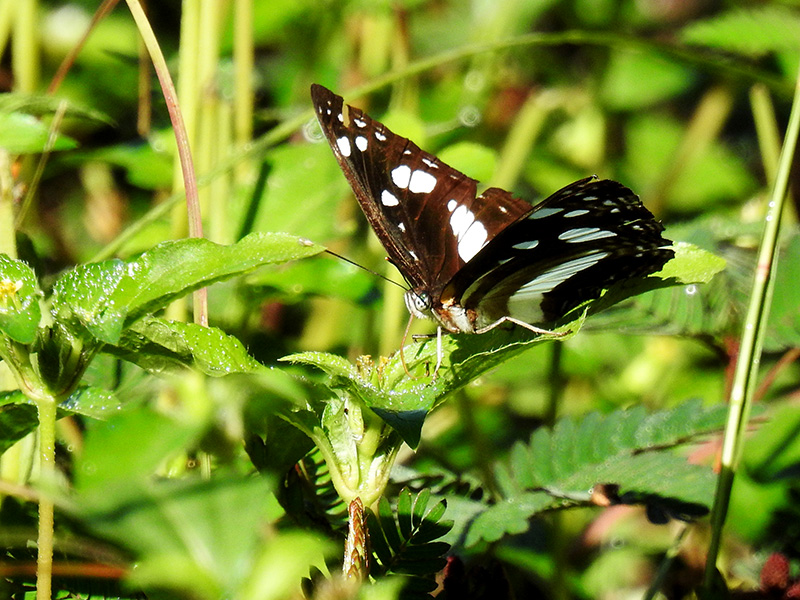
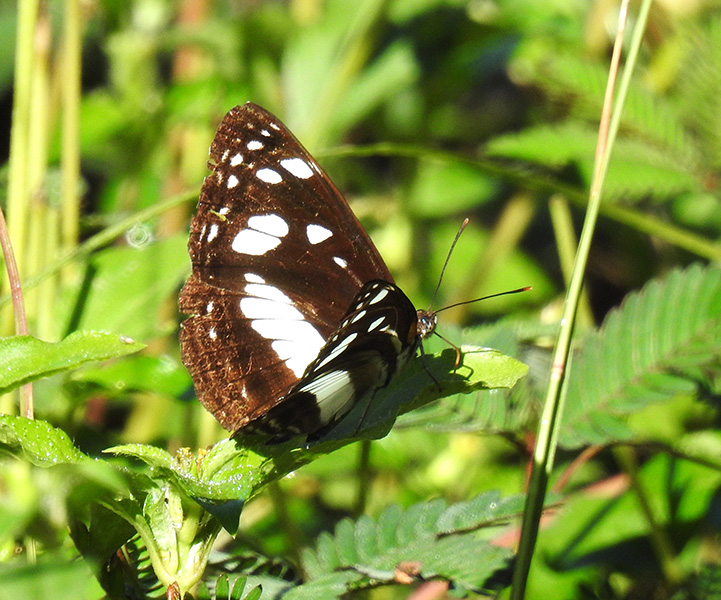
- Central band: a broad white band crossing both forewings and hindwings
- Wing margins: slightly scalloped with subtle markings
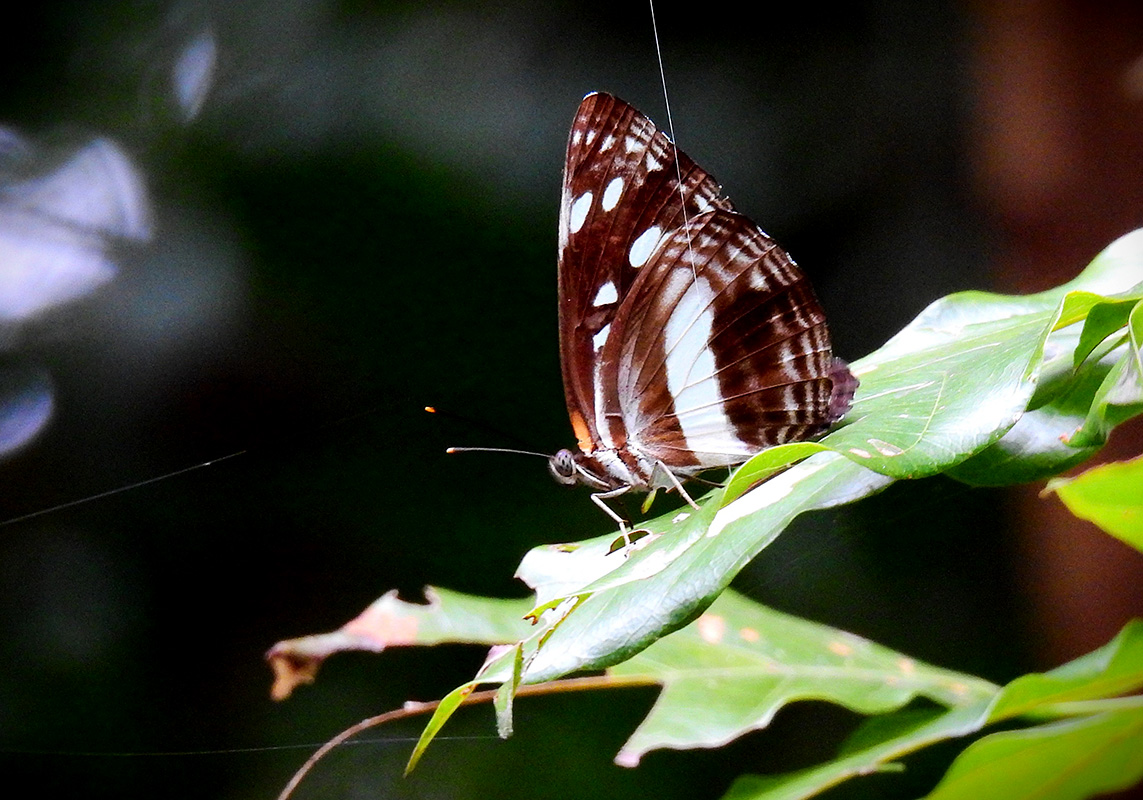
- Underside: brown with a pale band and lighter patterns
- Body: slender and dark
- Flight style: smooth and gliding
The bright white band stands out strongly against the dark wings, making the butterfly visible even when flying quickly through forest gaps.
Habitat and Distribution
The White‑banded Plane occurs mainly in tropical rainforest habitats of northern Queensland.It can also be found in the sub-tropical rainforest of NE NSW/SE Qld, even range more widely in Eastern Australia from Cape York to Central NSW.
It is commonly found in:
- rainforest interiors
- forest edges and clearings
- shaded walking tracks
- creek lines
- woodland bordering rainforest
Outside Australia, closely related species occur in New Guinea and Southeast Asia, but Phaedyma shepherdi is the species recognised in Australia.
Because it prefers forested environments, it is most often seen in areas where native vegetation remains intact.
Feeding Habits
Adult White‑banded Plane butterflies feed on nectar and plant juices.
They may visit:
- rainforest flowers
- flowering shrubs
- fallen fruit
- tree sap
They are sometimes seen basking in filtered sunlight or feeding along forest tracks where flowers are available.
Their flight is often slow and gliding, allowing them to move between trees with minimal effort.
Breeding and Host Plants
The breeding habits of the White‑banded Plane are typical of many forest butterflies.
Host plants
Caterpillars feed on rainforest plants, particularly vines and shrubs within the forest understory.
Life cycle
- Egg – laid on the leaves of host plants
- Caterpillar – green or brown with markings that help camouflage it among foliage
- Pupa – a suspended chrysalis attached to vegetation
- Adult butterfly – emerges to feed and reproduce
The caterpillars rely on camouflage to avoid predators while feeding.
Longevity
The complete life cycle from egg to adult usually takes around four to six weeks, depending on temperature and food availability.
Adult butterflies typically live two to four weeks, during which they focus on feeding, mating, and laying eggs.
Indigenous Connections
Butterflies are part of the rich biodiversity of Australia’s tropical forests, environments that have been carefully observed and understood by First Nations peoples for thousands of years.
In traditional ecological knowledge, the appearance of insects such as butterflies often reflects seasonal changes in flowering plants and forest conditions. Their presence can indicate the health of vegetation and the balance of rainforest ecosystems.
Because Australia contains many Indigenous language groups, traditional names for butterflies vary across regions and are not always widely documented in public sources.
Conservation Status and Threats
The White‑banded Plane is not currently considered threatened. However, like many rainforest insects, it depends on healthy forest habitats.
Potential threats include:
- rainforest clearing
- habitat fragmentation
- pesticide use
- loss of native host plants
Protecting tropical forests helps ensure the continued survival of this and many other butterfly species.
Why the White‑banded Plane Matters
The White‑banded Plane is a graceful and beautiful part of Australia’s rainforest wildlife. Its bold wing pattern and smooth gliding flight make it a memorable sight for anyone exploring tropical forests.
By protecting rainforest habitats and maintaining native vegetation, we help ensure that butterflies like the White‑banded Plane continue to thrive.
Scientific References
Braby, M. F. Butterflies of Australia: Their Identification, Biology and Distribution
Atlas of Living Australia – Phaedyma shepherdi records
Australian Butterfly Conservation resources
Queensland Museum – tropical butterfly information
Wikipedia – Phaedyma shepherdi (White‑banded Plane Butterfly)
Photo Gallery