Zodiac Moth
The Zodiac Moth
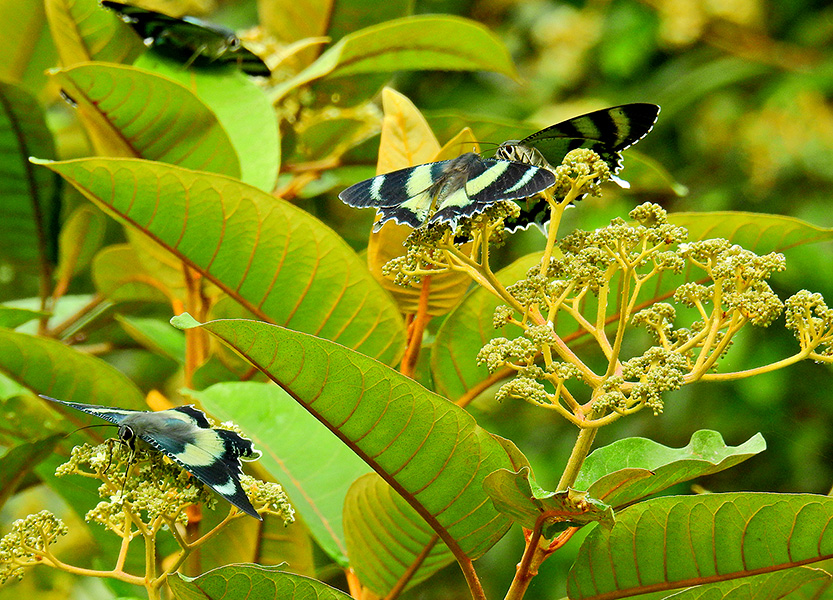
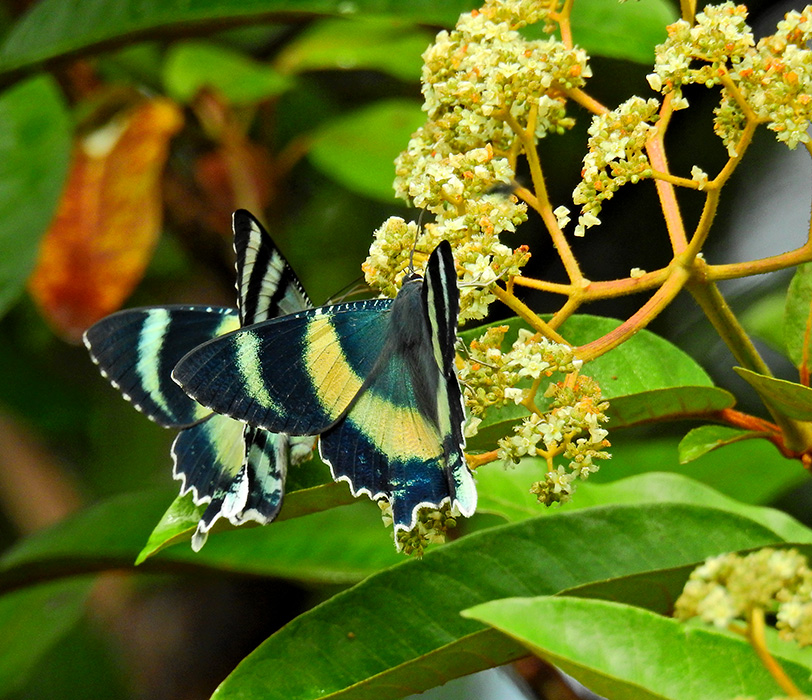
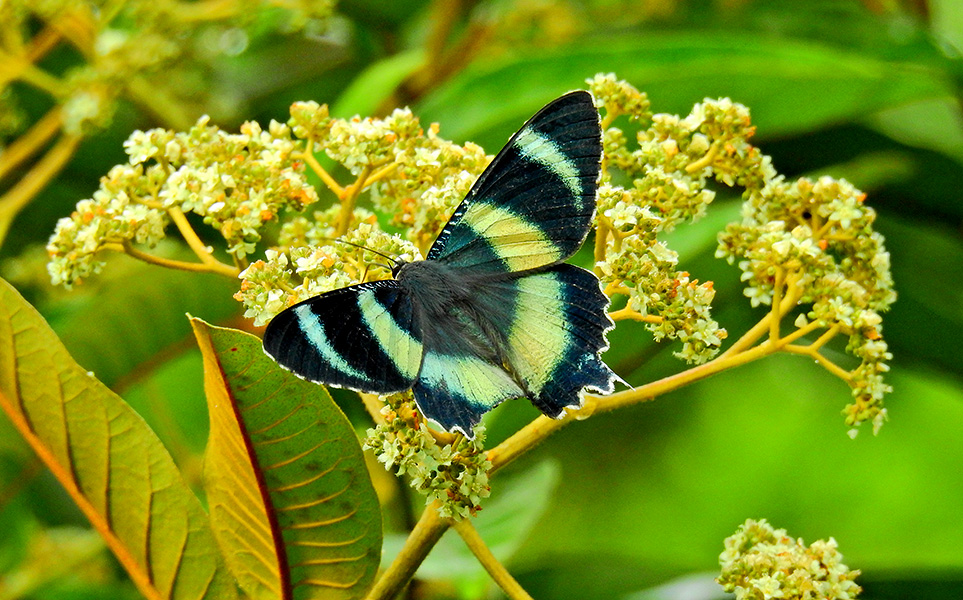
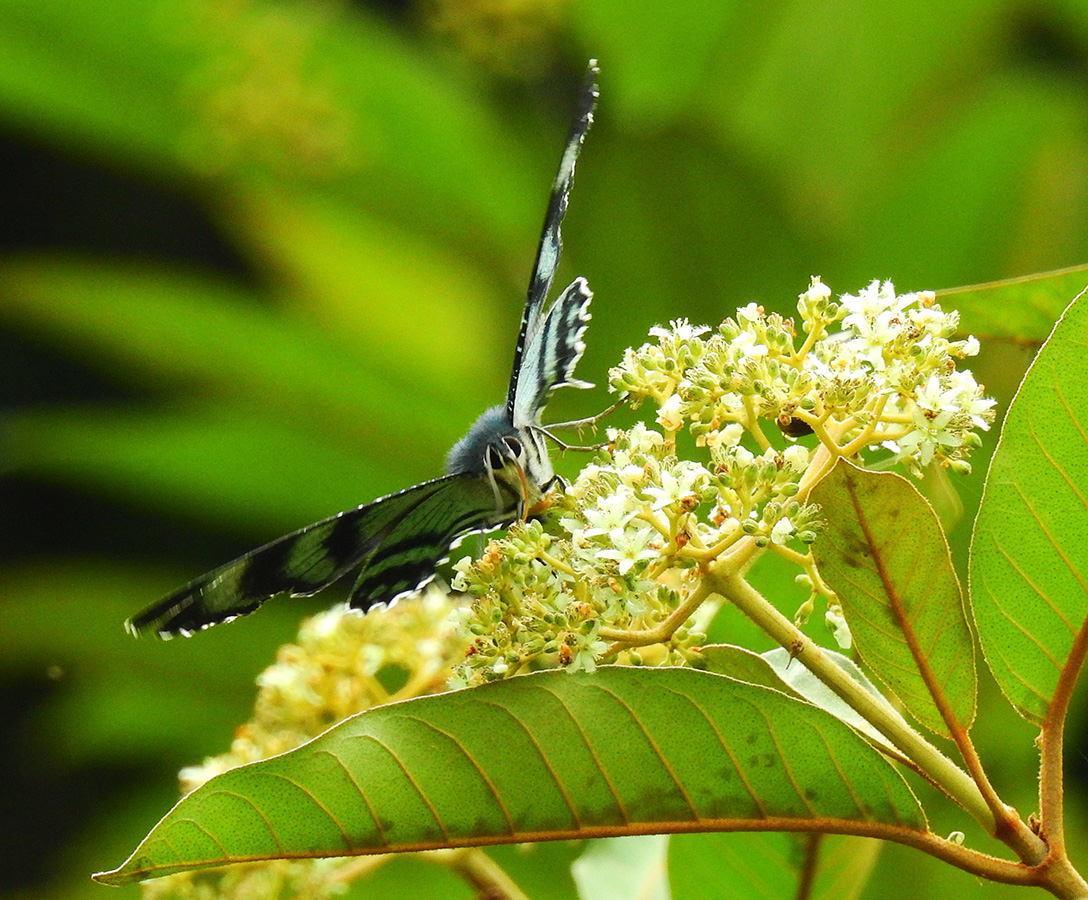
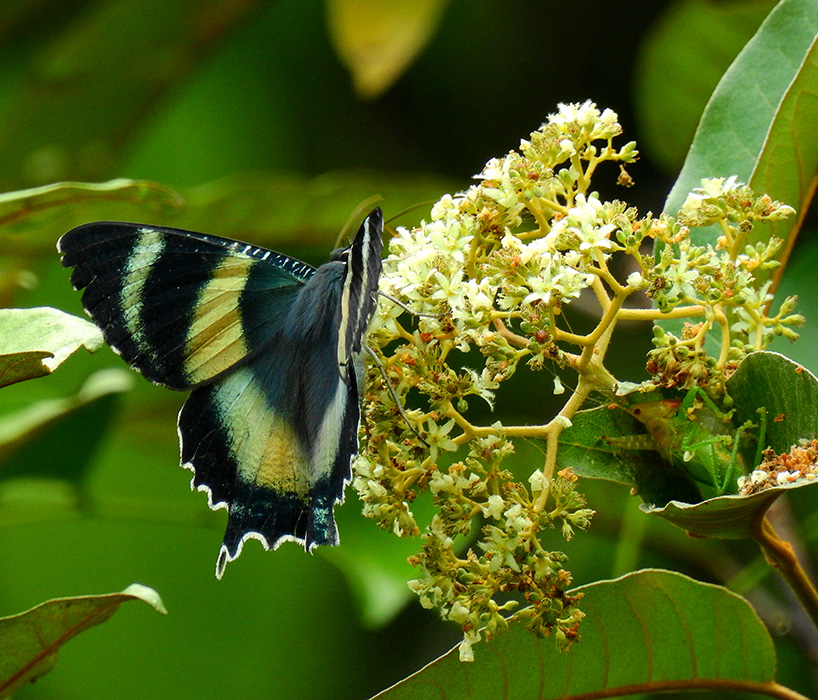
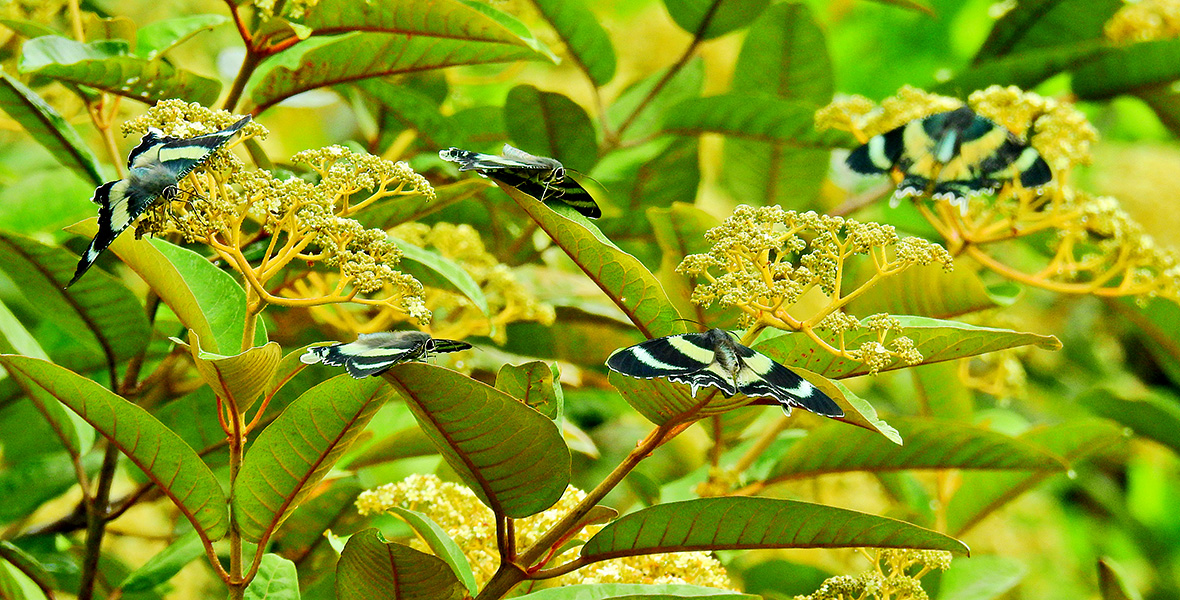
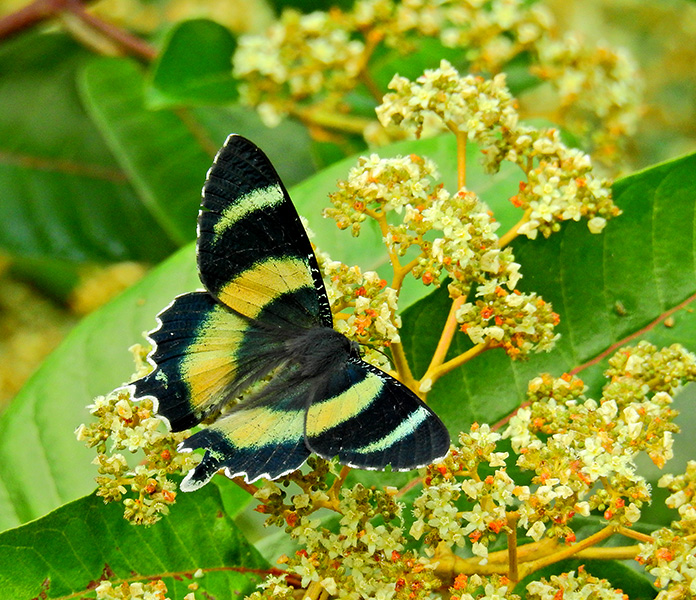
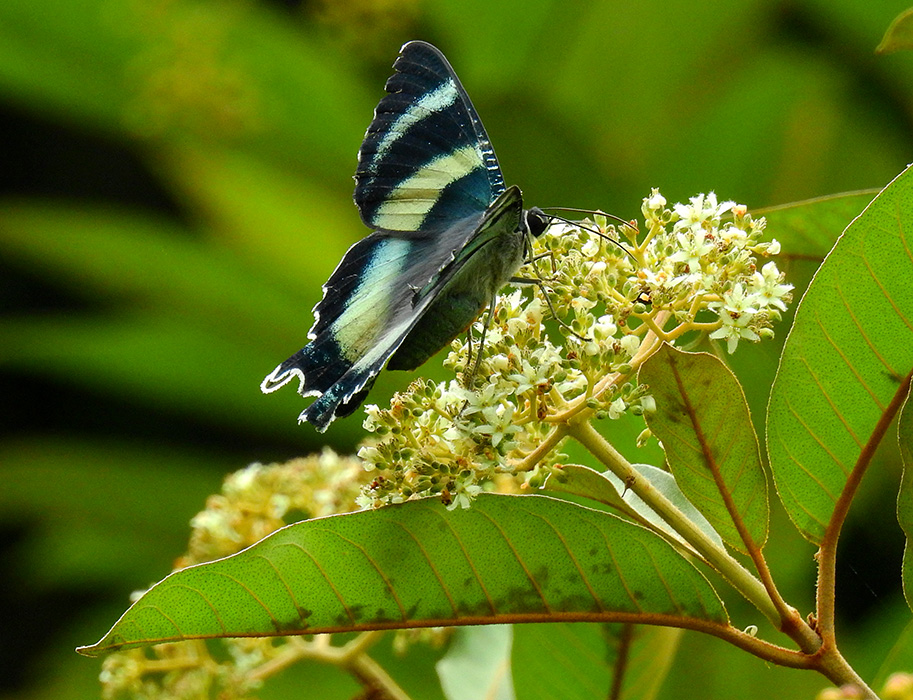
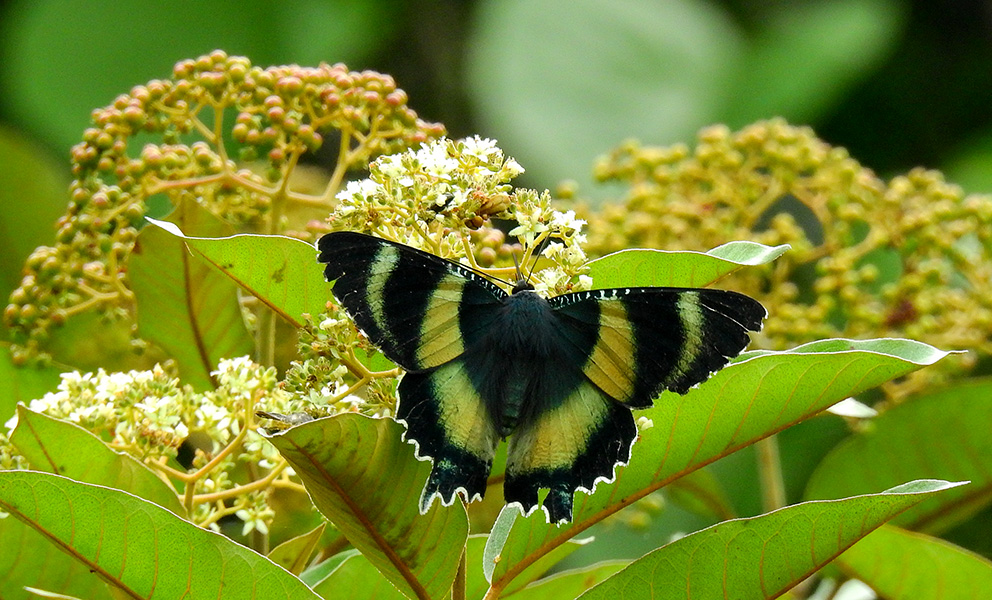
The Zodiac Moth (Alcides metaurus) is one of Australia’s most striking and easily recognised moths. With its glossy black wings marked by vivid green and turquoise bands, this day‑flying moth is often mistaken for a butterfly when seen darting through tropical gardens and forests.
Native to northern and eastern Australia, the Zodiac Moth belongs to the family Uraniidae, a group of moths known for their bright colours and butterfly‑like behaviour. Unlike many moths that are active only at night, this species is active during the day, making it a colourful and noticeable insect in warm coastal regions.
What Does the Zodiac Moth Look Like?
The Zodiac Moth is a medium‑to‑large moth with a wingspan of about 60–80 millimetres.
It has a dramatic and distinctive appearance:
- Wings: glossy black with bright metallic green or turquoise bands
- Wing edges: slightly scalloped with delicate extensions on the hindwings
- Body: slender and dark with subtle markings
- Flight style: fast and fluttering, often mistaken for a butterfly
When sunlight catches its wings, the green bands shimmer, creating a jewel‑like effect as the moth flies through vegetation.
Habitat and Distribution
The Zodiac Moth occurs mainly in coastal and tropical regions of eastern Australia, including:
- Queensland
- northern New South Wales
- parts of coastal northern Australia
It is commonly found in:
- tropical and subtropical forests
- coastal woodland
- rainforest edges
- gardens and parks where host plants grow
Because it is active during the day, it is often seen flying among trees and shrubs in warm weather.
Feeding Habits
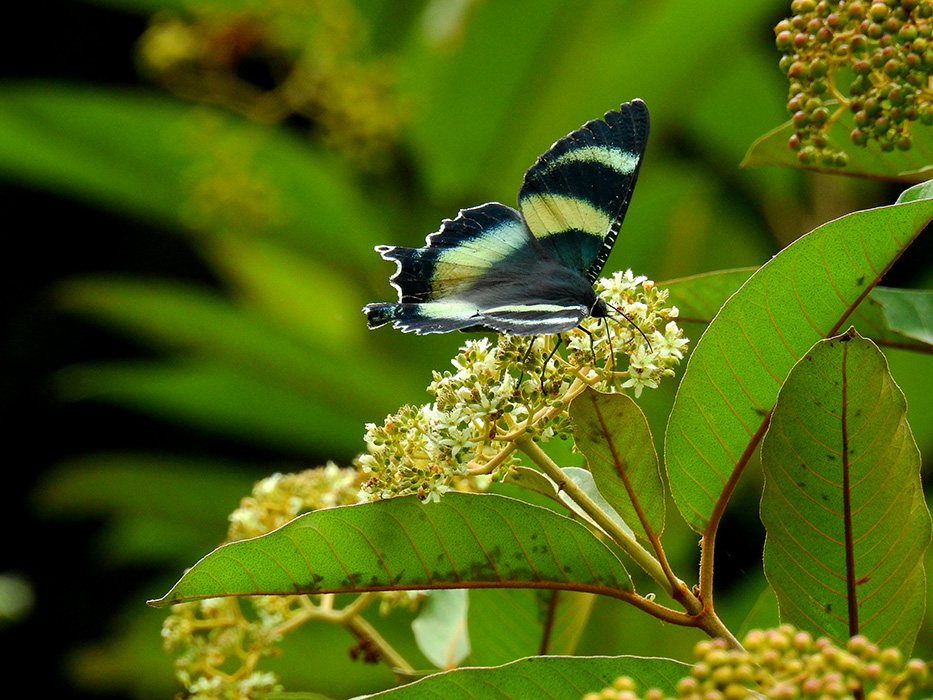
Adult Zodiac Moths feed mainly on flower nectar, which provides them with energy for flight.
They are often seen visiting:
- flowering shrubs
- native rainforest flowers
- garden blossoms
Their feeding behaviour is similar to butterflies, hovering briefly over flowers before landing to drink nectar.
Breeding and Host Plants
The life cycle of the Zodiac Moth is closely tied to plants in the Euphorbiaceae family, particularly species of Omphalea.
Host Plants
The caterpillars feed mainly on:
- Omphalea vines and shrubs
- related plants found in tropical forests
Life Cycle
- Egg: laid on host plant leaves
- Caterpillar: dark with colourful bands and small projections
- Pupa: formed within a cocoon attached to vegetation
- Adult moth: emerges to feed and reproduce
The caterpillars feed actively on leaves and may be brightly coloured, helping deter predators.
Longevity
The complete life cycle from egg to adult generally takes around six to eight weeks, depending on temperature and food availability.
Adult Zodiac Moths usually live one to two weeks, during which time they focus on feeding and reproduction.
Interesting Facts About the Zodiac Moth
- It is one of the few moth species in Australia that is active during the daytime.
- Because of its colours and flight style, it is frequently mistaken for a butterfly.
- The shimmering green markings on its wings are caused by microscopic scales reflecting light, not pigment.
- It is closely related to the spectacular Madagascan Sunset Moth, one of the world’s most famous moth species.
These features make the Zodiac Moth one of the most visually impressive moths found in Australia.
Indigenous Connections
Insects such as moths and butterflies are part of the seasonal cycles observed by First Nations peoples across Australia. Their presence often coincides with flowering plants and changes in weather patterns.
Traditional ecological knowledge recognises insects as part of the interconnected relationships between plants, animals, and Country. Because Australia contains many Indigenous language groups, traditional names for specific moth species vary across regions and are not always widely recorded in public sources.
Conservation Status and Threats
The Zodiac Moth is currently considered not threatened, but it depends on the presence of suitable host plants and healthy forest habitats.
Potential threats include:
- clearing of native vegetation
- loss of host plants
- pesticide use
- habitat fragmentation
Maintaining native vegetation and planting host plants helps support populations of this species.
Why the Zodiac Moth Matters
The Zodiac Moth is a wonderful example of the incredible diversity of Australia’s insect life. Its brilliant colours, daytime activity, and close relationship with native plants make it a fascinating species for naturalists and gardeners alike.
Seeing a Zodiac Moth darting through the sunshine is a reminder that even moths can be as colourful and captivating as butterflies.
Scientific References
Braby, M. F. Butterflies of Australia: Their Identification, Biology and Distribution
Atlas of Living Australia – Alcides metaurus records
Australian Butterfly Conservation resources
CSIRO – Australian insect biodiversity
Wikipedia – Alcides metaurus (Zodiac Moth)
Photo Gallery